
Vellore Fort
A sixteenth-century fort in Vellore, Tamil Nadu, it draws visitors for its defensive design, political history, religious buildings and connection with the 1806 Vellore Mutiny.
Key facts · verified by Ghumoopedia editors
- Type of place
- Heritage monument
- Best time to visit
- November to February; April to June for the hill stations
- Nearest railway station
- Katpadi Junction (Vellore) · about 5 km (straight line)
- Nearest airport
- Vellore Airport · about 7 km (straight line)
- Verified
- 21 Nov 2026
Plan a trip from Vellore Fort — a day-by-day route through places nearby.
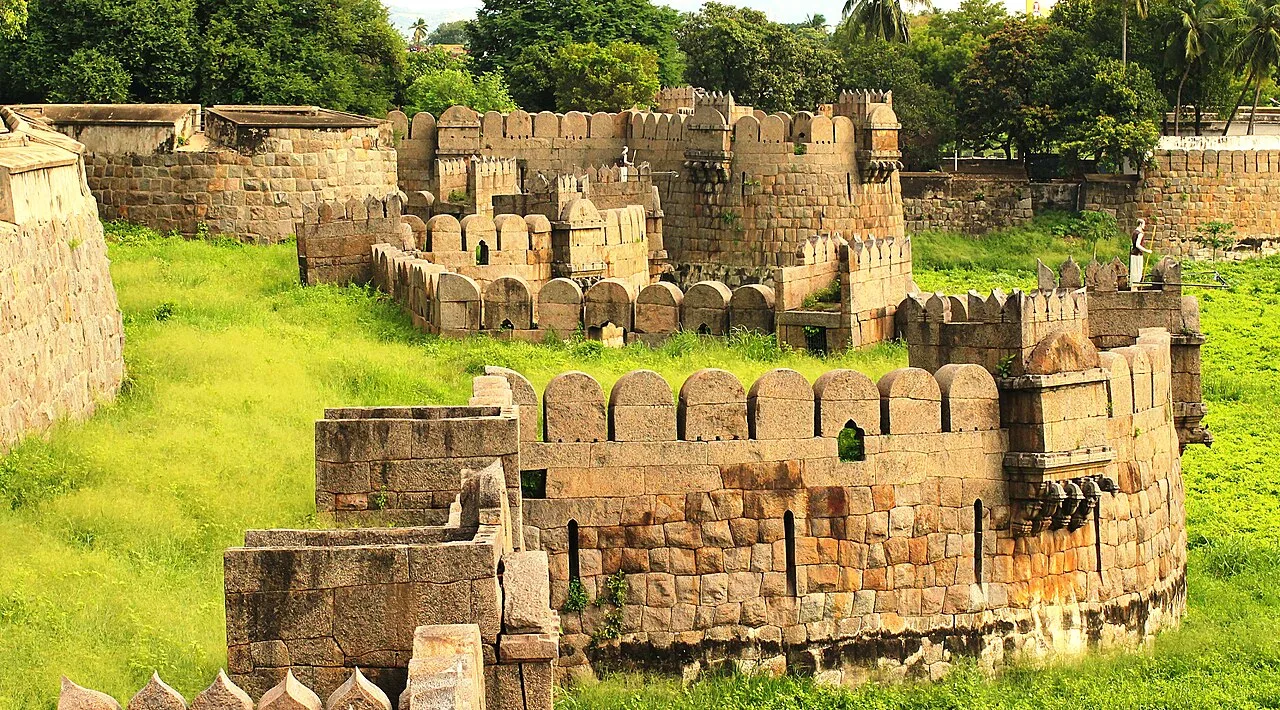
Located in Vellore city, in Tamil Nadu’s Vellore district, the fort was built in the sixteenth century by Chinna Bommi Reddy and Timma Reddy, Nayakas (feudal lords) under the Vijayanagara Empire. It later served as the seat of the empire’s Aravidu dynasty. Its prominent features include strong masonry, extensive ramparts and a broad moat. The fort changed rulers over time, passing from Vijayanagara emperors to the Bijapur sultans, Marathas and Carnatic Nawabs, and then to the British. British rule there continued until India gained independence. Today, the Indian government maintains the site through the Archaeological Department. During the British period, members of Tipu Sultan’s family and Sri Vikrama Rajasinha, the last king of Sri Lanka, were held prisoner here. The fort was also the scene of the massacre of Sriranga Raya’s Vijayanagara royal family. The complex contains Jalakanteswarar Temple, St. John’s Church and a mosque. The temple is known for its elaborate carvings. In 1806, the Vellore Mutiny broke out at the fort, marking the first significant military rebellion against British rule. Visitors from India and overseas come to explore its architecture, history and religious buildings. Tamil Nadu is the land of great living temples — Madurai's Meenakshi, Thanjavur's Brihadeeswara, Srirangam, Chidambaram and Rameswaram — along with the Pallava shore monuments of Mamallapuram, the Chettinad mansions, the hill stations of Ooty and Kodaikanal and the meeting of three seas at Kanyakumari. The state is hot from March to June, gets light southwest-monsoon rain from June to September, and receives its main rainfall from the northeast monsoon between October and December. January to March is the most comfortable season; the Nilgiri and Kodaikanal hills are cool year-round. The usual best time to visit is November to February; April to June for the hill stations. Timings, fees and access arrangements must be confirmed locally. For official information, see Tamil Nadu Tourism at https://www.tamilnadutourism.tn.gov.in.
Why it matters
Vellore Fort is a major historic landmark in Vellore city and an important surviving example of a Vijayanagara-era military stronghold in northern Tamil Nadu. It is associated with the Aravidu dynasty, the changing powers that controlled the region, and the Vellore Mutiny of 1806, an early major uprising against British rule. Its grounds also bring together a Hindu temple, a church and a mosque, reflecting the fort’s layered history. The Archaeological Survey of India (ASI) maintains the monument; visitors should check with the ASI for current conservation and access information. The fort is valued regionally as a heritage site and is a familiar landmark for residents of Vellore.
Vellore Fort is traditionally dated to the 16th century and was built by Chinna Bommi Reddy and Thimma Reddy, Nayaka chiefs serving under the Vijayanagara Empire. The fort later became an important seat of the empire’s Aravidu dynasty. In the early 17th century, it was the scene of violence involving the Vijayanagara royal family of Sriranga Raya. After Vijayanagara power weakened, control passed among the Bijapur sultans, the Marathas and the Carnatic Nawabs before the British took possession. During British rule, members of Tipu Sultan’s family and Sri Vikrama Rajasinha, the last king of the Kingdom of Kandy in Sri Lanka, were held as prisoners here. In 1806, sepoys at the fort rose against British authority in what became known as the Vellore Mutiny. The fort remained under British control until India’s independence. Its surviving religious buildings and military fabric reflect these successive periods. The ASI now maintains the site; visitors can look for on-site interpretation about its history and conservation.
Origin stories & folklore
Stories associated with Vellore Fort often focus on the strength of its defences and the broad moat. Local accounts sometimes describe the moat as having been stocked with crocodiles, a detail repeated in popular retellings but best treated as folklore rather than a confirmed feature of every period in the fort’s history. The name Jalakanteswarar belongs to the Shiva temple within the fort, and devotees’ beliefs and temple traditions give the place meaning beyond its military past. Accounts of the temple’s origins and local religious stories can vary; visitors interested in them may ask temple representatives or an authorised guide rather than treating a single version as settled history.
Architecture & design
The fort is known for its imposing ramparts, broad moat and sturdy masonry. Its defensive plan combines high walls with projecting bastions, giving the fort strong lines of protection and views across the surrounding city. The massive stonework is a defining feature, while the moat forms a prominent barrier around the complex. Within the fort are buildings from different periods and religious traditions, including the Jalakanteswarar Temple, St. John’s Church and a mosque. The temple is especially noted for its Vijayanagara-style sculptural work and ornate carved pillars. The mixture of a military enclosure with sacred and civic buildings reflects the fort’s changing uses over time. The site is large, so allow time to walk between structures and read any interpretation available; routes across the grounds may include uneven stone surfaces.
Important objects & sculptures
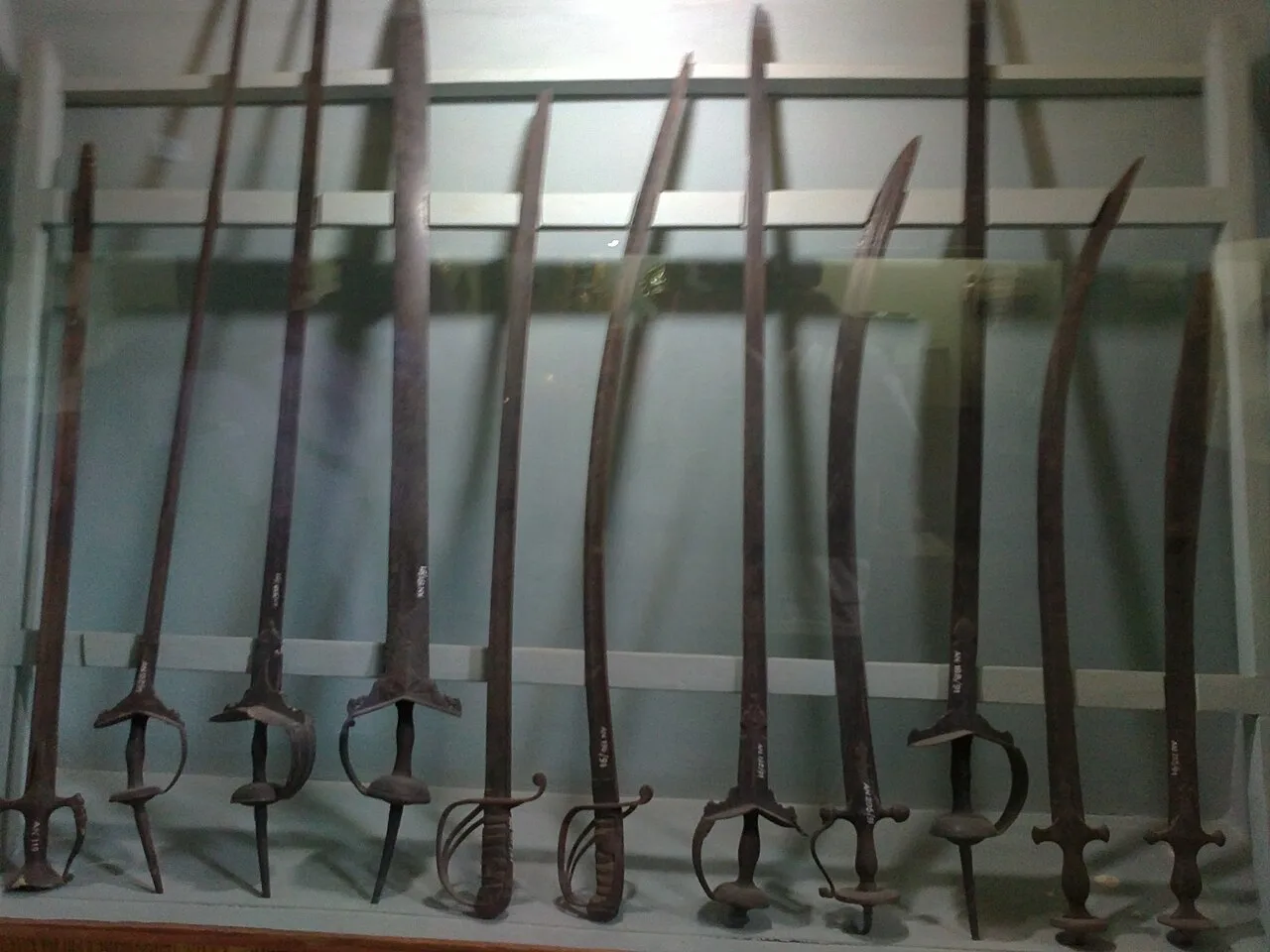
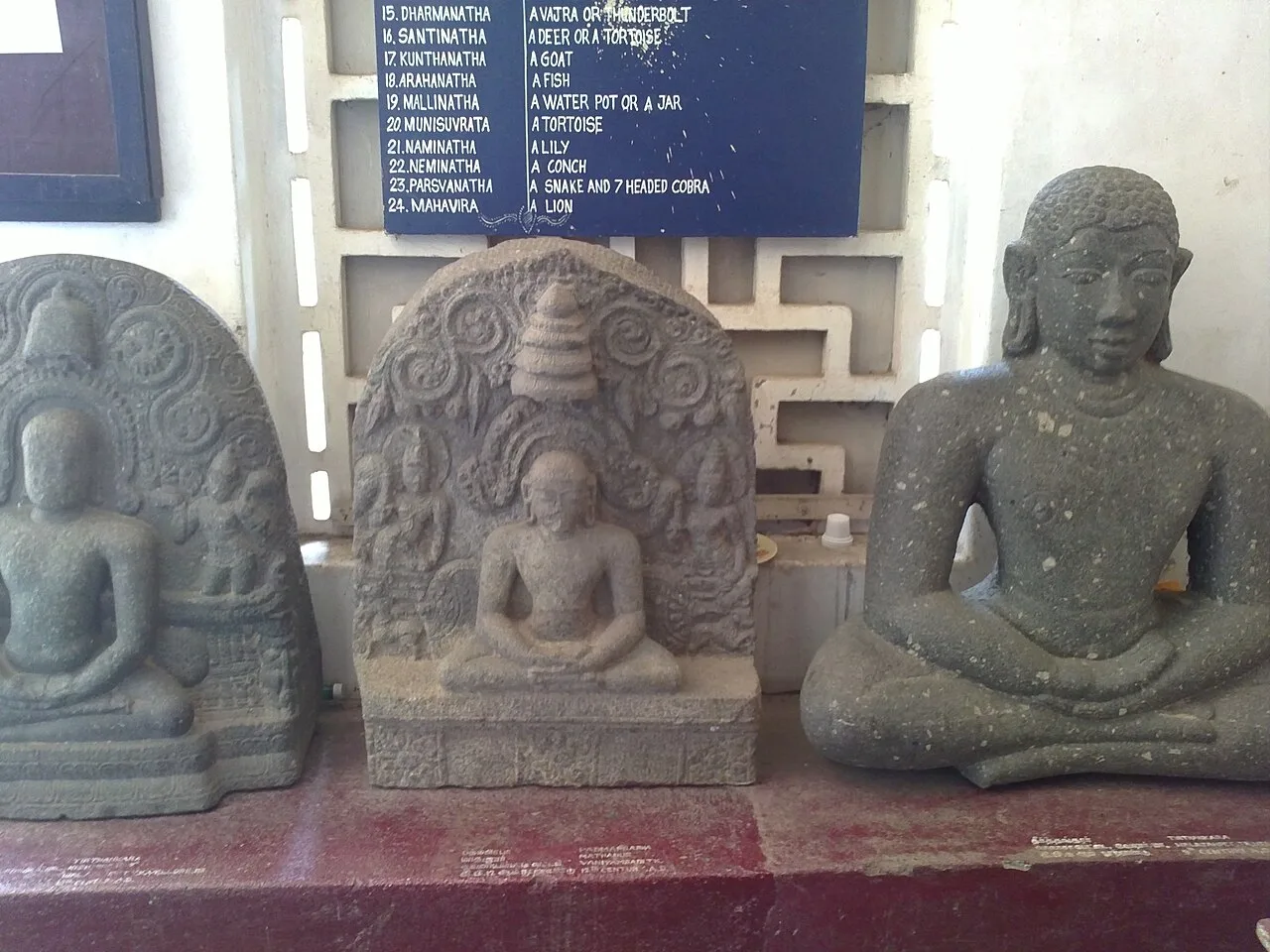
Look closely at the carved pillars and sculptural details in the Jalakanteswarar Temple, where figures and ornamental motifs show the skill of Vijayanagara-period stone carving. The temple’s mandapas and richly worked architectural details are among the most distinctive features within the fort. Across the grounds, the ramparts, bastions and masonry are also worth examining as historical fabric rather than just a backdrop. Interpretation boards, where available, can help explain the buildings and their changing functions. The fort is not primarily a single collection of displayed objects, and access to particular interiors or religious spaces may vary. Follow posted guidance, and do not touch carvings or inscriptions.
Explore Vellore Fort slowly and read the interpretation boards, use the official audio guide where available or hire an authorised guide to understand its history. Forts involve steep climbs on uneven stone steps; start early, carry water and descend well before dark. Early morning gives softer light, cooler air and smaller crowds. A comfortable itinerary is one main visit in the morning, a local meal at midday and a short nearby stop before an afternoon return. Use the district list on this site to find other places in Vellore, but check the route and its condition before combining stops. If a festival is on — such as Pongal in January, the Madurai Chithirai festival, the Mahamaham at Kumbakonam or the Chennai music season in December — roads and stays can be busy, and the experience can be unforgettable. Leave no litter: many sites are protected by the communities around them.
Suggested itineraries
Half day: Spend about 2–3 hours exploring the ramparts and moat, visiting the Jalakanteswarar Temple and reading the available interpretation; allow time for a short break. Full day: Spend about 3–4 hours at the fort, including its religious buildings and museum spaces if open; have a meal in the city, then visit Sripuram Golden Temple or another nearby attraction, checking travel conditions first. Gentler option: Focus on the most accessible parts of the grounds and one chosen building, take frequent rests and arrange a drop-off close to the entrance; confirm access conditions locally.
Vellore Fort remains part of a living city, not an isolated archaeological site. Tamil is widely spoken locally, and visitors may also encounter Telugu, Urdu and English. The Jalakanteswarar Temple continues to be a place of Hindu worship, while the fort’s church and mosque reflect other religious communities and periods of use. Customs vary by building: follow signs, remove footwear where requested, dress respectfully and ask before photographing worshippers. Pongal and other Tamil celebrations are part of the wider city’s seasonal life. The fort is also a place where local families, school groups and visitors encounter regional history; respectful behaviour helps preserve that shared setting.
Festivals & events
Pongal, celebrated across Tamil Nadu in January, brings a festive atmosphere to Vellore, although it is a citywide celebration rather than a fort-only event. The Jalakanteswarar Temple observes Hindu religious occasions, and the dates and scale of temple gatherings can vary by year. Ramadan and Eid are observed by Muslim communities in the region, while Christmas is marked by Christian congregations, including those connected with local churches. Festival periods may mean larger crowds, altered access around religious buildings or busier roads. Check locally before planning a visit around a major celebration, and be considerate if ceremonies or worship are taking place.
Local food in Tamil Nadu includes idli, dosa and filter coffee, Chettinad chicken and pepper curries, Madurai's kari dosa and jigarthanda, Thanjavur's banana-leaf vegetarian meals, Kanyakumari's seafood, and sweets such as Mysore pak, adhirasam and Tirunelveli halwa. Ask what is fresh that day; many small eateries cook a limited daily menu. Tamil Nadu is a paradise for vegetarian meals served on banana leaf; Chettinad and Madurai are the centres for meat and spice lovers. Filter coffee is a ritual — have it at a local 'hotel' (eatery). Remote sites may have no restaurant at all. Carry water and snacks, eat a proper breakfast before long drives, and ask your accommodation for a packed lunch if you are heading out early. Try a home-cooked or local thali meal when you can — it is often the best food on the route. Choose busy, clean places, drink sealed or filtered water, and carry your packaging back with you.
Shopping & local experiences
Vellore city has markets and shops where visitors can look for everyday goods, textiles, snacks and locally made items. Leather goods are sold in the wider Vellore region, though products and sourcing vary; compare quality and ask sellers about materials. The area is also known for South Indian meals and snacks, which are easy to seek out in the city after a fort visit. There may not be a dedicated craft market inside the monument, so plan to shop in town. Avoid buying objects claimed to be antiques or fragments from heritage sites.
November to February; April to June for the hill stations
The nearest principal railway station by straight-line distance is Katpadi Junction (Vellore), roughly 5 km away. The nearest operating airport by straight-line distance is Vellore Airport, roughly 7 km away. These figures are calculated from map coordinates — actual road distance is longer. Chennai is the main gateway; Coimbatore serves the west and Mettupalayam is the railhead for the Ooty toy train; Madurai and Tiruchirappalli serve the south and centre; Rameswaram and Kanniyakumari have their own rail termini. For the final leg, TNSTC and SETC buses reach nearly every town, with private sleeper coaches between cities and app cabs in Chennai, Coimbatore and Madurai link district towns. A private taxi gives more flexibility for remote sites such as hill stations, forest gates and coastal temples. When comparing train, bus and flight, count the complete door-to-door time: a flight saves the most time only if the onward road transfer is short, while an overnight train can save a hotel night. Book your return before you leave, because seats fill quickly on weekends, festivals and holidays. Current train numbers, timings, return services and fares are not listed here; check IRCTC and NTES for trains and the airline's own schedule for flights. No permit is needed to visit Tamil Nadu. The Nilgiri Mountain Railway toy train to Ooty must be booked well in advance on IRCTC — seats are few and sell out weeks ahead. Major temples such as Madurai Meenakshi and Srirangam have darshan queues and some enforce a dress code (dhoti or formal trousers for men, saree or salwar for women); phones and cameras are not allowed inside several temple sanctums. Boating to the Vivekananda Rock at Kanyakumari depends on sea conditions.
Confirm onward and return timings on IRCTC / NTES, the state bus operator or your airline before travel. A dash means current timings or fares have not been verified.
Getting around
The fort is in central Vellore, so visitors arriving in the city can generally reach the area by auto-rickshaw, taxi or local bus; confirm the best stop with the driver. Katpadi Junction is the principal railway station serving Vellore, and taxis or autos can be used for the onward city journey. Parking availability near the entrance can vary, especially on busy days, so check locally and avoid blocking access. Once inside, expect to explore mainly on foot across a sizeable compound. Agree the drop-off point in advance if travelling with someone who has limited mobility.
Hours, tickets & permissions
Entry arrangements may differ between the fort grounds, the temple, the church, the mosque and any museum spaces. Tickets, permits, camera restrictions, security checks and rules for entering active places of worship may apply or change. Dress respectfully, follow signs and ask before taking photographs inside religious buildings. No fixed opening times or fees are stated here: confirm current hours, entry conditions and charges with the managing authority, such as the ASI, and with the relevant institution for individual buildings before travelling.
Facilities
Facilities within the fort may include basic visitor services, and toilets or drinking-water points are usually easier to find in the surrounding city; check their availability on arrival. Food options are more likely outside the fort, where Vellore has restaurants and small eateries. Parking, seating, signage and guide services can vary, so do not assume every facility is available on the day. An authorised guide or official audio guide may be available; confirm locally. ATMs and additional shops are found in Vellore city rather than necessarily inside the monument.
Accessibility
The fort involves walking over a broad site, and parts of the route have uneven stone surfaces. Reaching ramparts or some structures may involve steps, and these can be steep or difficult for visitors with balance or mobility concerns. Shade and places to rest may be limited along some stretches; carry water and avoid rushing. Wheelchair and stroller access should not be assumed, as historic terrain and thresholds can restrict movement. Older visitors may find a shorter route with frequent rests more comfortable. Ask staff locally about the most suitable entrance and accessible areas before setting out.
No permit is needed to visit Tamil Nadu. The Nilgiri Mountain Railway toy train to Ooty must be booked well in advance on IRCTC — seats are few and sell out weeks ahead. Major temples such as Madurai Meenakshi and Srirangam have darshan queues and some enforce a dress code (dhoti or formal trousers for men, saree or salwar for women); phones and cameras are not allowed inside several temple sanctums. Boating to the Vivekananda Rock at Kanyakumari depends on sea conditions. Carry a photo ID at all times and save the emergency number 112 and your accommodation's contact offline. Heat in summer and heavy rain in the monsoon are the main weather risks; carry water, avoid midday sun and allow extra time when roads flood. On forts, keep away from unfenced edges, especially in mist or rain, and do not climb after dark.
Photography
Early morning usually offers softer light, cooler conditions and fewer visitors; ramparts and the moat provide useful views of the fort’s scale. Photography rules can differ between open grounds, museum spaces and religious buildings, so check signs and ask staff before taking pictures indoors. Do not photograph worshippers or ceremonies without permission. Drone use may be restricted by heritage, security or aviation rules; obtain all required permissions rather than flying on assumption. Avoid climbing on walls or carved structures for a viewpoint, and keep pathways clear for other visitors.
Choose a stay by the full journey to Vellore Fort, not just the district name. Chennai, Coimbatore, Madurai and Tiruchirappalli offer the widest choice; Ooty and Kodaikanal have everything from heritage hotels to cottages — book far ahead for the April–June school holidays and the Pongal weekend. In summer, check air-conditioning; in the monsoon, check that the property is accessible if roads flood. Book in advance for weekends, festivals and the peak season (November to February; April to June for the hill stations). Confirm the exact location, meals included, check-in time and cancellation terms in writing. Avoid sending money to unverified contacts or touts at stations. Carry some cash, as card and digital payments can be unreliable in remote areas.
The Jalakanteswarar Temple, St. John’s Church and the mosque are within the fort complex, while the Government Museum is also associated with the fort grounds; confirm its current access locally. In Vellore, the Sripuram Golden Temple is a prominent religious site that can be combined with a separate visit. Virinjipuram Margabandeeswarar Temple is another notable temple in Vellore district. Amirthi Zoological Park is an option for a longer outing within the district. Check road conditions and travel time before combining stops, and observe the customs and entry rules at religious sites.
For couples, Vellore Fort rewards a slow pace: arrive early for soft light and fewer crowds, share a local meal and keep the evening free. Sunrise at Kanyakumari, a boat ride on Kodaikanal lake or an evening stroll through Mamallapuram's shore monuments makes the trip memorable. Public displays of affection can be frowned upon in conservative communities and at religious sites, so be discreet. Keep a buffer in your itinerary, because weather and road conditions can delay plans.
Q: How much time should I allow for Vellore Fort? A: Allow a few hours to explore the main grounds and buildings at an unhurried pace; a longer visit gives time for nearby attractions. Q: What is the best season to visit? A: November to February is generally more comfortable in Tamil Nadu. Carry water and plan carefully in hotter months. Q: Is entry ticketed, and do I need special permission? A: Entry rules, fees and permissions can change and may differ between the fort and its individual buildings. Confirm current requirements with the managing authority. Q: Is the fort suitable for children and elderly visitors? A: It can be visited by families, but the grounds include uneven surfaces and some steep steps. Choose a shorter route, supervise children and take rests. Q: Where can I stay nearby? A: Vellore city has accommodation options across different categories. Check current availability and choose lodging that suits your transport and accessibility needs.
Be the first to share photos, stories, advice or a helpful contact for Vellore Fort.
Loading…