Ghumoopedia — Explore, Discover, Experience
Sign in

Sacred circuits › Ashtavinayak

Eight Ganeshas of Maharashtra

Ashtavinayak

Eight self-manifested Ganesha shrines around Pune, Raigad and Ahmednagar, visited in a traditional order that begins and ends at Morgaon.

7 of 8 shrines are on the map, joined in the traditional order of the yatra (straight lines, not roads). Locations come from each temple's own reference record.

All 8 shrines

  1. 1
    Mayureshwar Temple

    Morgaon, Maharashtra

    Guide coming soon

  2. 2
    Siddhivinayak, Siddhatek

    Siddhatek, Maharashtra

    Guide coming soon

  3. 3
    Ballaleshwar, Pali

    Pali, Maharashtra

    Guide coming soon

  4. 4
    Varadvinayak, Mahad

    Mahad, Maharashtra

    Guide coming soon

  5. 5
    Chintamani, Theur

    Theur, Maharashtra

    Guide coming soon

  6. 6
    Girijatmaj, Lenyadri

    Lenyadri, Maharashtra

    Full guide on Ghumoopedia

  7. 7
    Vighnahar, Ozar

    Ozar, Maharashtra

    Guide coming soon

  8. 8
    Mahaganapati, Ranjangaon

    Ranjangaon, Maharashtra

    Guide coming soon

Check opening seasons and darshan timings with each temple before you travel.

Plan a trip around these temples

The complete pilgrimage guide

Ashtavinayak: everything to know before you go

Origins & spiritual significance

Ashtavinayak means “eight Ganeshas” and names a pilgrimage to eight revered shrines in Maharashtra. The tradition holds that each enshrined form is swayambhu, or self-manifested, rather than made and installed by human hands. The circuit links Morgaon, Siddhatek, Pali, Mahad, Theur, Lenyadri, Ozar and Ranjangaon, and is traditionally begun and completed at Morgaon. Its order is part of the pilgrimage itself: devotees visit each shrine in sequence and return to the starting temple to mark the completion of the yatra.

The accounts associated with the temples draw on the Ganesh Purana, local sthala-puranas and oral devotional traditions; details can differ between tellings. They describe Ganesha overcoming obstacles, granting boons, protecting devotees and restoring peace. Stories include the devotee Ballal at Pali, the sage Kapila’s jewel at Theur, and the demon Vighnasura at Ozar. At Lenyadri, Ganesha is remembered as the child Girijatmaj, born to Parvati after her penance. These are sacred narratives rather than claims that can be established as literal history. For pilgrims, the circuit is an expression of faith, gratitude and the wish to seek Ganesha’s help before new beginnings. Visiting all eight is also understood as a way to honour the deity in distinct local forms, while the return to Morgaon gives the journey a devotional close.

The traditional order & route

The traditional sequence is Mayureshwar at Morgaon, Siddhivinayak at Siddhatek, Ballaleshwar at Pali, Varadvinayak at Mahad, Chintamani at Theur, Girijatmaj at Lenyadri, Vighnahar at Ozar and Mahaganapati at Ranjangaon, followed by a return to Morgaon. Keep this order if your aim is to complete the customary circuit; individual travellers may adapt the driving plan to roads, lodging and local conditions without changing the devotional sequence.

By road, the journey moves from the Pune district towards Siddhatek, then across to the Raigad-area shrines at Pali and Mahad, before returning inland to Theur. From there it continues north towards Lenyadri and Ozar, then east to Ranjangaon and back to Morgaon. A hired car or taxi with a driver is often the most straightforward option, while public transport usually requires transfers and local onward travel. Allow several days rather than treating the route as a single long drive. Check current road conditions and map each leg before departure: travel time varies with traffic, weather, roadworks and the exact place you are staying.

Shrine by shrine

Mayureshwar Temple at Morgaon is the traditional starting and finishing point. Its name is associated with Ganesha’s peacock mount, and local legend tells of his defeat of the demon Sindhu. The temple’s fortified appearance, gateways and central shrine are important parts of the visit; devotees also regard the return here as completing the circuit. Siddhivinayak at Siddhatek stands in a rural setting by the Bhima River. In devotional accounts, Vishnu worshipped Ganesha here and gained the strength or siddhi needed for his task. The shrine is especially known for its right-curving trunk icon. The approach includes a walk, and the customary circumambulation of the nearby hill can be strenuous, so consider your fitness and the conditions before undertaking it.

Ballaleshwar at Pali is uniquely named after the child devotee Ballal. The story says that his devotion angered his father, but Ganesha appeared to protect and bless him; the deity is said to have accepted the name of his devotee. The temple’s inner shrine and the devotional memory of Ballal give this stop its distinctive character. Varadvinayak at Mahad is honoured as the giver of boons, as its name suggests. The local tradition associates the shrine with the sage Gritsamada and the granting of a boon. Pilgrims visit the sanctum and the surrounding temple precinct, but should confirm any current arrangements for access or offerings with the temple.

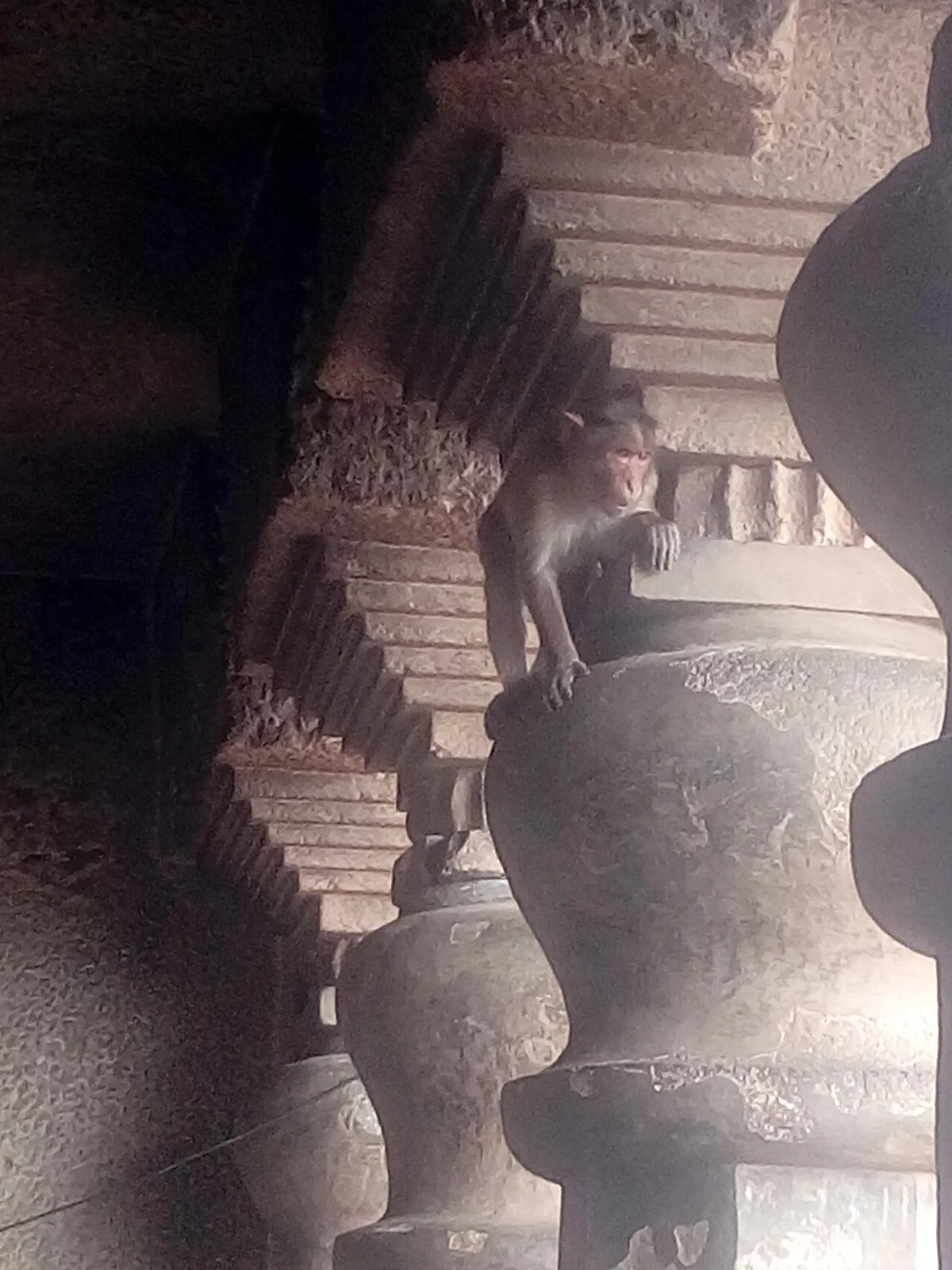
Chintamani at Theur is linked to the story of the wish-fulfilling jewel Chintamani. The sage Kapila possessed the jewel, which was taken by a prince; Ganesha recovered it, then accepted Kapila’s request to remain there. The name evokes freedom from anxiety, and the temple is a well-known pilgrimage stop near Pune. Girijatmaj at Lenyadri is set among the hill caves above the surrounding landscape. The name means “son of Girija,” another name for Parvati, and the tradition remembers Ganesha’s childhood there after her penance. The shrine is reached by a substantial flight of steps within a group of ancient rock-cut caves. Take time to appreciate the cave setting as well as the sanctum, while following local guidance and allowing for the climb.

Vighnahar at Ozar commemorates Ganesha’s defeat of Vighnasura, a demon who obstructed religious rites. The deity is worshipped as the remover of impediments, and the temple’s gateway and precinct are part of the visit. Mahaganapati at Ranjangaon is associated with Ganesha’s powerful, expansive form. In the local account, Shiva worshipped Ganesha before confronting the demon Tripurasura, seeking his aid for the task. Pilgrims visit the principal shrine and its courtyard, and traditionally proceed to Morgaon afterward to close the circuit. At every stop, the legends and features described here belong to living devotional traditions; temple access, conservation limits and worship arrangements may vary.

Best season & planning the journey

The circuit can be undertaken through much of the year, but conditions vary between the Pune plateau, the Raigad-side shrines and the exposed climb at Lenyadri. The cooler months are generally more comfortable for road travel and walking. Summer can bring strong heat, especially on open roads and on the steps at Lenyadri; start early, carry water and plan shaded breaks. The monsoon brings greener scenery, but rain, slippery steps, reduced visibility and local road disruption can make journeys slower. Check forecasts and road conditions before setting out.

Ganesh Chaturthi and Maghi Ganesh Jayanti are important devotional occasions, and visits around major festival periods can mean larger crowds, traffic and longer waits. Festival dates follow the Hindu lunar calendar and change from year to year. Weekends and school holidays may also be busier than ordinary weekdays. If a quieter darshan or easier lodging is a priority, consider travelling outside major festival periods and confirm local conditions in advance. No season guarantees a particular queue length or access arrangement, so check with the temples or relevant local authorities shortly before travel.

Darshan, rituals & dress code

At each shrine, darshan typically involves entering the temple precinct, joining the queue and viewing the Ganesha image in the sanctum. Devotees may pray silently, recite familiar prayers, or make offerings such as flowers, durva grass, coconuts or modaks where these are accepted. Offerings and ritual services differ by temple; ask locally about current practice rather than assuming that a particular item or ceremony is available. Queue arrangements, access for special services and any online booking options can change, so consult the temple or an official authority before travelling. Do not rely on unofficial agents or old online information.

Wear clean, modest clothing that covers the shoulders and knees, and choose footwear that is easy to remove, as shoes are generally left outside worship areas. Follow signs and instructions from temple staff, and ask before entering restricted spaces or participating in a ritual. Some sanctums may have specific rules about offerings, photography or movement through the queue. Keep valuables secure, avoid blocking other worshippers, and be prepared for waits, particularly on festival days. At Lenyadri, dress and footwear should also be suitable for a long stair climb and changing weather.

Getting around, stays & budget

A private car with a locally experienced driver offers flexibility between these dispersed shrines; self-driving is possible for confident drivers but requires attention to rural roads, traffic and navigation. Public transport can serve parts of the region, though transfers and last-mile connections may take time. Pune is a useful base for reaching nearby Theur and Morgaon, while an overnight stop near the Raigad-side shrines or around Junnar can break up the longer circuit. Availability and comfort vary in smaller towns, so check lodging and meals ahead, especially during festivals and holiday periods.

Costs depend on transport choice, trip length, accommodation and food. Pilgrims can keep spending modest with simple lodgings and local meals, while private vehicles and more comfortable stays raise the budget. Include a contingency for extra nights, fuel, parking or changing road conditions. Do not assume that a particular service, facility or payment method is available at every shrine; confirm locally. Carry some cash for small purchases while also checking what digital payment options are accepted.

Etiquette, health & responsible pilgrimage

Treat each shrine as an active place of worship: speak quietly, follow queue instructions and give others space to pray. Ask before photographing people, rituals or temple interiors, and obey any no-photography notices. Avoid touching sacred objects or entering restricted areas without permission. Keep the precinct clean, use bins where provided and do not leave food packaging or plastic behind.

Heat, long road stretches and walking can be tiring; drink water, take breaks and carry any essential medicines. Lenyadri’s steps require particular care, especially in rain or for anyone with balance, joint or heart concerns. The circuit includes road travel and uneven surfaces, so older pilgrims or those with limited mobility should plan assistance and realistic daily distances. Consult a clinician about personal fitness needs, and check local guidance if weather or health conditions change.

Frequently asked questions

How many days does the Ashtavinayak circuit take?

Many pilgrims allow several days so they can visit each temple without turning the journey into a rushed drive. The right duration depends on your starting point, transport, road conditions, time spent at each shrine and whether you need rest days. Add time during festivals or for mobility needs.

What is the traditional order of the eight shrines?

The customary sequence is Morgaon, Siddhatek, Pali, Mahad, Theur, Lenyadri, Ozar and Ranjangaon, followed by a return to Morgaon. This order is central to the traditional circuit. Check the route and current road conditions before setting out, as practical driving arrangements can vary.

Is the pilgrimage suitable for elderly pilgrims?

It can be suitable with careful planning, but the circuit involves substantial road travel, queues and walking. Lenyadri has a long flight of steps, and Siddhatek may involve a hill walk. Consider health, mobility and weather, plan shorter days, and arrange assistance or omit strenuous activities if needed.

What should I wear for darshan?

Choose clean, modest clothing that covers the shoulders and knees, and wear footwear that is easy to remove. For Lenyadri, use comfortable shoes suitable for the climb and carry weather protection. Follow any temple-specific instructions, since local practices and access rules may differ.

Is online darshan booking or registration generally required?

There is no single booking system or rule that should be assumed for all eight temples. Queue, ritual and online arrangements can change, especially around festivals. Check each temple or an official authority shortly before travel, and be cautious of unofficial websites or agents asking for payment.