
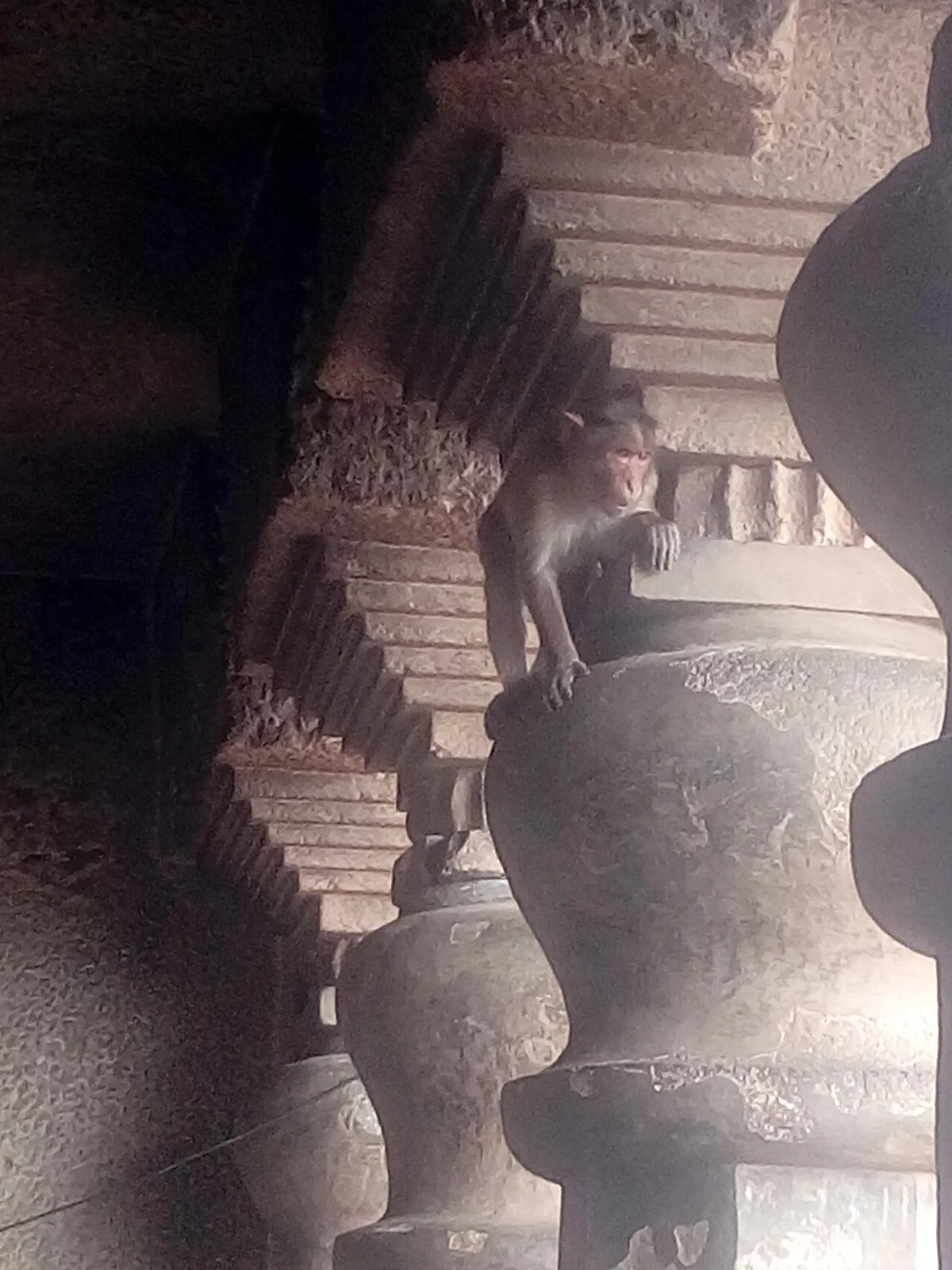
Lenyadri
Lenyadri is a group of Buddhist caves near Junnar, Maharashtra, some later adapted for Hindu worship. Visitors come to see the cave complex and its Ganesha shrine, part of the Ashtavinayak.
Key facts · verified by Ghumoopedia editors
- Type of place
- Heritage monument
- Best time to visit
- October to March; June to September for green monsoon landscapes on the Ghats (expect closures)
- Nearest railway station
- Igatpuri · about 60 km (straight line)
- Nearest airport
- Shirdi Airport · about 70 km (straight line)
- Verified
- 21 Nov 2026
Plan a trip from Lenyadri — a day-by-day route through places nearby.
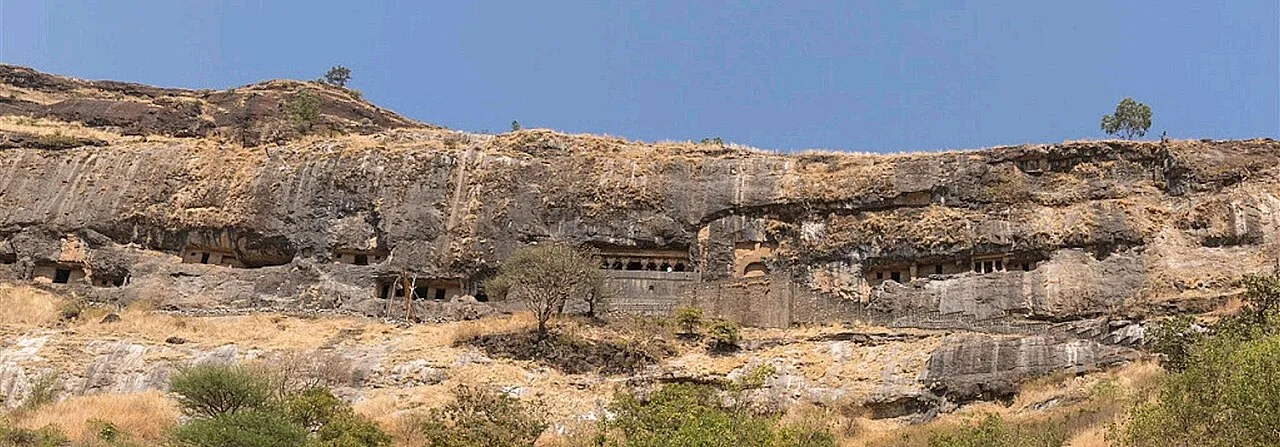
In Pune district of Maharashtra, the Lenyadri complex stands roughly 4.8 kilometres north of Junnar. Known also as Ganesa Lena and Ganesh Pahar Caves, it consists of about 30 chambers carved into a natural cliff. It forms part of the cluster of cave sites around Junnar, together with Manmodi, Shivneri and Tulja. The caves date from the first to third centuries AD; some were later put to Hindu use. Twenty-six caves have individual numbers. They face south, with the sequence running from east towards west. Caves 6 and 14 are chaitya-grihas (chapels), whereas the others are viharas (monastic dwellings). Those viharas comprise halls and cells, and the site's caves mostly follow a comparable plan. Typically, one or two sides contain two long benches intended for occupants. Several cisterns are cut into the rock to hold water; inscriptions are present on two. The plan is broadly consistent throughout. Cave 7 was initially a Buddhist vihara and later became home to the complex's Ganesha shrine. At an unknown date, two central cells were adapted for worship of the Hindu god. Its other chambers and main hall retain their earlier arrangement. Known as Ganesha Lena, the shrine belongs to the Ashtavinayak, a group of eight prominent Ganesha shrines in western Maharashtra. Regional belief links the cave with Girijatmaja: according to the story, goddess Parvati hoped to become a mother there, and Ganesha was born in the cave. Maharashtra spans Mumbai's Gothic and Art Deco skyline, the rock-cut cave temples of Ajanta, Ellora, Karla and Elephanta, the hill forts of Chhatrapati Shivaji Maharaj, the Konkan's sea forts and beaches, and the great pilgrimages of Pandharpur, Shirdi and the Jyotirlingas. The coast is hot and humid most of the year with very heavy monsoon rain from June to September; the Western Ghats hill stations are cool and misty in the monsoon and pleasant in winter; the Deccan and Vidarbha are dry, with harsh summers above 40°C in Nagpur and Chandrapur. The usual best time to visit is October to March; June to September for green monsoon landscapes on the Ghats (expect closures). Timings, fees and access arrangements must be confirmed locally. For official information, see Maharashtra Tourism at https://www.maharashtratourism.gov.in.
Why it matters
Lenyadri is important both as an early Buddhist rock-cut site and as a living Hindu pilgrimage destination. The caves, traditionally dated to the 1st–3rd centuries CE, form part of the wider group of ancient cave sites around Junnar. Cave 7 is also the Girijatmaj shrine, one of Maharashtra’s eight Ashtavinayak Ganesha pilgrimage sites, drawing worshippers from across the region. The Archaeological Survey of India protects the caves as an archaeological monument; they are not a UNESCO World Heritage Site. Their continued religious use gives the complex a distinctive place in local life, while the surviving halls, cells and inscriptions offer evidence of Buddhist cave architecture in the western Deccan.
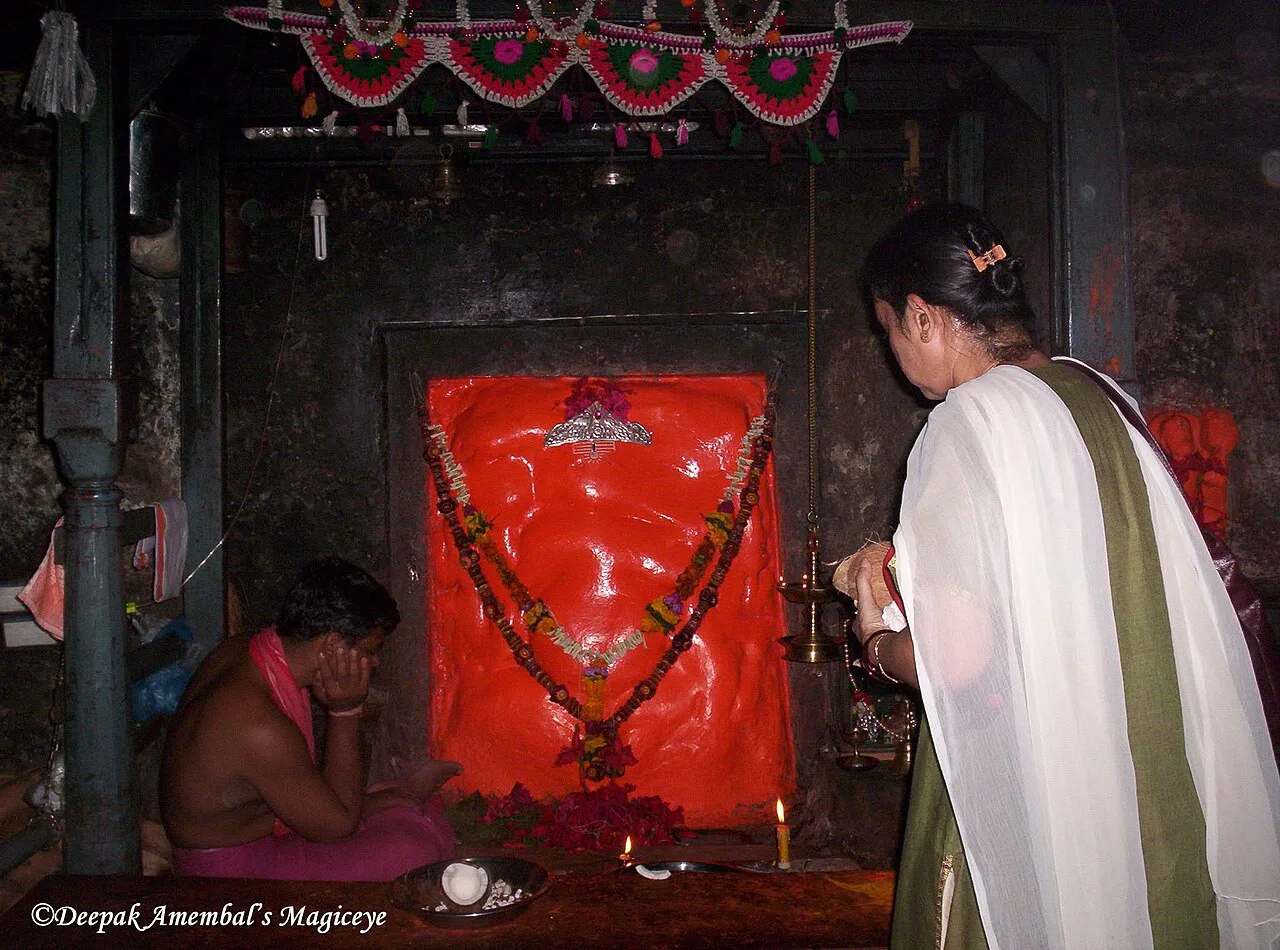
Lenyadri’s caves are generally dated to between the 1st and 3rd centuries CE, when Buddhist monastic communities established rock-cut sites across the western Deccan. The surviving inscriptions on two water cisterns record donations, although the available evidence does not establish a single builder or patron for the complex. The caves are among several ancient cave groups near Junnar, alongside Manmodi, Shivneri and Tulja. Twenty-six caves have individual numbers, though the complex is commonly described as comprising about 30 excavations. Most were created as viharas—monastic dwellings with halls and cells—while caves 6 and 14 are chaitya-grihas, or worship halls. At a later, uncertain date, two central cells in Cave 7 were adapted for worship of Ganesha. The remaining cells and hall retain their Buddhist monastic layout. Cave 7’s later religious role made it part of the Ashtavinayak pilgrimage circuit. The caves are protected as an archaeological monument, but specific restoration dates or a named restoration programme should not be assumed without confirmation from the managing authority.
Origin stories & folklore
According to local Hindu tradition, Cave 7 is Girijatmaja, the place where the goddess Parvati wished to become a mother and where Ganesha was born. The name is associated with Girija, another name for Parvati, and Atmaja, meaning child or son. This sacred story is central to the cave’s identity as an Ashtavinayak shrine. It belongs to regional religious belief rather than the archaeological account of the Buddhist caves, whose original use was monastic. Visitors may encounter worshippers offering prayers at the Ganesha shrine; the rest of Cave 7 preserves the layout of a Buddhist vihara.
Architecture & design
Lenyadri is a group of rock-cut excavations in a steep natural cliff, facing south and numbered from east to west. The caves were cut into the rock rather than built from masonry. Twenty-six have individual numbers; the broader group is often counted as about 30. Caves 6 and 14 are chaitya-grihas, while most others are viharas designed for monastic residence. Viharas generally have a hall, one or more sides with long benches, and small cells opening off the interior. The cells provided simple accommodation for monks. Rock-cut cisterns collected water, and two bear inscriptions. Cave 7 is notable for its layered history: two central cells were adapted for Ganesha worship at a later, unknown date, while the hall and other cells retain their original Buddhist arrangement. The repeated halls, cells and cisterns show how the cliff was shaped to support both religious practice and daily monastic life.
Important objects & sculptures
Look for the rock-cut halls, benches and small monastic cells, which help explain how the viharas were used. The chaitya-grihas in caves 6 and 14 are the designated chapel excavations within the numbered group. Cave 7 contains the Ganesha shrine associated with the Girijatmaja tradition; its later Hindu use sits within an earlier Buddhist vihara. Two rock-cut water cisterns carry inscriptions, which are important traces of the site’s history and patronage. Their carved surfaces and any religious images should be viewed without touching. The caves are primarily architectural and archaeological spaces, not a conventional museum collection.
Spend unhurried time at Lenyadri: walk the marked paths, use official viewpoints and ask locally whether a guide, entry ticket or forest permission is needed. Follow the marked route inside the caves, carry a small torch and never touch the paintings or sculptures. Wildlife sightings are never guaranteed — patience and quiet improve your chances. A comfortable itinerary is one main visit in the morning, a local meal at midday and a short nearby stop before an afternoon return. Use the district list on this site to find other places in Pune, but check the route and its condition before combining stops. If a festival is on — such as Ganeshotsav, Gudi Padwa or the Ashadhi Wari to Pandharpur — roads and stays can be busy, and the experience can be unforgettable. Leave no litter: many sites are protected by the communities around them.
Suggested itineraries
Half day: Reach Lenyadri in the morning; allow about 2–3 hours for the stair approach, a measured visit to the caves and shrine, and rest breaks; have a meal in or near Junnar before returning. Full day: Visit Lenyadri in the morning; take a midday meal in Junnar; spend the afternoon at Shivneri Fort or another Junnar cave group, allowing for road conditions and a return before dark. Gentler option: Travel to the closest practical drop-off, take the stair ascent slowly with frequent rests, and focus on Cave 7 and the accessible areas rather than trying to see every cave.
Lenyadri brings Buddhist archaeological heritage together with living Hindu worship at Cave 7. Pilgrims visit the Ganesha shrine to pray and make offerings, while other visitors explore the caves as a heritage site. Marathi is widely used in the surrounding area; visitors may also hear Hindi and other languages. Customs can vary with worship and crowd levels, so follow signs and local instructions, keep voices low inside the caves, and be considerate of people praying. Remove footwear where shrine rules require it, and ask before photographing worshippers. The surrounding Junnar area retains a strong regional identity shaped by farming, pilgrimage and historic sites.
Festivals & events
Ganeshotsav, usually celebrated in the monsoon season, and Ganesh Jayanti, generally in winter, are important periods for Ganesha worship and may bring increased numbers of pilgrims to Cave 7. As part of the Ashtavinayak circuit, Lenyadri can also be busy during broader pilgrimage periods and school or public holidays. Crowd levels and arrangements vary from year to year; no fixed event schedule should be assumed. Expect slower movement on the approach and stair route during busy periods. Check locally for current worship arrangements, access guidance and any temporary restrictions before travelling.
Local food in Maharashtra includes vada pav, misal pav, pav bhaji, poha, puran poli, modak at Ganesh Chaturthi, Kolhapuri mutton with tambda and pandhra rassa, Malvani fish curry and sol kadhi on the Konkan coast, and Nagpur oranges and saoji food in Vidarbha. Ask what is fresh that day; many small eateries cook a limited daily menu. Vegetarian travellers eat well across the state, and most towns also have fish and meat dishes. Remote sites may have no restaurant at all. Carry water and snacks, eat a proper breakfast before long drives, and ask your accommodation for a packed lunch if you are heading out early. Try a home-cooked or local thali meal when you can — it is often the best food on the route. Choose busy, clean places, drink sealed or filtered water, and carry your packaging back with you.
Shopping & local experiences
Shopping options at the caves may be limited to small stalls or seasonal vendors. Junnar is a more practical place to look for everyday supplies, local snacks and simple souvenirs. Visitors can ask locally about regional produce or crafts, but should not assume that a particular craft market operates at the site. Try food from established local eateries and carry reusable water containers where practical. Avoid buying objects presented as ancient artefacts or removing stones, plants or other material from the protected site.
October to March; June to September for green monsoon landscapes on the Ghats (expect closures)
The nearest principal railway station by straight-line distance is Igatpuri, roughly 60 km away. The nearest operating airport by straight-line distance is Shirdi Airport, roughly 70 km away. These figures are calculated from map coordinates — actual road distance is longer. Mumbai and Pune are the main rail and air gateways in the west, Chhatrapati Sambhajinagar (Aurangabad) for Ajanta and Ellora, Nagpur for Vidarbha and the tiger reserves, and the Konkan Railway serves the coast down to Sindhudurg. For the final leg, Maharashtra State Road Transport Corporation (MSRTC) buses, including Shivneri and Shivshahi coaches, private sleeper buses and shared jeeps and autos link district towns. A private taxi gives more flexibility for remote sites. When comparing train, bus and flight, count the complete door-to-door time: a flight saves the most time only if the onward road transfer is short, while an overnight train can save a hotel night. Book your return before you leave, because seats fill quickly on weekends, festivals and holidays. Current train numbers, timings, return services and fares are not listed here; check IRCTC and NTES for trains and the airline's own schedule for flights. No permit is needed to visit Maharashtra. Tiger safaris in Tadoba, Pench and Melghat must be booked in advance through the official online portals. Many hill forts are popular monsoon treks: since several accidents, some districts restrict access to waterfalls, forts and ghats during heavy rain — check current district orders before setting out. Ganeshotsav (August–September) brings very large crowds to Mumbai and Pune.
Confirm onward and return timings on IRCTC / NTES, the state bus operator or your airline before travel. A dash means current timings or fares have not been verified.
Getting around
Junnar is the main nearby town for arranging the final road leg to Lenyadri. Local buses, shared vehicles, autos or taxis may be available, but services and availability can vary; check locally before relying on a particular option. A private taxi offers more flexibility for combining the caves with nearby sites. Ask the driver where the current visitor drop-off and parking areas are, then expect to continue on foot. The approach includes a substantial stair climb, so allow time and avoid carrying unnecessary luggage. Confirm road conditions before combining several stops.
Hours, tickets & permissions
Entry arrangements may differ between the archaeological caves and the active shrine, and worship or conservation needs can affect access. Tickets, permissions, camera restrictions and rules for footwear or conduct may apply or change. Confirm current opening arrangements, entry requirements and any fees with the managing authority or locally before setting out; do not rely on old online listings. Follow posted notices and staff instructions, especially in Cave 7 and around protected rock surfaces.
Facilities
Facilities at the site may be basic and can vary with season and maintenance. Toilets, drinking water, small food or refreshment stalls and parking may be available near the approach, but check locally rather than relying on them. Carry water and any necessary medication, especially for the climb. Junnar is the more dependable place to look for meals, shops, cash services and other essentials; ATMs and services may not be immediately beside the caves. Guides may be available locally, but availability and credentials should be confirmed before engaging one.
Accessibility
Reaching the caves involves a long stair climb up the hillside, with exposed sections and limited shade along parts of the route. The effort can be demanding, particularly in hot weather or for visitors with heart, breathing or mobility conditions. There is no basis to assume wheelchair or stroller access to the caves; the stair route makes both unsuitable for most visitors. Older travellers may manage the visit at a slow pace with rests, but should assess their fitness and travel with assistance if needed. Take care on uneven or wet steps, and avoid attempting the climb during heavy rain.
No permit is needed to visit Maharashtra. Tiger safaris in Tadoba, Pench and Melghat must be booked in advance through the official online portals. Many hill forts are popular monsoon treks: since several accidents, some districts restrict access to waterfalls, forts and ghats during heavy rain — check current district orders before setting out. Ganeshotsav (August–September) brings very large crowds to Mumbai and Pune. Carry a photo ID at all times and save the emergency number 112 and your accommodation's contact offline. Heat in summer and heavy rain in the monsoon are the main weather risks; carry water, avoid midday sun and allow extra time when roads flood. Stay on marked paths, keep away from cliff edges and fast water, and never approach wild animals.
Photography
Morning or later-afternoon light can bring out the cliff face and carved entrances; the south-facing caves may be strongly lit around midday. Check posted rules before photographing inside, since restrictions may apply at the shrine or for conservation. Never touch carvings for a photograph, and ask permission before taking pictures of worshippers. Drone use can be restricted by heritage, safety or local rules; do not fly without confirming permission from the relevant authority. Keep paths clear and avoid flash or equipment that disrupts prayer or other visitors.
Choose a stay by the full journey to Lenyadri, not just the district name. Mumbai, Pune, Nashik and Chhatrapati Sambhajinagar offer the widest choice; hill stations and Konkan beaches have resorts and family homestays, and MTDC resorts are reliable value. In summer, check air-conditioning; in the monsoon, check that the property is accessible if roads flood. Book in advance for weekends, festivals and the peak season (October to March; June to September for green monsoon landscapes on the Ghats (expect closures)). Confirm the exact location, meals included, check-in time and cancellation terms in writing. Avoid sending money to unverified contacts or touts at stations. Carry some cash, as card and digital payments can be unreliable in remote areas.
Shivneri Fort, associated with Chhatrapati Shivaji Maharaj, is a notable nearby heritage visit in the Junnar area. Other cave groups around Junnar include Manmodi Caves, Shivneri Caves and Tulja Caves; visiting more than one requires checking road access and allowing extra time. Ozar, another Ashtavinayak pilgrimage site, can be considered as a religious stop, subject to route conditions. These visits are best planned around the stair climb at Lenyadri rather than packed into a rushed schedule. Confirm current access locally, particularly during monsoon weather.
For couples, Lenyadri rewards a slow pace: arrive early for soft light and fewer crowds, share a local meal and keep the evening free. Sunset on Marine Drive, a misty monsoon morning in Mahabaleshwar or a quiet Konkan beach makes the trip memorable. Public displays of affection can be frowned upon in conservative communities and at religious sites, so be discreet. Keep a buffer in your itinerary, because weather and road conditions can delay plans.
Q: How much time should I allow for Lenyadri? A: Allow several hours for the stair approach, a careful visit to the caves and shrine, and rest breaks; add more time if combining nearby sites. Q: When is a comfortable season to visit? A: October to March is generally the more comfortable period. Monsoon brings greener scenery but wet steps and possible access disruption. Q: Is there an entry ticket? A: Entry rules and any applicable fees can change. Confirm current arrangements with the managing authority or locally before visiting. Q: Is the climb suitable for children and older visitors? A: The stair ascent is substantial. Children should be supervised, and older visitors should judge their fitness, take rests and avoid wet or slippery conditions. Q: Where can I stay nearby? A: Junnar is the practical nearby town to check for accommodation; availability and standards vary, so arrange a stay in advance, especially during pilgrimage periods.
Be the first to share photos, stories, advice or a helpful contact for Lenyadri.
Loading…