Ghumoopedia — Explore, Discover, Experience
Sign in
Aga Khan Palace, Maharashtra

State · West India

Maharashtra

Ajanta and Ellora, Sahyadri forts, Konkan beaches and the energy of Mumbai.

Capital
Mumbai
Districts
23
Destinations
87
Plan a trip in Maharashtra

Overview

Understanding Maharashtra

Culture

Lavani, Warli painting and Marathi theatre.

Food

  • Vada pav
  • Puran poli

Festivals

  • Ganeshotsav
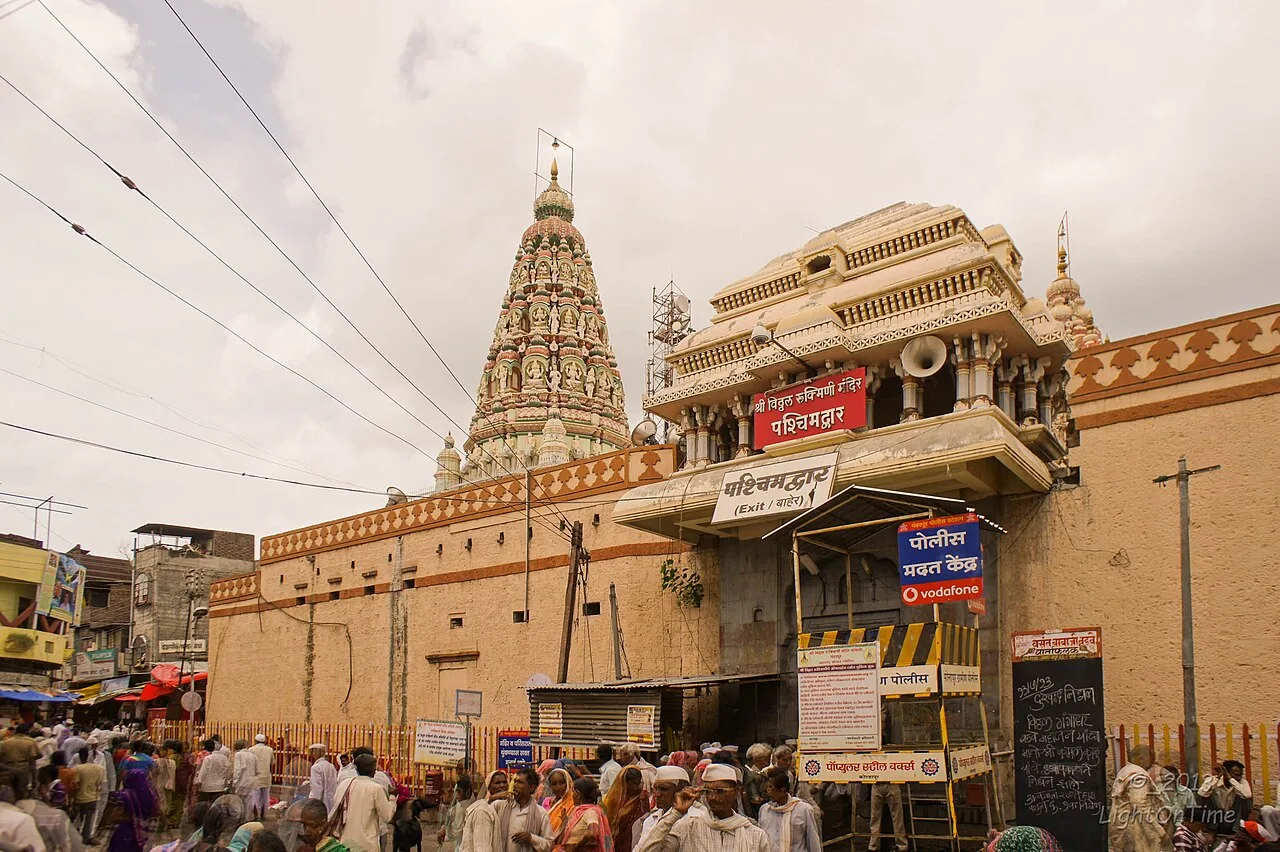
  • Pandharpur Wari

Experiences here

  • Heritage
  • Beach
  • Spiritual
  • Mountain
  • Festivals

Verified by the Ghumoopedia editorial team on 21 Nov 2026. Written and reviewed by Ghumoopedia's editors. Timings, fees and permits can change, so check them with the managing authority shortly before you travel.

The complete guide

Maharashtra: a traveller's guide

Why visit

Maharashtra brings together experiences that can feel like several journeys in one: Mumbai’s waterfront, neighbourhood markets and busy cultural calendar; the sculpted Buddhist heritage of Ajanta and Ellora; hill forts and trekking routes in the Sahyadris; and long stretches of Konkan coast. Its variety suits first-time visitors seeking a mix of city life and historic sites, as well as repeat travellers planning focused trips around food, architecture, wildlife, pilgrimage or the outdoors. Mumbai is the state capital and a major gateway, while Pune, Nashik, Nagpur and other cities offer distinct starting points for exploring inland regions.

A short itinerary might pair Mumbai landmarks such as the Gateway of India and Chhatrapati Shivaji Maharaj Vastu Sangrahalaya with a coastal excursion or a day devoted to the city’s food and arts. Longer journeys can connect Pune’s temples and forts with the Western Ghats, or explore Aurangabad—now Chhatrapati Sambhajinagar—as a base for Ajanta, Ellora and Bibi Ka Maqbara. From Ganpatipule and Tarkarli to Tadoba’s forests and the pilgrimage town of Pandharpur, Maharashtra rewards travellers who allow time for distances, local rhythms and regional differences.
Landscape & climate

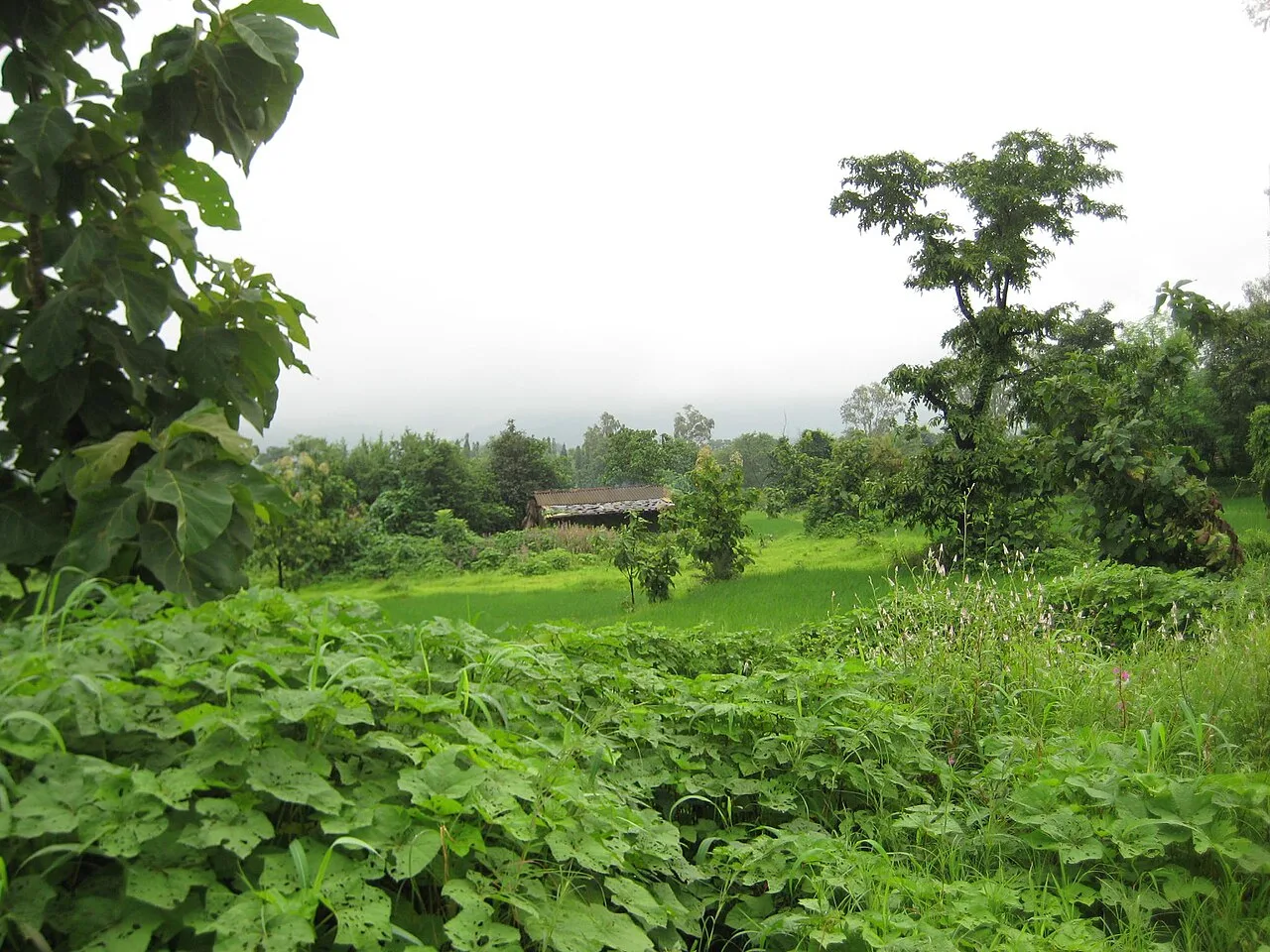
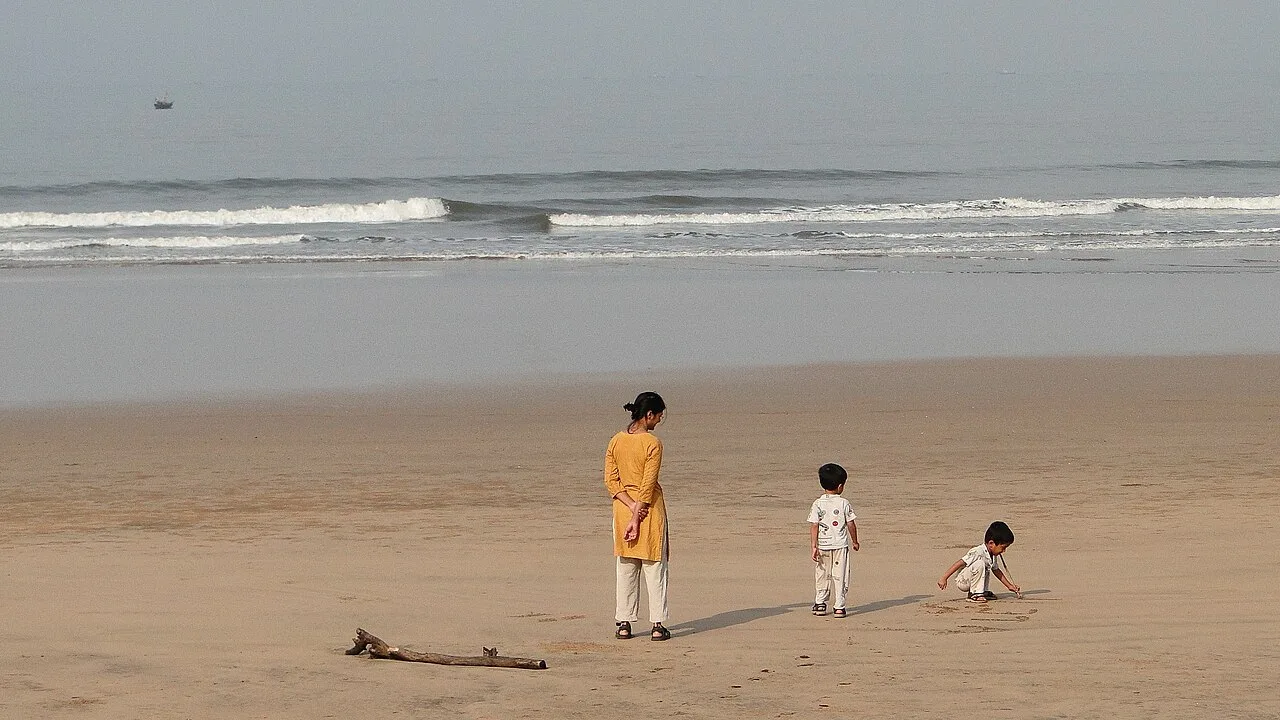
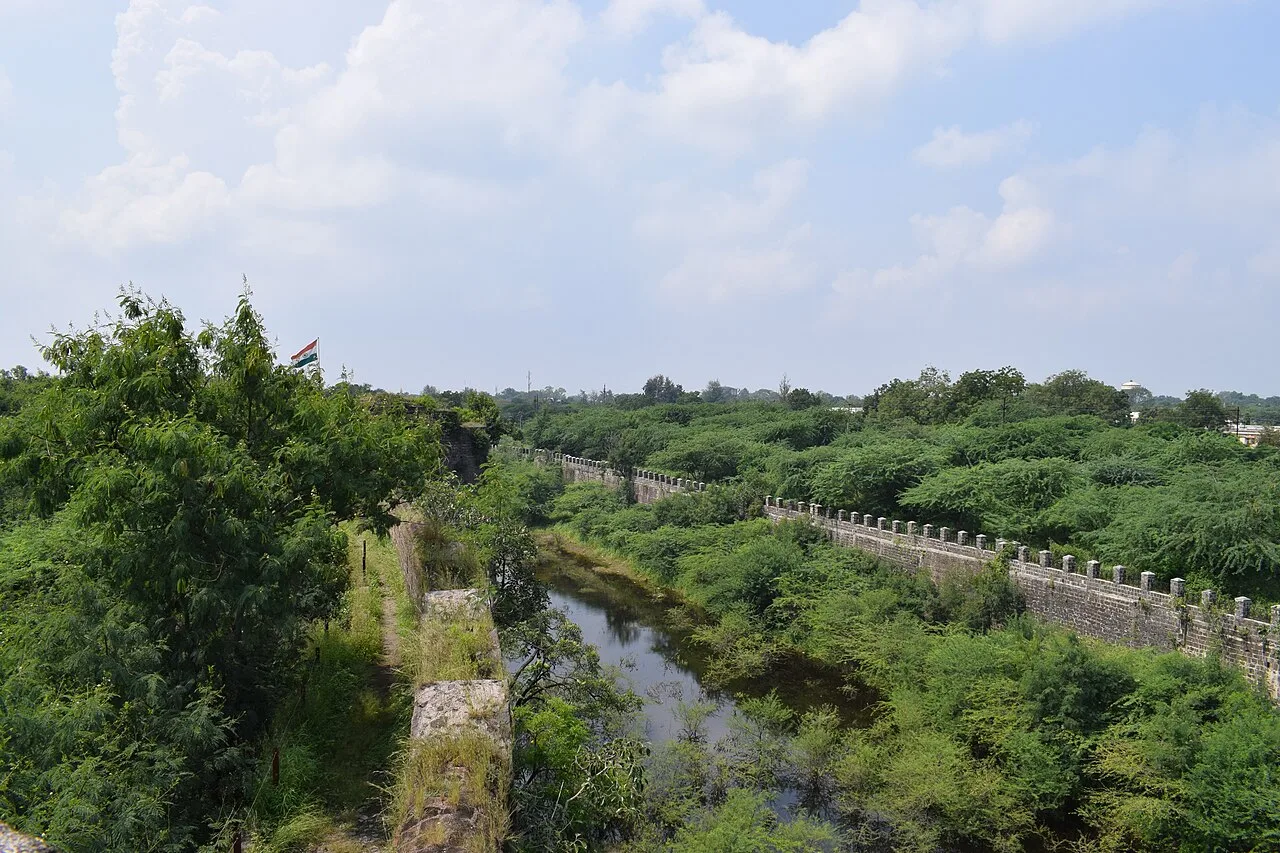
Maharashtra stretches from the Arabian Sea across the Konkan lowlands and the steep Western Ghats, also called the Sahyadris, to the broad Deccan plateau. The coast is indented with creeks, estuaries, fishing settlements and beaches; farther inland, basalt escarpments and ridges hold hill forts and forested valleys. The plateau includes the drier districts of Marathwada and parts of western and central Maharashtra, while the eastern Vidarbha region has extensive forests and wildlife landscapes. The state’s varied terrain makes short distances on a map misleading: mountain roads and monsoon conditions can make journeys slow.

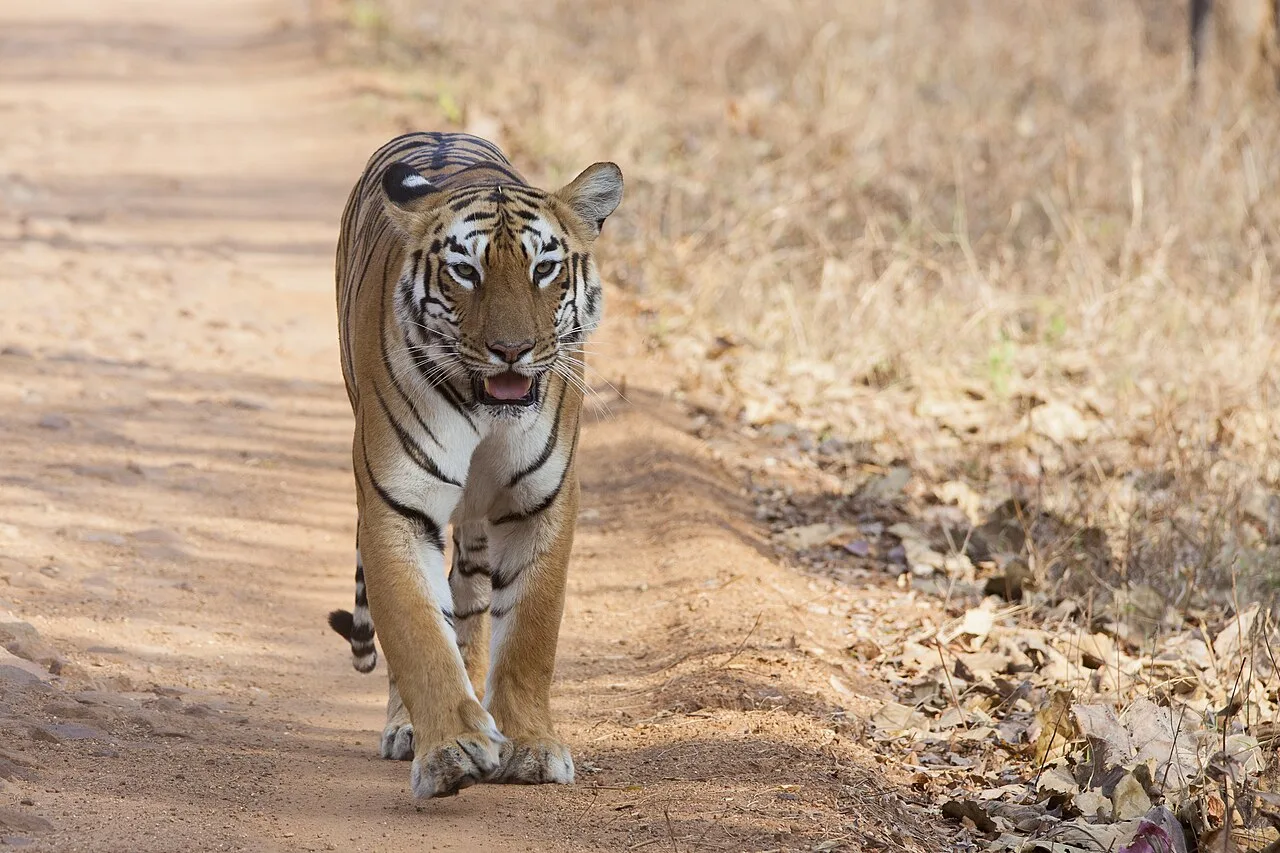
The Godavari, Krishna, Bhima, Tapi, Wardha and Wainganga are among its important rivers, supporting farms, towns and reservoirs. Forests in the Sahyadris and Vidarbha include protected areas such as Melghat, Tadoba-Andhari and the Maharashtra portion of Pench Tiger Reserve. Summer is generally hot, particularly on the plateau; the southwest monsoon, usually from June into September, brings heavy rain to the Konkan and Ghats, while some inland areas receive less. The post-monsoon months are often green, and winter is comparatively mild, though nights can be cool in upland areas. Conditions vary by elevation and district, so check local forecasts before trekking or driving.

History & heritage

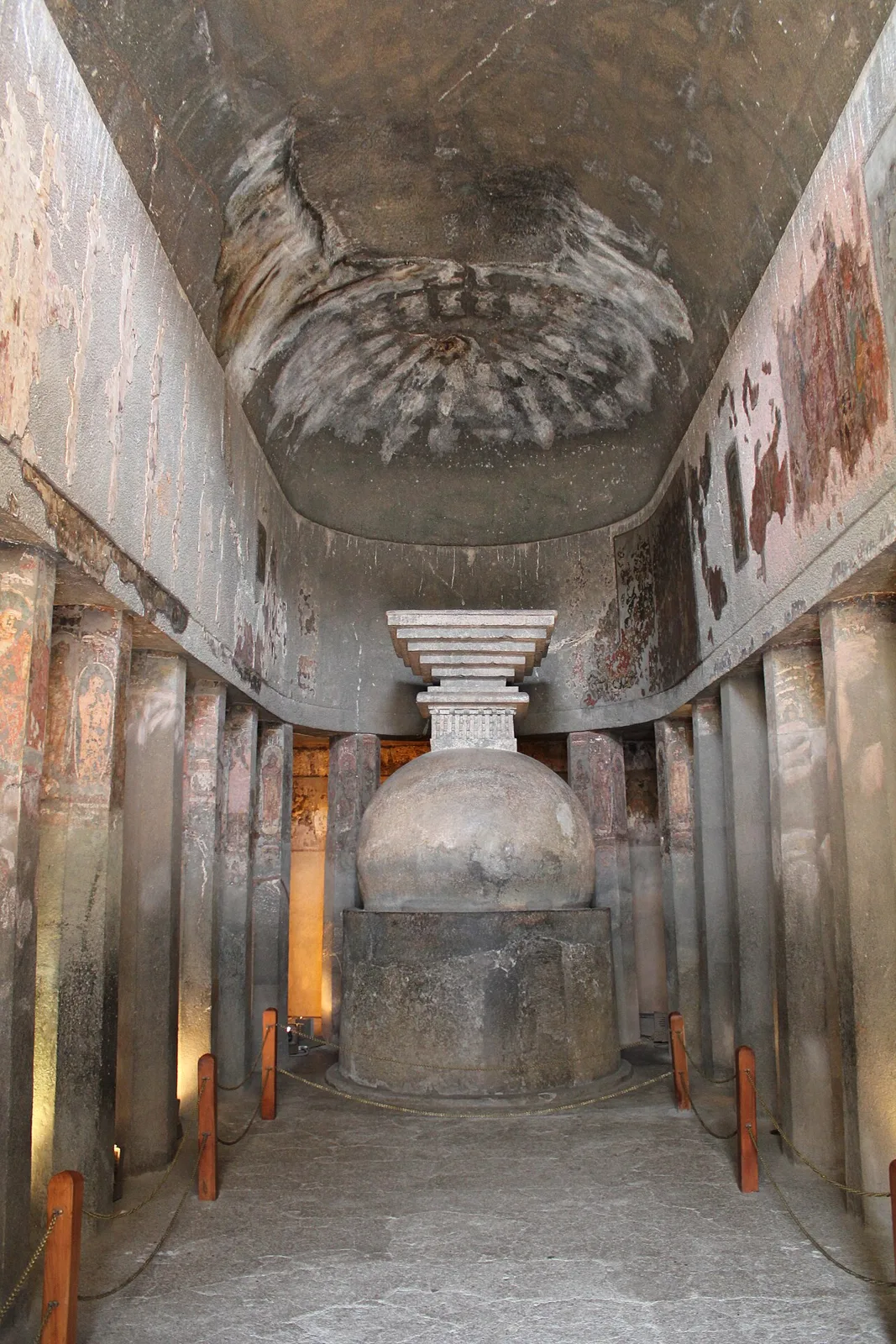
Maharashtra’s history is visible in Buddhist caves, temple complexes, fortified hilltops and the layered streets of its cities. Early historic trade and religious life are represented by the rock-cut caves at Ajanta, whose paintings and sculpture span several centuries, and by cave sites such as Karla. The Deccan was ruled at different times by the Satavahanas, Vakatakas, Rashtrakutas and Yadavas of Devagiri. Ellora’s Buddhist, Hindu and Jain monuments reflect a long period of artistic and religious activity. In the medieval era, the region came under a succession of powers, including the Bahmani kingdom and Deccan sultanates; their legacies remain in architecture, languages and urban histories.

In the seventeenth century, Chhatrapati Shivaji Maharaj established a Maratha kingdom, drawing on a network of forts and coastal strongholds. The Maratha confederacy and the Peshwas later became influential across much of the subcontinent. British rule reshaped administration, transport and urban life, particularly in Bombay, now Mumbai, which grew into a major port and commercial centre. The region also played an important role in social reform, education and India’s independence movement. After independence, the Marathi-speaking areas were brought together in Bombay State; Maharashtra was formed on 1 May 1960, when Bombay State was divided along linguistic lines and Gujarat became a separate state. Its present-day heritage therefore spans ancient religious centres, Maratha-era forts, colonial civic buildings and modern institutions. Visitors can encounter these layers at places including Daulatabad Fort, Panhala Fort, Chhatrapati Shivaji Terminus and Deekshabhoomi.

Culture, people & festivals

Marathi is the principal language and a defining thread in public and artistic life, alongside Hindi, Urdu, Gujarati and many other languages. Adivasi communities, including Warli and Gond communities, maintain distinctive traditions, while the state’s cities and trading towns reflect long histories of migration and exchange. Marathi theatre has a prominent place in the region’s cultural life, from popular touring productions to contemporary performance. Lavani, a lively song-and-dance tradition often associated with the dholki drum, is another widely recognised form; Tamasha is a related popular performance tradition. Classical, devotional and film music also reach broad audiences.

Ganeshotsav, celebrated in August or September, fills homes and neighbourhoods with worship, music and community events; public celebrations became especially prominent in Maharashtra’s urban life. The Pandharpur Wari, usually held in June or July, is a major devotional pilgrimage in which Varkari devotees walk in processions to honour Vithoba. Gudi Padwa, the Marathi New Year, generally falls in March or April, while Diwali is observed in October or November. Nashik–Trimbakeshwar Simhastha Kumbh takes place on a much longer cycle, with timing tied to astrological and religious observances; visitors should check current official information for a particular gathering. Hindu, Buddhist, Muslim, Jain, Sikh and Christian communities all contribute to the state’s religious landscape, from Deekshabhoomi and Hazur Sahib to churches, dargahs and temples.

Food & flavours

Maharashtrian food varies with the coast, plateau and city, but commonly uses rice, wheat, millet, pulses, seasonal vegetables, coconut, peanuts and spices. A traditional meal may include bhakri made from jowar or bajra, rice, amti or another lentil preparation, vegetables and chutneys. Vada pav, a spiced potato fritter in bread, is an enduring Mumbai street-food favourite; misal pav, with sprouted beans and a lively, often spicy gravy, is popular in Pune and elsewhere. Coastal cooking makes generous use of fish, coconut and kokum, while inland dishes often feature dry chutneys, pulses and grain-based breads. Heat levels and recipes differ from household to household.
Puran poli, a festive flatbread filled with sweetened lentils and jaggery, is widely associated with celebrations. Other sweets include modak, especially linked with Ganesh festivities, and shrikhand, made from strained yoghurt and often flavoured with saffron or cardamom. Mumbai’s food scene also reflects communities from across India, so local snacks sit alongside Parsi, Gujarati, Konkani and other cuisines. In the Konkan, visitors may find fish thalis, sol kadhi and preparations using kokum; in the interior, try regional versions of zunka-bhakar, bharli vangi or spicy mutton dishes. Choose busy food stalls with fresh turnover, and ask about ingredients if you have dietary restrictions.
Crafts, textiles & what to buy

Maharashtra’s crafts range from hand-painted storytelling to fine weaving, leatherwork and carved or turned wood. Warli painting, associated with Adivasi communities in the northern Konkan and parts of the Palghar region, uses rhythmic forms to depict village life, nature and ceremony. Paithani silk sarees are woven in and around Paithan, near Chhatrapati Sambhajinagar, and are known for their richly coloured borders and intricate pallus. Sawantwadi in Sindhudurg is known for painted wooden toys and lacquerware, while Kolhapur is associated with leather sandals and metalwork. Solapur has a strong weaving tradition, including cotton bedspreads and towels.

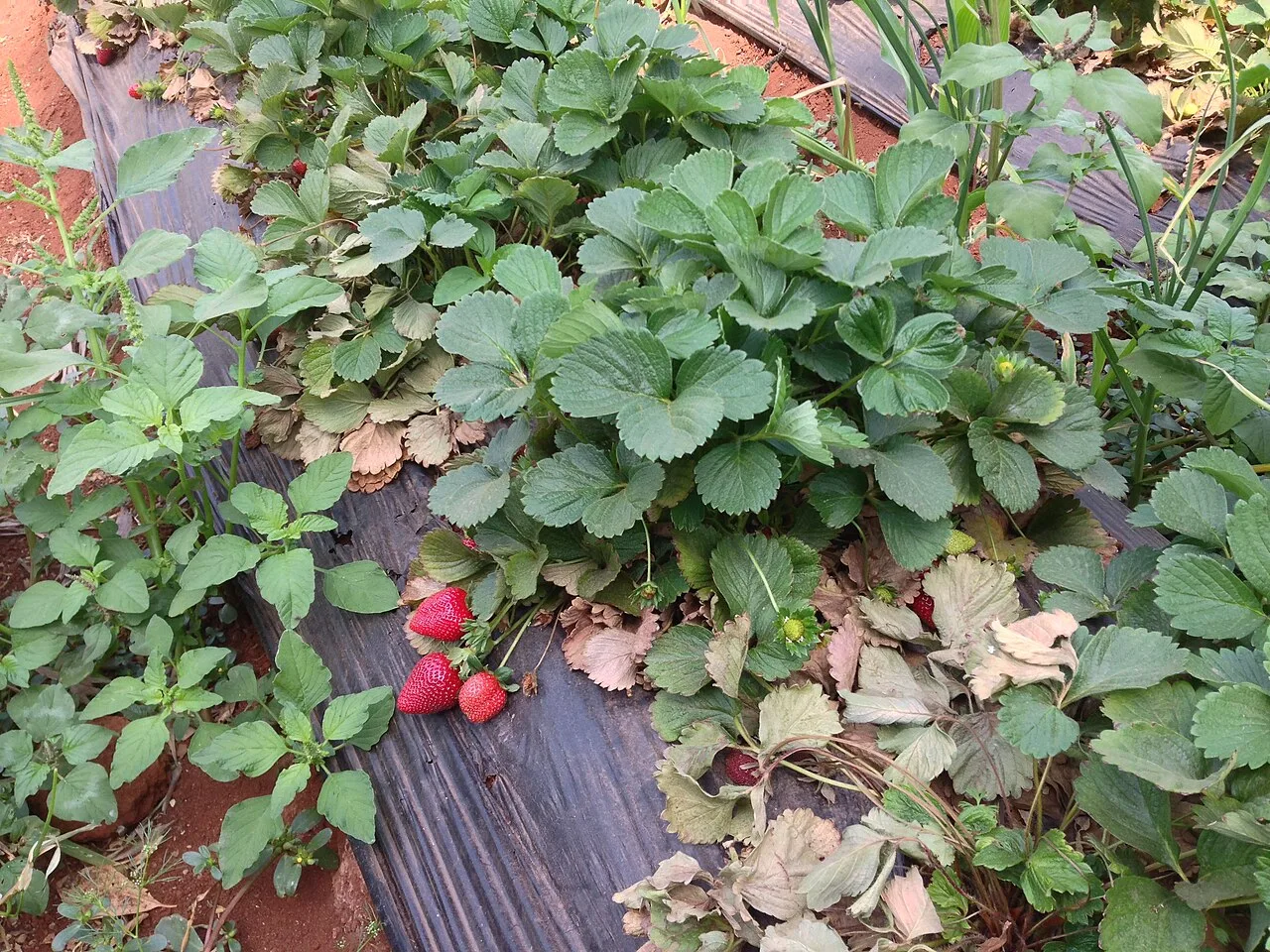
Several regional products have Geographical Indication recognition. These include Paithani sarees, Warli painting, Sawantwadi toys, Solapur chaddars and terry towels, Kolhapuri chappals, Nagpur oranges, Mahabaleshwar strawberries and Alphonso mangoes from the Konkan, including areas around Ratnagiri and Devgad. Local markets and producer cooperatives can be good places to learn how an item is made, but quality and provenance vary. Ask sellers about materials, workmanship and origin, and look for reliable labelling when buying products sold as GI-tagged. Buying directly from a maker or a reputable craft outlet can help sustain local skills.

Getting there & getting around

Chhatrapati Shivaji Maharaj International Airport in Mumbai is the state’s main international gateway; Pune and Nagpur are important air hubs for other regions. Flights also serve airports including Nashik, Kolhapur, Shirdi, Nanded and Chhatrapati Sambhajinagar, though routes and service levels can change. Check current airline information when planning. Rail access is extensive: Mumbai’s major stations include Chhatrapati Shivaji Maharaj Terminus, Dadar and Lokmanya Tilak Terminus, while Pune, Nagpur, Manmad, Bhusaval and Solapur are important junctions for inland journeys. Rail connections and station locations differ, so confirm the best arrival point for your destination.

Road travel links the state’s cities and regions through national highways including NH 48, which connects Mumbai and Pune with the south; NH 66 along the Konkan coast; NH 53 across the interior towards Nagpur; and NH 44 through Nagpur. The Mumbai–Nagpur Samruddhi Mahamarg offers a major expressway connection across the state. State Transport buses, private coaches, suburban trains in the Mumbai region, taxis and app-based cabs provide options for onward travel, with availability varying outside major centres. Local buses and auto-rickshaws are useful in towns and cities. For hill forts, beaches and wildlife reserves, a car or locally arranged vehicle may be more practical, but allow extra time on narrow roads and during the monsoon.

When to go & travel tips

For Mumbai and the Konkan coast, November to February is generally comfortable for sightseeing and beach visits; coastal areas are very wet during the southwest monsoon. The Sahyadris are especially green after the rains, but monsoon trekking and ghat-road travel need caution. Winter is often pleasant for Ajanta, Ellora and inland cities, while wildlife viewing in Vidarbha is commonly planned in the cooler, drier months; check each reserve’s current season and booking guidance. Summer heat can be intense on the plateau, so schedule outdoor visits for earlier or later in the day.

Pack breathable clothing, sun protection and water for hot weather, and a light layer for winter evenings or higher elevations. During the monsoon, bring reliable rainwear and footwear with grip, and check road and trail conditions before setting out. Follow local instructions at temples and other sacred sites, dress respectfully, and ask before photographing worshippers or ceremonies. In forests, use authorised safari arrangements, follow guides’ directions and never feed or approach wildlife. Confirm current access rules and any permit requirements directly with official authorities before visiting protected or restricted areas. Keep valuables secure in crowded places, use caution near rough seas and wet rocks, and leave extra time when travelling between regions.

Highlights

Where to begin

City by city

Cities & hubs of Maharashtra

Every sight is grouped under its city — places within about 12 km together, day trips within 40 km alongside — even across district lines. Open a city to see its attractions.

See every city, town and village of Maharashtra

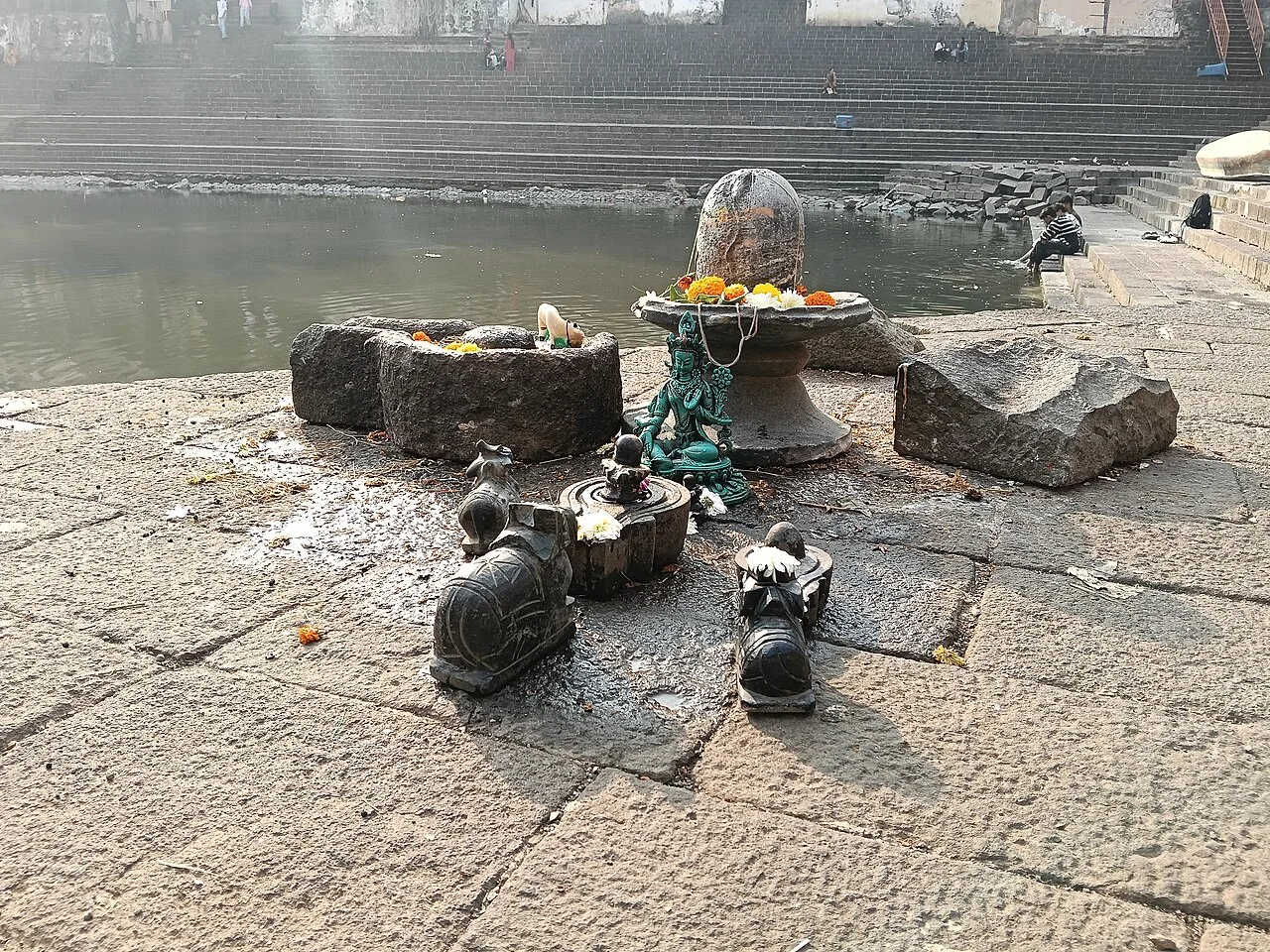
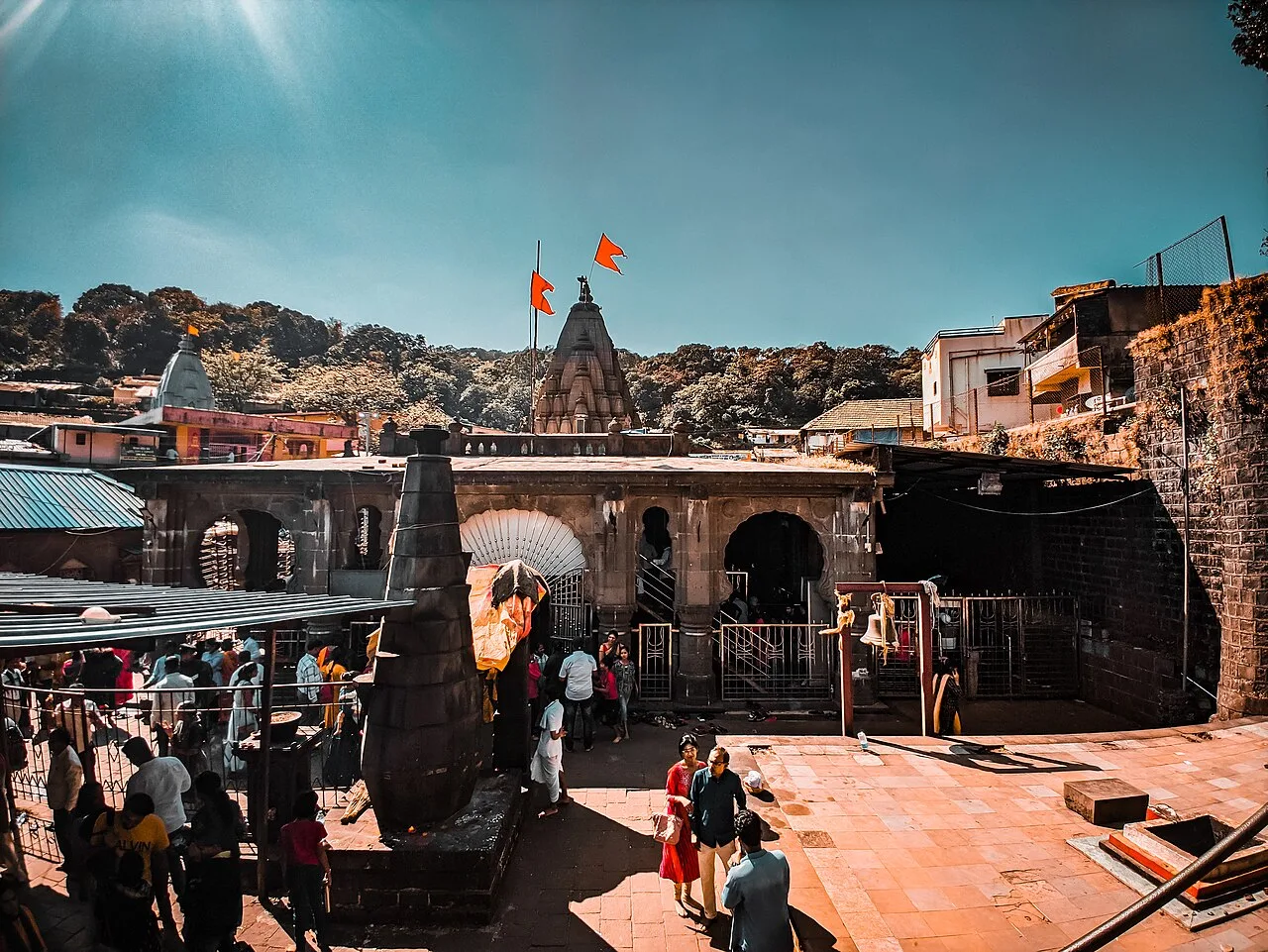
Banganga Tank
Bandra13 places to see

Banganga Tank · Basilica of Our Lady of the Mount · Chhatrapati Shivaji Maharaj Vastu Sangrahalaya · Chhatrapati Shivaji Terminus

Lonavala
Lonavala5 places to see

Bhaja Caves · Karla Caves · Lohagad · Rajmachi

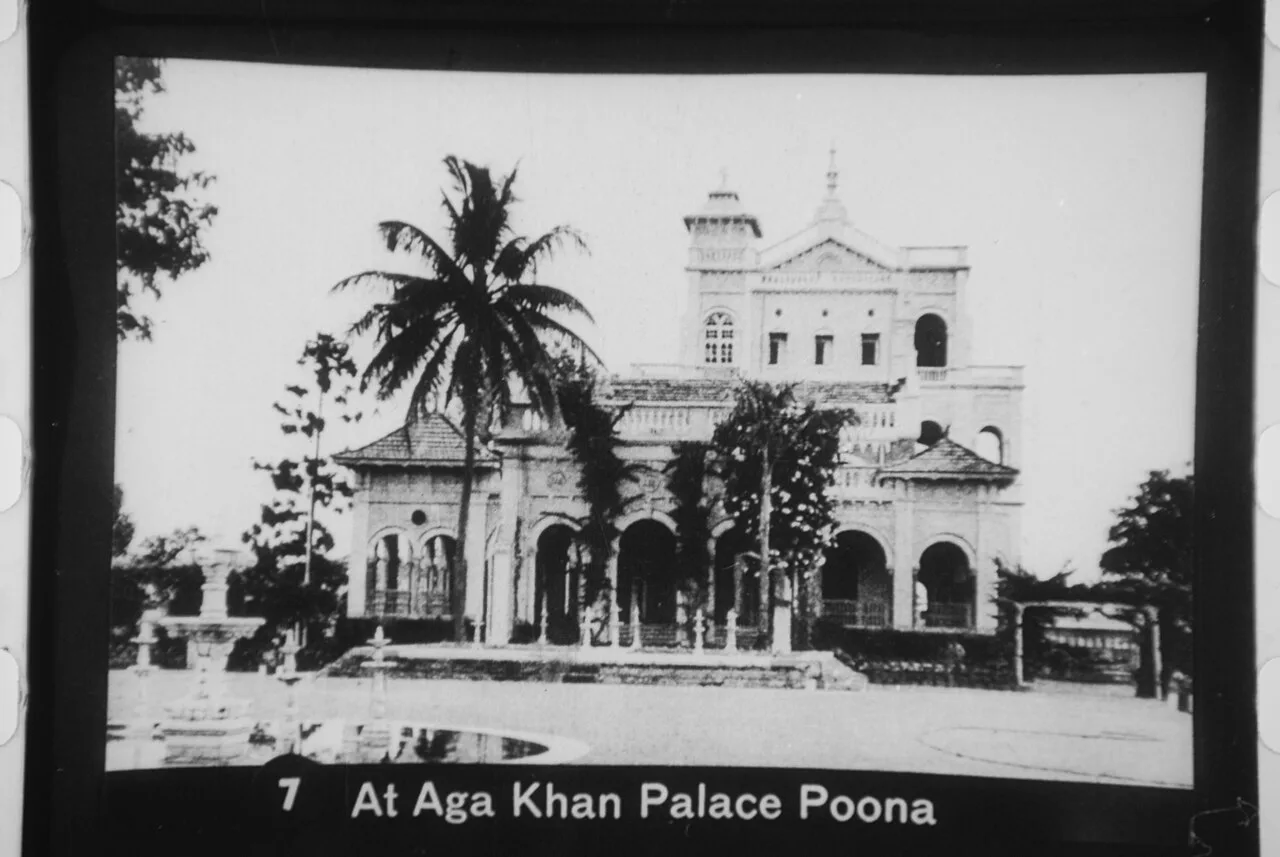
Aga Khan Palace
Pune5 places to see

Aga Khan Palace · Dagadusheth Halwai Ganapati Temple · Raja Dinkar Kelkar Museum · Shaniwar Wada

Aurangabad Caves
Khuldabad4 places to see

Aurangabad Caves · Daulatabad Fort · Ellora Caves · Ghrishneshwar Temple

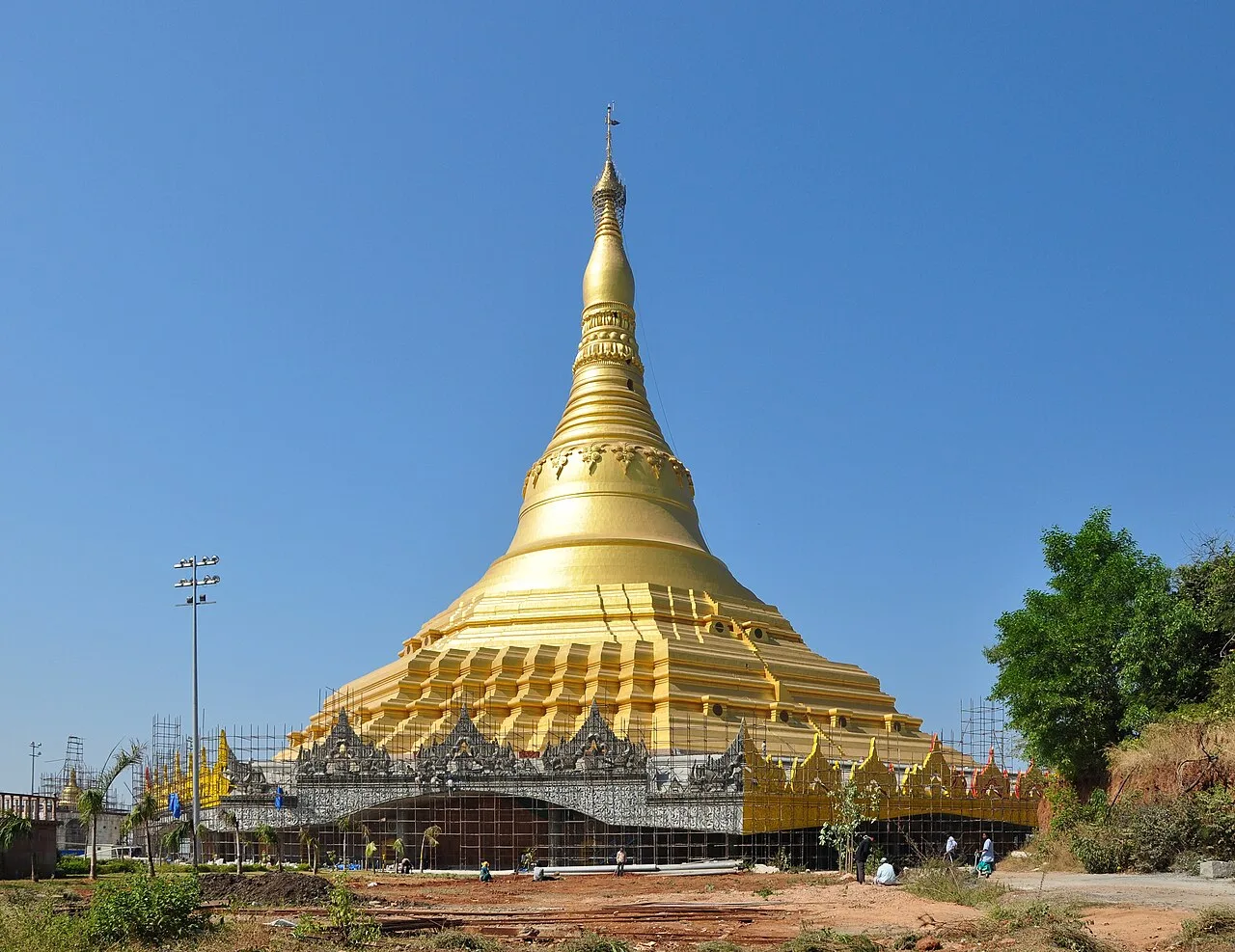
Global Vipassana Pagoda
Thane4 places to see

Global Vipassana Pagoda · Kanheri Caves · Powai Lake · Sanjay Gandhi National Park

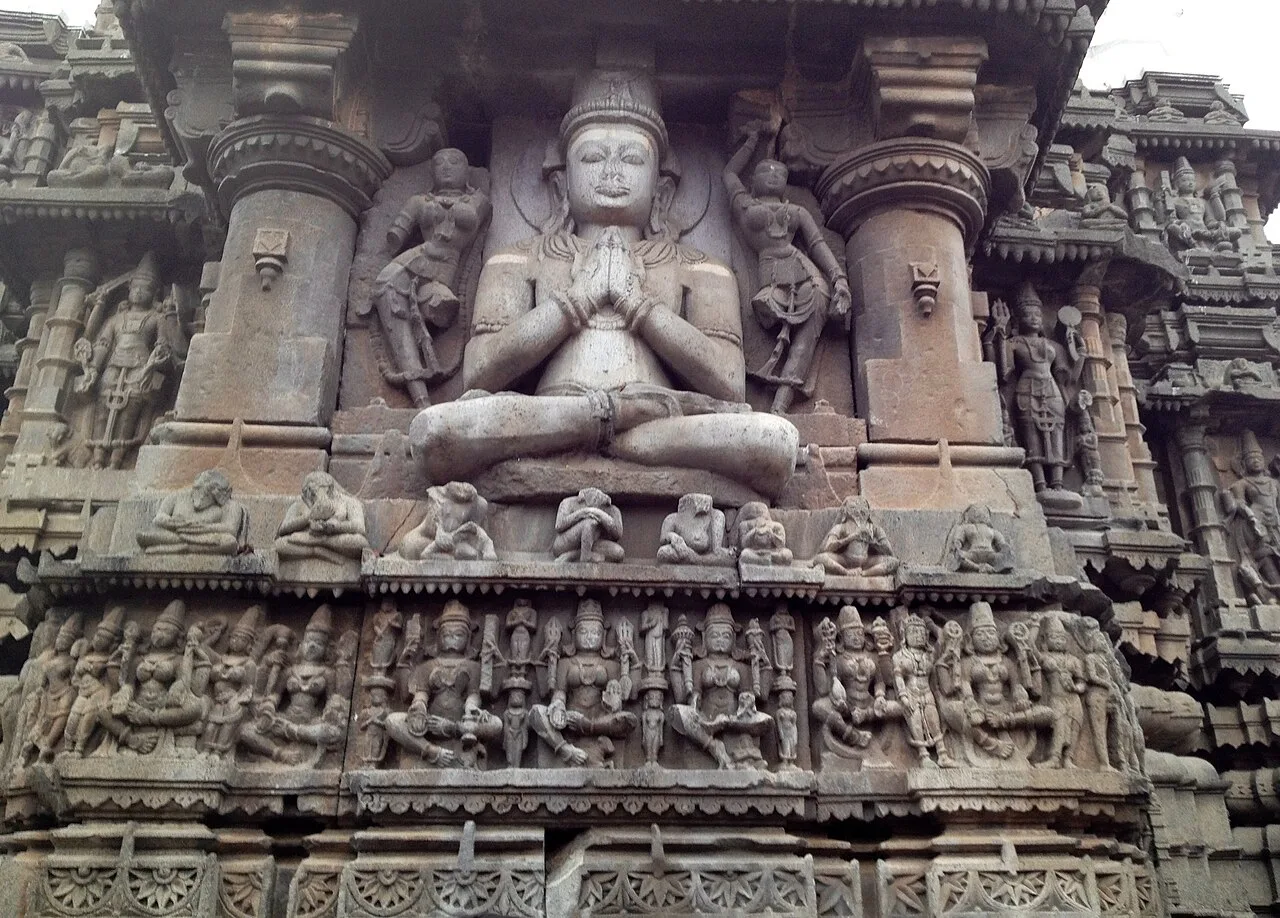
Lenyadri
Junnar3 places to see

Lenyadri · Shivneri Fort · Harishchandragad

Mahabaleshwar
Mahabaleshwar3 places to see

Bhilar (Book Village) · Pratapgad

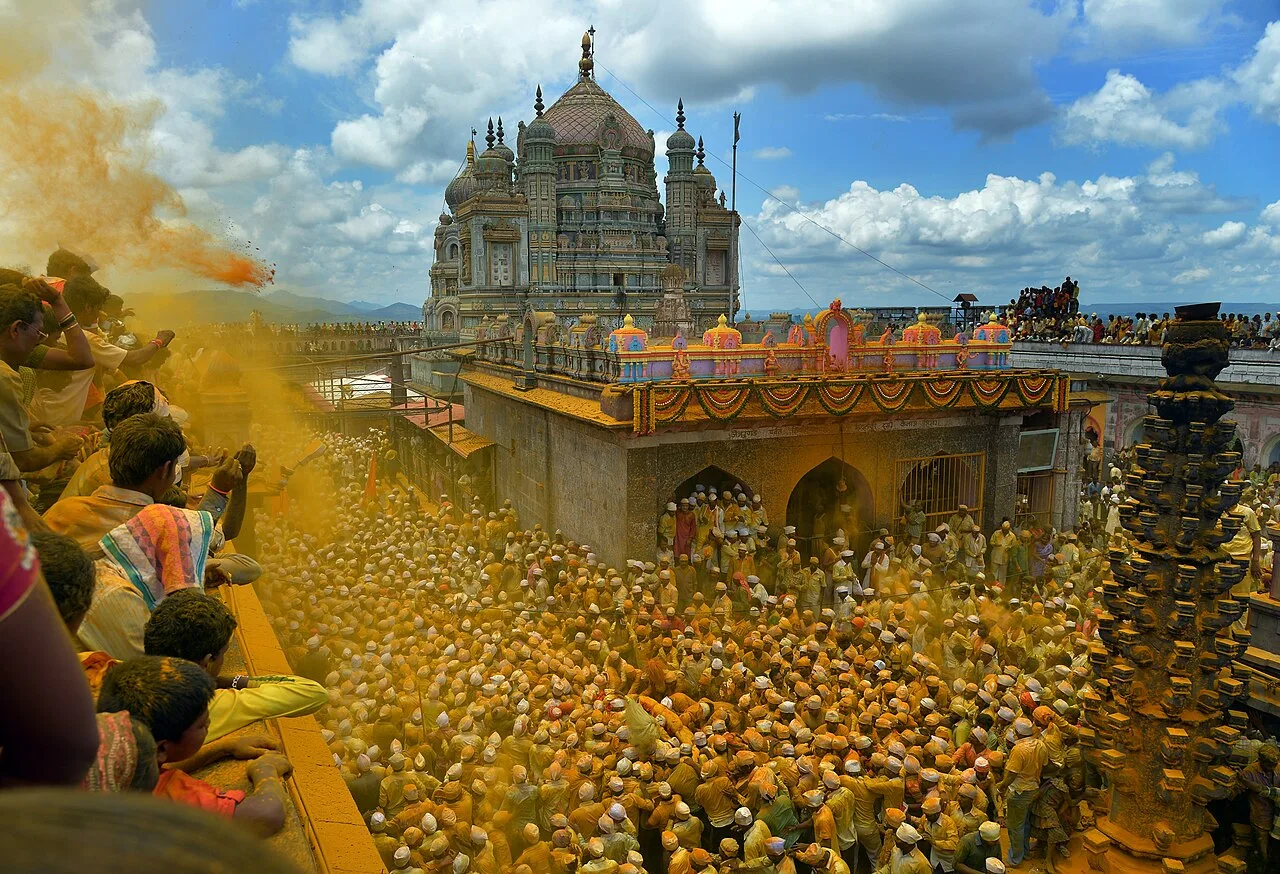
Jyotiba Temple
Kodoli2 places to see

Jyotiba Temple · Panhala Fort

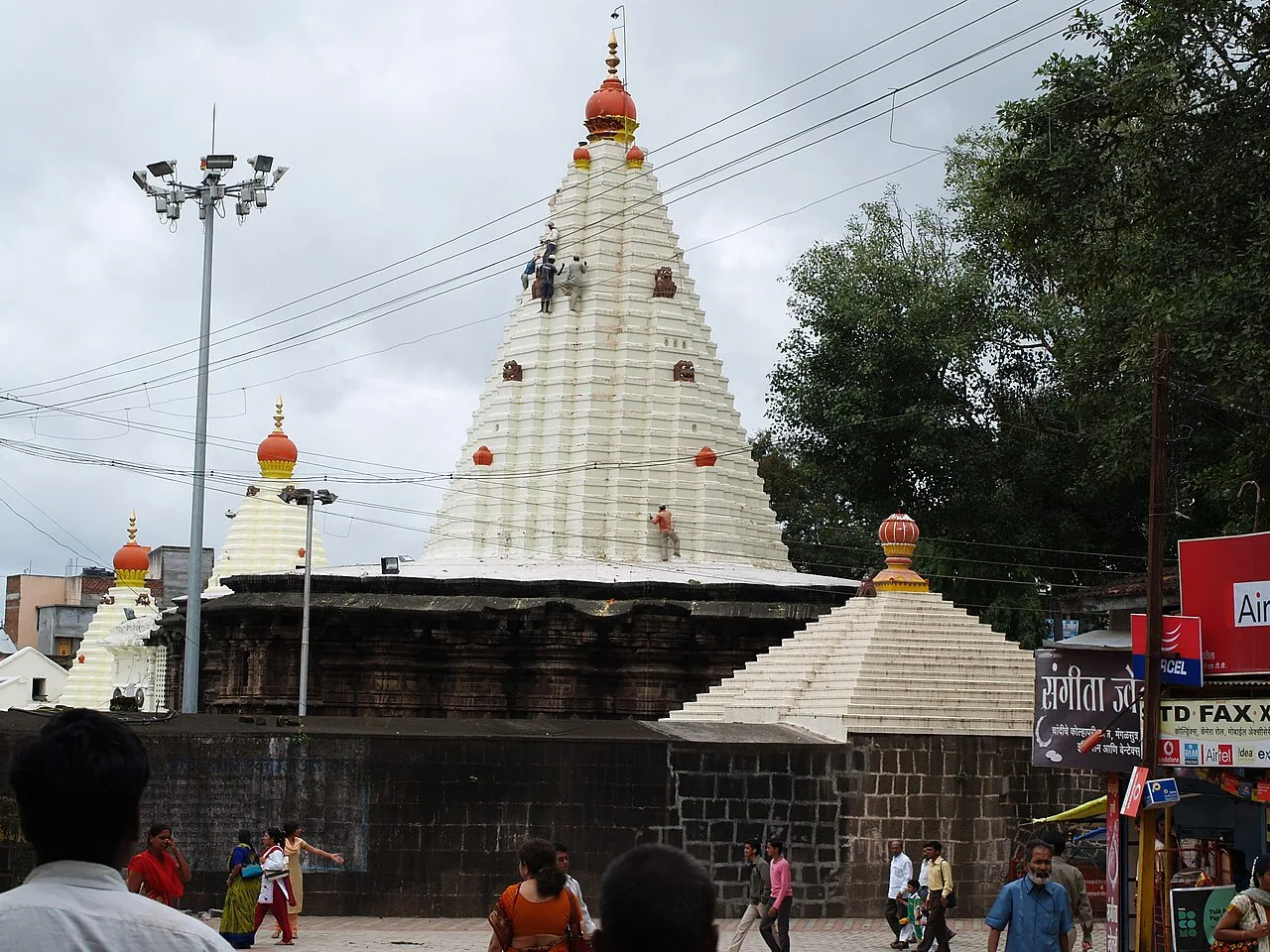
Mahalakshmi Temple, Kolhapur
Kolhapur2 places to see

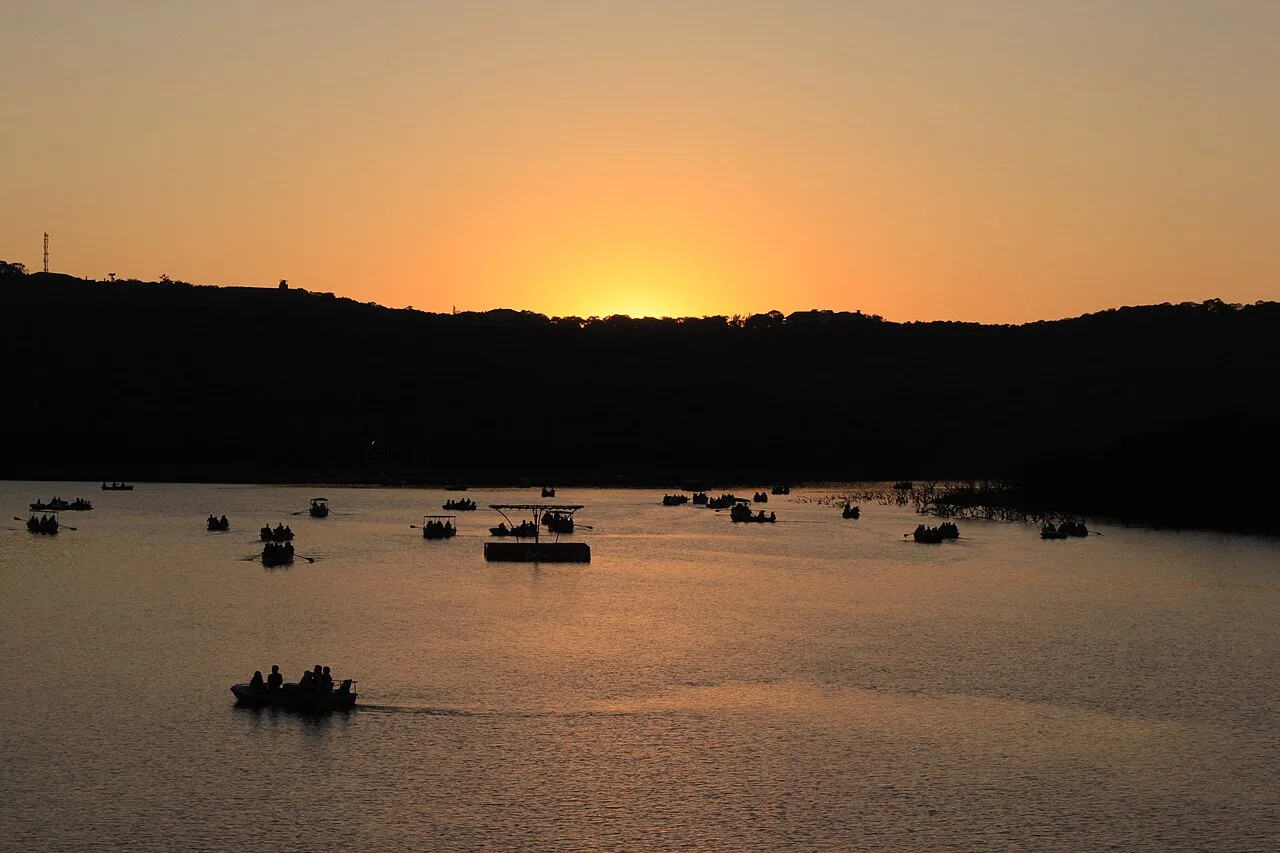
Mahalakshmi Temple, Kolhapur · Rankala Lake

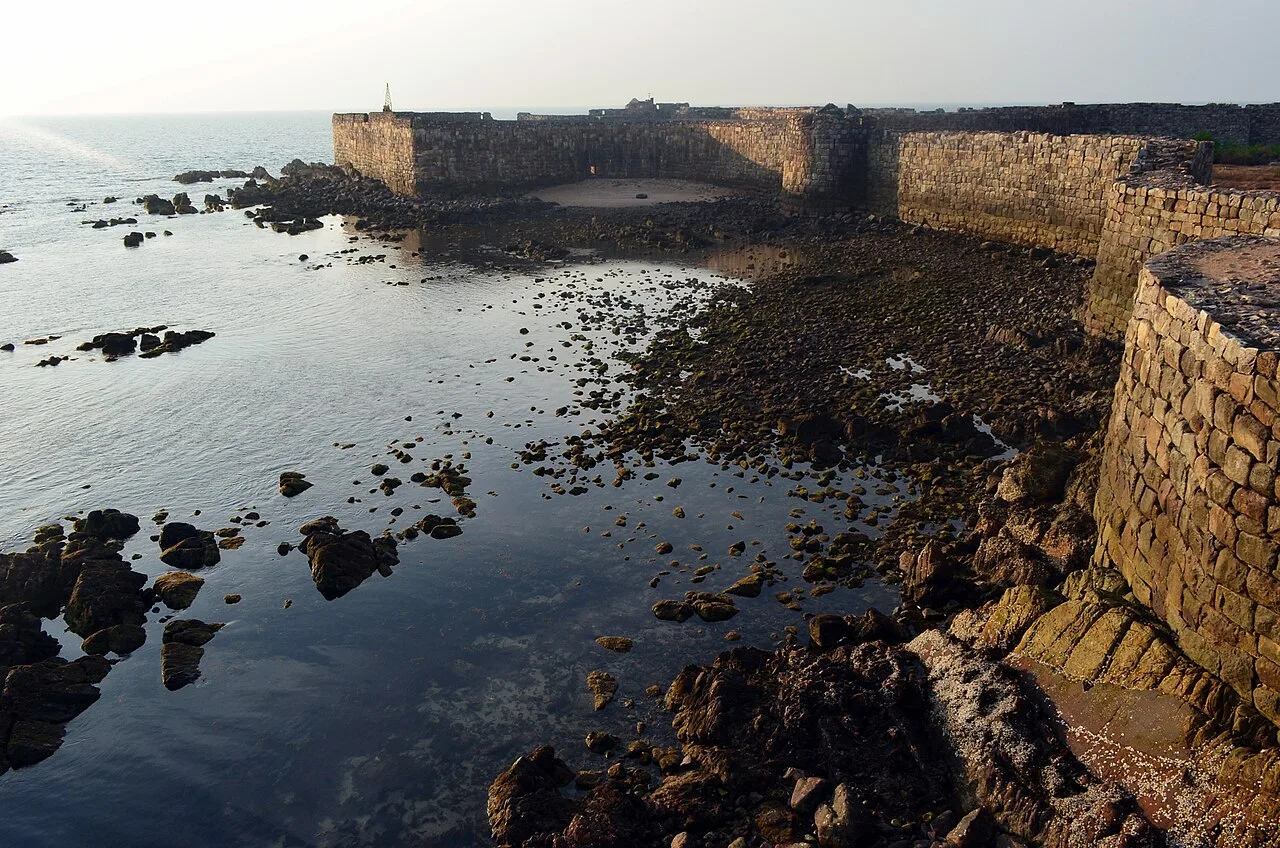
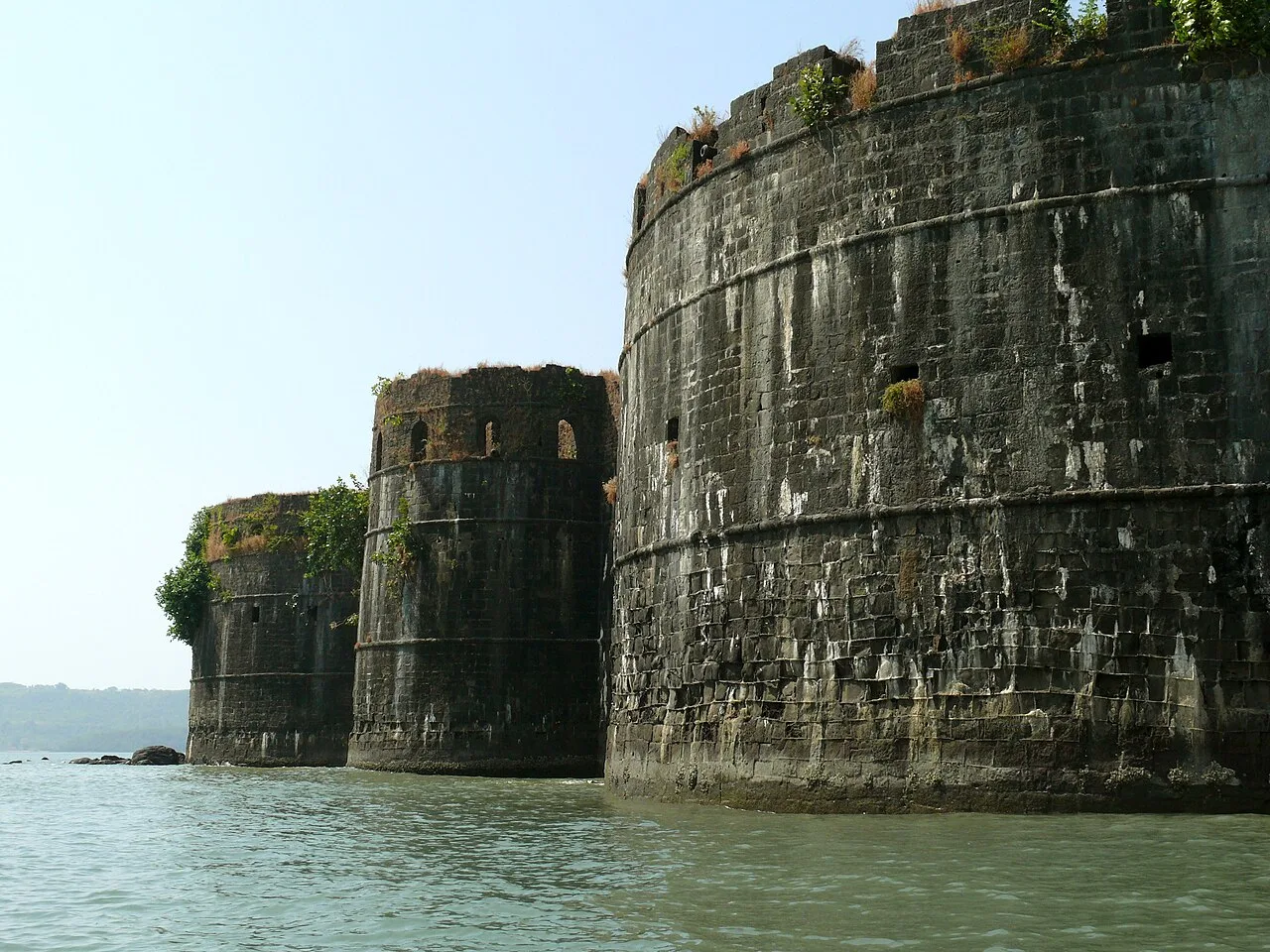
Sindhudurg Fort
Malvan2 places to see

Sindhudurg Fort · Tarkarli

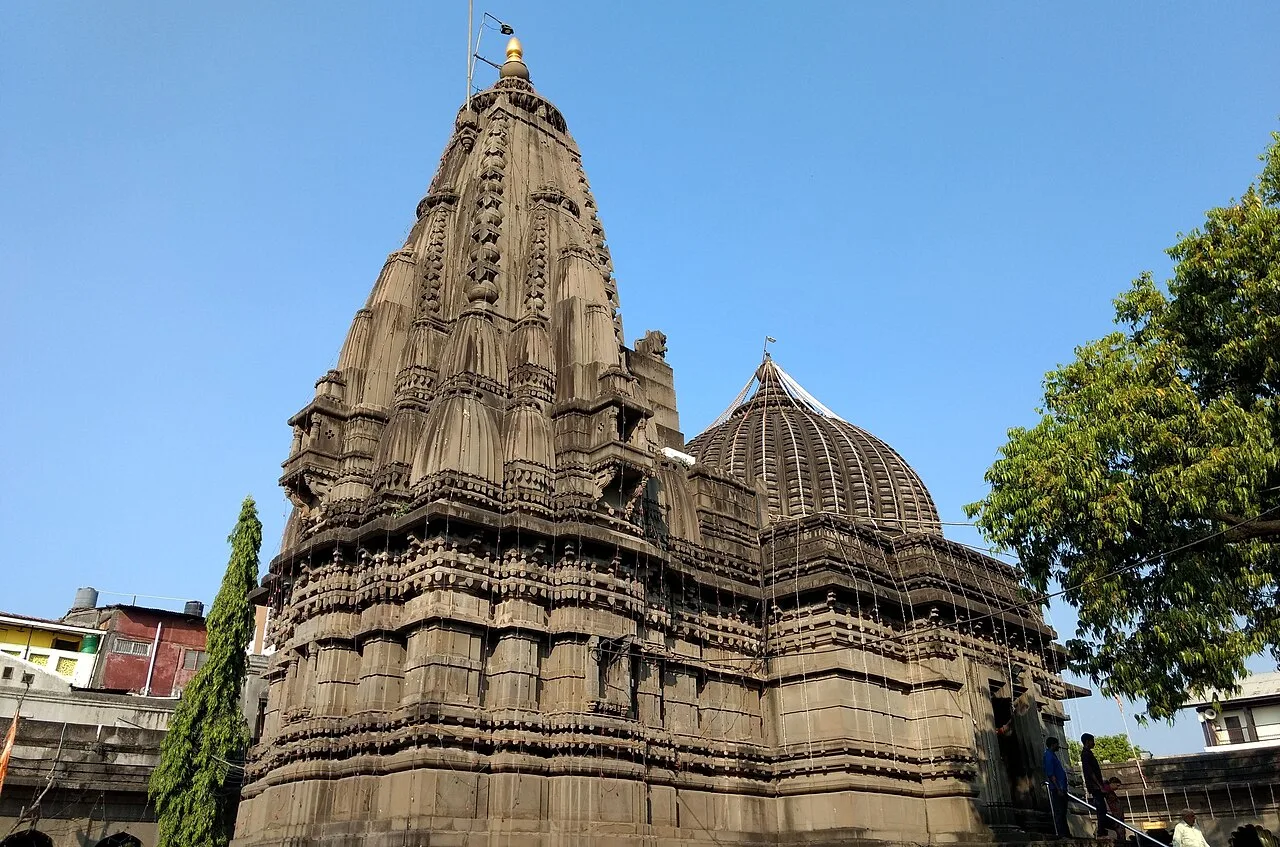
Kalaram Temple
Nashik2 places to see

Kalaram Temple · Pandavleni Caves

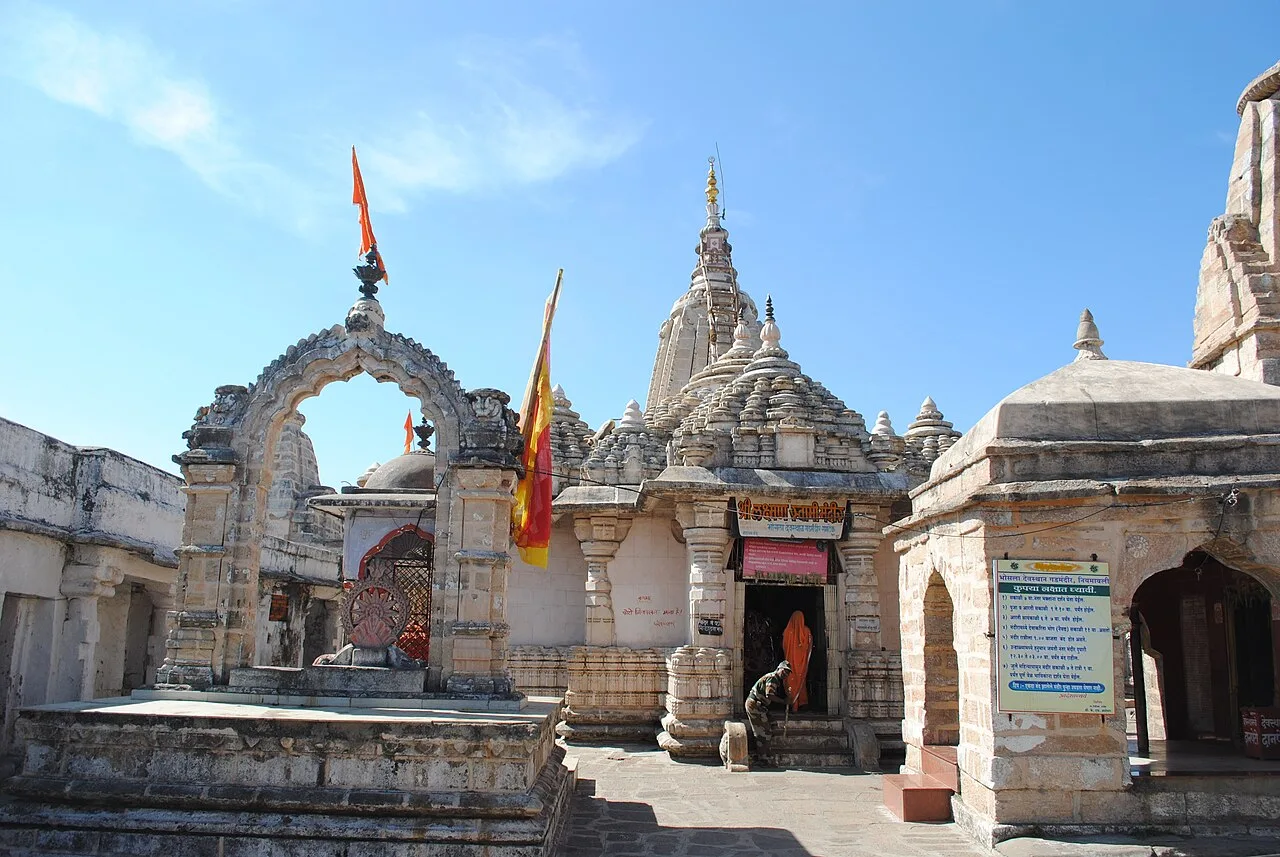
Ramtek Fort Temple
Ramtek2 places to see

Ramtek Fort Temple · Pench Tiger Reserve

Kaas Plateau
Satara2 places to see

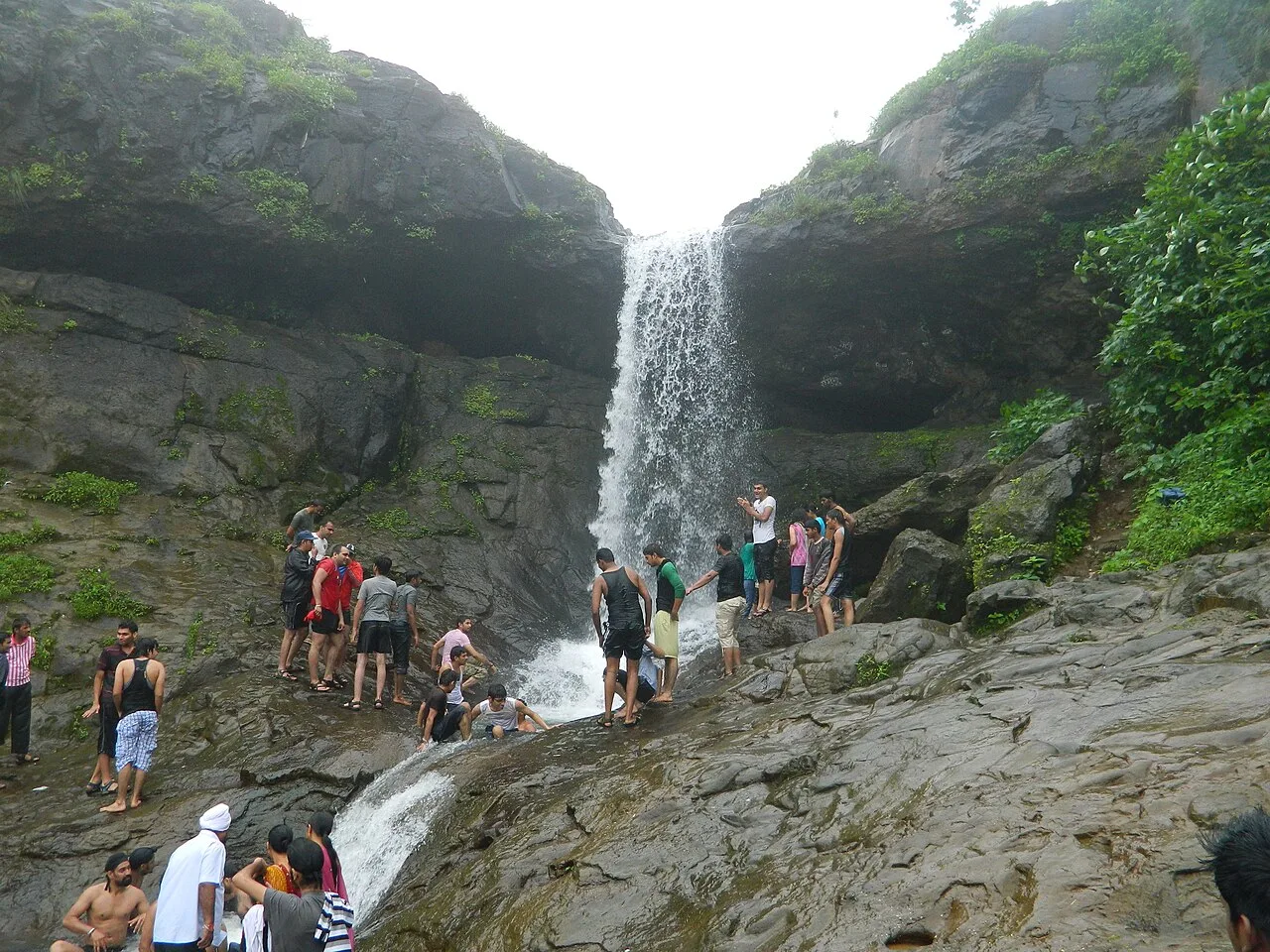
Kaas Plateau · Thoseghar Falls

Ahmednagar Fort
Ahilyanagar1 place to see

Ahmednagar Fort

Alibag
Alibag1 place to see

Sights in and around Alibag

Amboli
Amboli1 place to see

Sights in and around Amboli

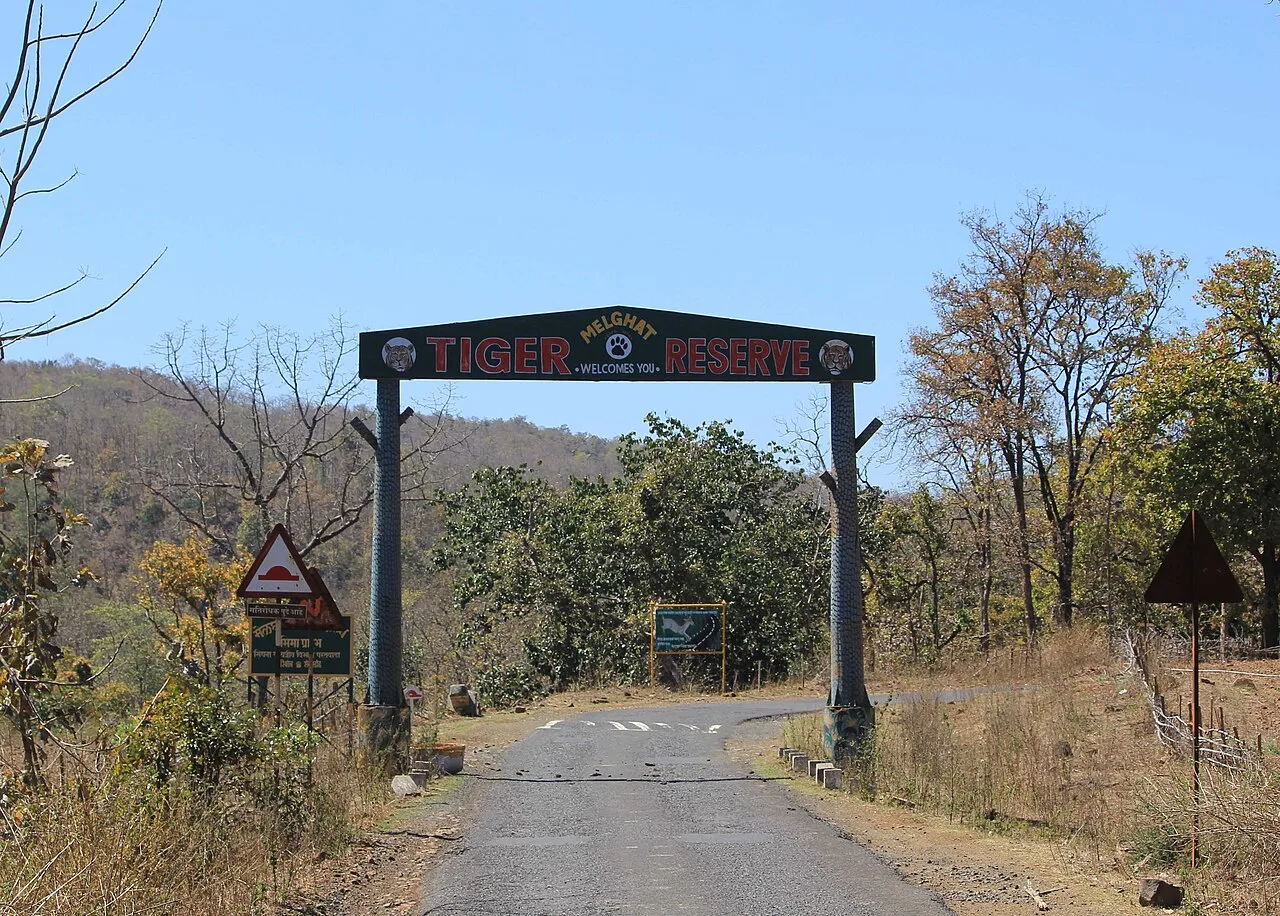
Melghat Tiger Reserve
Anjangaon1 place to see

Melghat Tiger Reserve

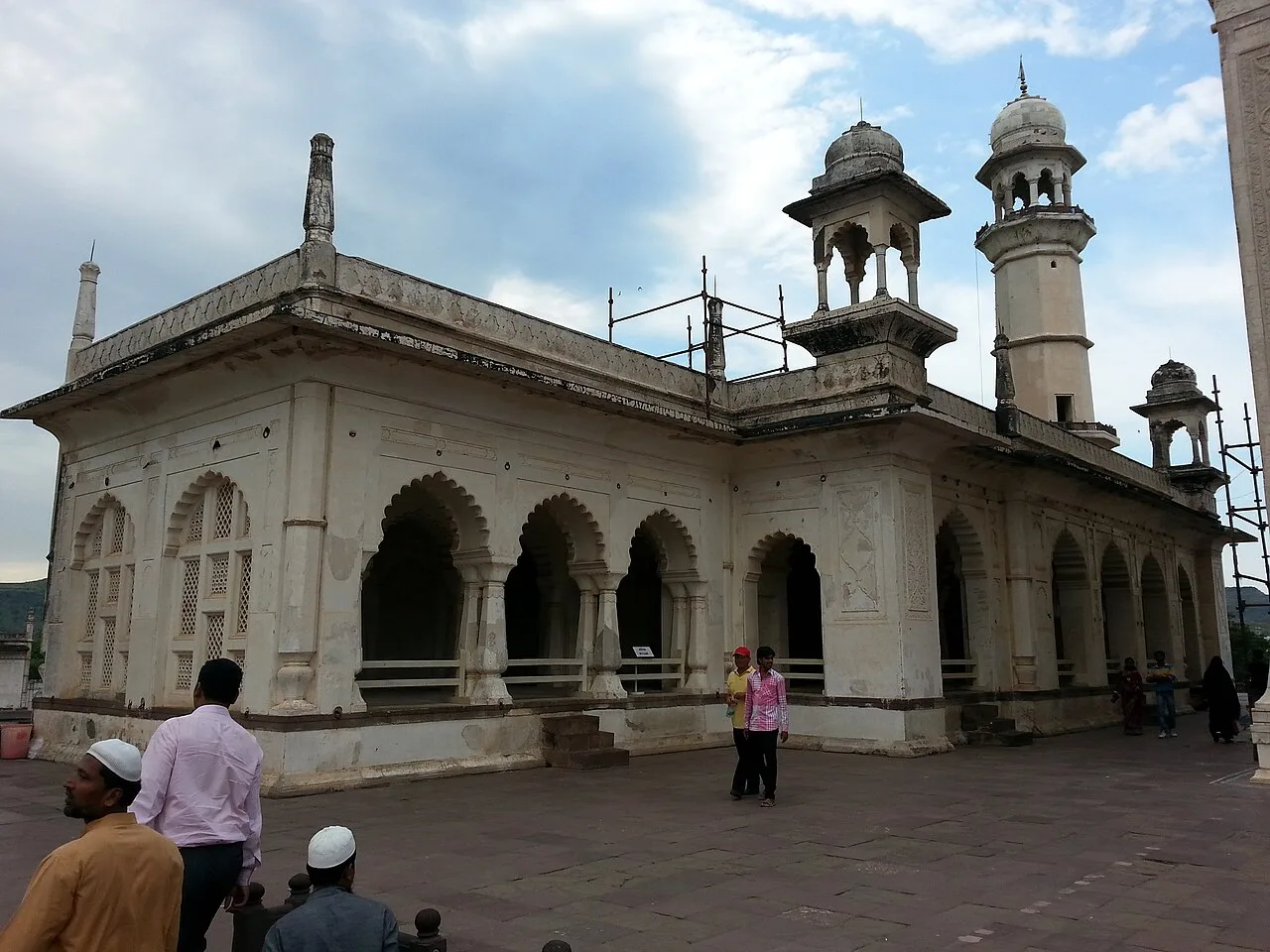
Bibi Ka Maqbara
Aurangabad1 place to see

Bibi Ka Maqbara

Tadoba Andhari Tiger Reserve
Bhadravati1 place to see

Tadoba Andhari Tiger Reserve

Chikhaldara
Chikhaldara1 place to see

Sights in and around Chikhaldara

Ganjad (Warli Village)
Dahanu1 place to see

Ganjad (Warli Village)

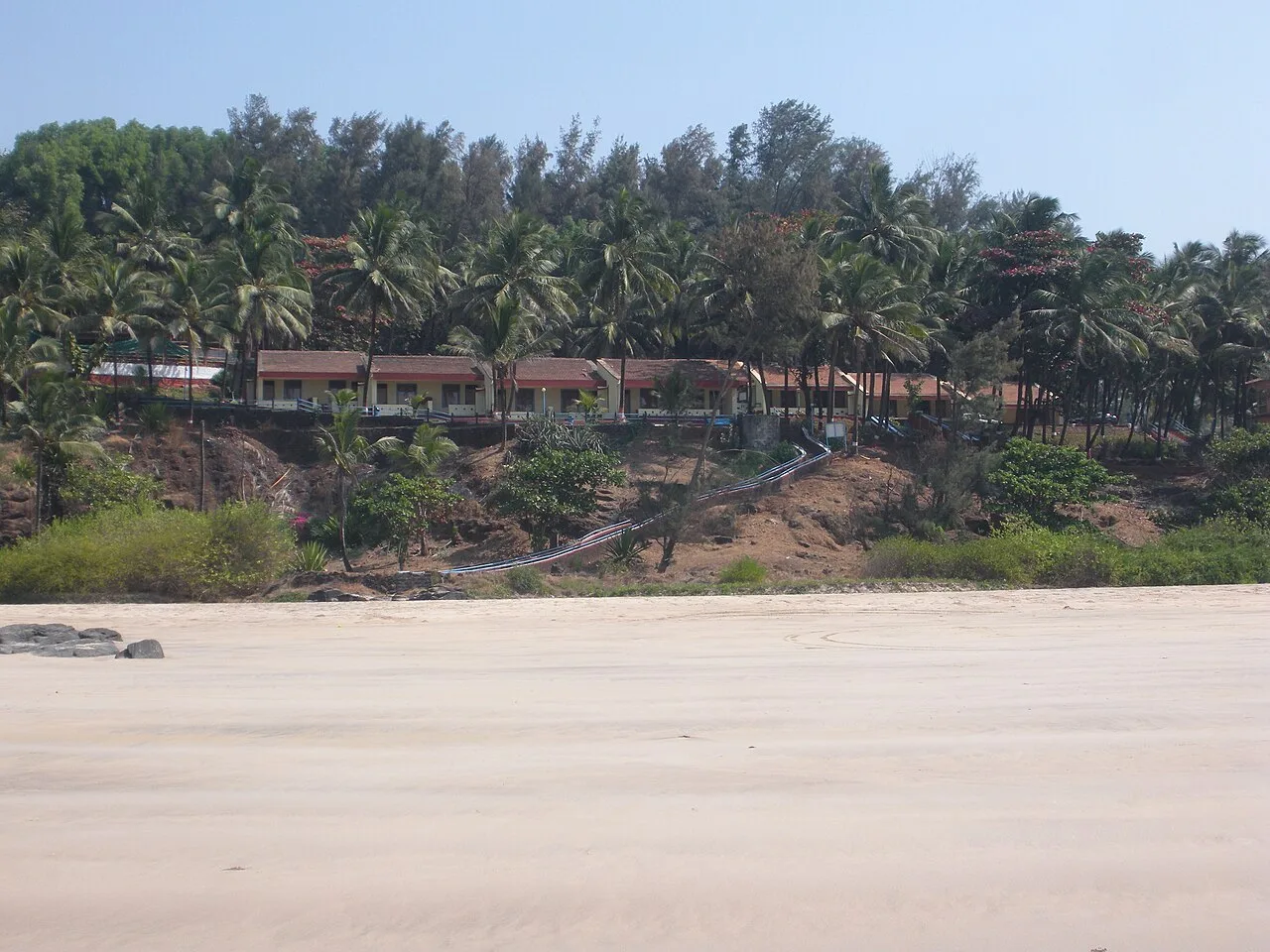
Guhagar
Dapoli1 place to see

Guhagar

Ganpatipule
Ganpatipule1 place to see

Sights in and around Ganpatipule

Aundha Nagnath Temple
Hingoli1 place to see

Aundha Nagnath Temple

Bhandardara
Igatpuri1 place to see

Bhandardara

Jejuri
Jejuri1 place to see

Sights in and around Jejuri

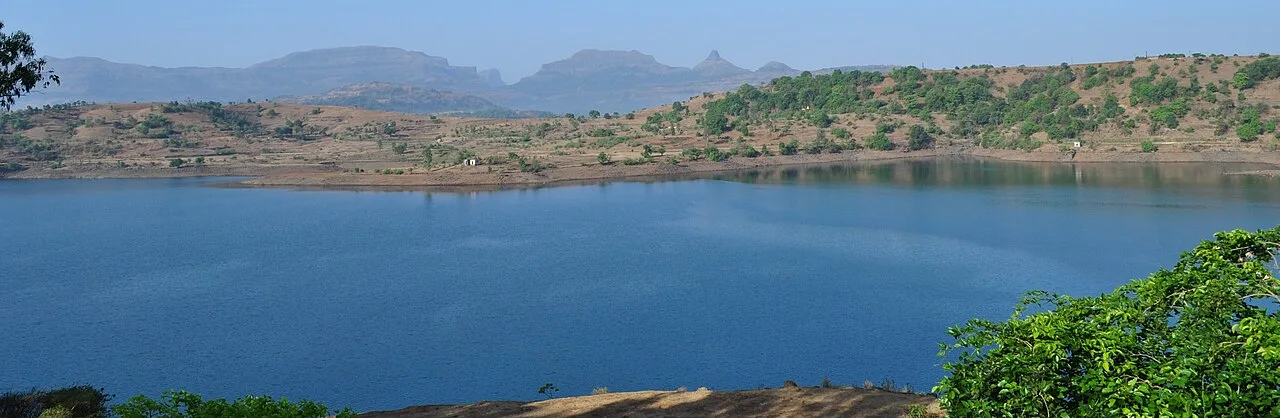
Lonar Lake
Lonar1 place to see

Lonar Lake

Raigad Fort
Mahad1 place to see

Raigad Fort

Matheran
Matheran1 place to see

Sights in and around Matheran

Juhu Beach
Mumbai1 place to see

Juhu Beach

Bhimashankar Temple
Murbad1 place to see

Bhimashankar Temple

Murud-Janjira
Murud1 place to see

Murud-Janjira

Nagapur1 place to see

Hiware Bazar

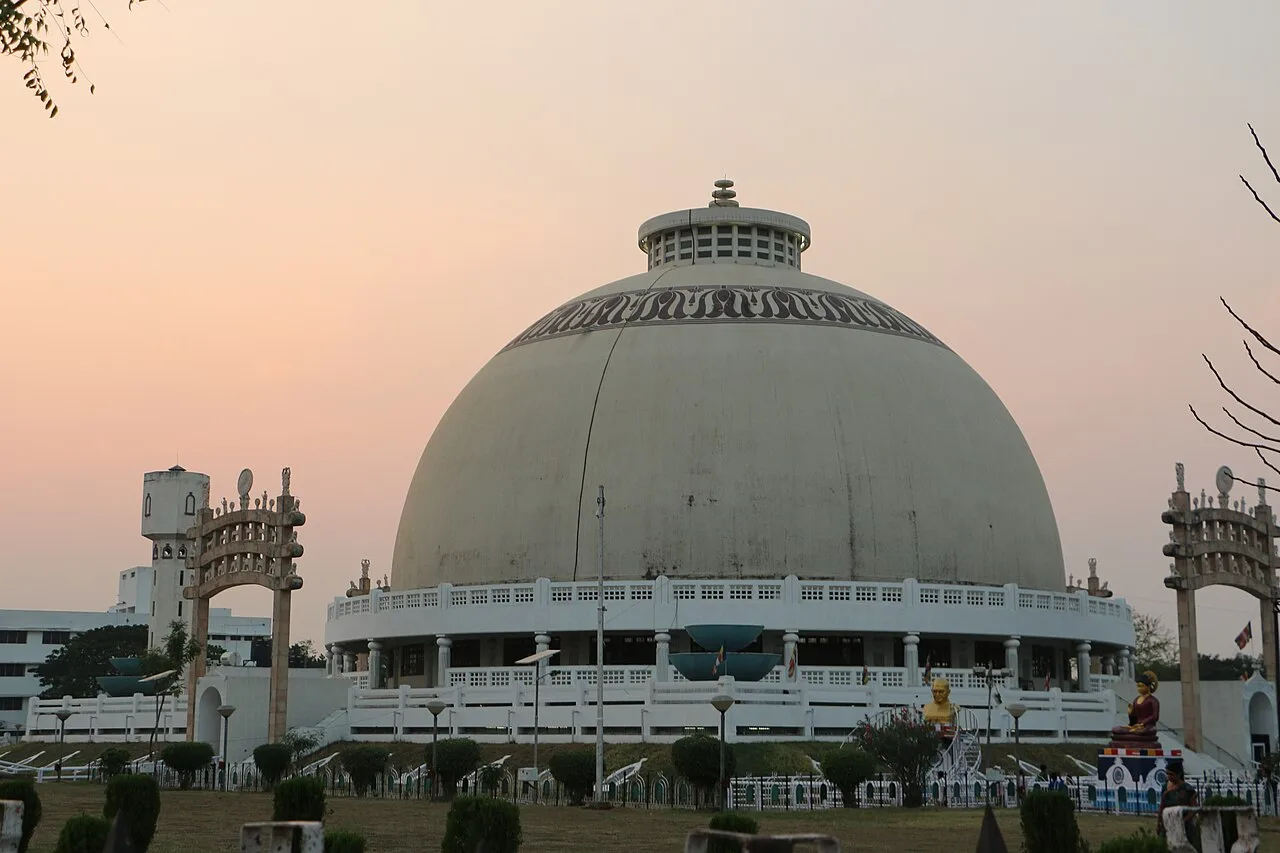
Deekshabhoomi
Nagpur1 place to see

Deekshabhoomi

Hazur Sahib
Nanded1 place to see

Hazur Sahib

Saptashrungi
Ozar1 place to see

Saptashrungi

Panchgani
Panchgani1 place to see

Sights in and around Panchgani

Vithoba Temple
Pandharpur1 place to see

Vithoba Temple

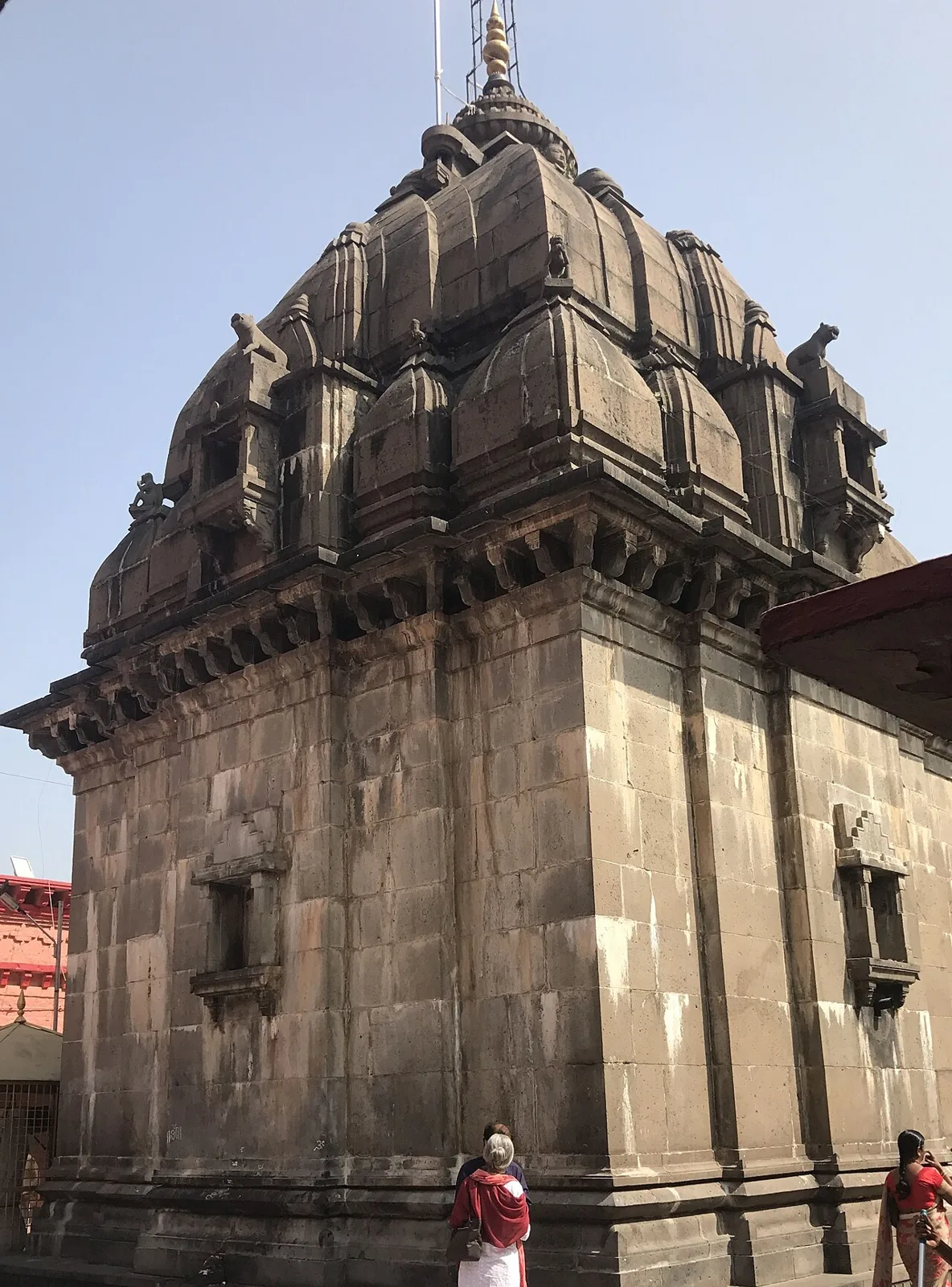
Shri Vaijnath Temple
Parli1 place to see

Shri Vaijnath Temple

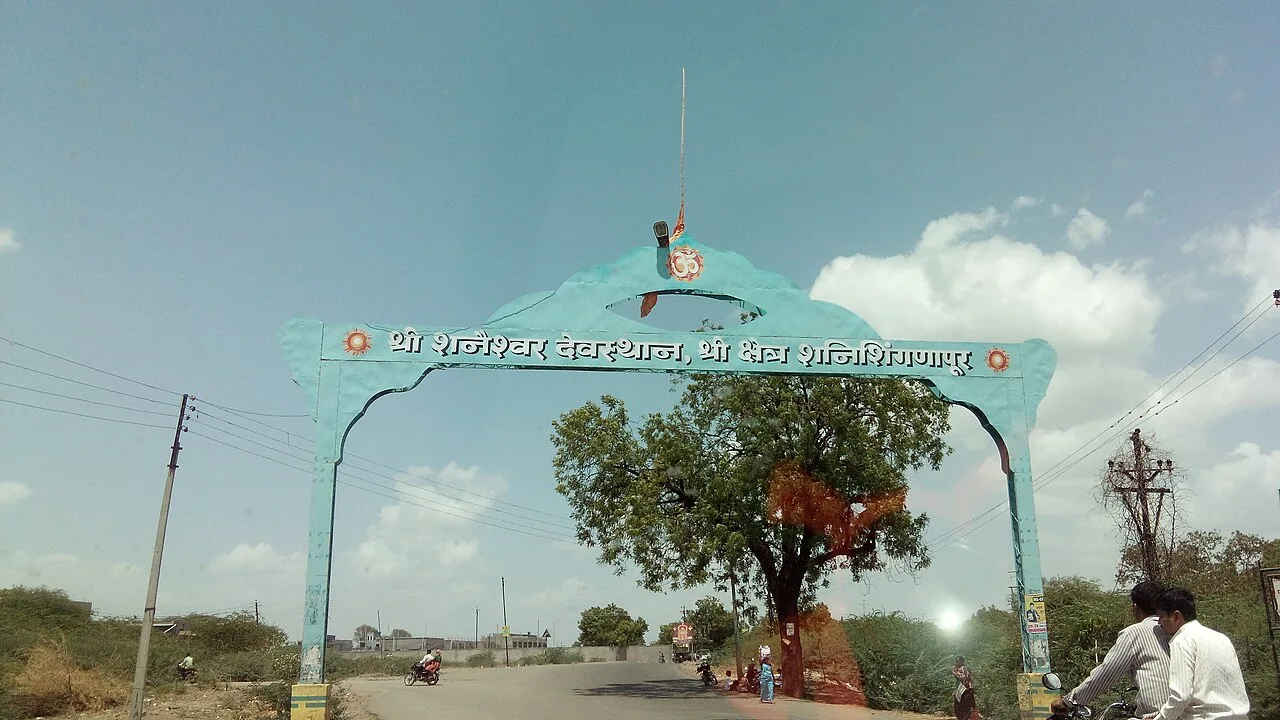
Shani Shingnapur
Rahuri1 place to see

Shani Shingnapur

Vijaydurg Fort
Rajapur1 place to see

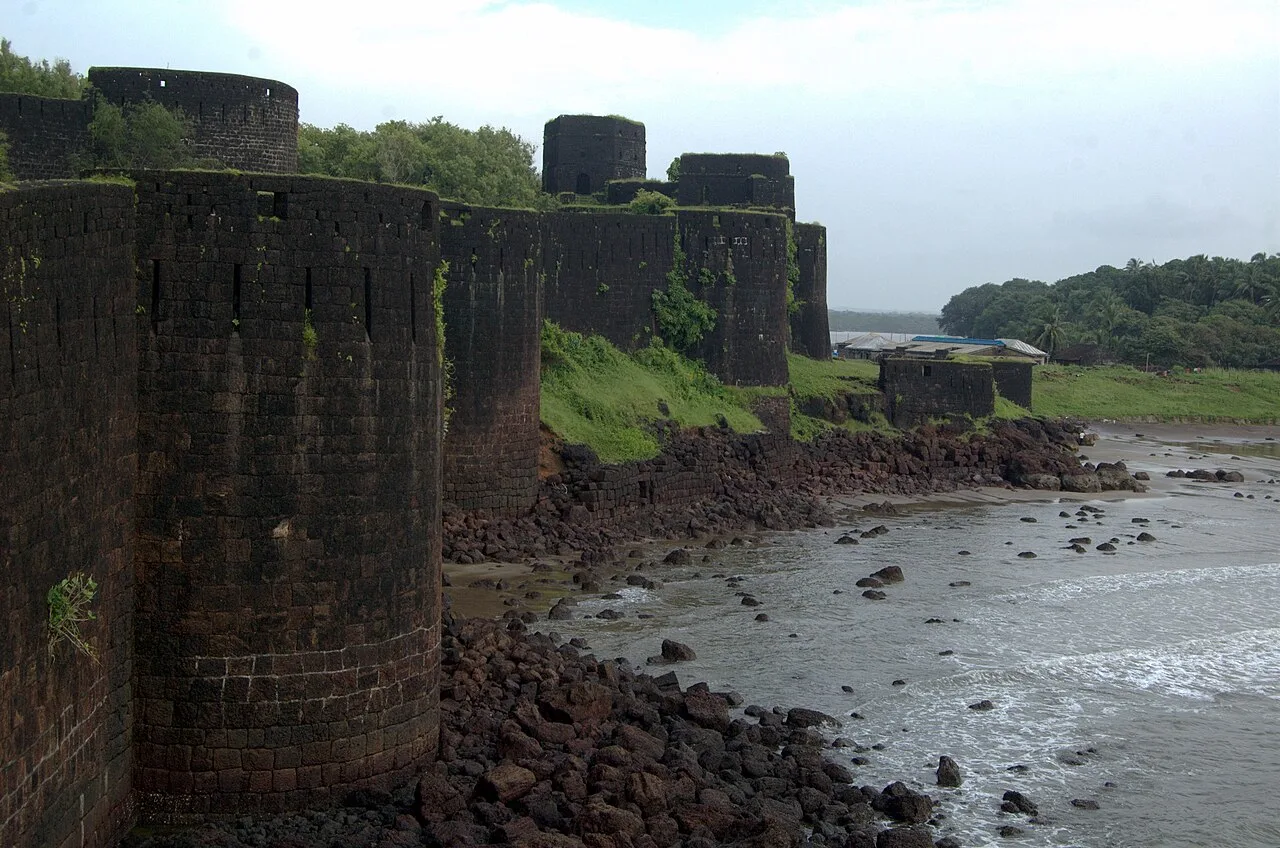
Vijaydurg Fort

Ratnagiri Fort
Ratnagiri1 place to see

Ratnagiri Fort

Kashid
Revdanda1 place to see

Kashid

Navegaon National Park
Sakoli1 place to see

Navegaon National Park

Shirdi Sai Baba Temple
Shirdi1 place to see

Shirdi Sai Baba Temple

Shirur1 place to see

Ralegan Siddhi

Velas
Shrivardhan1 place to see

Velas

Ajanta Caves
Soegaon1 place to see

Ajanta Caves

Trimbakeshwar Temple
Trimbakeshwar1 place to see

Trimbakeshwar Temple

Tulja Bhavani Temple
Tuljapur1 place to see

Tulja Bhavani Temple

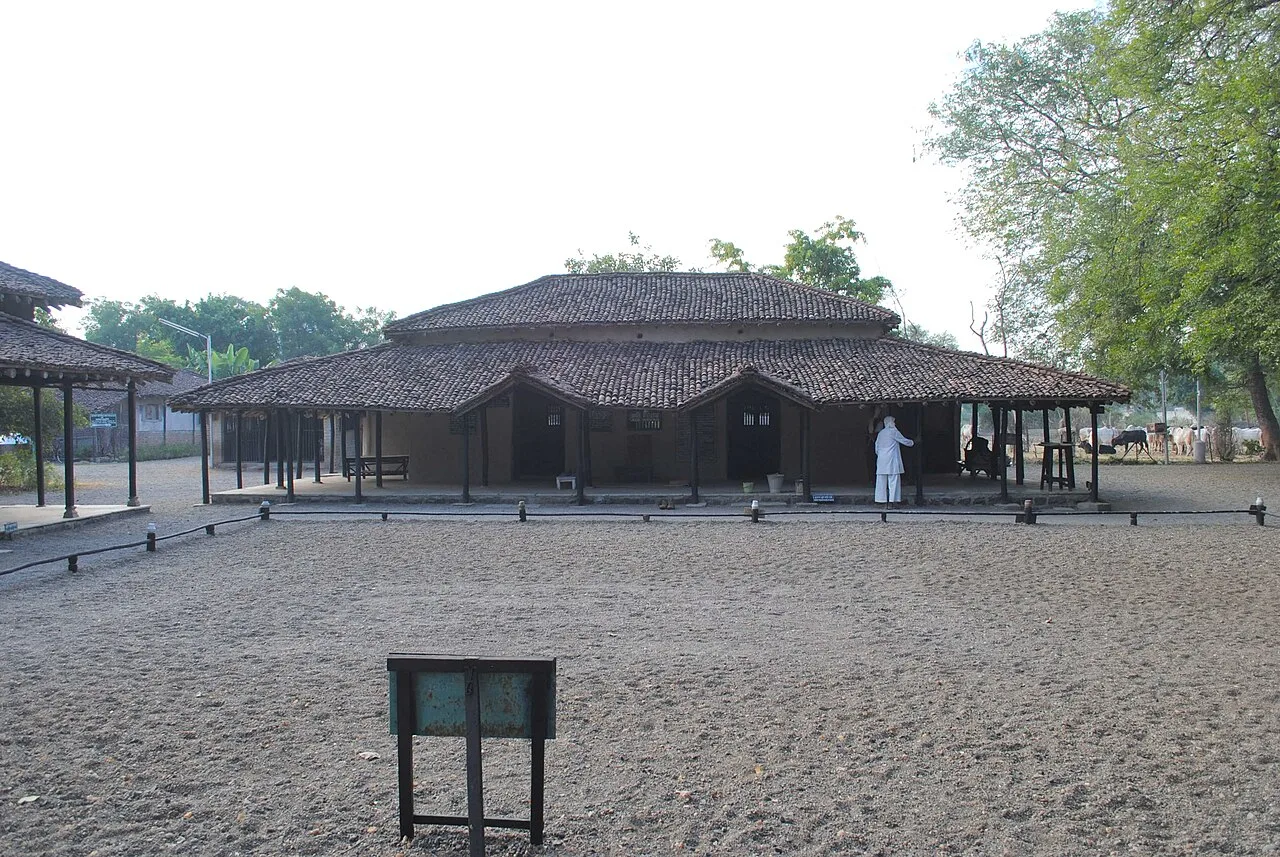
Sevagram Ashram
Wardha1 place to see

Sevagram Ashram

More cities of Maharashtra

District discovery

Maharashtra: 23 districts covered

Open a district to see its destinations and neighbours. More districts are added as our team writes them.

23 of 23 districts have destination guides

Destinations

Every guide in this state

Open a district to see its cities and towns, villages and places to see.

Ahilyanagar7 places
Amravati2 places

Cities & towns

Beed1 place
Buldhana1 place

Places to see

Chandrapur1 place
Chhatrapati Sambhajinagar6 places
Dharashiv1 place
Gondia1 place
Hingoli1 place
Kolhapur4 places
Mumbai City11 places
Mumbai Suburban6 places
Nagpur3 places
Nanded1 place

Places to see

Nashik4 places
Palghar1 place
Pune14 places
Raigad6 places
Ratnagiri4 places
Satara6 places
Sindhudurg4 places
Solapur1 place

Places to see

Wardha1 place

Festivals & fairs

The calendar here

Full calendar

4 Sept 2027 – 14 Sept 2027

Ganeshotsav

Mumbai and Pune · Religious

Ten days of public pandals and processions.

ProvisionalMaharashtra

Festivals of Maharashtra through the year

Usual season and where each is best known. Exact dates follow local calendars — linked festivals have dated guides.

  • Ganesh ChaturthiAugust–SeptemberMumbai, Pune and statewide.
  • Gudi PadwaMarch–AprilMarathi new year.
  • Pandharpur WariJune–July, Ashadhi EkadashiSolapur district; pilgrims walk from Alandi and Dehu.
  • Dahi Handi (Janmashtami)Mumbai and Thane.
  • Nag Panchami, Battis ShiralaJuly–AugustSangli district.
  • Dhammachakra Pravartan DinOctoberNagpur.
  • Kala Ghoda Arts FestivalFebruaryMumbai.
  • Banganga FestivalJanuaryMumbai.
  • Shivaji Jayanti19 FebruaryStatewide.
  • Ajanta-Ellora FestivalwinterChhatrapati Sambhajinagar.
  • Ram NavamiShirdi, Ahilyanagar district.
From travellers and locals

Be the first to share photos, stories, advice or a helpful contact for Maharashtra.

Loading…