
Ghumoopedia — Explore, Discover, Experience
Sign in
Panchgani, near Panchgani

City guide · Maharashtra

Panchgani

Panchgani, also known as Paachgani, is a hill station in Maharashtra’s Satara district with municipal-council status. Visitors come throughout the year, and its many convent boarding schools are also well known.

Famous for

  • Panchgani Table Land
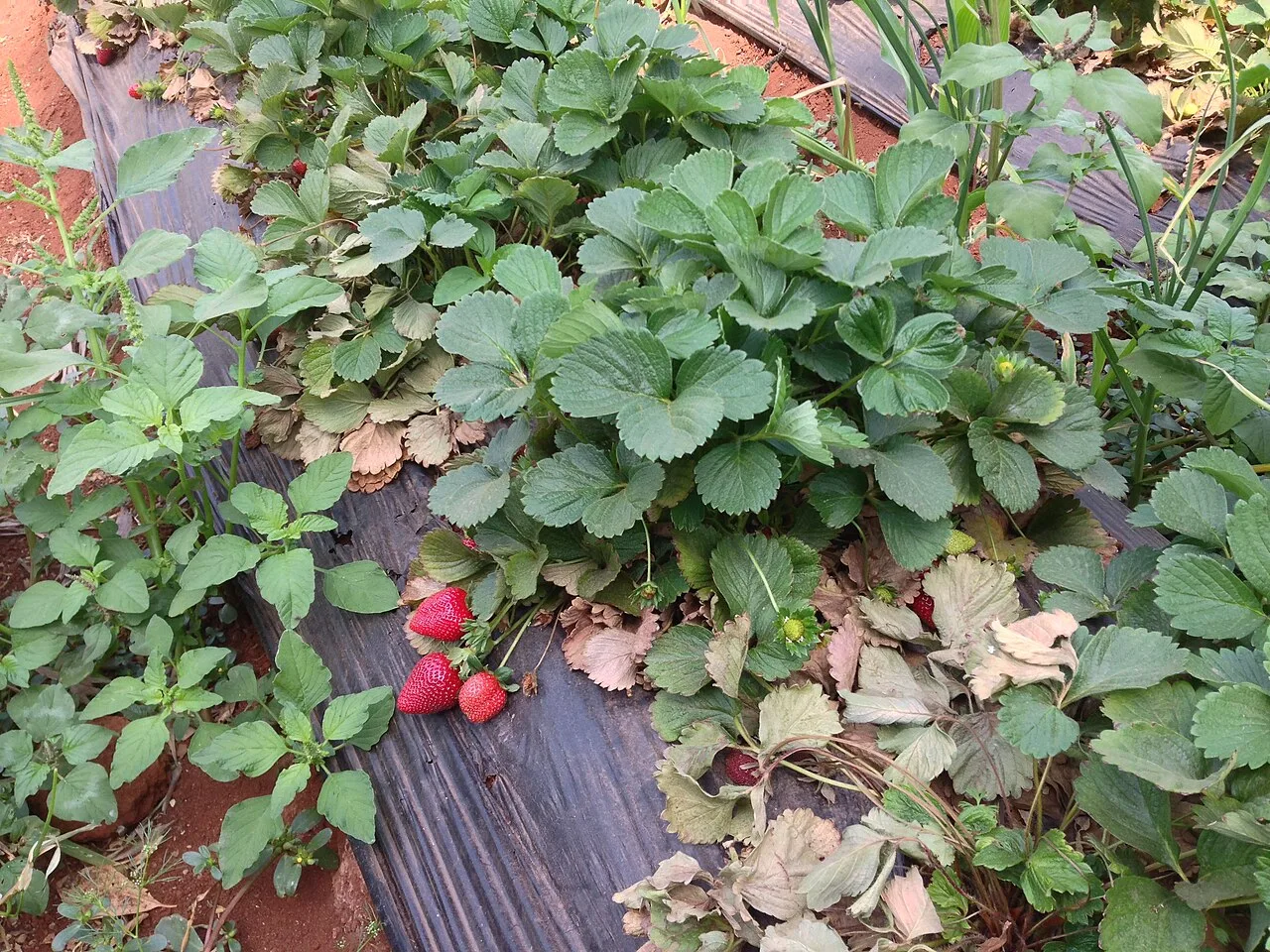
  • Strawberry farms
  • Convent boarding schools
  • Western Ghats viewpoints
  • Colonial-era hill station
In the city
1
District
Satara

Why Panchgani matters

Panchgani is a hill station and municipal council in Satara district, set among the Western Ghats of Maharashtra. Its cool-season climate, open volcanic plateaus and views across the Krishna River valley have made it a long-standing retreat from the heat of the plains. The broad Table Land is its best-known landmark, while nearby viewpoints and winding roads through the hills draw visitors for day trips and longer stays. Panchgani lies about 108 kilometres from Pune and 250 kilometres from Mumbai, making it a popular mountain escape from both cities.

The town has another enduring role as an educational centre. Its many boarding schools, some established in the colonial era, give Panchgani a distinctive mix of school-town life and tourism. Strawberry cultivation and fruit preserves are part of its local identity, especially in the surrounding countryside. Visitors come for scenery, walks, school heritage and seasonal produce, while the town also serves as a base for exploring nearby villages and the Wai region. Its popularity brings pressure from traffic and commercial development, so the landscape is central to both its appeal and its future.

Famous for: crafts, trade & products

Panchgani is not primarily a textile, handicraft or large-scale manufacturing centre. Its most visible local products are strawberries and fruit-based foods, including jams, syrups and preserves. Strawberries are seasonal, and visitors may find fresh fruit at farm stalls and shops around town; packaged preserves are sold in the bazaar and at fruit-product outlets in the surrounding area, including Gureghar. The range and availability of fresh produce vary with the season.

The town’s best-known institutions are its long-established boarding schools, which remain an important part of local life and history. They are not generally set up as visitor attractions, so access should be treated as private unless a school announces otherwise. Panchgani’s bazaar is the most convenient area for everyday shopping and local provisions, rather than a specialised craft market. Visitors seeking locally made products can look for fruit preserves and seasonal farm produce, while those interested in the town’s educational heritage can learn about its schools through public information and exterior views where access is permitted. There is no single signature textile or craft tradition that defines Panchgani.

History

Panchgani developed as a British-era hill resort in the 1860s. Under the supervision of Lord John Chesson, the hills around five villages—Dandeghar, Godavali, Ambral, Khingar and Taighat—were selected for settlement. The name Panchgani refers to these five villages. Chesson encouraged tradespeople and service workers to move there, helping establish the bazaar and the settlement below it, now known as the gaothan. He also introduced ornamental trees and plants that became familiar features of the town.

Panchgani’s mild climate helped it grow as a place of retreat and convalescence. From the late nineteenth century, boarding schools opened for different communities, gradually giving the town a strong educational character. Among its early institutions were Kimmins High School, St. Peter’s School and St. Joseph’s Convent School; other schools followed. In the 1940s, the Bel Air sanatorium became a centre for tuberculosis treatment. Today tourism, education and nearby farming shape the local economy, while increased traffic and construction have raised concerns about pressure on the surrounding environment.

Food, festivals & culture

Panchgani’s food reflects both Maharashtra’s regional cooking and its fruit-growing surroundings. Fresh strawberries, often served with cream, are a seasonal favourite; jams, syrups and other preserves are popular to take home. Local eateries also serve familiar Maharashtrian meals and everyday Indian dishes. The town’s boarding-school community and history have brought together residents and students from varied backgrounds, giving it a more cosmopolitan feel than many small hill towns.

Marathi is the main regional language, while Hindi and English are widely used, particularly in tourism and schools. Ganesh Chaturthi, usually in late monsoon or early autumn, and Diwali in autumn are important celebrations, alongside Holi in spring, Eid and Christmas. There is no single performance tradition that defines Panchgani, though regional music and folk dance may feature during local celebrations. Places of worship include temples, mosques and churches; St. Peter’s Church is among the town’s historic landmarks. Visitors should be considerate around school grounds and places of worship, where access may be limited.

Visiting the city

The most comfortable time to visit is generally from October to May, when conditions are usually drier and suited to viewpoints and walks. The June-to-September monsoon brings heavy rain, mist and lush scenery, but trails and roads can be slippery. Pune Airport is the nearest major airport, about 108 kilometres away. Satara is the main railway station commonly used for the area; onward travel to Panchgani is by road. Pune is another practical rail and air gateway.

Taxis and private vehicles are the easiest way to reach viewpoints and nearby villages; the bazaar and some central streets can be explored on foot. Allow time for Table Land, the bazaar and viewpoints such as Sydney Point and Parsi Point. Gureghar and the surrounding countryside are worth exploring for farms and fruit products. Traffic can build up during busy holiday periods, so avoid unnecessary driving and follow local guidance on access to plateau edges and walking routes.

Attractions

Places to visit in Panchgani

Sights within about 12 km of each other, even when they fall in different districts.

Map

Panchgani on the map

  1. 1Panchgani

Maharashtra

Other cities to explore