
Ghumoopedia — Explore, Discover, Experience
Sign in
Ganpatipule, near Ganpatipule

City guide · Maharashtra

Ganpatipule

Ganpatipule is a small coastal pilgrimage town in Ratnagiri district, on Maharashtra’s Konkan coast. Its best-known landmark is the Ganpati temple, whose revered idol is described as swayambhu, or self-manifested, and faces west.

Famous for

  • Swayambhu Ganpati temple
  • West-facing Ganpati idol
  • Konkan coast beaches
  • Malgund literary heritage
In the city
1
District
Ratnagiri

Why Ganpatipule matters

Ganpatipule is a small coastal pilgrimage town in Ratnagiri district, on Maharashtra’s Konkan coast. Its best-known landmark is the Ganpati temple, whose revered idol is described as swayambhu, or self-manifested, and faces west. The temple draws devotees throughout the year, with especially strong interest around Ganesh festivals. Nearby, the beach and green coastal landscape make the town a popular leisure stop as well as a place of worship.

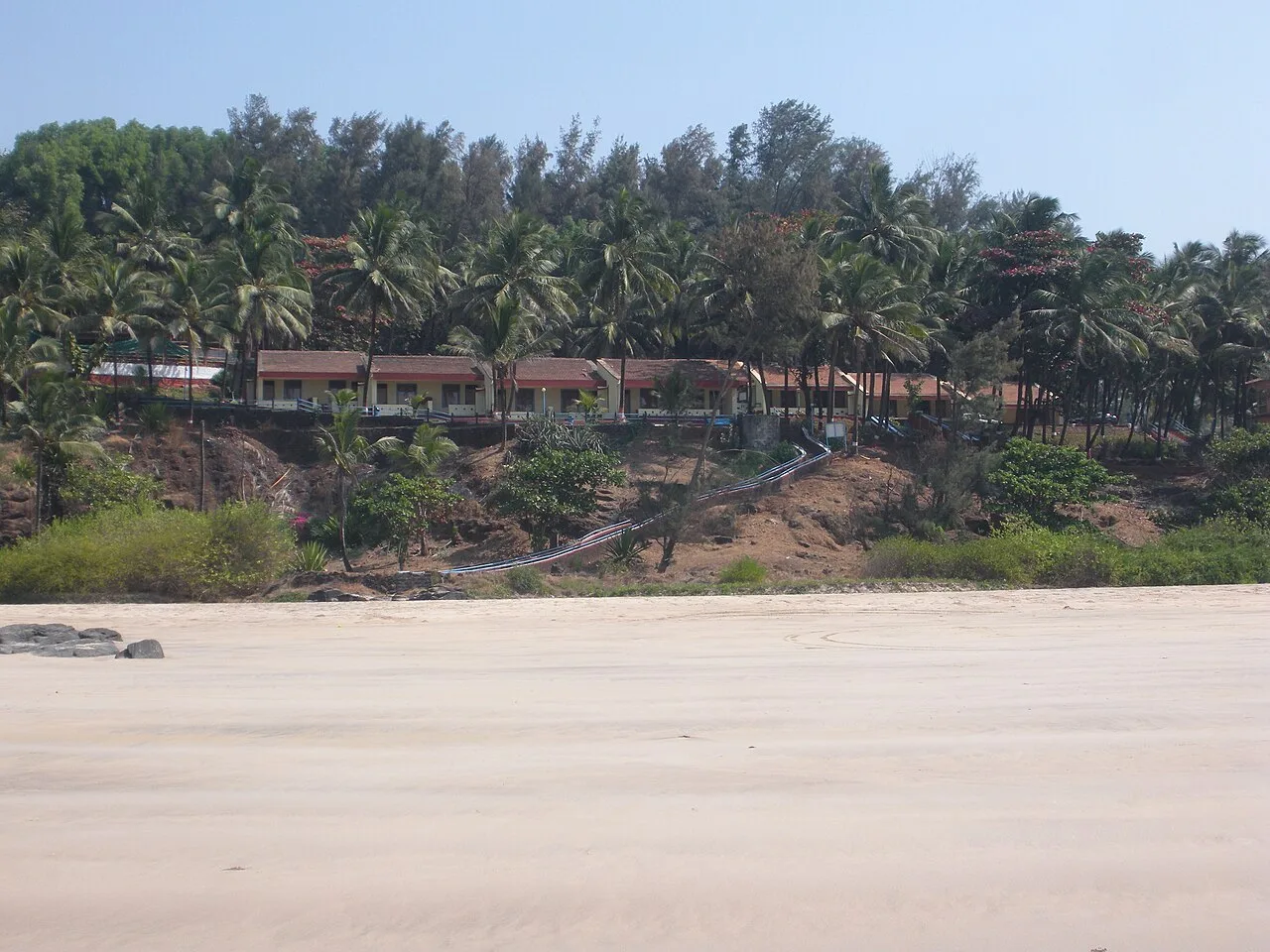
Ganpatipule’s importance comes from this blend of religious significance and seaside tourism. Coconut trees, mangroves and the surrounding Konkan scenery shape its character, while its location makes it a useful stop for visitors exploring the Ratnagiri coast. The nearby village of Malgund is associated with Marathi poet Keshavsut and adds a literary point of interest to the area. Ganpatipule is not a large commercial centre; its visitor economy is closely tied to the temple, beach, local hospitality and regional travel.

Famous for: crafts, trade & products

Ganpatipule is better known for pilgrimage and coastal tourism than for textiles, handicrafts or manufacturing. There is no major textile district or large industrial market in the town. Small shops and stalls around the temple and visitor areas cater to pilgrims and travellers, with devotional items, snacks and locally made or sourced goods.

The wider Ratnagiri region is known for Ratnagiri Hapus (Alphonso) mangoes, a GI-tagged product, along with cashews and kokum. These are most likely to be found through local shops and seasonal sellers; the mango harvest is generally associated with the warmer months. Their regional reputation should not be mistaken for a large-scale production industry within Ganpatipule itself. For an introduction to local traditions and ways of life, visitors can explore Prachin Konkan, an open-air cultural attraction in the area. The town’s main draw remains the temple and beach, rather than a specialist shopping district, so visitors looking for particular regional products may also explore shops in Ratnagiri.

History

Ganpatipule’s history is closely linked to its temple and local tradition. Folklore tells that Ganpati left his original abode at Gulé after taking offence at a local woman’s remark and moved to Pulé; the name Ganpatipule is associated with this story. The temple’s idol is believed by devotees to have emerged naturally from the earth, and local tradition attributes an age of about four centuries to it. These accounts are part of the town’s religious heritage rather than a complete written record of its early history.

For much of its past, Ganpatipule remained a small coastal settlement, with the temple drawing pilgrims from the surrounding region. During British rule, Ratnagiri district formed part of the Bombay Presidency, though Ganpatipule itself did not become a major administrative or industrial centre. In modern times, improved regional road connections and interest in Konkan beaches have expanded tourism. The town continues to be governed locally by its gram panchayat, with pilgrimage and visitor services central to its development.

Food, festivals & culture

Ganpatipule’s cultural life centres on the Ganpati temple and the wider traditions of the Konkan. Marathi is widely spoken, alongside Konkani and regional varieties. Temple visits and worship are part of everyday life, while Ganesh Chaturthi, usually in August or September, brings special significance to the town. Maghi Ganesh Jayanti, generally observed in January or February, is another important occasion for devotees.

Local food reflects the coastal setting: rice, coconut and kokum feature in regional cooking, with seafood common in the wider area and vegetarian meals readily available for pilgrims. Sol kadhi is a familiar kokum-based drink, and modak is a traditional sweet associated with Ganpati worship. Folk performance traditions such as Dashavatar theatre are part of the cultural landscape of the Konkan, though performances are not necessarily scheduled in town year-round. The nearby village of Malgund, remembered as the birthplace of Marathi poet Keshavsut, offers a literary connection as well as a change of pace from the temple and shore.

Visiting the city

The cooler months from November to February are generally comfortable for visiting. The monsoon, usually June to October, brings lush scenery but also heavy rain and rougher coastal conditions; summer can be hot. Ratnagiri Airport is the nearest airport, though commercial flight availability may be limited, so check current connections before planning. Ratnagiri railway station, on the Konkan Railway, is the main rail station for the town.

Road transport connects Ganpatipule with Ratnagiri and other places along the coast. Buses, taxis and local vehicles can be used to reach the temple, beach and nearby attractions. Explore the temple and adjoining beach, then consider a trip to Malgund or the scenic Aare-Ware coastal stretch. Prachin Konkan offers another nearby stop focused on regional heritage.

Attractions

Places to visit in Ganpatipule

Sights within about 12 km of each other, even when they fall in different districts.

Map

Ganpatipule on the map

  1. 1Ganpatipule

Maharashtra

Other cities to explore