
Ghumoopedia — Explore, Discover, Experience
Sign in
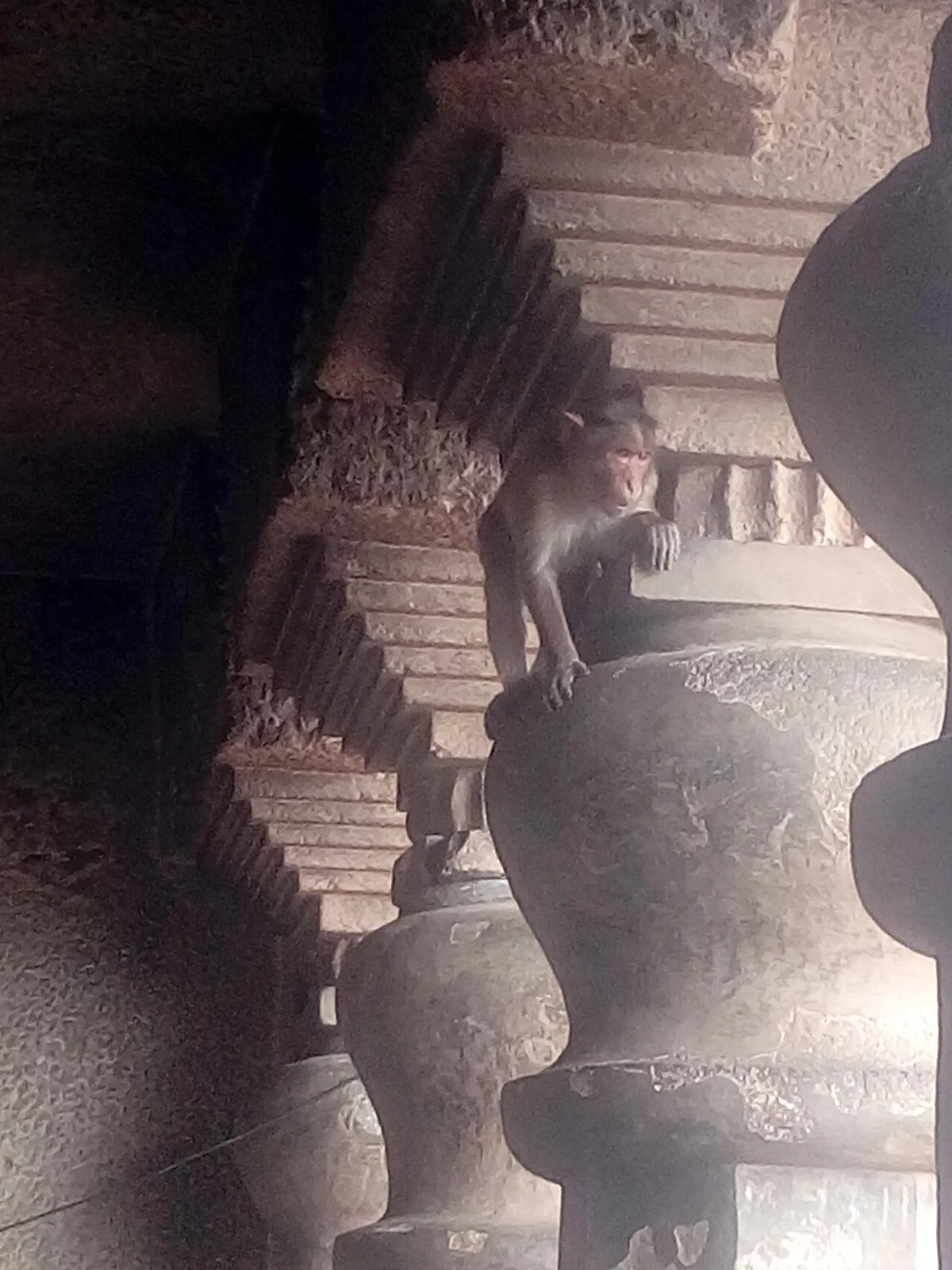
Lenyadri, near Junnar

City guide · Maharashtra

Junnar

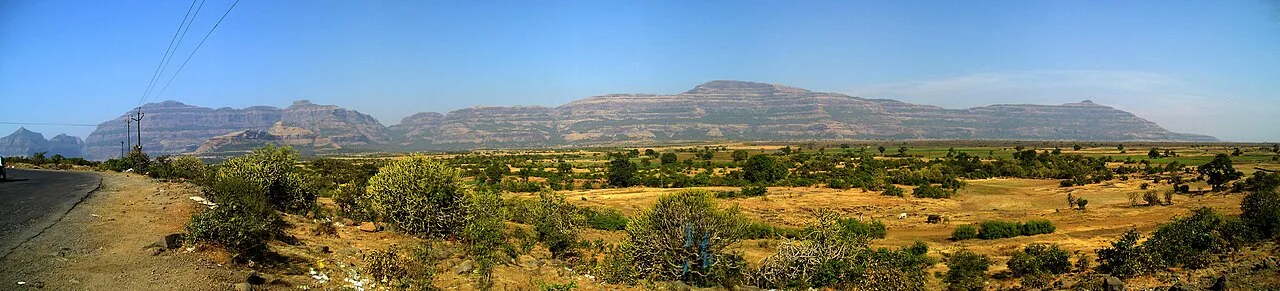
Junnar is a historic town in Pune district, set amid the Sahyadri foothills and the agricultural landscape of northern Maharashtra. It serves as a local centre for surrounding villages and draws visitors interested in forts, rock-cut caves and Maratha history.

Famous for

  • Shivneri Fort
  • Shivaji Maharaj’s birthplace
  • Lenyadri cave temple
  • Manmodi cave inscriptions
  • Historic trade routes
  • Regional fruit markets
In the city
2
Nearby
1
Districts
Pune, Ahilyanagar

Why Junnar matters

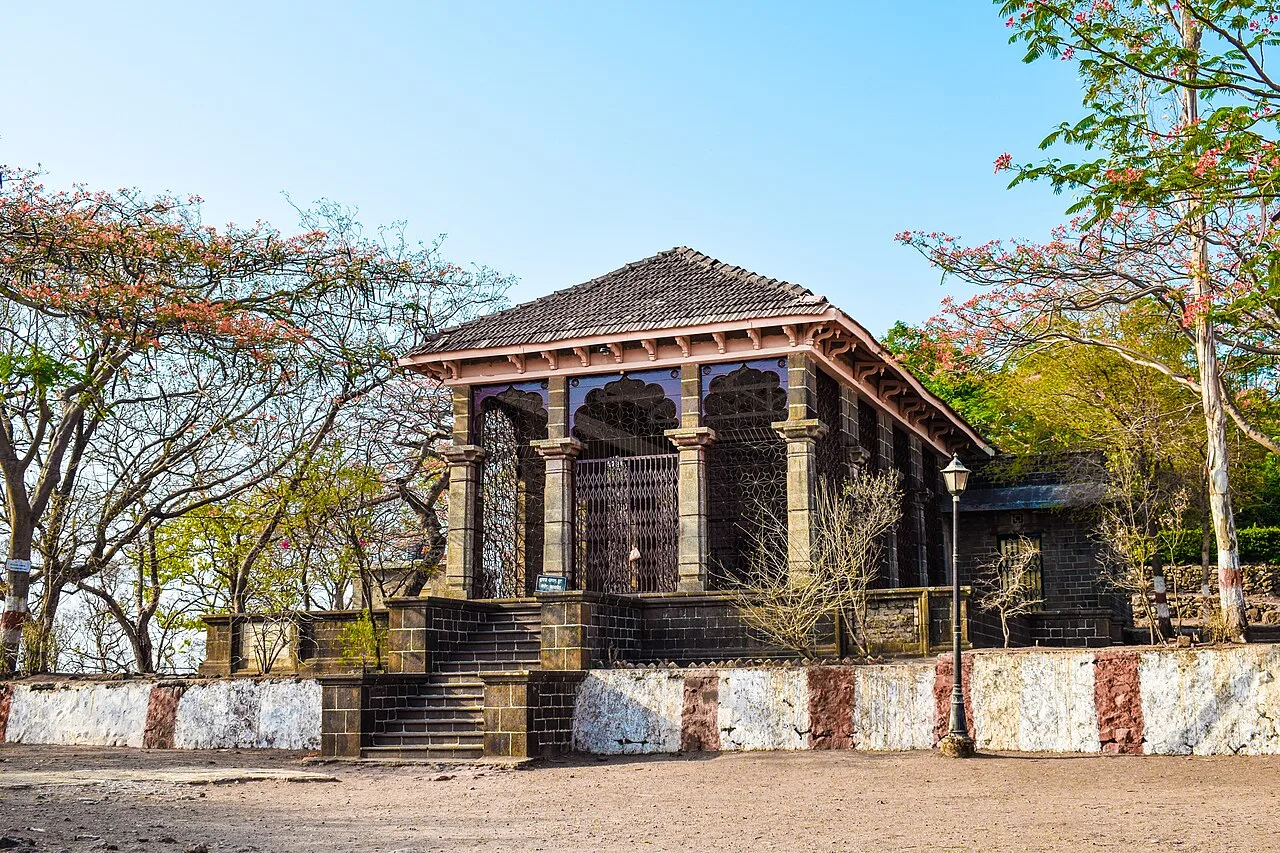
Junnar is a historic town in Pune district, set amid the Sahyadri foothills and the agricultural landscape of northern Maharashtra. It serves as a local centre for surrounding villages and draws visitors interested in forts, rock-cut caves and Maratha history. Nearby Shivneri Fort is revered as the birthplace of Chhatrapati Shivaji Maharaj, while the Lenyadri caves combine ancient rock-cut architecture with the Girijatmaj Ganpati temple, one of Maharashtra’s Ashtavinayak shrines. Manmodi’s caves and inscriptions add evidence of Junnar’s importance in ancient religious and commercial life.

The town’s story is closely tied to routes connecting the Konkan coast with the Deccan plateau. Its setting also makes it a useful base for exploring forts, hill country and rural communities in the wider Junnar region. Maharashtra declared Junnar the first tourism taluka in Pune district in 2018, recognising its concentration of heritage attractions. Visitors come for the area’s layered history as much as for its temples, landscapes and local markets.
Famous for: crafts, trade & products

Junnar is best known for its heritage rather than for a distinctive textile, craft or manufactured product. The town and surrounding taluka function as a market centre for rural produce. Grapes, pomegranates and seasonal vegetables are grown in the wider region and can be encountered in local shops and markets, with availability varying through the year. These are regional agricultural products, not a claim of a particular GI-tagged Junnar speciality.

There is no widely established Junnar-specific saree or handicraft tradition to seek out as a signature purchase. For visitors, the area’s most distinctive cultural objects are its historic sites: the rock-cut caves and inscriptions at Lenyadri and Manmodi, and the fort complex at Shivneri. Small vendors around popular religious and heritage stops may sell devotional items and refreshments, but selections are informal and changeable. Junnar’s older importance as a trading point came from its position on routes linking the Konkan with the Deccan; today, local commerce mainly serves residents and nearby villages. Ask locally about seasonal produce markets rather than expecting a dedicated craft district or specialist souvenir bazaar.

History

Junnar’s history spans more than two millennia, shaped by its position on routes between the Konkan ports and the Deccan interior. Rock-cut cave inscriptions at Manmodi and Lenyadri record religious donations, including those associated with Western Satrap rule in the second century CE and Greek-speaking donors. The caves show how commerce and religious activity intersected in the region.

In the fifteenth century, Junnar was part of the Bahmani realm. After that kingdom fragmented, the Nizam Shahi rulers made it an early capital in the 1490s; Malik Ambar later used it as a capital again. Shahaji Raje Bhonsale served Malik Ambar, and Shivaji Maharaj was born at nearby Shivneri Fort. Junnar’s teak forests also supplied timber used in the construction of Pune’s Shaniwar Wada in the eighteenth century. Under British rule, the town became part of the Bombay Presidency. It later developed as a local administrative and market centre, while its forts and caves increasingly drew heritage visitors.

Food, festivals & culture

Marathi is the everyday language of Junnar; Hindi is also understood in many visitor-facing settings. Meals follow the broader food traditions of rural Maharashtra, with bhakri, seasonal vegetables, lentils, rice and spicy accompaniments common options. Simple snacks and tea are easy to find around the town and busy temple or travel stops. Menus and sweet selections vary by season and establishment, so Junnar is better approached as a place for regional home-style food than as a destination with one defining dish.

Ganesh Chaturthi, usually celebrated in August or September, is especially significant in Maharashtra, and the nearby Girijatmaj temple at Lenyadri gives the area a strong devotional connection to Ganesh worship. Diwali, Navratri and Holi are also observed, while Shiv Jayanti celebrations honour Shivaji Maharaj and his association with Shivneri. Powada, a Marathi narrative song tradition celebrating heroic history, is part of the wider cultural heritage of the region. The area’s places of worship include Lenyadri’s cave temple and other local temples, alongside the historic religious caves at Manmodi.

Visiting the city

The cooler months, roughly October to February, are generally comfortable for exploring forts and caves. The monsoon brings greener hills but can make outdoor routes slippery; summer days can be hot. Pune Airport is the nearest major airport, and Pune Junction is the main railway station for onward road travel. Junnar has no railway station, so visitors typically reach it by bus or car from Pune or other towns in the district.

Within town, auto-rickshaws and local vehicles are useful for short trips; reaching Shivneri, Lenyadri and Manmodi is easier with a hired vehicle or other planned road transport. Explore the central market area for everyday town life, then set aside separate time for the fort and cave sites, which lie outside the centre. Check local conditions before setting out on hill paths, especially during or just after heavy rain.

Attractions

Places to visit in Junnar

Sights within about 12 km of each other, even when they fall in different districts.

Short trips

Around Junnar

Within about 40 km — easy half-day or day trips from the city.

Map

Junnar on the map

  1. 1Lenyadri
  2. 2Shivneri Fort
  3. 3Harishchandragad

Maharashtra

Other cities to explore