
Ghumoopedia — Explore, Discover, Experience
Sign in
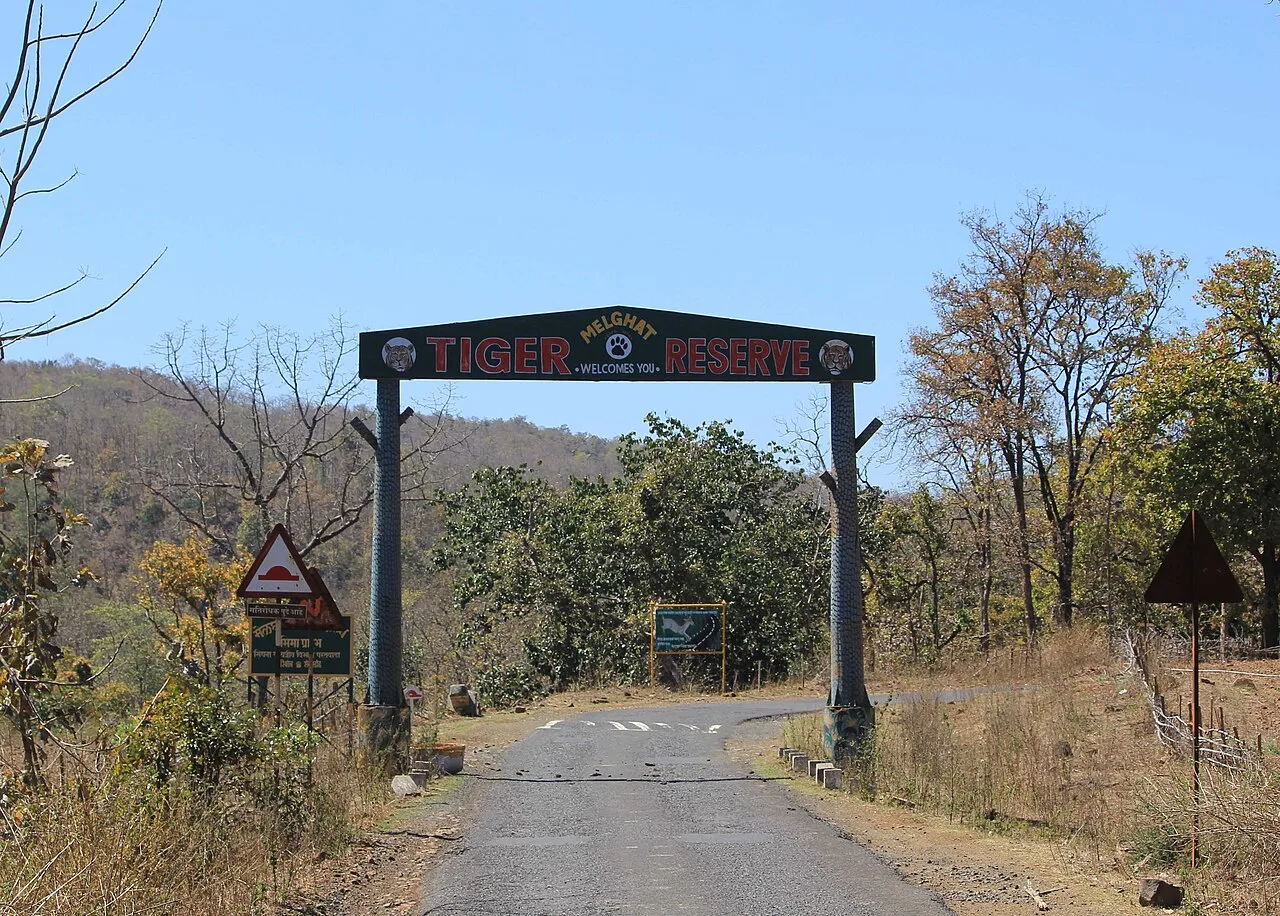
Melghat Tiger Reserve, near Anjangaon

City guide · Maharashtra

Anjangaon

Anjangaon-Surji is a town in Amravati district whose identity combines agriculture, religious life and a notable place in Maratha-era history. The settlement is made up of Anjangaon and Surji, on opposite sides of the Shahanur River.

Famous for

  • Vidarbha banana growing
  • Piper longum cultivation
  • Safed musali cultivation
  • Devnath Math
  • Surji-Anjangaon Treaty
In the city
0
Nearby
1
District
Amravati
Plan a trip

Why Anjangaon matters

Anjangaon-Surji is a town in Amravati district whose identity combines agriculture, religious life and a notable place in Maratha-era history. The settlement is made up of Anjangaon and Surji, on opposite sides of the Shahanur River. It is widely associated with banana cultivation and is also known for growing Piper longum, a medicinal plant, and safed musali. These crops connect the town to the wider agricultural economy of Vidarbha and shape its markets and everyday life.

The town is also remembered as the place where the Treaty of Surji-Anjangaon was signed in 1803, following the battles of Assaye and Argaum. Visitors interested in local religious traditions can explore Devnath Math in Surji and the Vitthal temple associated with saint Ruplal Maharaj. The river, the two distinct parts of town and its temples offer a sense of a regional centre with deep local roots. Anjangaon received municipal-council status in 1930, and the surrounding tehsil was established in 1981.

Famous for: crafts, trade & products

Anjangaon-Surji is best known today for agricultural produce rather than for a particular textile or saree tradition. Bananas are a defining local crop, while Piper longum and safed musali are cultivated for their medicinal uses. Visitors can look for locally grown produce in the town’s bazaars and agricultural trading areas; availability varies with season. The town has also been associated with betel-leaf cultivation, though this is less prominent than its present-day reputation for bananas and medicinal plants.

Historical accounts describe Anjangaon as a market for cotton cloth, betel leaves and finely made basket-work, as well as a centre with a substantial weekly market. Basketry remains part of the area’s craft heritage, but it should not be assumed to be available from dedicated craft shops. There is no widely established local GI-tagged textile or handicraft to seek out. For a sense of the town’s trade, browse general market streets and ask locally about seasonal produce and traditional goods. The bazaars are more useful for everyday regional products than for a specialised souvenir scene.

History

Anjangaon has a long history as a settlement in Vidarbha. It appears in the Ain-i-Akbari as one of the region’s mahals, or administrative divisions. Local tradition links the Shahanur River’s earlier name, Sharneera, to a story of Arjuna creating a water source with an arrow. In the eighteenth century, Vithoji Narayan held the local vatandari and is recorded as receiving the title “Surji.” The Devnath Math in Surji was established in 1754, while saint Ruplal Maharaj is associated with the town’s Vitthal temple.

The town entered wider political history after the battles of Assaye and Argaum, when the Treaty of Surji-Anjangaon was signed here on 30 December 1803 between the British and Daulat Rao Sindhia. During the colonial period, Anjangaon was known for its market, cotton cloth, basketry and betel leaves. It became a municipal council in 1930, among the earliest in Amravati district. Anjangaon-Surji tehsil followed in 1981, formalising the town’s role as a local administrative centre.

Food, festivals & culture

Life in Anjangaon-Surji reflects the farming communities and food traditions of Vidarbha. Marathi is the main language, with the regional Varhadi way of speaking common; Hindi is also understood. Everyday meals draw on familiar Maharashtrian staples such as bhakri, lentils, seasonal vegetables and spicy preparations. Bananas are a prominent local crop, while the town’s older association with betel leaves remains part of its food and trade history. There is no single signature sweet for which the town is especially known.

Ganesh Chaturthi, usually in the monsoon season, and Diwali in autumn are widely observed, alongside Navratri and Holi. Religious life centres on places such as Devnath Math in Surji and the Vitthal temple, where devotional singing, bhajan and kirtan form part of worship and festival gatherings. Regional folk music and dance may feature during community celebrations, though performances are generally tied to occasions rather than a regular tourist programme. The town’s two-part layout gives visitors a chance to see local routines around its temples, river crossings and market streets.

Visiting the city

The cooler, drier months from October to February are generally the most comfortable time to visit; summers can be very hot and the monsoon brings rain. Amravati Airport at Belora is the nearest airport, while Nagpur’s Dr Babasaheb Ambedkar International Airport is a larger air gateway for many travellers. Anjangaon Surji railway station serves the town; check current connections when planning a journey.

Auto-rickshaws and local buses are practical ways to get around. Explore both Anjangaon and Surji, which lie on opposite sides of the Shahanur River, and make time for Devnath Math and the Vitthal temple. The market streets offer a glimpse of daily commerce and seasonal farm produce. The town is compact enough for a short visit, though road travel is useful for seeing the surrounding agricultural landscape.

Short trips

Around Anjangaon

Within about 40 km — easy half-day or day trips from the city.

Map

Anjangaon on the map

  1. 1Melghat Tiger Reserve

Maharashtra

Other cities to explore