
Ghumoopedia — Explore, Discover, Experience
Sign in
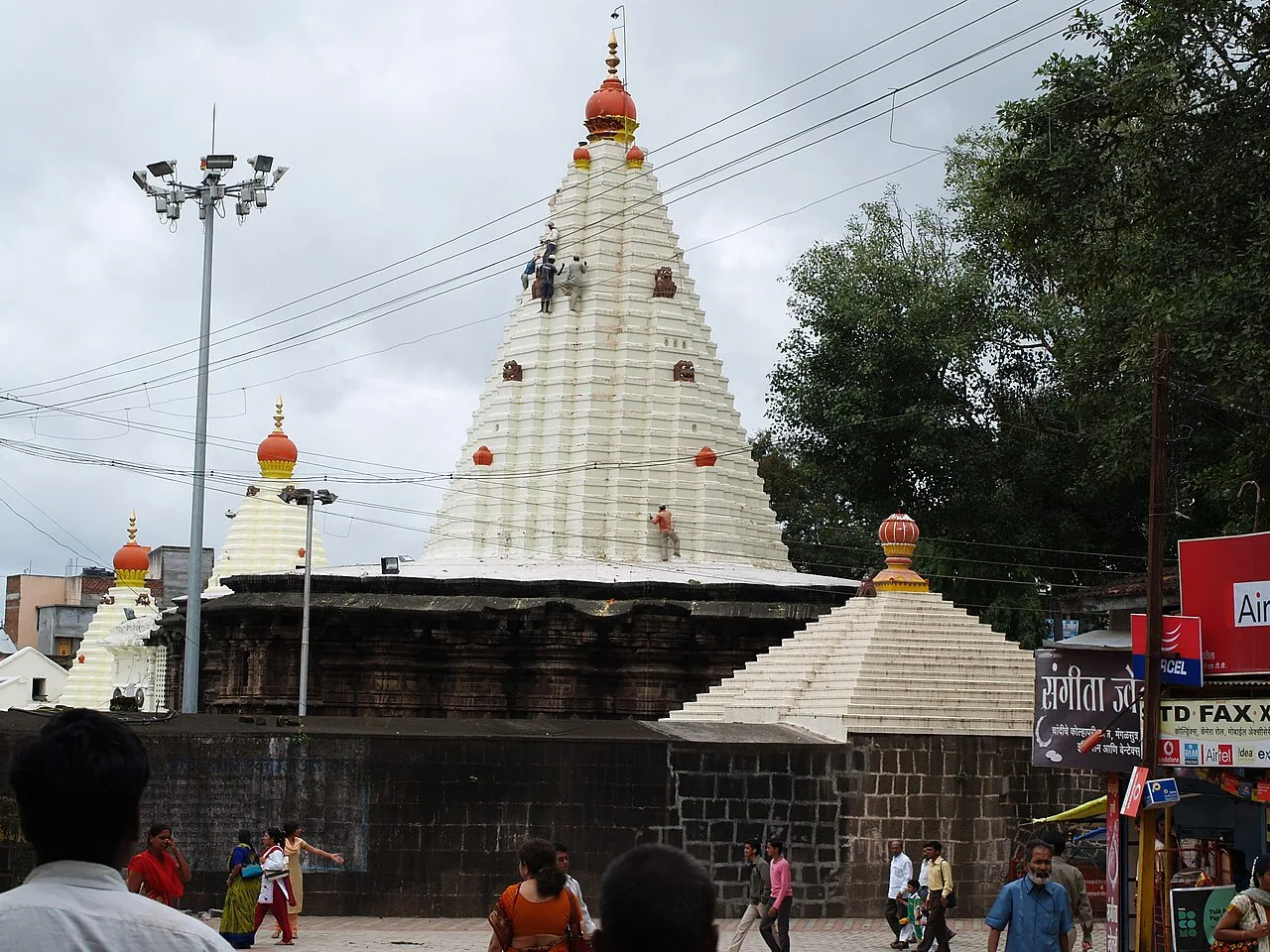
Mahalakshmi Temple, Kolhapur, near Kolhapur

City guide · Maharashtra

Kolhapur

Kolhapur is a major cultural, commercial and religious centre in southern Maharashtra, set beside the Panchganga River near the Western Ghats. Its best-known landmark is the Mahalaxmi, or Ambabai, Temple, a much-revered shrine that has earned the city the name Dakshin Kashi.

Famous for

  • Mahalaxmi (Ambabai) Temple
  • Kolhapuri chappals
  • Kolhapuri cuisine
  • Kolhapuri saaj jewellery
  • Rankala Lake
In the city
2
District
Kolhapur

Why Kolhapur matters

Kolhapur is a major cultural, commercial and religious centre in southern Maharashtra, set beside the Panchganga River near the Western Ghats. Its best-known landmark is the Mahalaxmi, or Ambabai, Temple, a much-revered shrine that has earned the city the name Dakshin Kashi. Visitors come for its temple traditions, historic neighbourhoods, regional food and craft shopping, as well as nearby destinations such as Panhala Fort and Jyotiba Temple.

The city is also a lively regional hub for education, trade, engineering and the Marathi film industry. Its identity is closely tied to Kolhapuri cuisine, especially its boldly spiced curries, and to handcrafted Kolhapuri chappals, made across the wider region. Rankala Lake offers a popular waterside break, while the old city’s markets and places of worship reveal layers of Marathi, Jain and other local heritage. Kolhapur combines pilgrimage and everyday urban life: temple visits, food and shopping are all part of the experience. It is a rewarding base for exploring the southern reaches of Maharashtra and the adjoining Western Ghats.
Famous for: crafts, trade & products

Kolhapuri chappals are the city’s signature craft: hand-cut and braided leather footwear made by artisans in Kolhapur and surrounding areas. The product received a Geographical Indication tag in 2019. Shops around Mahadwar Road and the old city are convenient places to browse for chappals; check the workmanship and fit when choosing a pair. Kolhapuri saaj, a traditional gold necklace, is another distinctive local adornment, available through established jewellers.

The region is also associated with Kolhapuri jaggery and a robust food culture, while Kolhapuri masala is sold in local grocery and spice shops. Markets around the old city and Shahupuri offer everyday shopping, jewellery, clothing and regional produce. Kolhapur has long supported textile and sugar-related businesses, alongside a substantial foundry and engineering sector. Industrial areas are more relevant to business visitors than casual sightseeing, but the city’s shops provide an accessible introduction to its crafts and products. For locally made goods, ask retailers about the maker and place of production, since products sold under a regional name may come from beyond the city itself.

History

Kolhapur’s recorded past includes the Shilahara dynasty, which made the city an important centre in southern Maharashtra between roughly the tenth and early thirteenth centuries. The rulers supported temples and Jain religious institutions, and the area’s sacred traditions continued to shape its identity. Hindu legend links the city’s name to the demon Kolhasur and the goddess Mahalakshmi; the shrine of Ambabai remains central to local life.

Kolhapur became a Maratha princely state in the early eighteenth century, during a succession struggle following the death of Chhatrapati Shivaji. Under Rajarshi Shahu Maharaj, who ruled from the late nineteenth into the early twentieth century, the state became associated with social reform, education and efforts against untouchability. The princely state came under British influence and, after independence, joined India in 1947; it merged with Bombay State in 1949. In modern times, Kolhapur has grown as a regional centre for commerce, education, industry and Marathi cinema, while retaining its pilgrimage and craft traditions.

Food, festivals & culture

Kolhapuri food is known for its assertive spice and chilli heat. Popular dishes include tambda rassa, a red mutton curry, and pandhra rassa, a pale, peppery curry, often served with bhakri or rice. Misal and other vegetarian dishes are also widely enjoyed. Kolhapuri masala gives many local preparations their characteristic depth, and visitors can look for regional sweets such as Kolhapuri pedha in local shops.

Marathi is the principal language of daily life; Hindi and Kannada are also heard. Navratri brings particular crowds and devotion to the Mahalaxmi Temple, while Ganesh Chaturthi and Diwali are widely celebrated. The Jyotiba shrine near the city draws pilgrims to its annual spring fair. Folk performance traditions include lavani, powada and tamasha, alongside devotional music. The Ambabai Temple is the city’s most prominent place of worship; Jain temples and historic religious institutions add to Kolhapur’s layered spiritual heritage.

Visiting the city

October to February is generally a comfortable time to visit, with milder weather and less rain. The monsoon, usually from June to September, brings heavy rainfall and can disrupt local travel. Kolhapur Airport, also known as Chhatrapati Rajaram Maharaj Airport, serves the city; Kolhapur’s main rail station is Chhatrapati Shahu Maharaj Terminus.

Auto-rickshaws, taxis and city buses are useful for getting around, while a car or taxi is convenient for nearby excursions. Explore the old city around Mahalaxmi Temple and Mahadwar Road for shrines and shopping, then head to Rankala Lake for a waterside stroll. Shahupuri is a practical commercial area with shops and places to eat. Panhala Fort and Jyotiba Temple make worthwhile trips beyond the city centre; allow extra time for road travel during rainy weather.

Attractions

Places to visit in Kolhapur

Sights within about 12 km of each other, even when they fall in different districts.

Map

Kolhapur on the map

  1. 1Mahalakshmi Temple, Kolhapur
  2. 2Rankala Lake

Maharashtra

Other cities to explore