
Ghumoopedia — Explore, Discover, Experience
Sign in
Lonar Lake, near Lonar

City guide · Maharashtra

Lonar

Lonar is a small town in Buldhana district, in Maharashtra’s Vidarbha region, whose name is closely tied to an extraordinary geological site. The Lonar crater was formed by a meteorite impact during the Pleistocene Epoch.

Famous for

  • Lonar meteorite crater
  • Saline Lonar Lake
  • Basalt impact geology
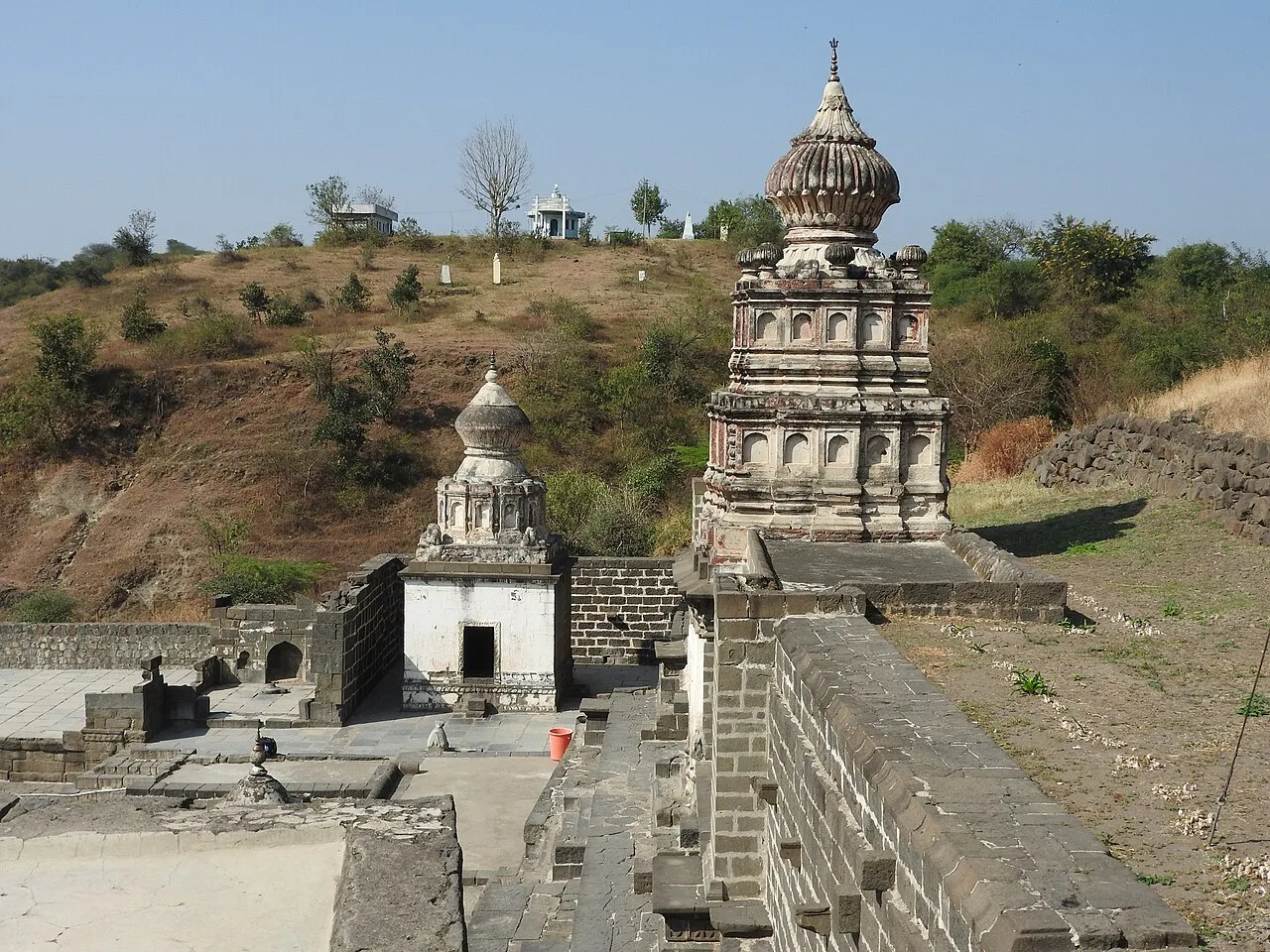
  • Daitya Sudan Temple
  • Crater-rim temples
In the city
1
District
Buldhana

Why Lonar matters

Lonar is a small town in Buldhana district, in Maharashtra’s Vidarbha region, whose name is closely tied to an extraordinary geological site. The Lonar crater was formed by a meteorite impact during the Pleistocene Epoch. Its lake, roughly 1.8 kilometres across, lies well below the crater rim and is known for its saline, mineral-rich water. A small freshwater stream also feeds the lake.

The crater draws visitors interested in geology, nature and the temples scattered around its rim. The Daitya Sudan Temple, in the town, adds an important architectural and religious stop to a visit. Lonar also serves as a local centre for nearby settlements, with the town’s bazaar and services supporting everyday needs. It is not a large urban destination; its importance comes chiefly from the unusual crater landscape and the chance to explore it alongside the historic town. Visitors should treat the lake and surrounding terrain as a sensitive natural site and follow local guidance when exploring.

Famous for: crafts, trade & products

Lonar’s best-known local association is not a textile, craft or GI-tagged product but its impact crater and saline lake. The lake is mineral-rich, and sodium and potassium salts have been extracted from it. This is a distinctive link between the landscape and local livelihoods, though visitors should not assume that lake minerals are sold as packaged souvenirs or that extraction is a visitor activity.

The town has no widely established reputation as a specialist handicraft or saree-shopping destination. Its bazaar is principally useful for everyday provisions and simple refreshments rather than a recognised craft market. For visitors, the most notable built heritage is the Daitya Sudan Temple, while smaller shrines and temple remains around the crater provide further interest. Ask locally about access and conditions before setting out to the rim or lake; the crater’s natural and religious sites are the main reasons to explore beyond the town centre. Those seeking a particular local product or artisan workshop should check in town rather than expect a dedicated shopping district.

History

Lonar’s history is shaped by two very different timescales: the ancient meteorite impact that created its crater and the later growth of a settlement beside it. The impact occurred in the Pleistocene Epoch, long before the town developed. In and around Lonar, surviving temples—including the Daitya Sudan Temple—show the area’s medieval religious and architectural history. Their styles connect the town with broader traditions of the Deccan, although individual buildings and their dates should be interpreted with care.

The wider Berar region experienced successive Deccan sultanate, Mughal, Maratha and Nizam influences before coming under British administration. Lonar later developed as a local centre in Buldhana district and is now the headquarters of Lonar taluka. Since Maharashtra became a state in 1960, the town has remained part of its Vidarbha region. In modern times, the crater has become central to Lonar’s public identity, attracting scientific interest as well as visitors, while the town continues to serve its surrounding communities.

Food, festivals & culture

Everyday life in Lonar reflects its Marathi-speaking setting in Vidarbha. Marathi is the main language; Hindi is also understood by many people. Meals commonly draw on the wider regional style, with grain-based staples such as bhakri, along with vegetable dishes, lentils and chutneys. Pithla and thecha are familiar Maharashtrian foods, though menus and home cooking vary. The town is not especially known for a signature sweet or a distinct food market, so visitors can look to local eateries and shops for ordinary regional fare.

Ganesh Chaturthi, usually in the monsoon season, and the autumn festivals of Navratri and Diwali are observed in the town and surrounding area. Holi and Makar Sankranti are also part of the annual calendar. Temple worship, devotional singing and bhajan-kirtan belong to the region’s religious life; Maharashtrian forms of folk performance, including Lavani, are part of the broader cultural setting rather than a Lonar-specific attraction. The Daitya Sudan Temple and shrines around the crater are important places of worship and heritage.

Visiting the city

October to February is generally the most comfortable season for exploring Lonar. Summer can be very hot, while monsoon brings greener surroundings but may make crater paths slippery. The nearest practical airport is Chhatrapati Sambhajinagar Airport, formerly Aurangabad Airport. Akola Junction is a major railway station for reaching the area; onward travel to Lonar is by road. Check current connections before planning, as the town has no railway station of its own.

Auto-rickshaws and hired vehicles can help with local journeys, while visiting the crater and lake may involve walking on uneven paths. Explore the town centre and Daitya Sudan Temple, then allow time for the crater rim and its temples. Ask locally about access and trail conditions, and avoid entering the lake without appropriate guidance.

Attractions

Places to visit in Lonar

Sights within about 12 km of each other, even when they fall in different districts.

Map

Lonar on the map

  1. 1Lonar Lake

Maharashtra

Other cities to explore