
Ghumoopedia — Explore, Discover, Experience
Sign in
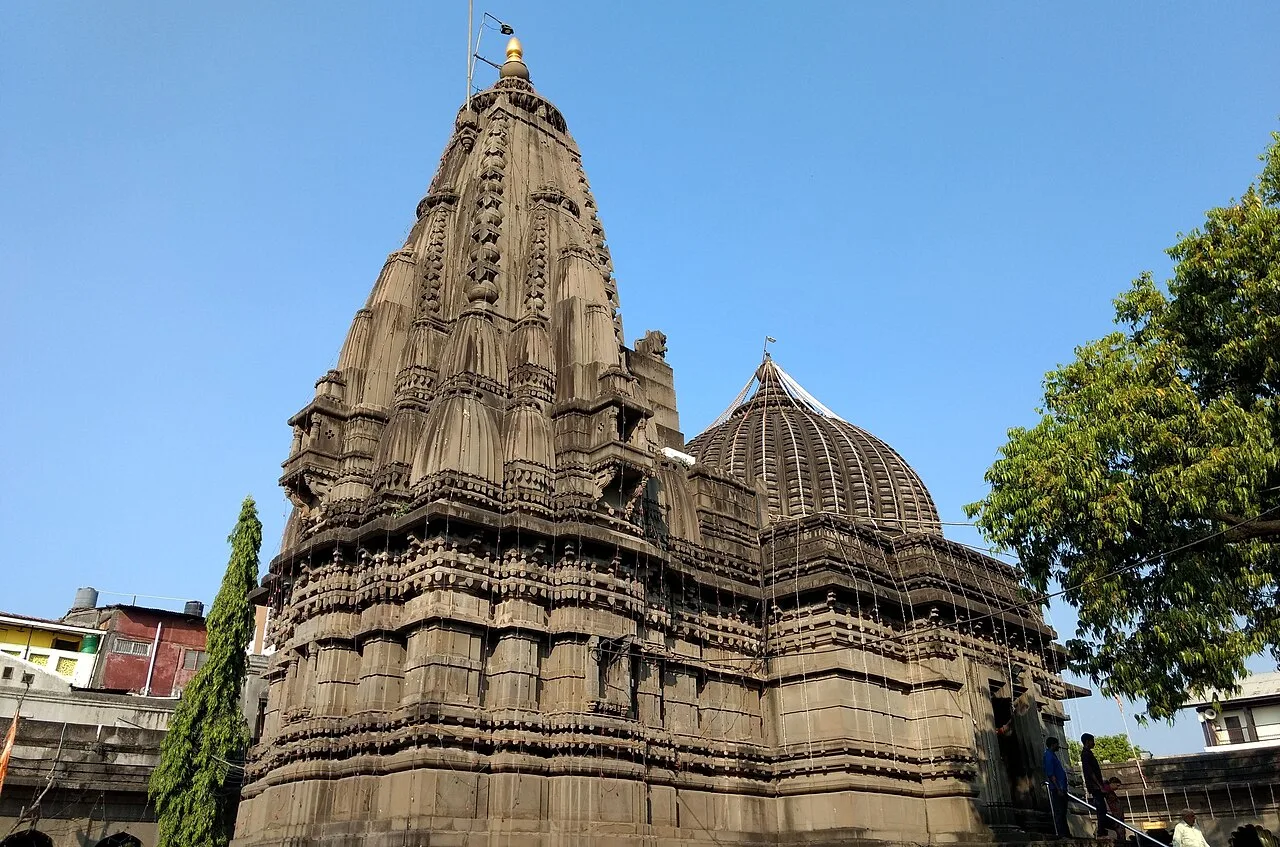
Kalaram Temple, near Nashik

City guide · Maharashtra

Nashik

Nashik is a major city in northern Maharashtra and the administrative centre of Nashik district. Set on the Godavari River, it connects the state’s interior with Mumbai and is an important centre for commerce, manufacturing and services.

Famous for

  • Godavari ghats and temples
  • Kumbh Mela pilgrimage
  • Nashik wine country
  • Nashik grapes and onions
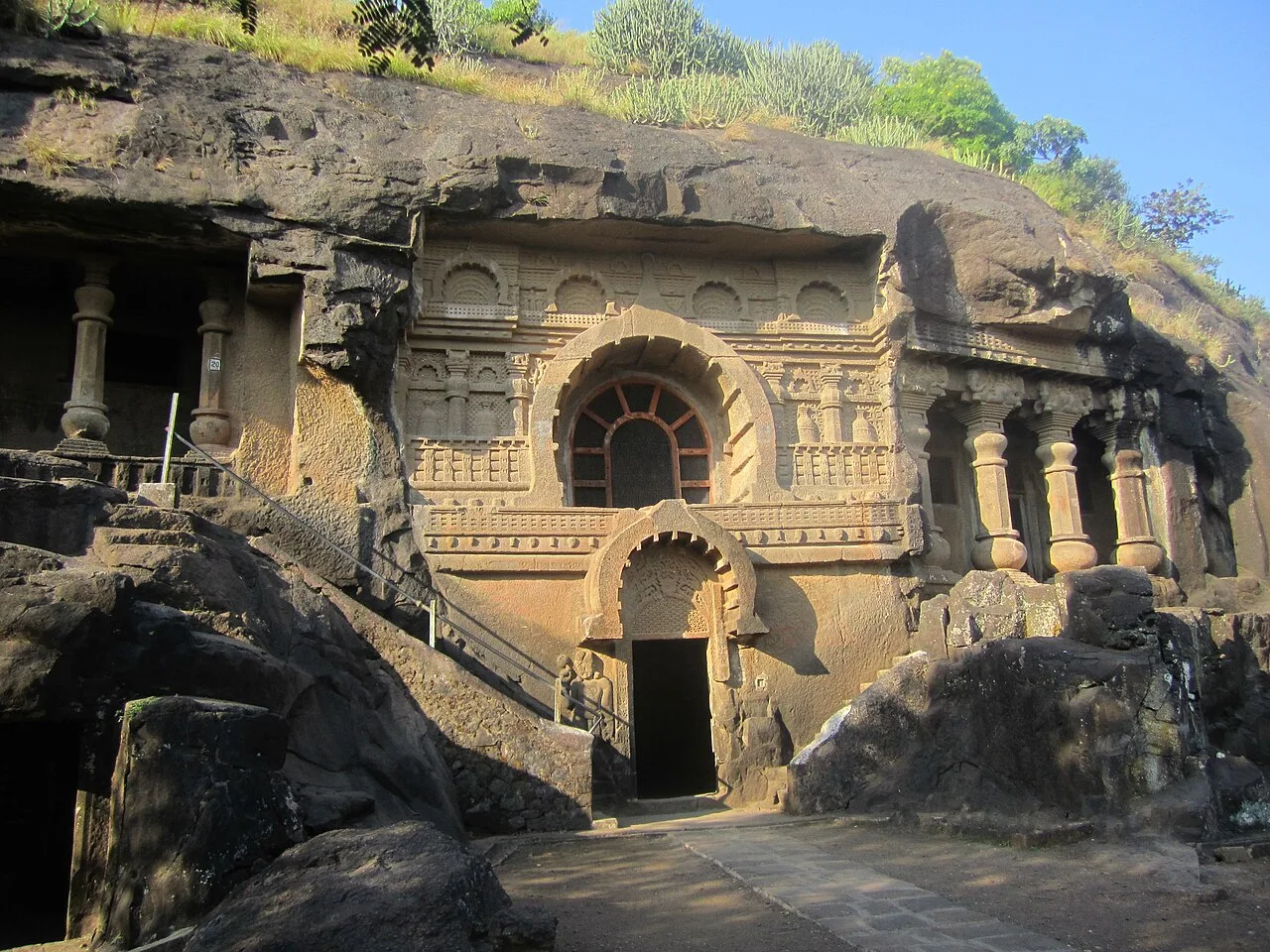
  • Pandavleni Buddhist caves
  • Kalaram Temple
In the city
2
District
Nashik

Why Nashik matters

Nashik is a major city in northern Maharashtra and the administrative centre of Nashik district. Set on the Godavari River, it connects the state’s interior with Mumbai and is an important centre for commerce, manufacturing and services. Its location on the Deccan Plateau also makes it a gateway to vineyards, hill country and pilgrimage sites in the surrounding region.

The city’s best-known draw is its religious heritage. Panchavati, in the old city, is associated with the Ramayana and has temples and bathing ghats along the Godavari. Nashik is one of the venues of the Kumbh Mela, held here every 12 years, while Trimbakeshwar, a major pilgrimage town near the city, is linked to the river’s source. Visitors also come for the ancient Pandavleni caves and the vineyards around Nashik. The city’s mix of pilgrimage, history, wine tourism and growing industry gives it significance beyond its role as a regional hub.
Famous for: crafts, trade & products

Nashik is closely associated with table grapes and wine. Grapes grown in the district have a recognised geographical indication, and vineyards around the city have made the area a prominent centre for Indian wine production. Visitors can explore winery estates, particularly in the countryside west of the city, while local shops and markets sell seasonal grapes and related products. Lasalgaon, in Nashik district, is a major onion-trading centre; onions are also a familiar feature of the region’s produce trade.

The city is not especially identified with one signature textile or handicraft. Nearby Yeola is known for Paithani silk sarees, which can be sought out through specialist retailers or by visiting the town. In Nashik, the old-city lanes around Main Road and Saraf Bazaar are useful for everyday shopping, jewellery and local goods. Manufacturing is another part of the local economy: industrial estates at Satpur and Ambad host engineering and other businesses, while the Currency Note Press and India Security Press at Nashik Road are notable institutions. These sit alongside wholesale trade in agricultural produce and the city’s expanding wine sector.

History

Nashik’s history reaches back to ancient times. The Buddhist rock-cut caves at Pandavleni, with inscriptions and architectural remains from the early centuries BCE and CE, testify to the region’s importance on historic trade routes. Hindu tradition associates the city’s Panchavati area with events from the Ramayana. The city is also known to have been called Gulshanabad during the Mughal period, before becoming part of the Maratha sphere and later British India.

Under British rule, rail connections and civic institutions helped link Nashik with wider markets. A tram service connecting the old city with Nashik Road began in 1889 and operated for several decades. Nashik also became a centre of political activism: revolutionary activity in the early 20th century included the assassination of district collector A. M. T. Jackson in 1909, while B. R. Ambedkar led the Nashik Satyagraha for temple entry in 1930. After independence, industrial estates and security-printing facilities supported modern growth, alongside the expansion of trade and services.

Food, festivals & culture

Marathi is the main language of daily life, with Hindi and Urdu also widely heard. Nashik’s food culture includes spicy misal, vada pav, kande pohe and snacks such as chivda; local menus also reflect Maharashtra’s broader home-style cooking. Grapes and wine are closely tied to the region, and seasonal fruit is a familiar presence in shops and markets. Sweet dishes vary by household and festival, with treats such as puran poli and karanji appearing on celebratory tables.

Ganesh Chaturthi, Diwali and Gudi Padwa are widely observed, while Ram Navami has a special association with the temples of Panchavati. The Kumbh Mela, held every 12 years, brings large numbers of pilgrims to the Godavari and nearby Trimbakeshwar. Temple worship, bhajan and kirtan are part of religious life; lavani and tamasha belong to Maharashtra’s broader folk-performance traditions. Kalaram Temple, the ghats at Panchavati and other shrines along the river are important places of worship and gathering.

Visiting the city

The cooler, drier months from November to February are generally the most comfortable for exploring Nashik. The monsoon, roughly June to September, brings greener scenery, though rain can affect outdoor plans. Nashik Airport at Ozar serves the city; Mumbai’s airport is another option for travellers whose journeys require a wider choice of connections. The main rail gateway is Nashik Road railway station, east of the old city.

Auto-rickshaws, taxis and local buses can help visitors get around. Panchavati and the Godavari ghats are good places to explore on foot, while the old-city lanes offer markets and temples. College Road and Gangapur Road have shops, cafés and access to the vineyard countryside. Pandavleni lies on the city’s outskirts, and Trimbakeshwar makes a popular excursion beyond the city.

Attractions

Places to visit in Nashik

Sights within about 12 km of each other, even when they fall in different districts.

Map

Nashik on the map

  1. 1Kalaram Temple
  2. 2Pandavleni Caves

Maharashtra

Other cities to explore