
Ghumoopedia — Explore, Discover, Experience
Sign in
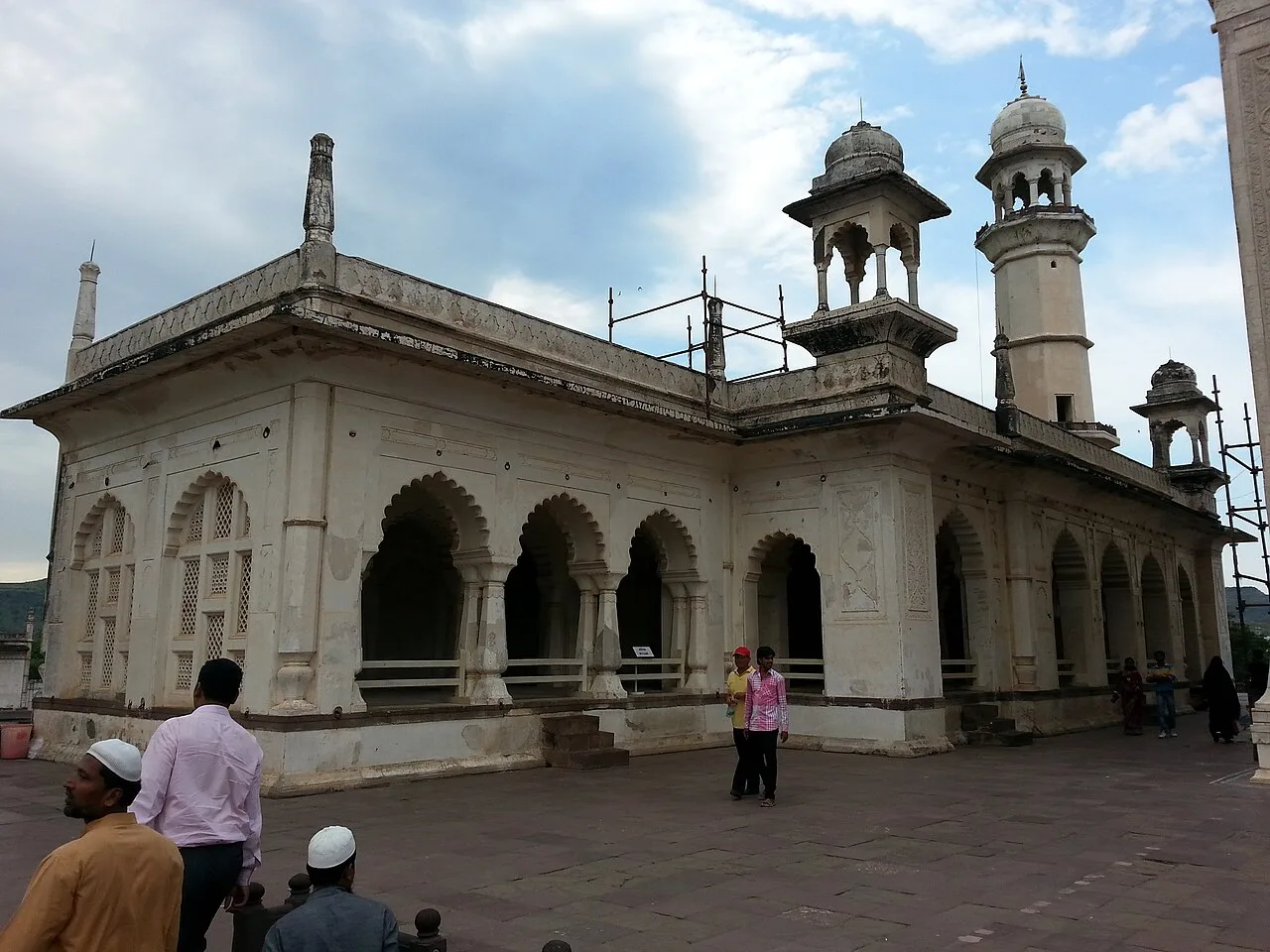
Bibi Ka Maqbara, near Aurangabad

City guide · Maharashtra

Aurangabad

Chhatrapati Sambhajinagar, long known as Aurangabad, is a major centre of Maharashtra’s Marathwada region. Its location makes it a convenient base for exploring some of India’s best-known heritage sites: the Ellora Caves are nearby, while the Ajanta Caves can be visited on a longer day trip.

Famous for

  • Ajanta and Ellora caves
  • Bibi Ka Maqbara
  • Himroo weaving
  • Paithani silk sarees
  • Naan Qalia
In the city
1
District
Chhatrapati Sambhajinagar

Why Aurangabad matters

Chhatrapati Sambhajinagar, long known as Aurangabad, is a major centre of Maharashtra’s Marathwada region. Its location makes it a convenient base for exploring some of India’s best-known heritage sites: the Ellora Caves are nearby, while the Ajanta Caves can be visited on a longer day trip. Both are UNESCO World Heritage Sites. In the city, Bibi Ka Maqbara, the old gates, Aurangabad Caves and Panchakki offer glimpses of its Mughal-era architecture and history.

The city is also known for its textile traditions, especially Himroo weaving, and for its connections to Paithani sarees made in Paithan. It serves as an educational, administrative and commercial hub for the surrounding region, with institutions such as Dr. Babasaheb Ambedkar Marathwada University. Manufacturing is another part of its modern identity: the nearby Aurangabad Industrial City, or AURIC, is a planned industrial and smart-city development. Together, heritage tourism, local crafts and regional commerce give the city importance beyond its historic monuments.

Famous for: crafts, trade & products

Himroo, a patterned fabric traditionally woven with silk and cotton, is one of the city’s best-known crafts. Shawls, furnishings and other Himroo goods can be sought out at textile shops and markets in the old city; ask about the weave and its materials when comparing pieces. The wider region is also associated with Paithani, the GI-tagged silk saree traditionally woven in Paithan, south of the city. Visitors can look for Paithani retailers in the city or visit Paithan to learn more about the weaving tradition.

Local markets, including Gul Mandi and shops around the old city, are useful places to browse textiles, clothing and everyday goods. Aurangabad also has a long cotton-textile history, while present-day manufacturing includes engineering and other industrial activity in and around the AURIC development. The city’s educational institutions, particularly Dr. Babasaheb Ambedkar Marathwada University, serve students from across the region. For crafts, favour established sellers who can explain where an item was made; not every product labelled “Himroo” or “Paithani” is necessarily handwoven.

History

The city’s modern urban history began as Khaḍkī, established around 1610 by Malik Ambar, a statesman and military leader of the Ahmadnagar Sultanate. His successor, Fateh Khan, renamed it Fatehnagar. Mughal prince Aurangzeb made the city his Deccan capital in 1653 and gave it the name Aurangabad. Under Mughal rule it developed as a military, trading and cultural centre, and a defensive wall with numerous gates was built. Several gates remain part of the cityscape.

In 1724, Asaf Jah I founded the Hyderabad State, with Aurangabad initially serving as its capital. The capital moved to Hyderabad in 1763, though Aurangabad remained an important regional city. It came under the British-era political arrangement as part of Hyderabad State, rather than becoming a major British-administered city. After Indian independence, it passed through Hyderabad State and Bombay State before becoming part of Maharashtra in 1960. Industry expanded from the late nineteenth century, and modern development includes regional education, manufacturing and AURIC, established as a planned industrial city.

Food, festivals & culture

Marathi is widely spoken, alongside Hindi, Urdu and other languages of the region. The city’s food reflects Deccan, Mughal and Hyderabad influences. Naan Qalia—naan served with a richly spiced meat curry—is a signature local dish; biryani, kebabs and tahri are also common choices. Mawa jalebi is a well-known sweet associated with the city. Restaurants and food shops across the old city and newer commercial areas offer opportunities to try these dishes.

Ganesh Chaturthi, usually in August or September, and Diwali, generally in October or November, are widely observed; Eid celebrations follow the Islamic lunar calendar. Local religious life includes mosques, temples and other places of worship. Jama Mosque is among the city’s historic mosques, while Grishneshwar Jyotirlinga temple lies near Ellora. Devotional singing, bhajans and qawwali form part of the area’s musical traditions, alongside popular Marathi performance styles such as lavani and lezim. Festival dates vary from year to year, so check locally when planning a visit.

Visiting the city

October to February is generally the most comfortable season for sightseeing. The monsoon, from June to September, can bring heavy rain and cloudy days; summer is very hot. Chhatrapati Sambhajinagar Airport, also commonly called Aurangabad Airport, serves the city. The main rail gateway is Chhatrapati Sambhajinagar railway station, formerly known as Aurangabad railway station.

Auto-rickshaws, local buses, taxis and app-based cabs can help with trips within the city. A taxi or hired car is practical for excursions to Ellora, Daulatabad Fort and Grishneshwar; Ajanta is farther away and takes more planning. Explore the old-city lanes around the historic gates and Gul Mandi for markets and architecture, then visit the Bibi Ka Maqbara area and the caves within the city. Newer commercial districts offer restaurants and everyday services.

Attractions

Places to visit in Aurangabad

Sights within about 12 km of each other, even when they fall in different districts.

Map

Aurangabad on the map

  1. 1Bibi Ka Maqbara

Maharashtra

Other cities to explore