
Ghumoopedia — Explore, Discover, Experience
Sign in
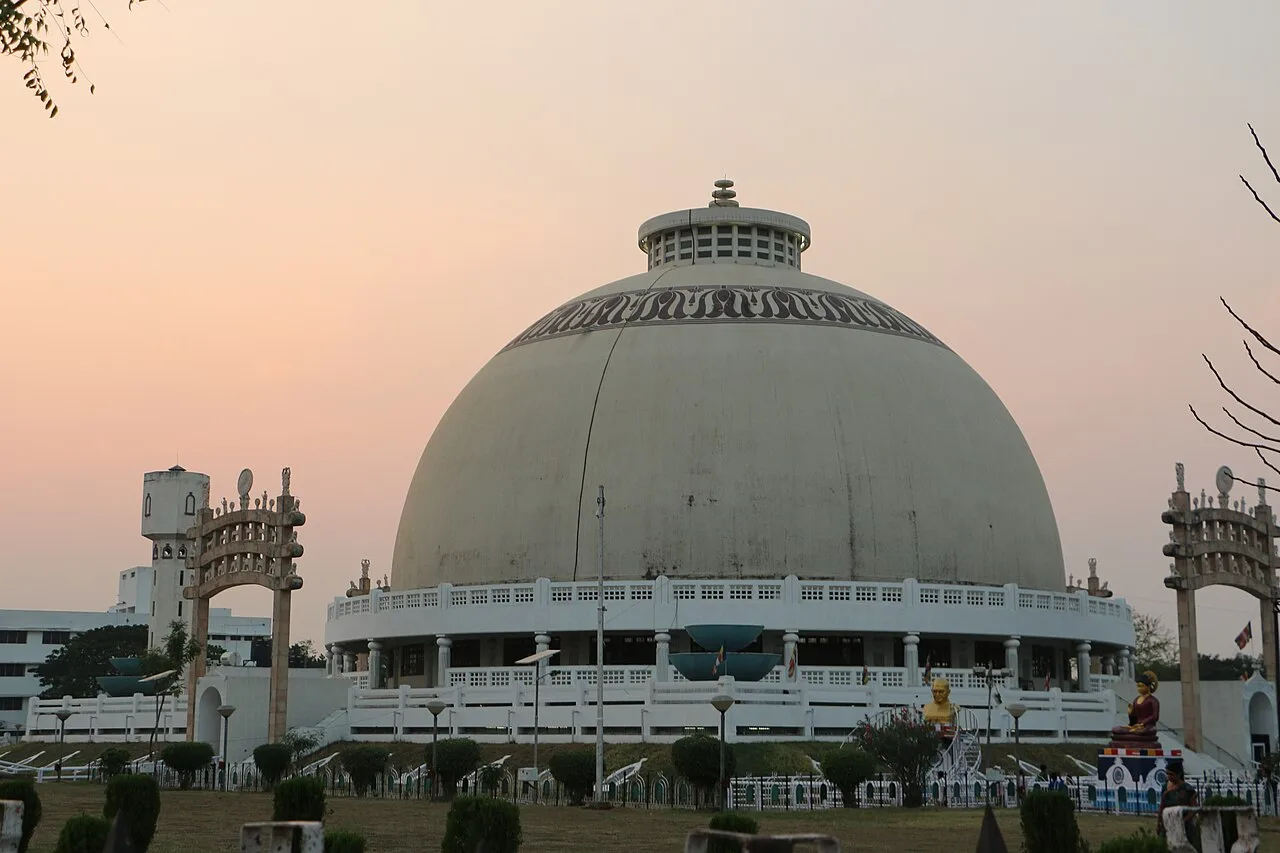
Deekshabhoomi, near Nagpur

City guide · Maharashtra

Nagpur

Nagpur is a major commercial and administrative centre of Maharashtra’s Vidarbha region. It is the state’s second capital, hosting the legislature’s winter session, and is home to a regional bench of the Bombay High Court.

Famous for

  • Nagpur oranges
  • Deekshabhoomi stupa
  • Saoji cuisine
  • Santra barfi
  • Tiger reserve gateway
In the city
1
District
Nagpur

Why Nagpur matters

Nagpur is a major commercial and administrative centre of Maharashtra’s Vidarbha region. It is the state’s second capital, hosting the legislature’s winter session, and is home to a regional bench of the Bombay High Court. Its position at the heart of central India has helped make it an important hub for transport, trade, education and healthcare.

The city is widely called the Orange City because it serves as a key trading centre for oranges grown across the surrounding region. Visitors come for Deekshabhoomi, an important Buddhist pilgrimage site associated with B. R. Ambedkar, as well as historic neighbourhoods, temples and local food. Nagpur is also a convenient base for trips to tiger landscapes and reserves in the wider region, including Pench. The city brings together a strong Buddhist presence, the headquarters of the Rashtriya Swayamsevak Sangh, and a diverse mix of Marathi, Hindi and regional cultures. This combination of civic importance, religious heritage and regional connections gives Nagpur a character distinct from Maharashtra’s coastal cities.

Famous for: crafts, trade & products

Nagpur’s best-known regional product is its sweet, aromatic orange. The GI-tagged Nagpur Orange is grown across the wider region and brought into the city’s produce trade. Kalamna Agricultural Produce Market is an important wholesale centre, while neighbourhood fruit shops and markets offer seasonal oranges and orange-based treats. Santra barfi, a local sweet made with milk solids and orange, is a popular edible souvenir.

The city is also associated with Saoji cuisine, prized for its bold, chilli-rich curries, and with tarri poha, a breakfast of flattened rice served with a spicy chickpea gravy. Sitabuldi, Itwari and Gandhibagh are busy shopping areas for groceries, clothing, household goods and everyday market browsing. Nagpur is not especially known for a signature saree or handicraft tradition; its commercial identity is more closely tied to agricultural trade, food processing and transport. Cotton textiles were important to its earlier industrial growth, notably at the historic Empress Mills. Today, manufacturing, logistics and the MIHAN development add to the city’s economic profile.

History

The Gond ruler Bakht Buland Shah is credited with founding Nagpur in 1702 by bringing together a group of villages. The city later became the seat of the Bhonsle rulers of the Maratha Empire, who expanded their influence across the region. After conflict with the British, Nagpur came under British control in the nineteenth century and became the capital of the Central Provinces and Berar. The railway’s arrival in 1867 strengthened its role as a commercial centre, while textile mills added to its industrial growth.

Nagpur was an important site in India’s independence movement, including the Indian National Congress session held here in 1920. The Rashtriya Swayamsevak Sangh was founded in the city in 1925. After independence, Nagpur served as the capital of Madhya Pradesh for a short period. The reorganisation of states in 1956 transferred it to Bombay State; with the formation of Maharashtra in 1960, it became part of the new state. Under the Nagpur Pact, it was recognised as Maharashtra’s second capital.

Food, festivals & culture

Nagpur’s food reflects Vidarbha’s fondness for robust flavours. Saoji mutton and chicken curries are known for their heat, while tarri poha is a familiar breakfast, often served with a spicy chickpea curry. The city’s signature sweet is santra barfi, and oranges appear in seasonal drinks and desserts. Marathi and Hindi are widely spoken; Varhadi, a regional Marathi dialect, is also heard in and around the city.

Ganesh Chaturthi brings public celebrations and household worship, while Diwali, Holi, Eid and Christmas are observed across the city. Deekshabhoomi draws large numbers of Buddhist visitors, especially for Dhamma Chakra Pravartan Din in October. The annual Marbat procession, associated with the monsoon-season Pola festivities, is a distinctive local tradition. Folk forms, devotional singing, dhol-tasha rhythms and lezim performances enliven religious and community events. Places of worship include Deekshabhoomi, the hilltop Tekdi Ganesh Temple, mosques, churches and gurdwaras, reflecting Nagpur’s varied religious life.

Visiting the city

October to February is generally the most comfortable season to explore Nagpur; summers can be very hot, and the monsoon brings rain. Dr. Babasaheb Ambedkar International Airport serves the city, while Nagpur Junction is its main railway station. The metro, city buses, auto-rickshaws and app-based cabs are useful for getting around; autos and cabs are convenient for attractions beyond the main corridors.

Explore Mahal for older streets and heritage sites, Sitabuldi for shopping and central-city bustle, and Civil Lines for civic landmarks. Dharampeth and Sadar offer dining and shops, while Seminary Hills and the Futala area are popular for outdoor walks and evening outings. Deekshabhoomi is an essential stop for visitors interested in Buddhist history. Nagpur also makes a practical starting point for journeys towards tiger reserves in the surrounding region; check local travel conditions before setting out.

Attractions

Places to visit in Nagpur

Sights within about 12 km of each other, even when they fall in different districts.

Map

Nagpur on the map

  1. 1Deekshabhoomi

Maharashtra

Other cities to explore