
Ghumoopedia — Explore, Discover, Experience
Sign in
Mahabaleshwar, near Mahabaleshwar

City guide · Maharashtra

Mahabaleshwar

Mahabaleshwar is a town and municipal council in Satara district, Maharashtra. People visit for its religious connection to the sacred Krishna River and five tributaries, as well as its history as a hill station.

Famous for

  • Mahabaleshwar strawberries
  • Krishna River source
  • Venna Lake
  • Western Ghats viewpoints
  • Mahabaleshwar Temple
In the city
3
District
Satara

Why Mahabaleshwar matters

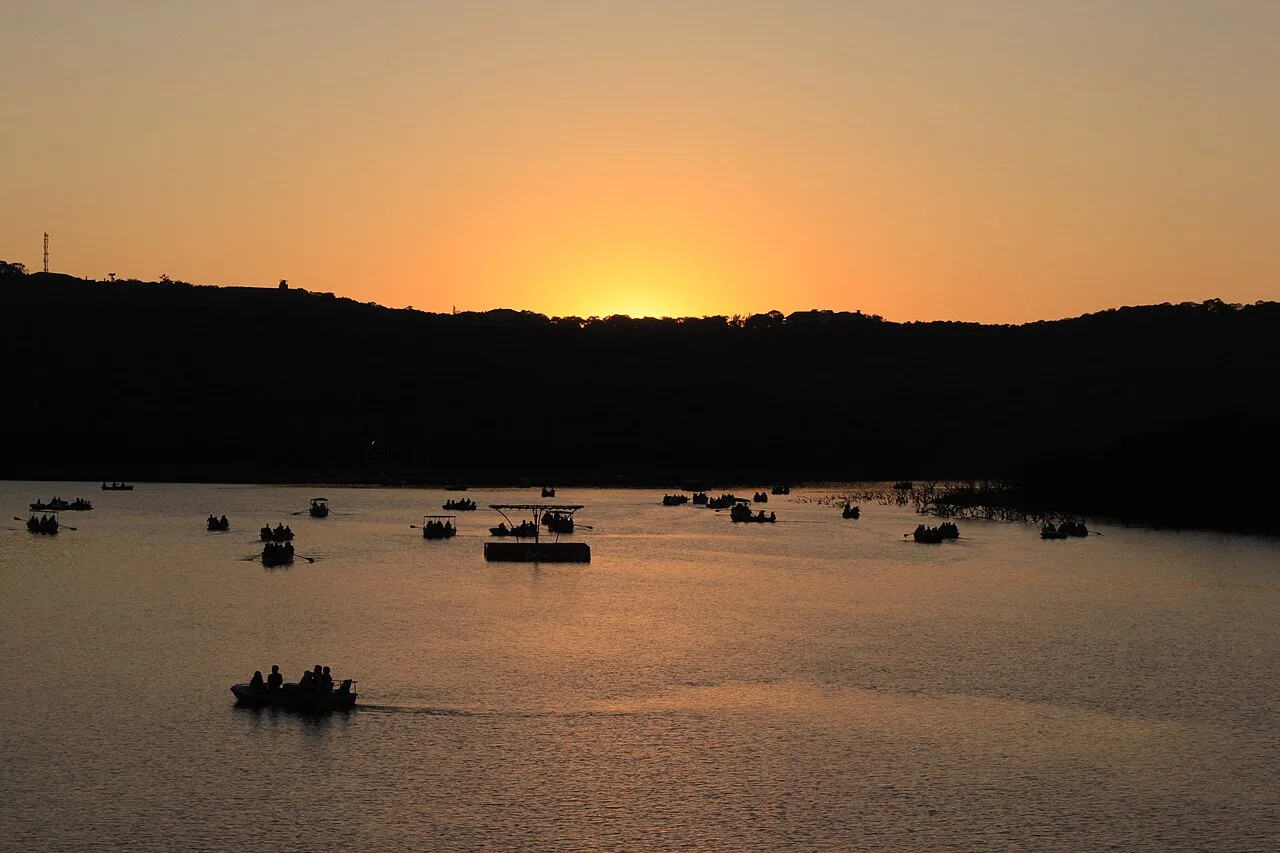
Mahabaleshwar is a hill town in Maharashtra’s Satara district, set on the Sahyadri range of the Western Ghats. Its cool upland setting, wooded slopes and far-reaching valley views have made it one of the state’s best-known retreats. Visitors come for scenic viewpoints, walks, boating on Venna Lake and excursions to nearby forts and hill towns. The town also has religious significance: the Krishna River and several other rivers are traditionally associated with springs in the Mahabaleshwar region, and the old Mahabaleshwar Temple draws pilgrims.

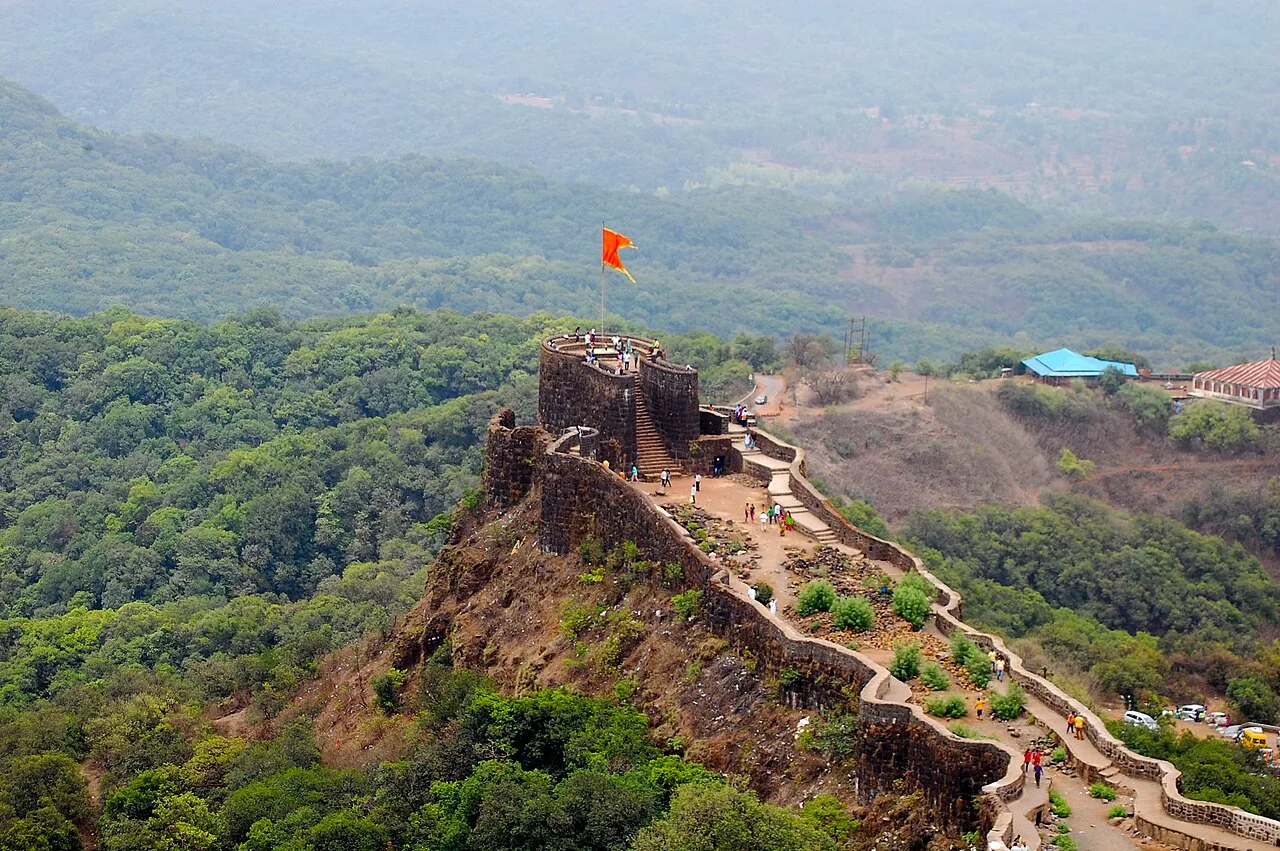
Agriculture gives the town another distinction. Its climate supports strawberry cultivation, and Mahabaleshwar strawberries carry a Geographical Indication (GI) tag. Fresh fruit and preserves are especially prominent in the local visitor experience. Developed as a British hill station and once the summer capital of the Bombay Presidency, Mahabaleshwar still combines colonial-era buildings and planned promenades with temples, farms and busy seasonal markets. It is a popular base for exploring the surrounding plateau, forested valleys and Pratapgad Fort.
Famous for: crafts, trade & products

Mahabaleshwar is best known for strawberries and other soft fruit rather than for textiles or a major handicraft industry. The region’s strawberries have a Geographical Indication (GI) tag, awarded in 2010, and the crop is an important part of its agricultural identity. Fresh berries are most readily found during the harvest season, generally in the cooler months and into spring. Roadside farm stalls and shops around Malcolm Peth and the main market sell fruit and locally made strawberry jam, syrup and other preserves. Mulberries and other seasonal produce may also appear in shops and market stalls.

Visitors will also encounter strawberry-and-cream desserts, fudge and chikki in the town’s confectionery shops. These are popular holiday treats, though they are not a substitute for a distinct local craft tradition. Look around Malcolm Peth’s bazaar and the roads leading to the main viewpoints for fruit, preserves and packaged sweets. Mahabaleshwar’s economy also includes hospitality and tourism, with farms and food outlets drawing visitors alongside its lake, temples and scenic lookouts.

History

Mahabaleshwar’s religious history centres on the old temple and the sacred river sources associated with the region. Local tradition attributes an early temple and water tank at the Krishna’s source to a Yadava ruler. The surrounding Jawali valley was controlled by the More clan, until Chhatrapati Shivaji seized it in 1656; Pratapgad Fort was built nearby during the Maratha period.

After the Maratha Empire declined, the British gained control of the hills in the early nineteenth century. They developed Mahabaleshwar as a sanatorium and summer retreat, and it became the summer capital of the Bombay Presidency in the mid-1800s. Venna Lake was constructed in 1842, while roads, public facilities and viewpoints helped establish the hill station. British officials and their families spent extended periods here, and European plants, including strawberries, were introduced. Colonial-era residences and Raj Bhavan remain reminders of this period. Today, tourism, hospitality and fruit growing shape the town, alongside its longstanding role as a pilgrimage destination.

Food, festivals & culture

Food is a central part of a visit, especially fresh strawberries, often served with cream, along with jams, syrups, fudge and chikki. Maharashtrian meals and snacks are available in local eateries, while menus also cater to visitors from across India. Fruit is seasonal, so what is freshly harvested varies through the year.

Marathi is the principal local language; Hindi and English are also widely understood in visitor-facing businesses. Hindu worship is closely tied to the town’s identity. The Mahabaleshwar Temple and the nearby Panchganga Temple are important places to visit, with the latter associated with the meeting or source of sacred rivers in local tradition. Mahashivratri, usually in late winter or early spring, is observed at Shiva temples. Ganesh Chaturthi falls during the monsoon season, and Diwali is celebrated in autumn. Marathi devotional singing, bhajans and kirtan are part of religious gatherings; regional folk forms are heard at community celebrations. Strawberry-themed events may be held during the harvest season.

Visiting the city

The most comfortable period for sightseeing is generally October to May, when conditions are cooler and roads and viewpoints are more accessible. The monsoon, roughly June to September, brings dramatic greenery and heavy rain, but can also mean poor visibility, slippery paths and travel disruption. Check local conditions before setting out in wet weather.

Pune Airport is the nearest major airport. Wathar is the closest railway station, while Satara is another rail gateway; both require onward road travel. Buses, taxis and private vehicles connect Mahabaleshwar with Pune, Satara and other towns. Within the area, taxis and hired vehicles are useful for reaching dispersed viewpoints. Explore Malcolm Peth for shops and services, Old Mahabaleshwar for temples, and the Venna Lake area for boating and lakeside walks. Allow time for viewpoints such as Wilson Point and for a trip to nearby Pratapgad Fort.

Attractions

Places to visit in Mahabaleshwar

Sights within about 12 km of each other, even when they fall in different districts.

Map

Mahabaleshwar on the map

  1. 1Mahabaleshwar
  2. 2Bhilar (Book Village)
  3. 3Pratapgad

Maharashtra

Other cities to explore