
Ghumoopedia — Explore, Discover, Experience
Sign in
Guhagar, near Dapoli

City guide · Maharashtra

Dapoli

Dapoli is a hill town and taluka headquarters in Ratnagiri district, serving as a service and education centre for villages across this stretch of the Konkan. Set inland from the Arabian Sea, it is a practical base for exploring a varied coastline of beaches, fishing settlements and temple villages.

Famous for

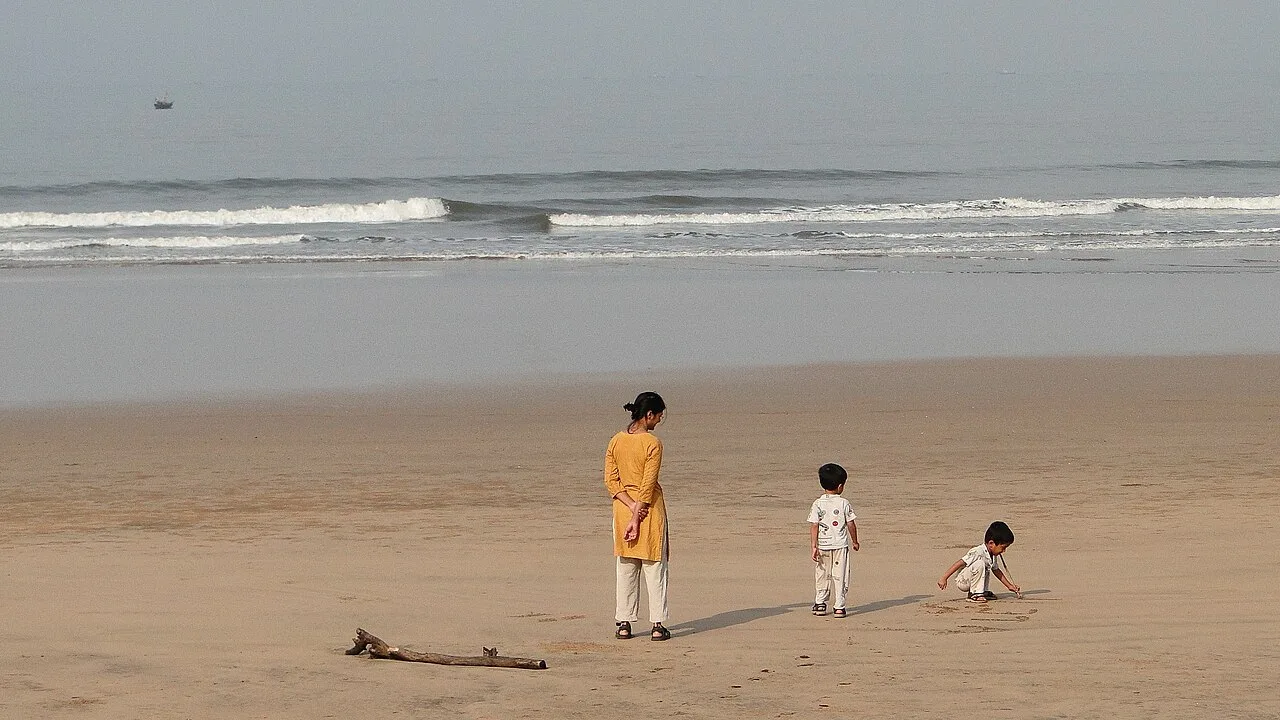
  • Dapoli beaches
  • Kadyavarcha Ganpati Temple
  • Panhalekaji Caves
  • Konkan agriculture university
  • Harnai fishing harbour
In the city
0
Nearby
1
District
Ratnagiri
Plan a trip

Why Dapoli matters

Dapoli is a hill town and taluka headquarters in Ratnagiri district, serving as a service and education centre for villages across this stretch of the Konkan. Set inland from the Arabian Sea, it is a practical base for exploring a varied coastline of beaches, fishing settlements and temple villages. The town is often called Camp Dapoli, a name linked to its British-era military encampment.

Visitors come for nearby shores such as Murud, Karde, Anjarle and Ladghar, as well as the temples at Anjarle and Kelshi, the Unhavare hot-water spring and the historic Panhalekaji Caves. Harnai’s harbour and fish market offer a glimpse of coastal working life, while the surrounding countryside has coconut groves and a distinctly rural character. Dr. Balasaheb Sawant Konkan Krishi Vidyapeeth, a major agricultural university, gives Dapoli a wider regional role beyond tourism. Its combination of education, agriculture, local services and access to the coast makes it an important stop in northern Ratnagiri.

Famous for: crafts, trade & products

Dapoli is better known for its coastline, agricultural learning and regional services than for a signature textile, handicraft or large manufacturing industry. No particular GI-tagged product or famous saree tradition is strongly associated with the town. Coconut cultivation is a visible part of the coastal landscape, and the nearby fishing settlements are closely tied to the local economy.

For visitors, Harnai Bandar is a place to see the fishing trade and look for fresh catch; availability depends on the day and season. Small shops and local markets in Dapoli and nearby villages are useful for everyday provisions and locally produced food. Seasonal Konkan fruit and other farm produce may be available, though varieties and supply change through the year. The town’s most distinctive institution is Dr. Balasaheb Sawant Konkan Krishi Vidyapeeth, which supports agricultural education and research for the region. Rather than travelling here for a dedicated craft market, visitors are more likely to encounter local products while exploring village markets, beach settlements and the harbour.

History

Dapoli developed as a central town for the surrounding villages, helped by its position inland from the Arabian Sea and its links to the coastal settlements of the Konkan. Its local history is also tied to nearby villages and religious sites, including Anjarle and Kelshi, while Panhalekaji’s rock-cut caves reflect the region’s much older heritage.

During British rule, the town became a military camp and acquired the name Camp Dapoli. The colonial presence is recalled by the graves of British officers and an abandoned church. Dapoli later grew as an administrative and educational centre for its namesake taluka. Its modern identity has been shaped in part by Dr. Balasaheb Sawant Konkan Krishi Vidyapeeth, which brought agricultural education and research to the area, alongside schools, colleges and services for nearby communities. Today, the town connects inland settlements with the beaches, ports and villages of the Ratnagiri coast.

Food, festivals & culture

Marathi is the principal language of everyday life, with Konkani and other regional speech also heard across the coastal villages. Food reflects the Konkan setting: rice, fish, coconut and kokum feature in many local meals, and sol kadhi is a familiar accompaniment. Modak and other festive sweets are associated with celebrations, though menus vary between households and restaurants. Fish dishes are especially prominent around Harnai and other harbour settlements.

Ganeshotsav, usually celebrated in the monsoon season, is a major festival in Maharashtra and is observed in Dapoli and its villages. Diwali in autumn, Navratri and the springtime Shimga or Holi festivities also mark the local calendar. Temple visits and village jatra celebrations bring communities together; Kadyavarcha Ganpati at Anjarle and Mahalaxmi Mandir at Kelshi are notable places of worship nearby. Bhajans, devotional singing and folk performance form part of religious and seasonal gatherings, while coastal village life gives festivals a strongly community-based character.

Visiting the city

The most comfortable period for a visit is generally October to March, when conditions are usually more suitable for sightseeing and beach excursions. The monsoon brings heavy rain and lush scenery, but can make coastal travel less convenient. The nearest railway station is Khed, on the Konkan Railway, around 29 km from Dapoli. Navi Mumbai International Airport and Pune Airport are among the nearest major airport options; check current flight services before planning.

State transport and private buses connect Dapoli with towns across Maharashtra, while local taxis and hired vehicles are useful for reaching beaches and temples. Dapoli town makes a convenient base. For coastal outings, explore Harnai and Murud, Anjarle and its temple, or the beaches at Karde, Ladghar and Kelshi. Panhalekaji Caves and Unhavare spring make worthwhile inland excursions.

Short trips

Around Dapoli

Within about 40 km — easy half-day or day trips from the city.

Map

Dapoli on the map

  1. 1Guhagar

Maharashtra

Other cities to explore