
Ghumoopedia — Explore, Discover, Experience
Sign in
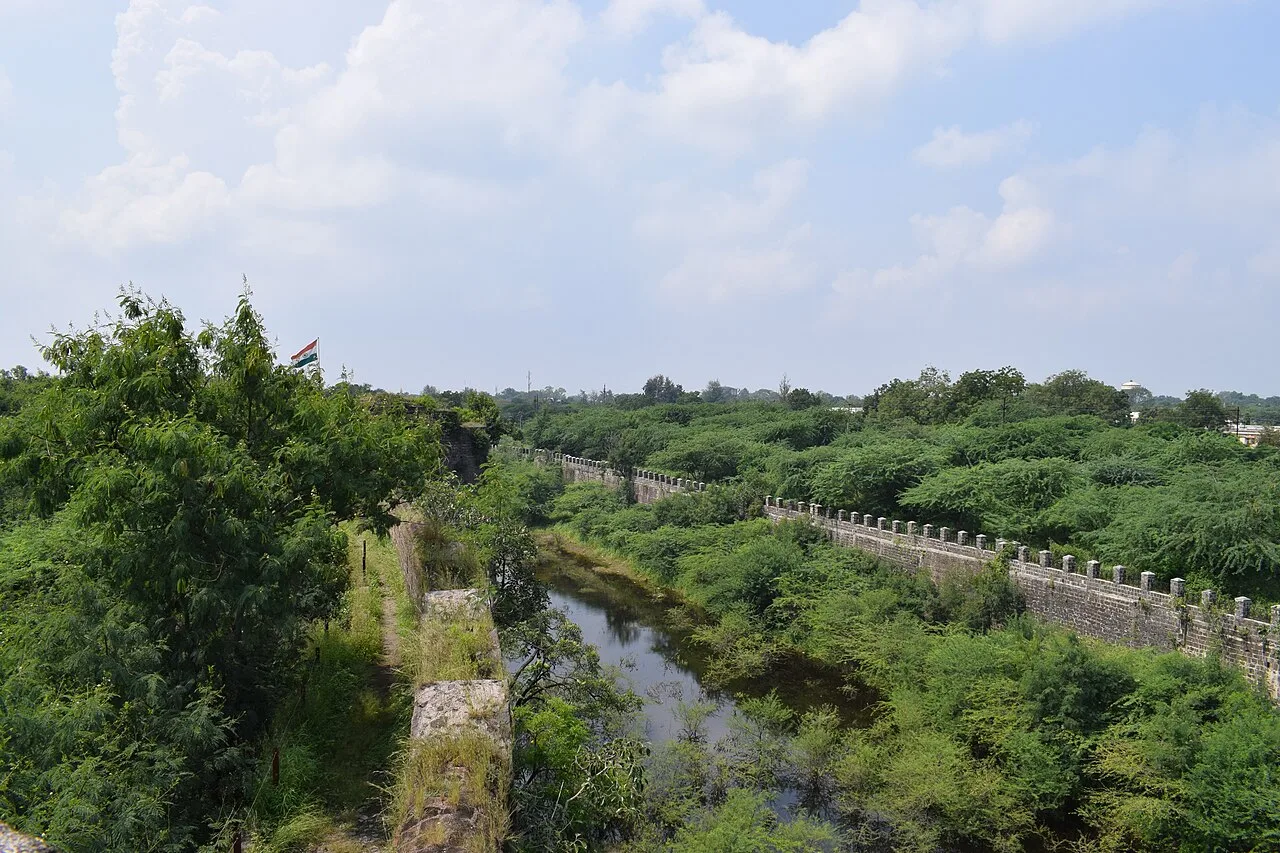
Ahmednagar Fort, near Ahilyanagar

City guide · Maharashtra

Ahilyanagar

Ahilyanagar, formerly Ahmednagar, is a historic city in western Maharashtra and the administrative headquarters of its district. Its position between Pune, Nashik and the Deccan plateau makes it an important regional centre for administration, trade, education and transport.

Famous for

  • Ahmednagar Fort
  • Nizam Shahi heritage
  • Cavalry Tank Museum
  • Army training institutions
  • Cooperative sugar industry
In the city
1
District
Ahilyanagar

Why Ahilyanagar matters

Ahilyanagar, formerly Ahmednagar, is a historic city in western Maharashtra and the administrative headquarters of its district. Its position between Pune, Nashik and the Deccan plateau makes it an important regional centre for administration, trade, education and transport. The city is best known for its Nizam Shahi-era fort and monuments, as well as its enduring military presence, which includes Indian Army training and research establishments.

Visitors come for the historic fort, the nearby Chand Bibi Mahal and the Cavalry Tank Museum, while the surrounding district offers a glimpse of Maharashtra’s cooperative sugar economy. Ahilyanagar is also associated with India’s independence movement: Jawaharlal Nehru was held at the fort during the British period and wrote The Discovery of India there. The city’s current name honours Ahilyabai Holkar. Though less metropolitan in character than Pune or Mumbai, it serves as a practical base for exploring the district’s historic sites and pilgrimage destinations.

Famous for: crafts, trade & products

Ahilyanagar is better known for its military institutions and cooperative industry than for a signature textile, saree weave or handicraft. The city and its hinterland are closely linked to sugar production and the cooperative movement; the wider district has numerous sugar factories. Agriculture and related trade support local businesses, while the city’s markets serve residents and visitors with everyday goods, clothing, household items and regional produce. The central bazaar area is a useful place to browse, though there is no single craft market that defines the city.

The Cavalry Tank Museum offers a distinctive look at armoured vehicles and military history; access arrangements may vary, so visitors should check before planning a visit. The city is also home to the Indian Armoured Corps Centre & School, the Mechanised Infantry Regimental Centre, the Vehicle Research and Development Establishment and the Controllerate of Quality Assurance Vehicles. These are important institutions, but they are not ordinary shopping or sightseeing destinations. No widely recognised GI-tagged product is especially associated with the city, so visitors seeking locally made goods can ask market traders about products from the surrounding region.

History

Ahmad Nizam Shah I founded the city in 1494, near the older settlement of Bhingar, and made it the centre of the Nizam Shahi sultanate. Its planned cityscape included palaces, markets and gardens. The Mughals conquered Ahmednagar in 1636; control later passed among the Marathas and the British. British forces captured the town in 1803, and it returned to British rule in 1817.

During the colonial era, the city developed as a military centre and also saw the establishment of early modern schools, including girls’ schools run by American missionary Cynthia Farrar. Ahmednagar Fort later became a place of detention for Indian nationalists. Jawaharlal Nehru was confined there in 1944 and wrote The Discovery of India during his imprisonment. After independence, the city continued to grow around military establishments, administration, agriculture and cooperative sugar production. Maharashtra approved the name change to Ahilyanagar in 2024, honouring the 18th-century ruler Ahilyabai Holkar.

Food, festivals & culture

Marathi is the main language of everyday life, alongside Hindi, Urdu and other languages spoken in the region. Local meals often draw on Maharashtrian staples such as jowar or bajra bhakri, pithla, vegetable preparations and rice. Snacks such as misal and vada pav are widely available, while sweets including puran poli and shrikhand are enjoyed especially during festive occasions. Menus and specialities vary between restaurants and households.

Ganesh Chaturthi, usually in August or September, brings public celebrations, devotional singing and processions. Navratri in September or October features worship, music and community gatherings; Diwali, generally in October or November, is marked with lamps and festive foods. Eid and Muharram are also observed by the city’s Muslim communities. Bhajans, kirtan, powada and lavani reflect broader regional traditions. Places of worship include the Vishal Ganapati temple and the historic Damdi Masjid; Meher Baba’s samadhi at Meherabad, outside the city, is an important nearby pilgrimage site.

Visiting the city

The cooler months, roughly November to February, are generally the most comfortable for sightseeing. Summers are hot, while rainfall is limited compared with the Western Ghats. Shirdi Airport is the nearest airport commonly used by visitors; Pune Airport offers a wider range of connections. The main rail stop is Ahilyanagar railway station. Road travel links the city with Pune and other regional centres.

Auto-rickshaws, local buses and app-based or hired cabs can help with trips around town; a car or taxi is useful for sites beyond the centre. Start around Ahmednagar Fort and the old central bazaar, then visit Chand Bibi Mahal and the Cavalry Tank Museum if access is available. Savedi provides a more modern residential and commercial area, while Meherabad makes a worthwhile excursion outside the city.

Attractions

Places to visit in Ahilyanagar

Sights within about 12 km of each other, even when they fall in different districts.

Map

Ahilyanagar on the map

  1. 1Ahmednagar Fort

Maharashtra

Other cities to explore