
Ghumoopedia — Explore, Discover, Experience
Sign in
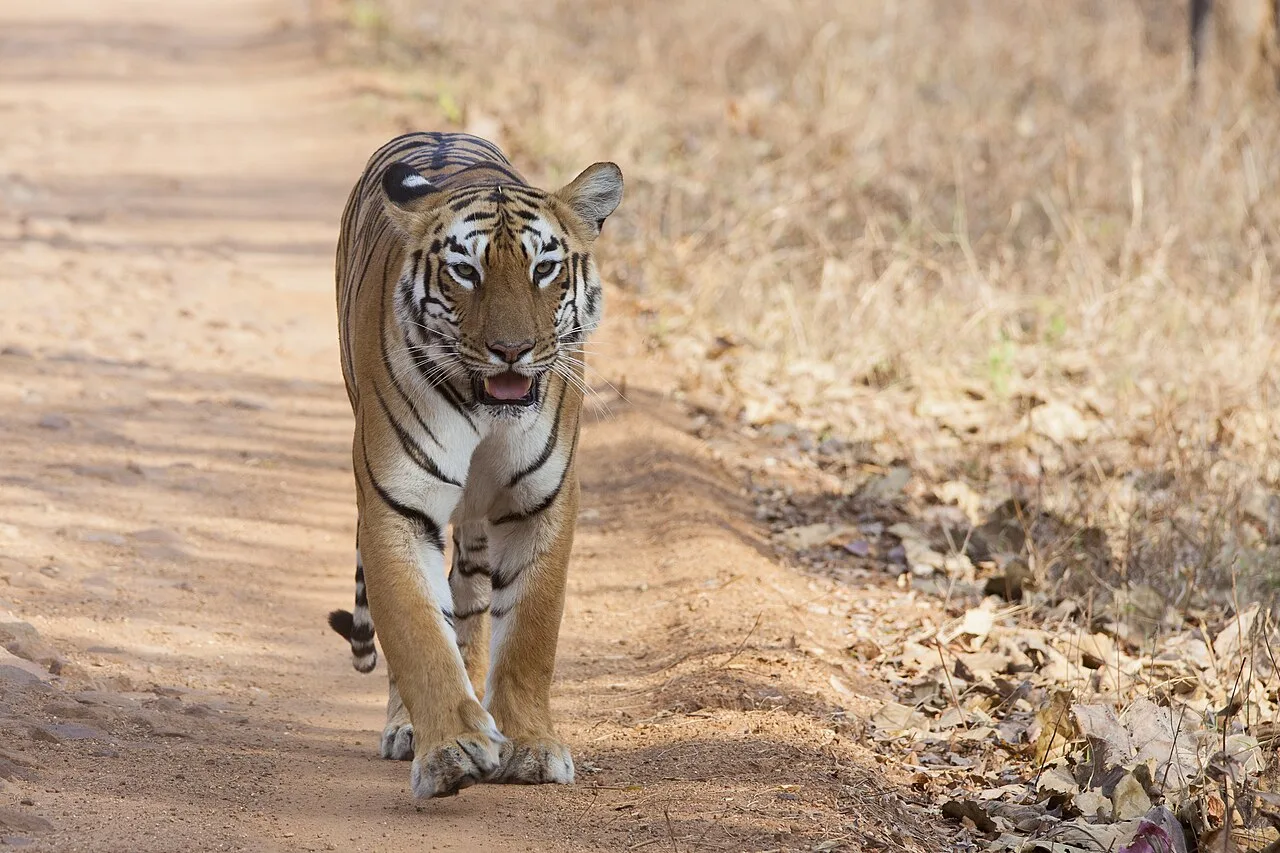
Tadoba Andhari Tiger Reserve, near Bhadravati

City guide · Maharashtra

Bhadravati

Bhadravati, formerly known as Bhandak, is a municipal city in Chandrapur district in eastern Maharashtra. About 26 km from Chandrapur, it serves nearby settlements with shops, services and transport links, while its industries make it an important employment centre in the district.

Famous for

  • Bhadranag Nagoba Temple
  • Bhadrawati Fort
  • Vijasan Tekdi Buddhist caves
  • Ordnance Factory
  • Coal mining
In the city
0
Nearby
1
District
Chandrapur
Plan a trip

Why Bhadravati matters

Bhadravati, formerly known as Bhandak, is a municipal city in Chandrapur district in eastern Maharashtra. About 26 km from Chandrapur, it serves nearby settlements with shops, services and transport links, while its industries make it an important employment centre in the district. The Ordnance Factory and surrounding open-cast coal mines are central to its modern identity.

Visitors come for a compact mix of heritage and religious sites. In the city are Bhadrawati Fort and the Bhadranag, or Nagoba, Temple; nearby Vijasan Tekdi is known for its Buddhist caves. Gavrala, close to town, has archaeological remains associated with the Vakataka period. These places offer a glimpse of the area’s long history, although facilities and visitor information can be limited. Bhadravati is also a practical base for exploring Chandrapur and the wider Vidarbha region. Its everyday character is shaped by a busy local market, industrial work, and the varied religious and cultural life of its neighbourhoods.

Famous for: crafts, trade & products

Bhadravati is better known for industry and regional trade than for a distinctive textile, handicraft or food product. The Ordnance Factory and nearby coal-mining operations are prominent parts of the local economy. Open-cast mines in the surrounding area include those at Majri, Chargaon, New Kunada, Telwasa, Dhorwasa and Baranj. These are working industrial sites, not attractions to enter without permission.

The city market is the most useful place for visitors to browse everyday goods. Shops sell groceries, grains, clothing, household items and other essentials, serving both city residents and people from nearby villages. Bhadravati is not widely identified with a specific GI-tagged product or a major craft tradition, so visitors should not expect a dedicated craft district or signature shopping street. For local religious heritage, the area around the Bhadranag Temple and the Jain temple offers a sense of the city’s devotional life, while Gavrala and Vijasan Tekdi are of interest for archaeological and Buddhist heritage. Check locally for access and current conditions before setting out.

History

Bhadravati was formerly called Bhandak, a name still reflected in the Bhandak railway station. The wider area has evidence of ancient settlement: excavations at nearby Gavrala uncovered fortifications associated with the Vakataka period. The city’s Bhadranag Temple, dedicated to a form of Shiva, is traditionally linked to the name Bhadravati. Bhadrawati Fort is locally attributed to Gond king Bhankyasing, though its age and early history are not firmly established by the available account.

During British rule, the town formed part of the wider Chandrapur region, then commonly known as Chanda. Its more recent growth has been shaped by rail and road connections, the Ordnance Factory, and coal mining across the surrounding belt. These industries helped make Bhadravati an employment and service centre for nearby communities. Today it combines this industrial role with local commerce and a heritage landscape that includes temple sites, fort remains and Buddhist caves at Vijasan Tekdi.

Food, festivals & culture

Marathi is widely used in the city and surrounding region; Hindi and regional Adivasi languages, including Gondi, are also heard. Everyday meals draw on the broader Vidarbha and Maharashtrian food traditions, with rice, lentils, vegetables and breads common. Bhadravati is not especially known for a signature dish or sweet, so visitors can look to local eateries and the market for familiar regional food rather than a specific city speciality.

Hindu festivals bring activity to the Bhadranag, or Nagoba, Temple, especially during Mahashivratri and Nag Panchami. Navratri is observed at local shrines, including the Bhawani Mata and Mahishasur Mardini temples. Diwali is also associated in Chandrapur district with Dandar, an Adivasi folk dance performed in honour of Krishna. The city’s religious landscape includes Hindu temples, a Shwetambar Jain temple dedicated to Parshvanath, mosques, gurdwaras and churches. Vijasan Tekdi’s Buddhist caves have hosted Buddha Dhamma conventions, adding another strand to the area’s cultural life.

Visiting the city

The cooler months, roughly October to February, are generally the most comfortable time to visit. The nearest major airport is Dr. Babasaheb Ambedkar International Airport in Nagpur; continue to Bhadravati by road or rail. The town’s railway station is Bhandak, on the Central Railway route, a short distance from the main bus stand. MSRTC and private buses serve Bhadravati, and auto-rickshaws are the main local transport.

In town, explore Bhadrawati Fort, the Bhadranag Temple, the Jain temple and the nearby market. Set aside extra time for Vijasan Tekdi and Gavrala, checking local access before visiting. Chandrapur is a useful nearby centre for additional services and onward travel. Industrial facilities and mines are workplaces, so visit them only with appropriate permission.

Short trips

Around Bhadravati

Within about 40 km — easy half-day or day trips from the city.

Map

Bhadravati on the map

  1. 1Tadoba Andhari Tiger Reserve

Maharashtra

Other cities to explore