
Ghumoopedia — Explore, Discover, Experience
Sign in
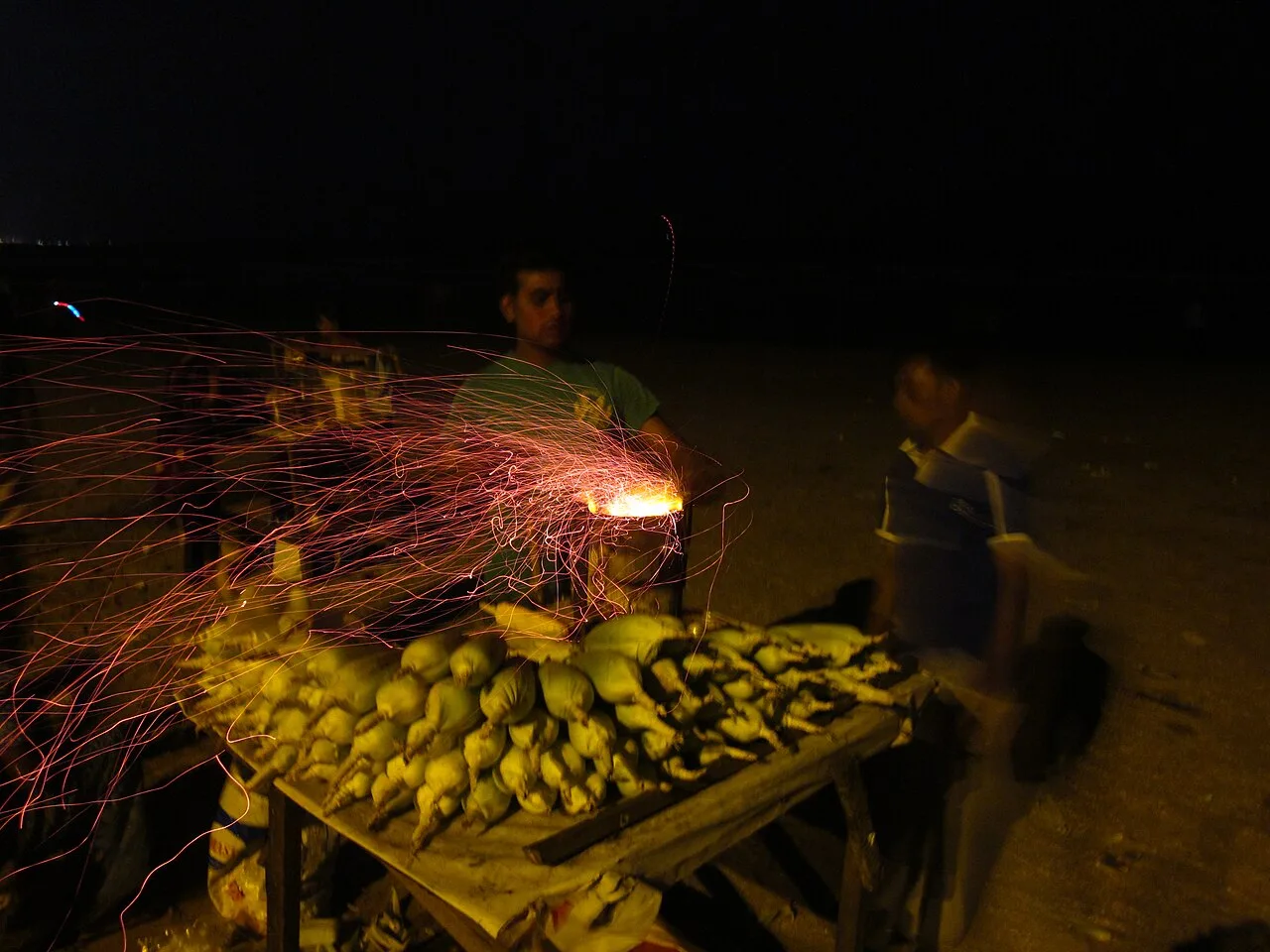
Juhu Beach, near Mumbai

City guide · Maharashtra

Mumbai

Mumbai is Maharashtra’s capital and a major centre for India’s finance, commerce and entertainment. Banks, businesses, media companies and the Bombay Stock Exchange are part of its economic life, while the film industry has made the city familiar to audiences around the world.

Famous for

  • Bollywood film industry
  • Gateway of India
  • Vada pav
  • Pav bhaji
  • Bombay Stock Exchange
In the city
1
District
Mumbai Suburban

Why Mumbai matters

Mumbai is Maharashtra’s capital and a major centre for India’s finance, commerce and entertainment. Banks, businesses, media companies and the Bombay Stock Exchange are part of its economic life, while the film industry has made the city familiar to audiences around the world. Its port and position on the Arabian Sea have long connected it to trade and travel. Mumbai also draws people from across India for work, study and opportunity, giving it a varied, fast-moving character.

Visitors come for landmarks such as the Gateway of India and Chhatrapati Shivaji Maharaj Terminus, the waterfront at Marine Drive, historic caves and lively street markets. The city’s appeal also lies in its contrasts: colonial-era buildings sit alongside modern towers, quiet temples and churches stand amid busy streets, and neighbourhood food stalls share space with celebrated restaurants. Marathi heritage, diverse communities and a strong arts scene shape daily life. Mumbai is a city to explore through its architecture, cinema, coastal views and food as much as through its business districts.

Famous for: crafts, trade & products

Mumbai’s textile story is tied to its former cotton mills, which helped drive its growth as a commercial city. The mills have largely given way to other uses, but fabric and garment trading remain visible in markets such as Mangaldas Market, where shoppers can browse cloth, dress materials and tailoring supplies. Zaveri Bazaar is known for jewellery, while Crawford Market and the lanes around it offer food, household goods and other wares. Dharavi has a notable small-scale manufacturing economy, including leather goods and recycling; visitors should choose a responsible, locally guided visit if exploring its workshops.

The city is also a major marketplace for goods from across Maharashtra and India. Seasonal Konkan Alphonso mangoes and Kolhapuri chappals, both associated with wider regions rather than made specifically in Mumbai, may be found through city retailers. Sassoon Dock reflects the importance of fishing and seafood trade. Mumbai’s financial institutions, including the Bombay Stock Exchange and Reserve Bank of India, are part of its identity, as are its film studios and production businesses. For street shopping, Colaba Causeway is known for accessories, souvenirs and clothing.

History

Mumbai grew from an archipelago of seven islands, inhabited by the Marathi-speaking Koli fishing community. The islands passed through the hands of several regional dynasties and later the Delhi and Gujarat Sultanates. Portuguese rule began in the 16th century; in 1661 the islands passed to the British Crown as part of Catherine of Braganza’s dowry, then were leased to the East India Company in 1668.

Under British rule, Bombay became a trading and administrative centre. Reclamation projects gradually joined the islands: the Hornby Vellard works began in 1782 and were completed in 1845. New roads, railways and port facilities, alongside the 19th-century cotton boom, fuelled expansion. The city also became a centre of the independence movement. After India became independent, Bombay was the capital of Bombay State; following the Samyukta Maharashtra movement, it became the capital of Maharashtra in 1960. The English name was officially changed to Mumbai in 1995, drawing on the name of the local goddess Mumbadevi.

Food, festivals & culture

Mumbai’s food reflects its coastal setting and many communities. Vada pav, pav bhaji, bhelpuri and sev puri are popular street foods; seafood dishes and Bombay duck are part of the local culinary repertoire. Irani cafés, Parsi kitchens and neighbourhood eateries add further variety. Modak, especially associated with Ganesh Chaturthi, is a much-loved sweet, while shops and stalls offer treats from across India.

Marathi is central to the city’s local identity, alongside Hindi, Gujarati, Urdu and English, among other languages. Ganesh Chaturthi, usually in August or September, brings public processions and neighbourhood celebrations; Navratri, usually in September or October, is marked by devotional events and dance. Eid, Christmas and Parsi New Year are also observed by their communities. Hindi and Marathi cinema, live music and theatre are prominent, while lavani and other Maharashtra dance traditions appear on stages and at cultural events. Places of worship include Mumbadevi Temple, Siddhivinayak Temple, Haji Ali Dargah, Mount Mary Basilica and the Walkeshwar-Banganga complex.

Visiting the city

November to February is generally the most comfortable season to explore Mumbai, with warm days and less rain. The monsoon, usually from June to September, brings heavy showers that can affect travel. Chhatrapati Shivaji Maharaj International Airport serves the city; Chhatrapati Shivaji Maharaj Terminus (CSMT) is a principal railway station, with Mumbai Central another major rail hub.

Local trains, the metro, BEST buses, taxis and app-based cabs connect many areas; ferries serve some waterfront routes. South Mumbai is rich in heritage buildings, museums and waterfront sights. Colaba, Fort and Kala Ghoda are good for landmarks, galleries and cafés, while Bandra offers promenades, shops and restaurants. For a different view of the city, explore Dadar’s markets, the seaside at Juhu, or the cave complex at Elephanta Island.

Attractions

Places to visit in Mumbai

Sights within about 12 km of each other, even when they fall in different districts.

Map

Mumbai on the map

  1. 1Juhu Beach

Maharashtra

Other cities to explore