Ghumoopedia — Explore, Discover, Experience
Sign in
Aga Khan Palace, near Pune

City guide · Maharashtra

Pune

Pune is a major city in western Maharashtra and the administrative centre of Pune district. Set on the Deccan Plateau, it is an important hub for education, information technology, automobiles and manufacturing.

Famous for

  • Shaniwar Wada
  • Puneri pagadi
  • Ganeshotsav celebrations
  • Misal pav
  • Educational institutions
  • Automobile and IT industries
In the city
4
Nearby
1
District
Pune
Plan a tripHotels near Pune

Why Pune matters

Pune is a major city in western Maharashtra and the administrative centre of Pune district. Set on the Deccan Plateau, it is an important hub for education, information technology, automobiles and manufacturing. Its colleges and universities draw students from across India, while a strong technology and business sector has helped shape its modern identity.

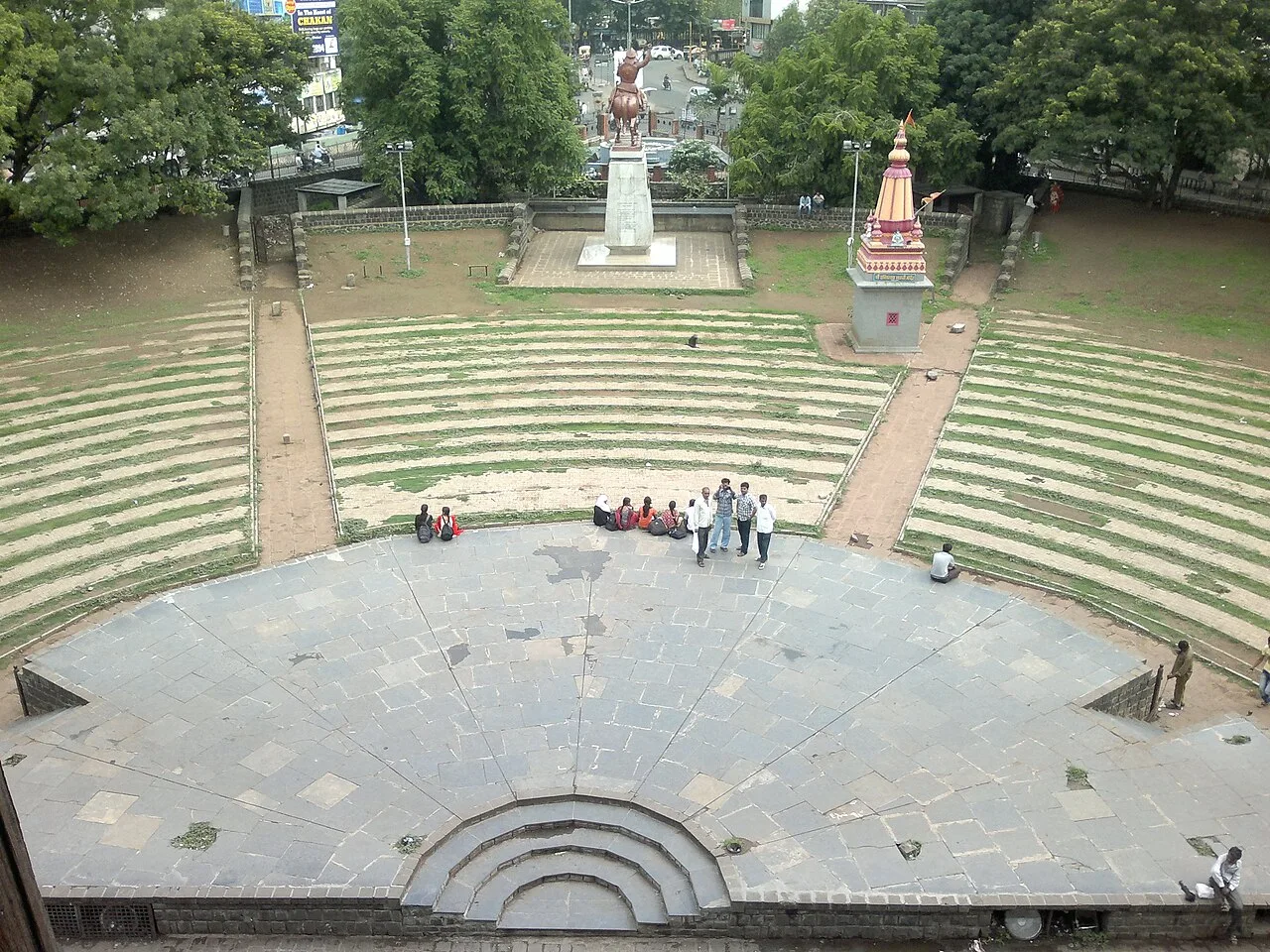
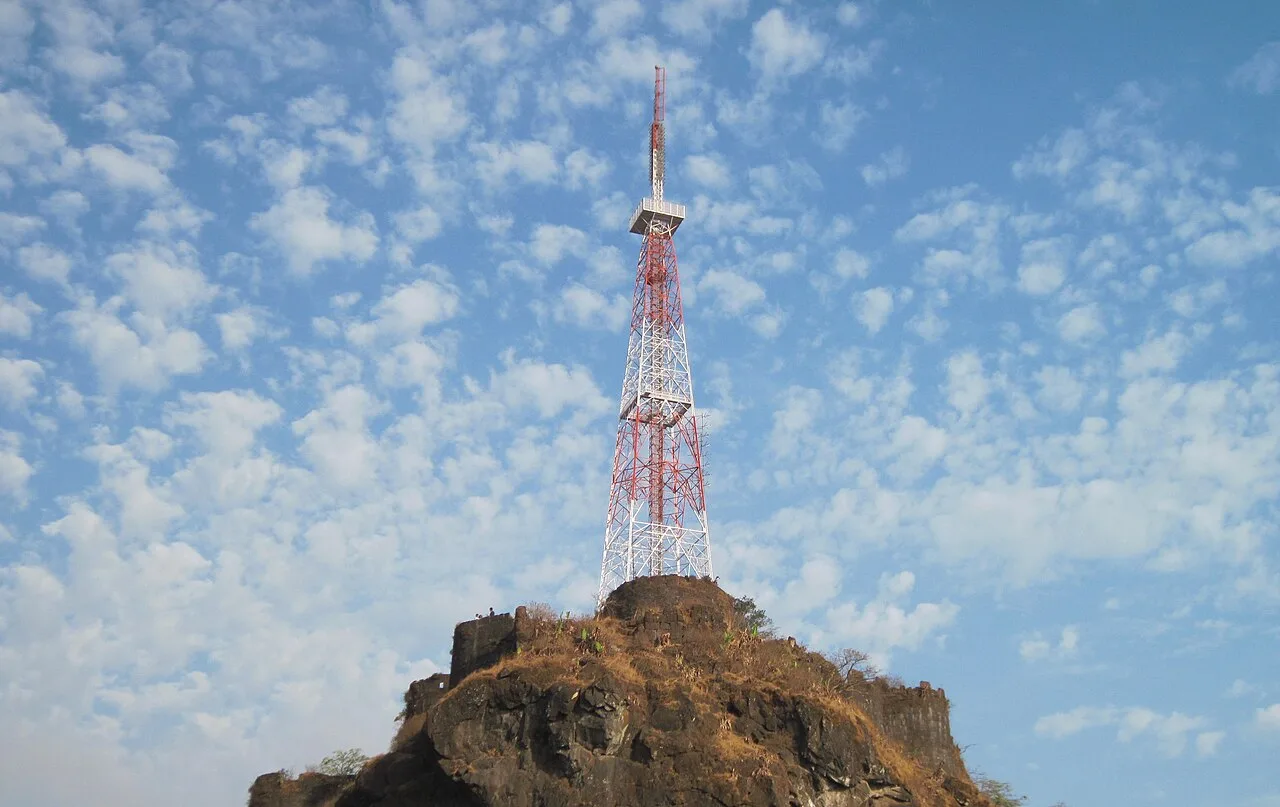
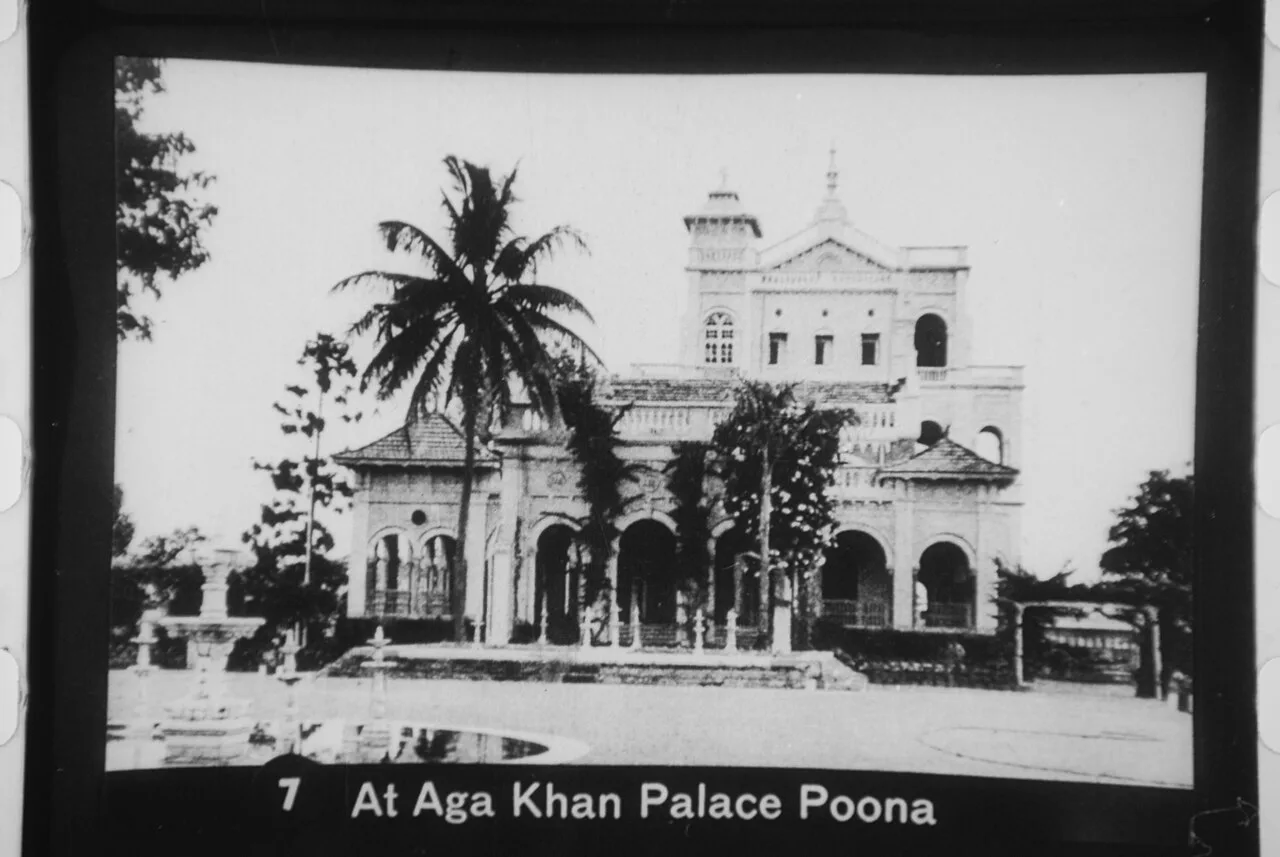
Visitors come for the city’s layered history, lively food scene and cultural life. Shaniwar Wada recalls the era when Pune was the seat of the Peshwas; old neighbourhoods, temples and hilltop landmarks reveal other sides of its past. The city is also associated with the Indian independence movement and social reform, and the Aga Khan Palace is an important heritage site. Traditional Ganeshotsav celebrations bring music, processions and public festivities to the streets. Pune’s mix of historic peths, leafy residential districts, cafés and museums makes it a rewarding stop as well as a base for exploring the surrounding region, including the Sahyadri hills and nearby forts.
Famous for: crafts, trade & products

Pune is associated with the Puneri pagadi, a traditional turban recognised as a geographical indication. It is a ceremonial and cultural emblem rather than an everyday garment, and examples can be found through specialist shops and cultural displays. The city is not chiefly known as a textile-producing centre, but its established shopping streets sell sarees, clothing, jewellery and household goods. Laxmi Road and Tulshibaug are busy places to browse; Paithani sarees are among the Maharashtra styles available, though the craft is associated with other parts of the state.

For local food products, look for bhakarwadi from Chitale Bandhu and Shrewsbury biscuits from Kayani Bakery, both familiar Pune specialities. Mahatma Phule Mandai is a longstanding produce market, while Camp and the old-city bazaars offer a mix of shops and eateries. Pune’s wider economic importance rests on information technology, automobile manufacturing and engineering, with major industrial activity in the metropolitan region, especially around Pimpri-Chinchwad. Its educational institutions, including Savitribai Phule Pune University and Fergusson College, are also central to the city’s identity.

History

Pune’s recorded history reaches back to an early settlement known by names including Punnaka and Punya-vishaya. The region passed through the hands of the Rashtrakutas, Yadavas and several sultanates. In the 17th century it became part of the Bhosale family’s holdings; Shivaji spent part of his youth here, and the Lal Mahal is linked to that period.

Pune grew into a political centre under the Marathas. When Peshwa Baji Rao I made it his base in 1728, the town began expanding, and Shaniwar Wada became the seat of Peshwa power. The British East India Company took control in 1818 after the Third Anglo-Maratha War and developed a large cantonment alongside the old city. Rail service connected Pune with Bombay in the 19th century. During British rule, the city became a centre for social reform and nationalist activity. Known as Poona under the British, it adopted the name Pune in 1978. In recent decades, education, manufacturing and information technology have driven substantial urban growth.

Food, festivals & culture

Marathi is the principal local language, and Hindi and English are widely used. Pune’s food combines Maharashtrian home cooking with popular street snacks. Misal pav, vada pav and sabudana khichdi are common favourites; bhakarwadi, mastani—a rich chilled drink—and Shrewsbury biscuits are well-known treats. Local restaurants and snack shops across the old city, Camp and other busy districts offer plenty of ways to sample them.

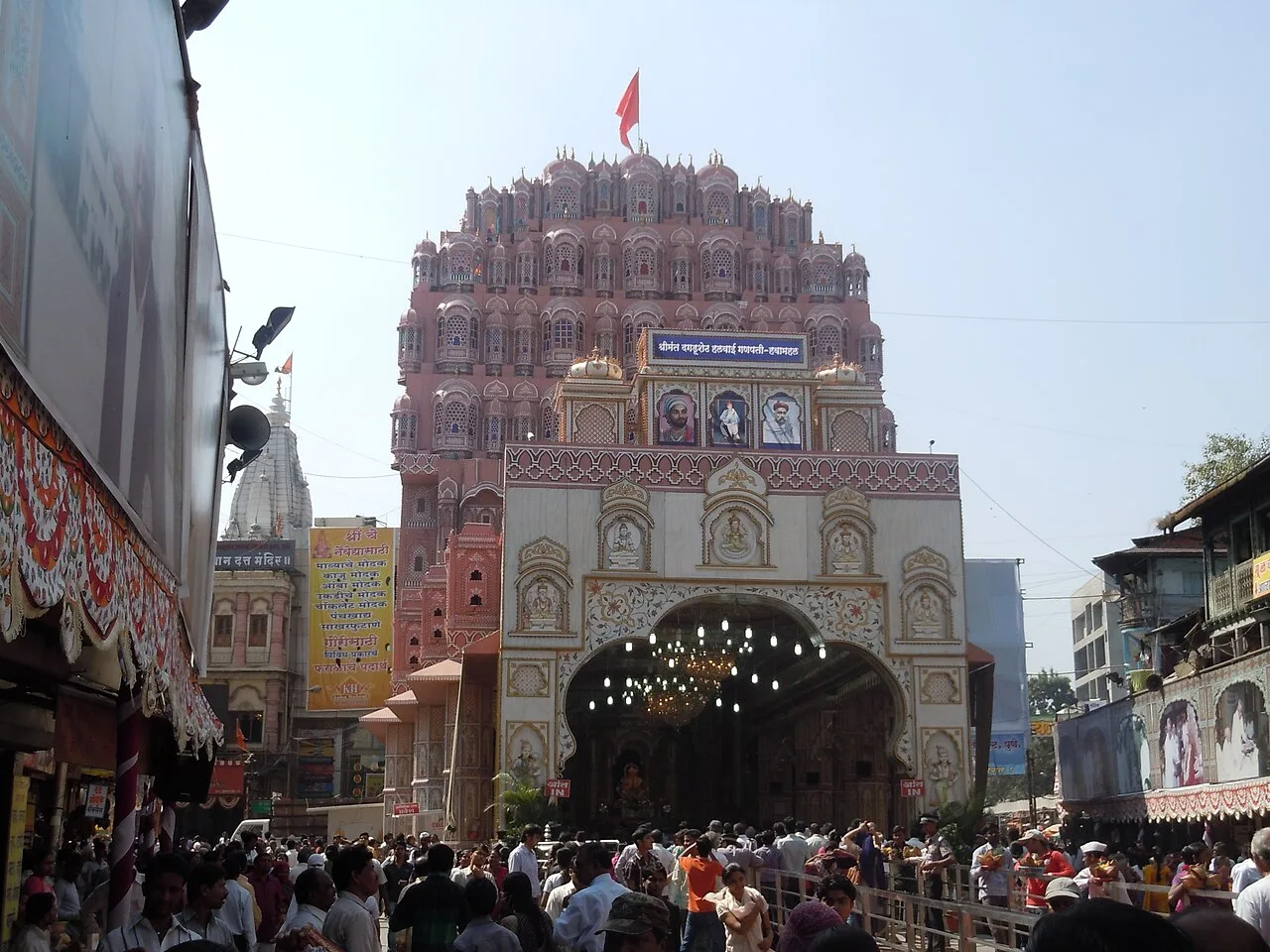
Ganeshotsav, usually held in August or September, is the city’s most prominent public festival, with decorated shrines, music and processions. Gudi Padwa in March or April marks the Marathi New Year, while Diwali brings lamps and family celebrations in October or November. Classical music, Marathi theatre and natya sangeet have strong followings; lavani is another popular regional performance tradition. Places of worship include Kasba Ganapati and Dagdusheth Halwai Ganapati temples, the rock-cut Pataleshwar temple, and historic mosques and churches. The mix reflects Pune’s diverse communities and long cultural life.

Visiting the city

October to February is generally the most comfortable period to visit, with milder weather for walking and sightseeing. The monsoon, usually from June to September, brings rain and greener scenery; summers can be hot. Pune Airport, at Lohegaon, serves the city, and Pune Junction is its main railway station.

City buses, the metro, auto-rickshaws and app-based cabs are useful ways to get around, though traffic can slow journeys. The old-city peths are best explored on foot for historic lanes, markets and temples. Shaniwar Wada, Pataleshwar and Parvati Hill make worthwhile stops; Camp offers heritage streets and food, while Deccan is convenient for cafés and cultural venues. Koregaon Park and Viman Nagar have restaurants and shopping, and Aga Khan Palace is a notable heritage visit. Allow extra time when crossing the city, as distances between districts can be considerable.

Attractions

Places to visit in Pune

Sights within about 12 km of each other, even when they fall in different districts.

Short trips

Around Pune

Within about 40 km — easy half-day or day trips from the city.

Map

Pune on the map

  1. 1Aga Khan Palace
  2. 2Dagadusheth Halwai Ganapati Temple
  3. 3Raja Dinkar Kelkar Museum
  4. 4Shaniwar Wada
  5. 5Sinhagad

Maharashtra

Other cities to explore