
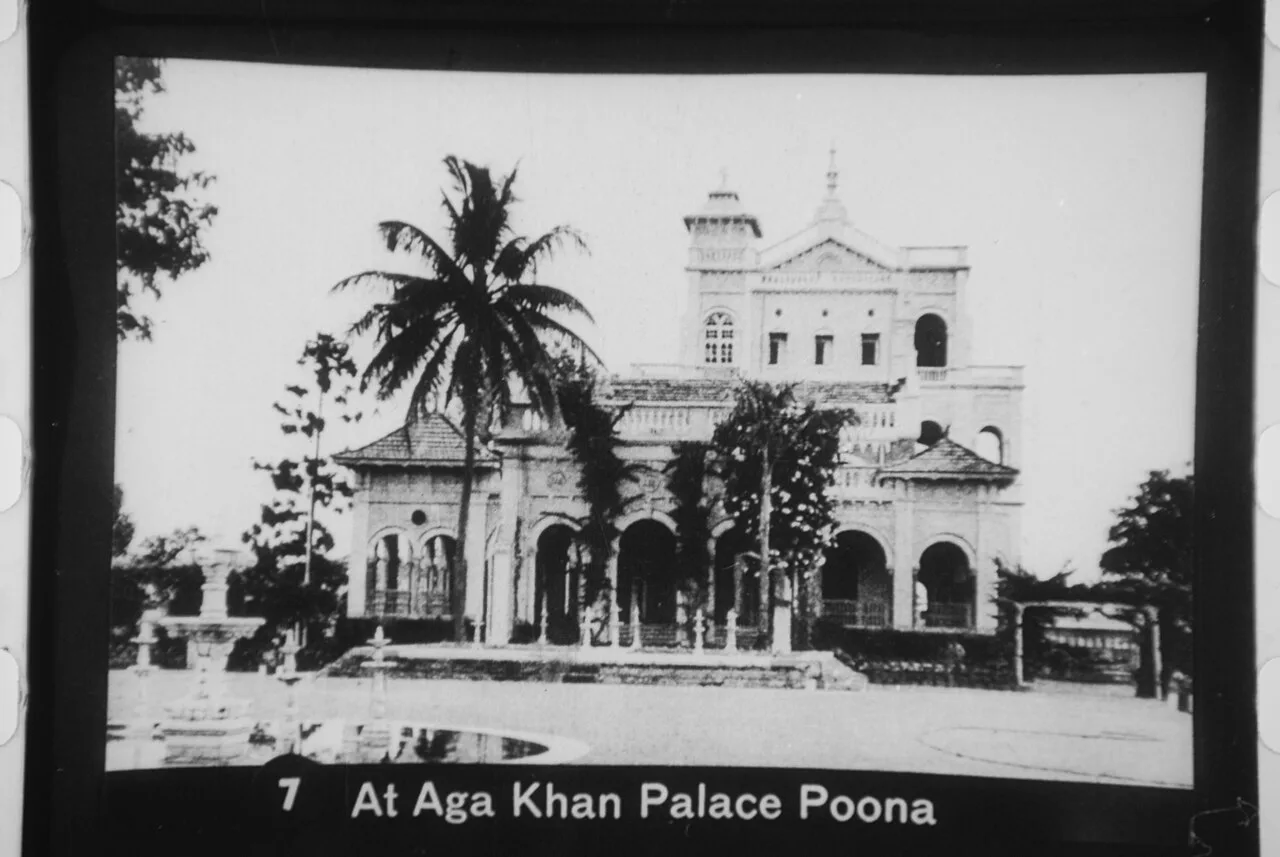
Aga Khan Palace
Aga Khan Palace is a historic building in Pune district, built by Sultan Muhammed Shah Aga Khan III. Visitors come for its connections to famine relief and the freedom struggle, as well as its architecture and greenery.
Key facts · verified by Ghumoopedia editors
- Type of place
- Heritage monument
- Best time to visit
- October to March; June to September for green monsoon landscapes on the Ghats (expect closures)
- Nearest railway station
- Pune Junction · about 5 km (straight line)
- Nearest airport
- Pune Airport · about 5 km (straight line)
- Verified
- 21 Nov 2026
Plan a trip from Aga Khan Palace — a day-by-day route through places nearby.
Aga Khan Palace stands in Pune district, Maharashtra. Sultan Muhammed Shah Aga Khan III had it built as a charitable response to famine affecting people in nearby parts of Pune. By providing employment through the construction work, he sought to assist those facing hardship. Building work lasted five years and involved one hundred thousand people; the project cost about 1.2 million rupees. The palace later became associated with India’s struggle against British rule. During the Quit India Movement, which called for an end to British authority in India, it held Mahatma Gandhi, Kasturba Gandhi and Gandhi’s secretary, Mahadev Desai, as prisoners. Sarojini Naidu and several others were detained there too. Kasturba Gandhi and Mahadev Desai both died at the palace. In 2003, the Archaeological Survey of India designated the palace a monument of national importance. Its architecture, greenery and lighting have made it a setting used by photographers for different kinds of photo sessions. The building’s history thus encompasses both famine relief and a significant episode in the independence movement. Maharashtra spans Mumbai's Gothic and Art Deco skyline, the rock-cut cave temples of Ajanta, Ellora, Karla and Elephanta, the hill forts of Chhatrapati Shivaji Maharaj, the Konkan's sea forts and beaches, and the great pilgrimages of Pandharpur, Shirdi and the Jyotirlingas. The coast is hot and humid most of the year with very heavy monsoon rain from June to September; the Western Ghats hill stations are cool and misty in the monsoon and pleasant in winter; the Deccan and Vidarbha are dry, with harsh summers above 40°C in Nagpur and Chandrapur. The usual best time to visit is October to March; June to September for green monsoon landscapes on the Ghats (expect closures). Timings, fees and access arrangements must be confirmed locally. For official information, see Maharashtra Tourism at https://www.maharashtratourism.gov.in.
Why it matters
Aga Khan Palace is a major heritage site in Pune, Maharashtra, valued both for its architecture and its association with India’s independence movement. Sultan Muhammed Shah Aga Khan III commissioned the palace as a charitable public-works project during a famine, providing employment to people in the surrounding area. Its most consequential historical role came during the Quit India Movement, when British authorities detained Mahatma Gandhi, Kasturba Gandhi, Mahadev Desai, Sarojini Naidu and others here. Kasturba Gandhi and Mahadev Desai died during their detention. The palace now serves as a memorial and museum connected with Gandhi’s life and the freedom struggle. The Archaeological Survey of India declared it a monument of national importance in 2003.
Sultan Muhammed Shah Aga Khan III commissioned the palace in Pune as a relief project after famine left people in nearby areas without work. Construction is described as taking about five years and employing a very large workforce; accounts also record a cost of approximately 1.2 million rupees. The palace was completed in 1892. Its charitable origin is central to its history, although its later association with the freedom movement made it nationally significant. During the Quit India Movement, British authorities used the palace as a place of detention for Mahatma Gandhi and members of his circle. Those held there included Kasturba Gandhi, Gandhi’s secretary Mahadev Desai and Sarojini Naidu. Desai died in 1942 and Kasturba Gandhi in 1944 while detained at the palace; memorials mark their deaths on the grounds. After India’s independence, the site became a place of remembrance and a museum associated with Gandhi. It is maintained as a memorial, and its collections and displays help interpret this period. In 2003, the Archaeological Survey of India declared the palace a monument of national importance.
Origin stories & folklore
No widely established origin legend or supernatural folklore is associated with Aga Khan Palace. Its best-known founding account is historical: Aga Khan III commissioned it as a charitable project to provide work for people affected by famine in the surrounding region. This account is sometimes retold as a story of compassion, but it should not be confused with a separate local legend. The palace’s strongest traditions of memory concern Gandhi, Kasturba Gandhi and Mahadev Desai. Visitors and local commemorations remember the deaths of Kasturba and Desai during detention here, and the grounds are treated as a place of reflection. These are historical remembrances rather than folklore; exhibits and memorial markers provide context for them.
Architecture & design
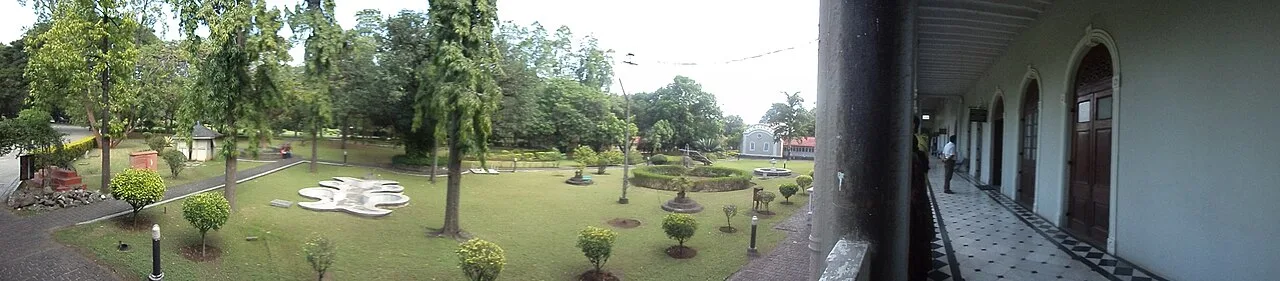
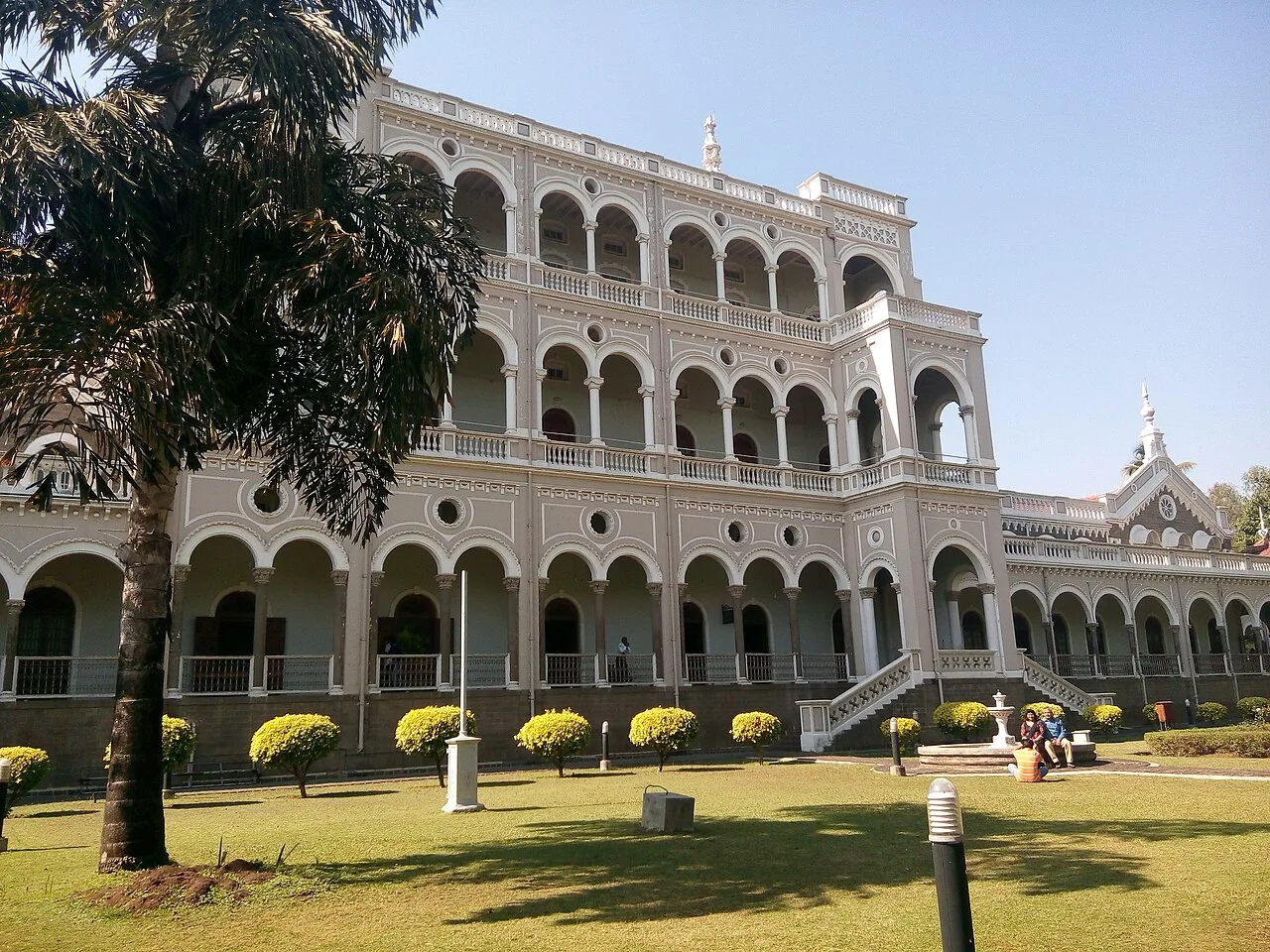
The palace is a large, light-coloured masonry building set within extensive landscaped grounds. Its appearance combines spacious proportions with an Italianate-influenced vocabulary, including repeated arches, broad verandas and long corridors. The design gives the building an open, airy character suited to Pune’s climate, while its scale and formal façade distinguish it from ordinary residential buildings of its period. The complex includes several halls and substantial interior rooms arranged around circulation spaces, with views across the lawns. The grounds form an important part of the experience: lawns, trees and paths set the palace apart from the surrounding urban neighbourhood and provide clear views of its elevations. The architecture is notable for its balance of monumental scale and relatively restrained ornament rather than dense surface carving. Visitors can look for the rhythm of the arched openings, the length of the corridors and the contrast between the pale walls and green setting. The building’s historical rooms and memorial areas should be approached respectfully.
Important objects & sculptures
Inside, look for the museum displays that interpret Gandhi’s life and the palace’s role as a detention site. Exhibits include photographs and selected personal effects, documents and objects associated with Gandhi and the freedom movement; the precise displays may change. Read the captions for context rather than assuming every object belonged to a particular person. The rooms and corridors themselves also help convey the conditions and history of detention. On the grounds, the memorials marking the places associated with the deaths of Kasturba Gandhi and Mahadev Desai are among the most significant features. Their presence gives the site a commemorative character beyond that of a palace museum. Follow any visitor guidance around these memorial areas and avoid touching or disturbing objects and markers.
Explore Aga Khan Palace slowly and read the interpretation boards, use the official audio guide where available or hire an authorised guide to understand its history. Check opening days, ticket counters and camera rules in advance; many monuments and museums close on one weekday and on some public holidays. Early morning gives softer light, cooler air and smaller crowds. A comfortable itinerary is one main visit in the morning, a local meal at midday and a short nearby stop before an afternoon return. Use the district list on this site to find other places in Pune, but check the route and its condition before combining stops. If a festival is on — such as Ganeshotsav, Gudi Padwa or the Ashadhi Wari to Pandharpur — roads and stays can be busy, and the experience can be unforgettable. Leave no litter: many sites are protected by the communities around them.
Suggested itineraries
Half day: Spend 1.5–2.5 hours at the palace, reading the exhibits and viewing the grounds and memorials; take a nearby meal and allow time for the return journey. Full day: Visit the palace in the morning for 2–3 hours; pause for lunch; continue to Shaniwar Wada and the Raja Dinkar Kelkar Museum, allowing for city traffic and breaks. Gentler option: Focus on the palace’s main exhibits and accessible-looking paths, take seated rests as needed, and arrange a vehicle pickup close to the entrance where permitted.
Aga Khan Palace is primarily a heritage and commemorative site rather than a venue for a distinct daily performance tradition. Visitors include local residents, school groups, researchers and travellers interested in Gandhi and the independence movement. The atmosphere is generally reflective, especially around the memorials, so quiet conversation and respectful conduct are appropriate. Pune’s wider cultural life is multilingual, with Marathi widely spoken alongside Hindi and English. The city has strong traditions of public learning, theatre, classical and devotional music, and community celebrations, though these should not be mistaken for regular palace events. Gandhi-related remembrance and educational visits connect the site to broader discussions of non-violence, political history and civic responsibility. Ask locally before assuming that a particular ceremony or programme is scheduled.
Festivals & events
Pune’s best-known public celebration is Ganeshotsav, usually held in the monsoon-to-early-autumn season; it can bring processions, traffic diversions and busy accommodation across the city. Gudi Padwa, the Marathi new year in spring, is also marked in Pune with local customs and gatherings. Gandhi Jayanti in October may prompt remembrance activities connected with Gandhi, but programmes at the palace vary and should be checked with the site management. These are city or commemorative observances, not guaranteed palace festivals. During major celebrations, allow extra time for road travel and expect some routes and public spaces to be crowded.
Local food in Maharashtra includes vada pav, misal pav, pav bhaji, poha, puran poli, modak at Ganesh Chaturthi, Kolhapuri mutton with tambda and pandhra rassa, Malvani fish curry and sol kadhi on the Konkan coast, and Nagpur oranges and saoji food in Vidarbha. Ask what is fresh that day; many small eateries cook a limited daily menu. Vegetarian travellers eat well across the state, and most towns also have fish and meat dishes. Remote sites may have no restaurant at all. Carry water and snacks, eat a proper breakfast before long drives, and ask your accommodation for a packed lunch if you are heading out early. Try a home-cooked or local thali meal when you can — it is often the best food on the route. Choose busy, clean places, drink sealed or filtered water, and carry your packaging back with you.
Shopping & local experiences
For souvenirs, look for books on Gandhi, the freedom movement and Pune’s history from legitimate museum or city bookshops where available. Pune’s markets, including Tulshibaug and Laxmi Road, offer clothing, household goods and locally made items, though these are city shopping areas rather than palace-specific craft centres. Food shops may sell Pune favourites such as bhakarwadi, and local restaurants serve dishes including misal pav. Check ingredients and packaging if buying food to carry. Shop thoughtfully, compare quality and avoid purchasing antiquities or objects presented as historic without reliable documentation.
October to March; June to September for green monsoon landscapes on the Ghats (expect closures)
The nearest principal railway station by straight-line distance is Pune Junction, roughly 5 km away. The nearest operating airport by straight-line distance is Pune Airport, roughly 5 km away. These figures are calculated from map coordinates — actual road distance is longer. Mumbai and Pune are the main rail and air gateways in the west, Chhatrapati Sambhajinagar (Aurangabad) for Ajanta and Ellora, Nagpur for Vidarbha and the tiger reserves, and the Konkan Railway serves the coast down to Sindhudurg. For the final leg, Maharashtra State Road Transport Corporation (MSRTC) buses, including Shivneri and Shivshahi coaches, private sleeper buses and shared jeeps and autos link district towns. A private taxi gives more flexibility for remote sites. When comparing train, bus and flight, count the complete door-to-door time: a flight saves the most time only if the onward road transfer is short, while an overnight train can save a hotel night. Book your return before you leave, because seats fill quickly on weekends, festivals and holidays. Current train numbers, timings, return services and fares are not listed here; check IRCTC and NTES for trains and the airline's own schedule for flights. No permit is needed to visit Maharashtra. Tiger safaris in Tadoba, Pench and Melghat must be booked in advance through the official online portals. Many hill forts are popular monsoon treks: since several accidents, some districts restrict access to waterfalls, forts and ghats during heavy rain — check current district orders before setting out. Ganeshotsav (August–September) brings very large crowds to Mumbai and Pune.
Confirm onward and return timings on IRCTC / NTES, the state bus operator or your airline before travel. A dash means current timings or fares have not been verified.
Getting around
The palace is within Pune city, and visitors can reach the area by auto-rickshaw, taxi or app-based cab. City buses serve parts of Pune, but check the most convenient stop and onward walk locally. Traffic can be slow, especially during peak commuting periods and festivals. Once at the site, expect to explore the grounds on foot; the lawns and paths are not a substitute for a vehicle drop-off if walking is difficult. Parking availability and access arrangements can vary, so check locally before driving. For other city sights, taxis or autos are often more practical than combining several long walks.
Hours, tickets & permissions
Entry may require a ticket, and separate rules can apply to photography, groups or particular museum areas. There is no need to assume that every part of the grounds is accessible under the same conditions. Dress respectfully, follow posted instructions and do not touch exhibits or memorials. Opening days, current hours, ticket arrangements, camera permissions and any temporary closures can change. Confirm these details with the palace’s managing authority before travelling; do not rely on old listings or informal online posts.
Facilities
Visitor facilities can include a ticket counter, toilets and basic grounds access, but availability and condition should be checked locally. Water and food options may be limited within the monument, so carry drinking water if permitted and plan a meal in the surrounding city. Guides or audio interpretation may be available; confirm availability before relying on them. Parking arrangements can vary. ATMs, pharmacies and a wider choice of restaurants are more readily found in Pune’s nearby commercial areas than within the monument. Keep litter with you until you find a bin.
Accessibility
The palace grounds involve outdoor walking, and a complete visit may cover a substantial area. Paths and surfaces can be uneven, while access to particular rooms may involve steps; do not assume that every interior is wheelchair- or stroller-accessible. Shade is available in parts of the grounds, but exposure to sun can be tiring, especially in hot weather. Older visitors and anyone with limited mobility may prefer a shorter route, frequent rests and a companion. Contact the site management in advance to ask about current step-free access, seating and drop-off arrangements, as facilities can change.
No permit is needed to visit Maharashtra. Tiger safaris in Tadoba, Pench and Melghat must be booked in advance through the official online portals. Many hill forts are popular monsoon treks: since several accidents, some districts restrict access to waterfalls, forts and ghats during heavy rain — check current district orders before setting out. Ganeshotsav (August–September) brings very large crowds to Mumbai and Pune. Carry a photo ID at all times and save the emergency number 112 and your accommodation's contact offline. Heat in summer and heavy rain in the monsoon are the main weather risks; carry water, avoid midday sun and allow extra time when roads flood. Watch your belongings in crowds and on public transport, and follow posted instructions.
Photography
The palace’s arches, long corridors, pale façades and green grounds make strong subjects, with softer light generally available earlier in the day. Check current rules before photographing indoors, using tripods or taking commercial photographs; permissions may differ by area. Do not use a drone without the required permissions and confirmation that flight is lawful in the location. Avoid blocking paths, photographing visitors without consent or disrupting people at memorials. Respect posted restrictions and keep equipment clear of exhibits.
Choose a stay by the full journey to Aga Khan Palace, not just the district name. Mumbai, Pune, Nashik and Chhatrapati Sambhajinagar offer the widest choice; hill stations and Konkan beaches have resorts and family homestays, and MTDC resorts are reliable value. In summer, check air-conditioning; in the monsoon, check that the property is accessible if roads flood. Book in advance for weekends, festivals and the peak season (October to March; June to September for green monsoon landscapes on the Ghats (expect closures)). Confirm the exact location, meals included, check-in time and cancellation terms in writing. Avoid sending money to unverified contacts or touts at stations. Carry some cash, as card and digital payments can be unreliable in remote areas.
Within Pune, Shaniwar Wada offers a different perspective on the city’s Maratha history, while the Raja Dinkar Kelkar Museum displays collections of Indian decorative and household arts. Pataleshwar Cave Temple, a rock-cut shrine in the city, can also be combined with a visit if time and mobility allow. These stops are in different parts of Pune, so check traffic and routes before planning them together. Pune’s central markets and older neighbourhoods provide additional opportunities to explore the city, but they can be crowded. Avoid packing too many stops into one day.
For couples, Aga Khan Palace rewards a slow pace: arrive early for soft light and fewer crowds, share a local meal and keep the evening free. Sunset on Marine Drive, a misty monsoon morning in Mahabaleshwar or a quiet Konkan beach makes the trip memorable. Public displays of affection can be frowned upon in conservative communities and at religious sites, so be discreet. Keep a buffer in your itinerary, because weather and road conditions can delay plans.
Q: How much time should I allow for a visit? A: Allow roughly two to three hours to see the palace, museum displays, grounds and memorials at an unhurried pace. Q: When is a comfortable season to visit? A: October to March is generally more comfortable for Pune sightseeing; summer can be hot and monsoon weather may affect outdoor walking. Q: Is entry ticketed, and can I take photographs? A: Entry and camera rules may apply and can change. Confirm current arrangements with the managing authority before your visit. Q: Is the palace suitable for children and elderly visitors? A: It can be an educational visit for children, but the grounds require walking. Older visitors or those with limited mobility should plan rests and check access conditions in advance. Q: Where can I stay nearby? A: Pune has accommodation across several neighbourhoods. Choose based on your wider itinerary and check current transport routes to the palace.
Be the first to share photos, stories, advice or a helpful contact for Aga Khan Palace.
Loading…