
District · Maharashtra
Pune
Pune district brings together several sides of Maharashtra: the Sahyadri hill country, the Deccan plateau, a major urban centre and historic pilgrimage towns.
Pune district stretches from the rugged Sahyadri hills in the west towards the drier Deccan plateau, bringing together a major city, agricultural country, hill stations and historic forts. Lonavala and Khandala offer a greener hill landscape, while Rajmachi and Lohagad reflect the strategic importance of the Western Ghats. Near Junnar, Shivneri Fort is celebrated as the birthplace of Chhatrapati Shivaji Maharaj. The Buddhist rock-cut Karla Caves reveal an older religious and architectural heritage. Pune city combines its Peshwa-era legacy with modern educational and industrial life. Dagadusheth Halwai Ganapati Temple remains an important devotional landmark, while Aga Khan Palace carries associations with India's freedom movement. Bhimashankar adds a forested pilgrimage setting to the district's varied character.
Pune district brings together several sides of Maharashtra: the Sahyadri hill country, the Deccan plateau, a major urban centre and historic pilgrimage towns. Travellers come for Maratha-era landmarks such as Shivneri Fort and Shaniwar Wada, Pune’s temples and museums, and Buddhist rock-cut sites including Karla, Bhaja and Lenyadri. Lonavala and Khandala offer a greener hill setting, while Lohagad, Rajmachi and Sinhagad draw visitors interested in forts and hikes. Jejuri and Bhimashankar add important devotional destinations. Pune city is also known for its educational and cultural life, making the district suitable for combining heritage visits with time in the hills.
The area around Junnar was an important centre in ancient times, and nearby Buddhist caves, including Karla and Bhaja, preserve evidence of early religious activity and trade routes across the Western Ghats. The region later came under successive Deccan powers, including the Yadavas and the sultanates. In the seventeenth century, the rising Maratha state transformed its political importance: Shivaji Maharaj was born at Shivneri Fort in 1630, and the surrounding hill forts formed part of a strategic landscape. Pune became the Peshwas’ principal seat in the eighteenth century, leaving landmarks such as Shaniwar Wada. British forces defeated the Peshwas in 1818, after which Pune developed as an important colonial cantonment and administrative centre. The Aga Khan Palace, built in the late nineteenth century, later became associated with the freedom movement; Mahatma Gandhi and other leaders were detained there during the Quit India period. The modern district has been shaped by changing administrative boundaries and the growth of Pune city, while retaining rural, pilgrimage and hill regions.
14 destination guides
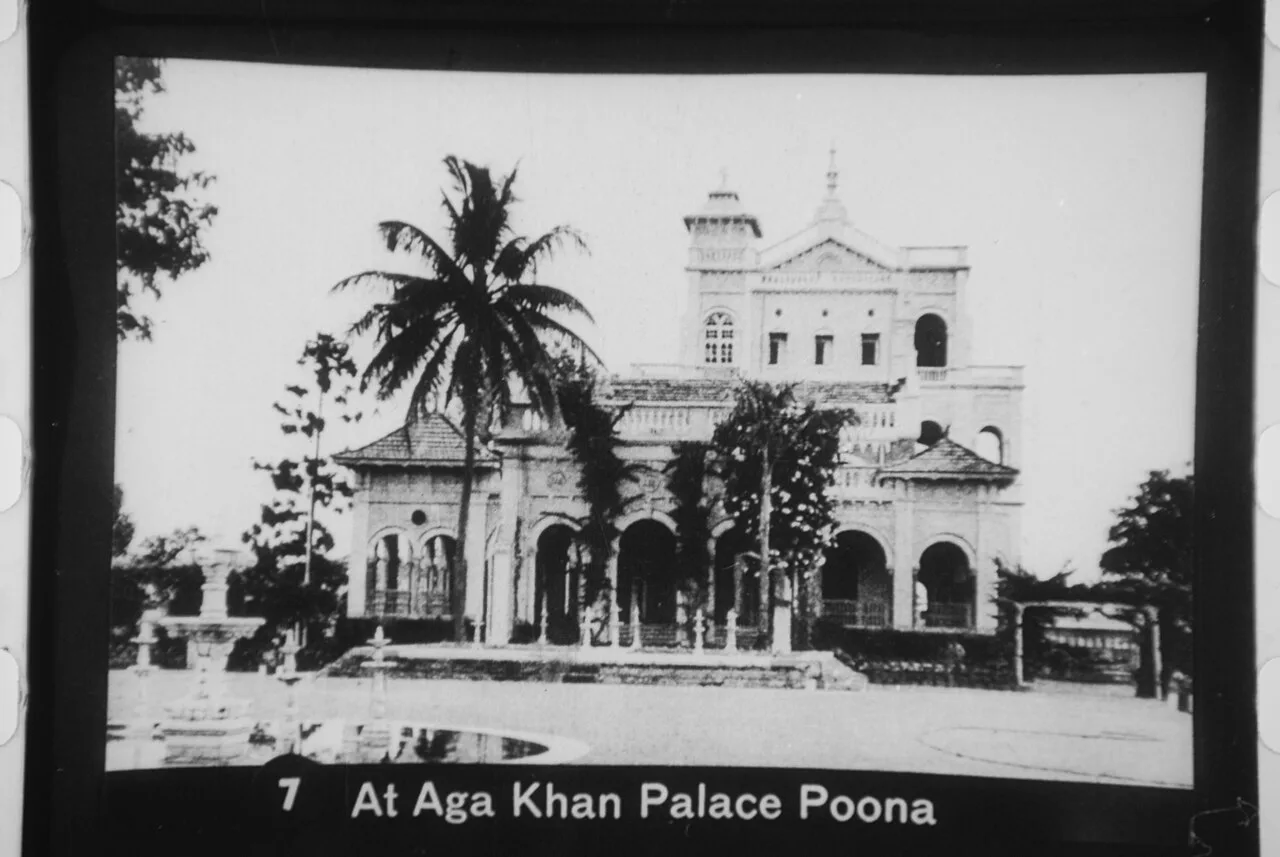
Aga Khan Palace
Aga Khan Palace is a historic building in Pune district, built by Sultan Muhammed Shah Aga Khan III. Visitors come for its connections to famine relief and the freedom struggle, as well as its architecture and greenery.
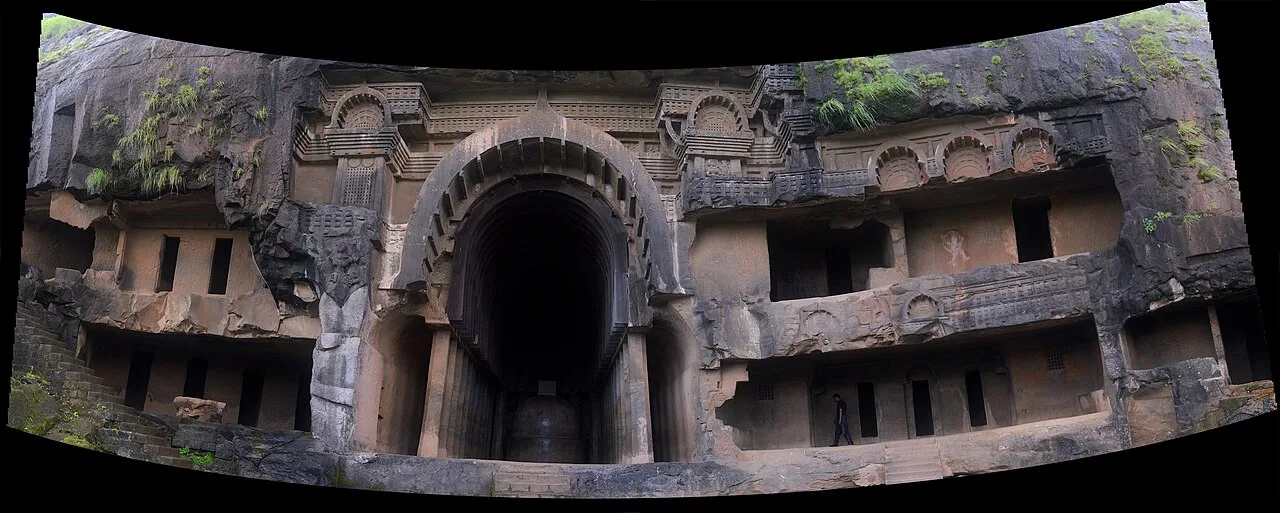
Bhaja Caves
Bhaja Caves is a group of 22 Buddhist rock-cut caves in Pune district, Maharashtra. Visitors explore its stupas, early chaitya architecture and carvings, including a scene of a woman playing the tabla.
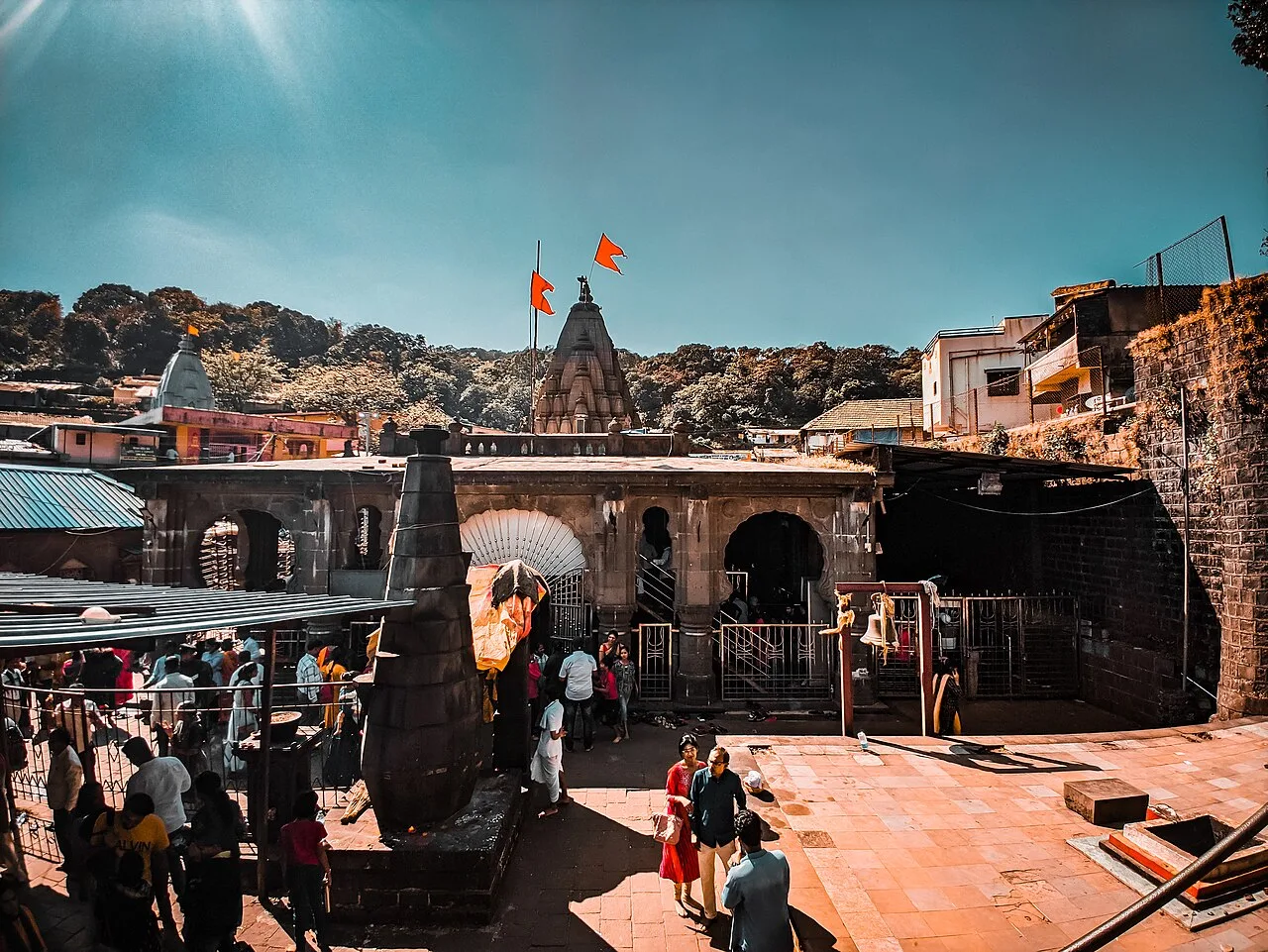
Bhimashankar Temple
In Pune district, Maharashtra, Bhimashankar Temple is a Shiva shrine and one of the twelve Jyotirlinga sites, attracting pilgrims to its mountain location.
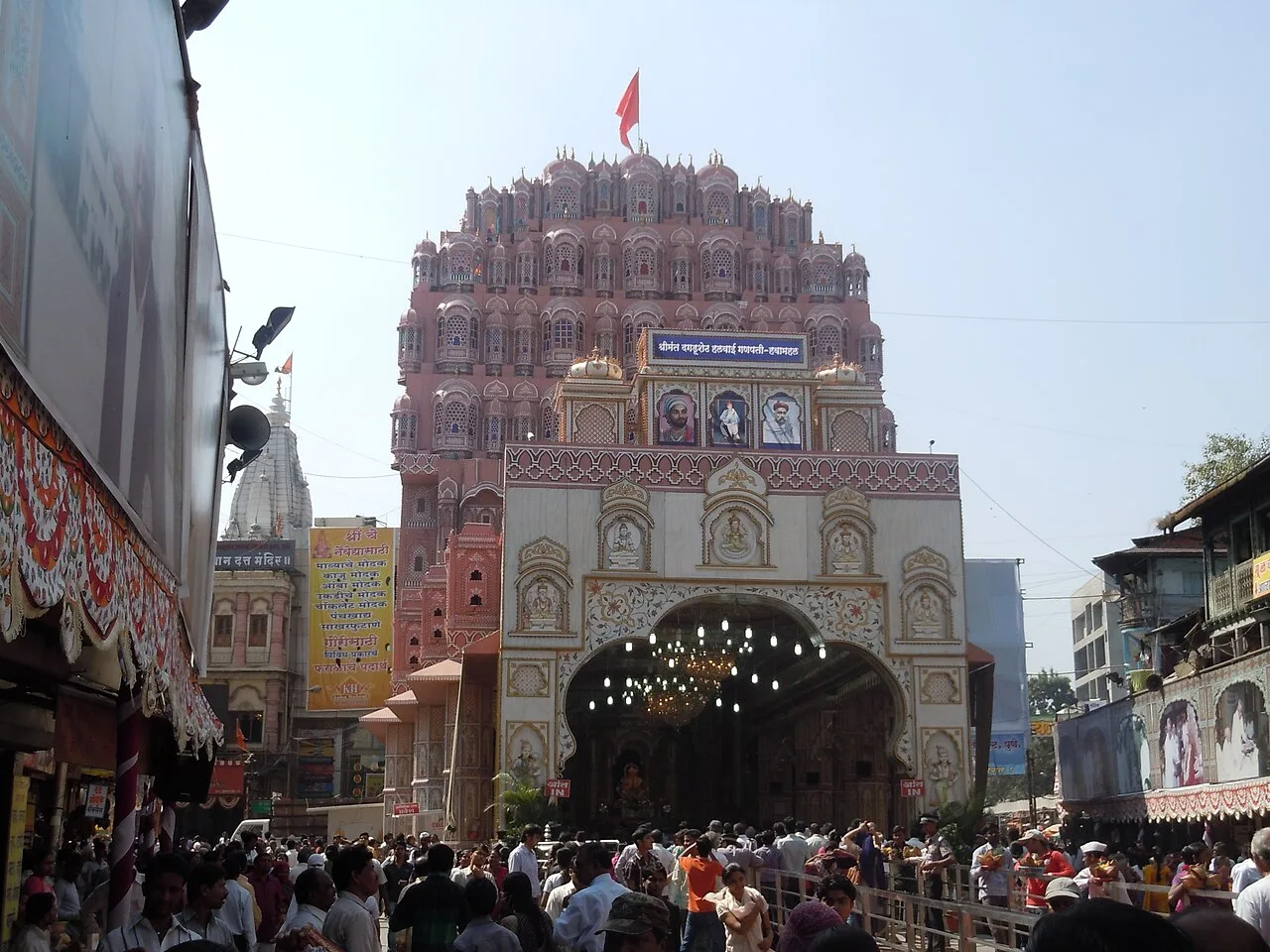
Dagadusheth Halwai Ganapati Temple
In Pune, Maharashtra, Dagadusheth Halwai Ganapati Temple honours Ganesha and draws devotees throughout the year, especially for the annual ten-day public Ganeshotsav celebration.
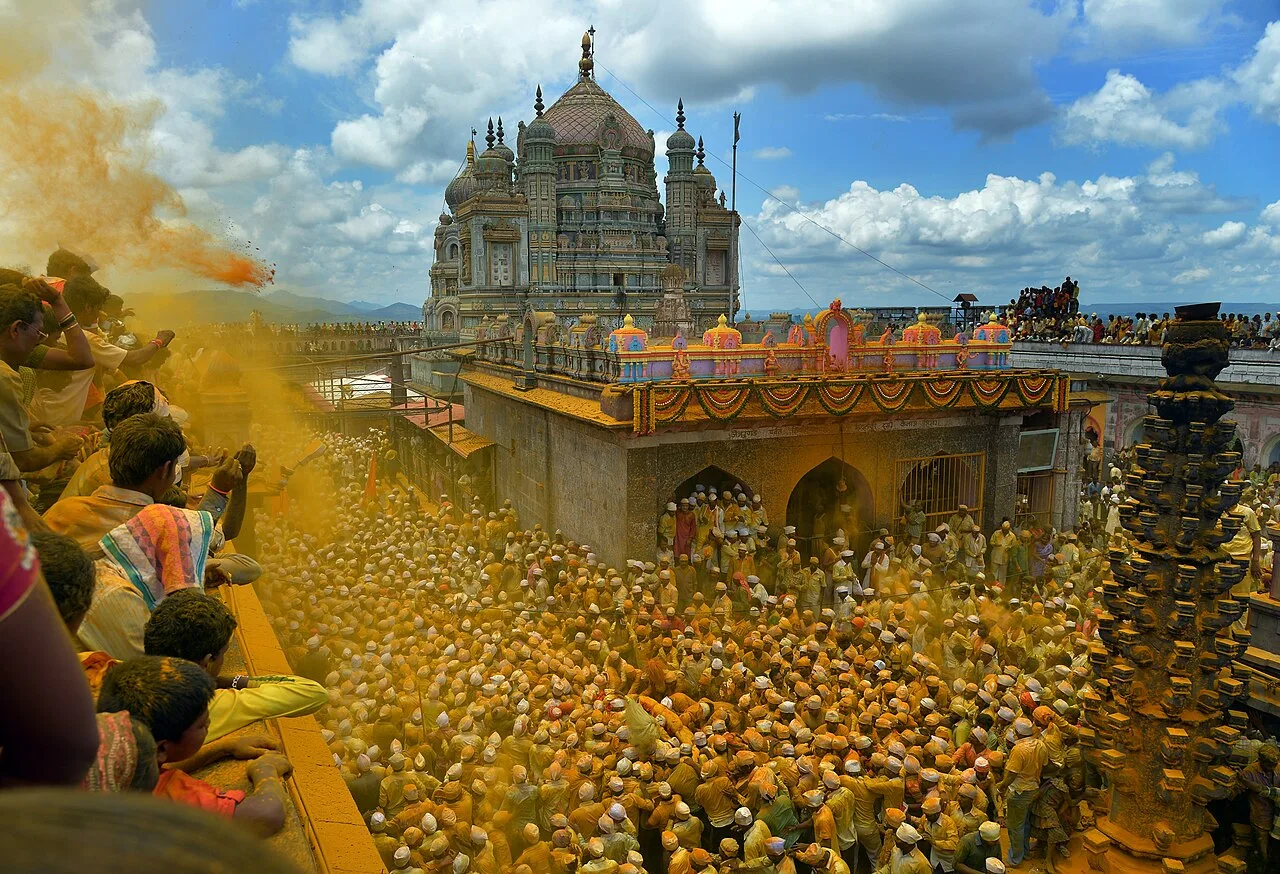
Jejuri
Jejuri, a city with a municipal council in Pune district, Maharashtra, is known for the Khandoba Mandir, an important Hindu pilgrimage site for communities across the state.
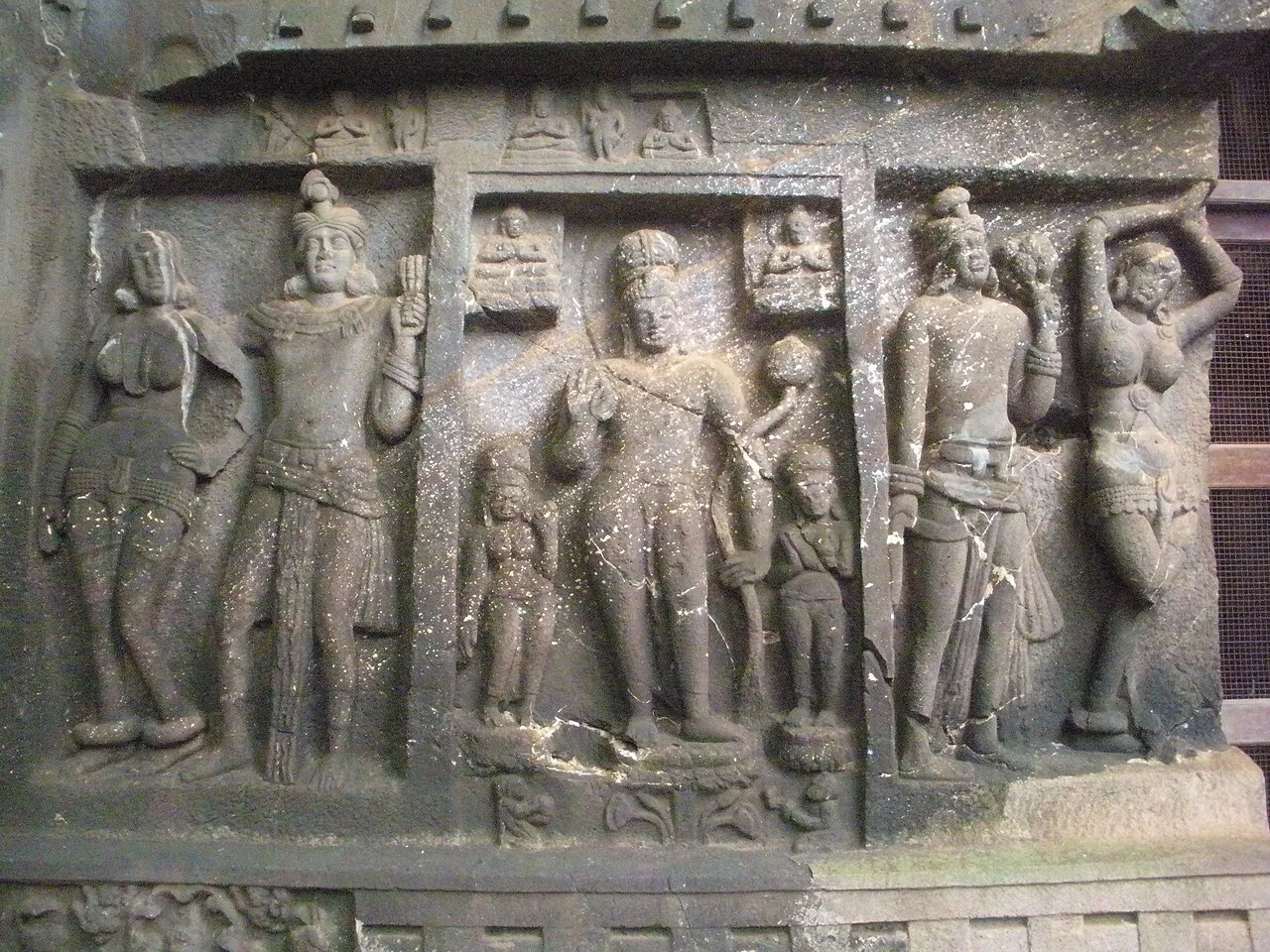
Karla Caves
Karla Caves is an ancient Buddhist cave complex near Lonavala in Maharashtra. Visitors come to see its Grand Chaitya, notable for its scale and surviving sculpture.
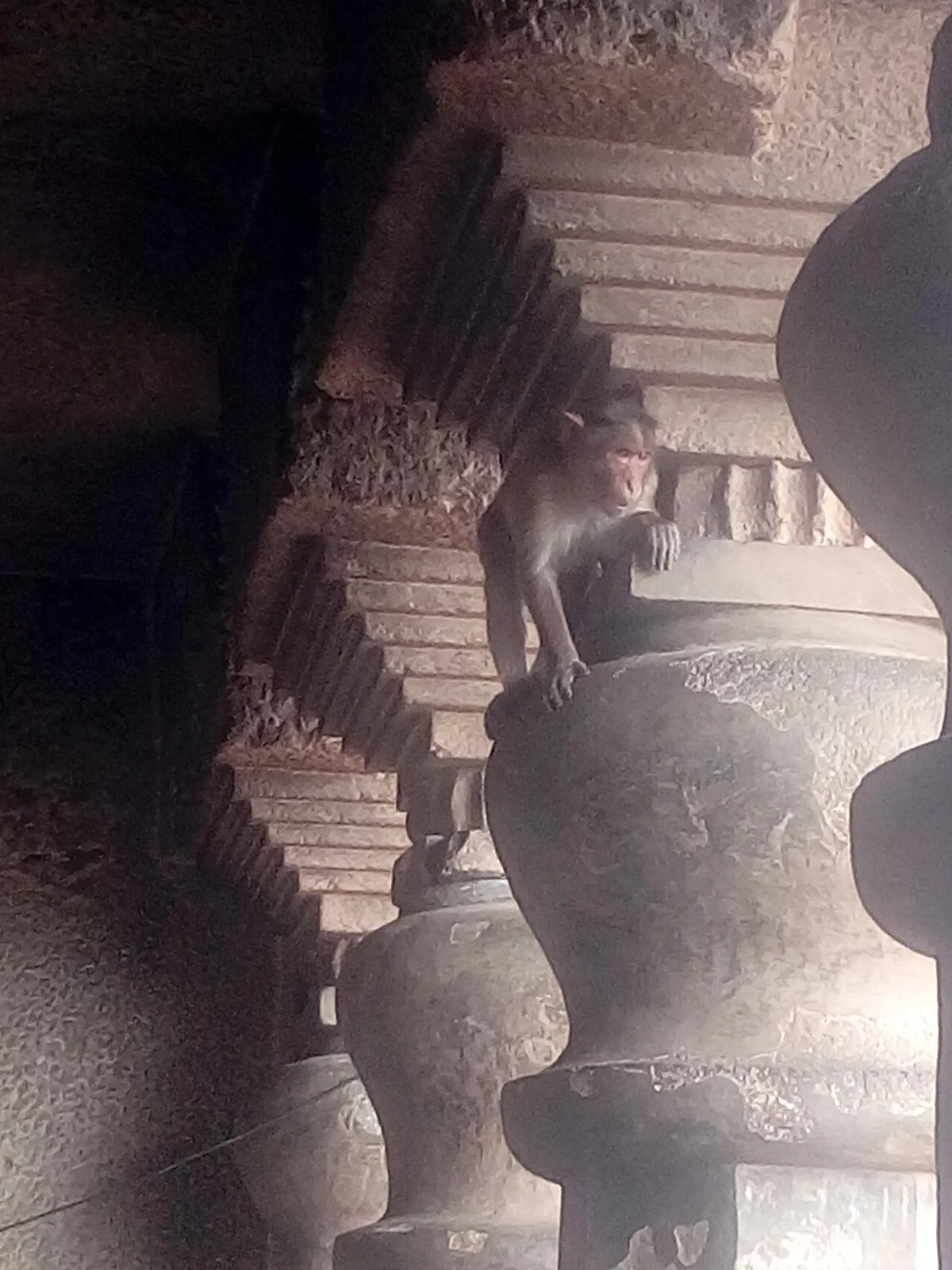
Lenyadri
Lenyadri is a group of Buddhist caves near Junnar, Maharashtra, some later adapted for Hindu worship. Visitors come to see the cave complex and its Ganesha shrine, part of the Ashtavinayak.
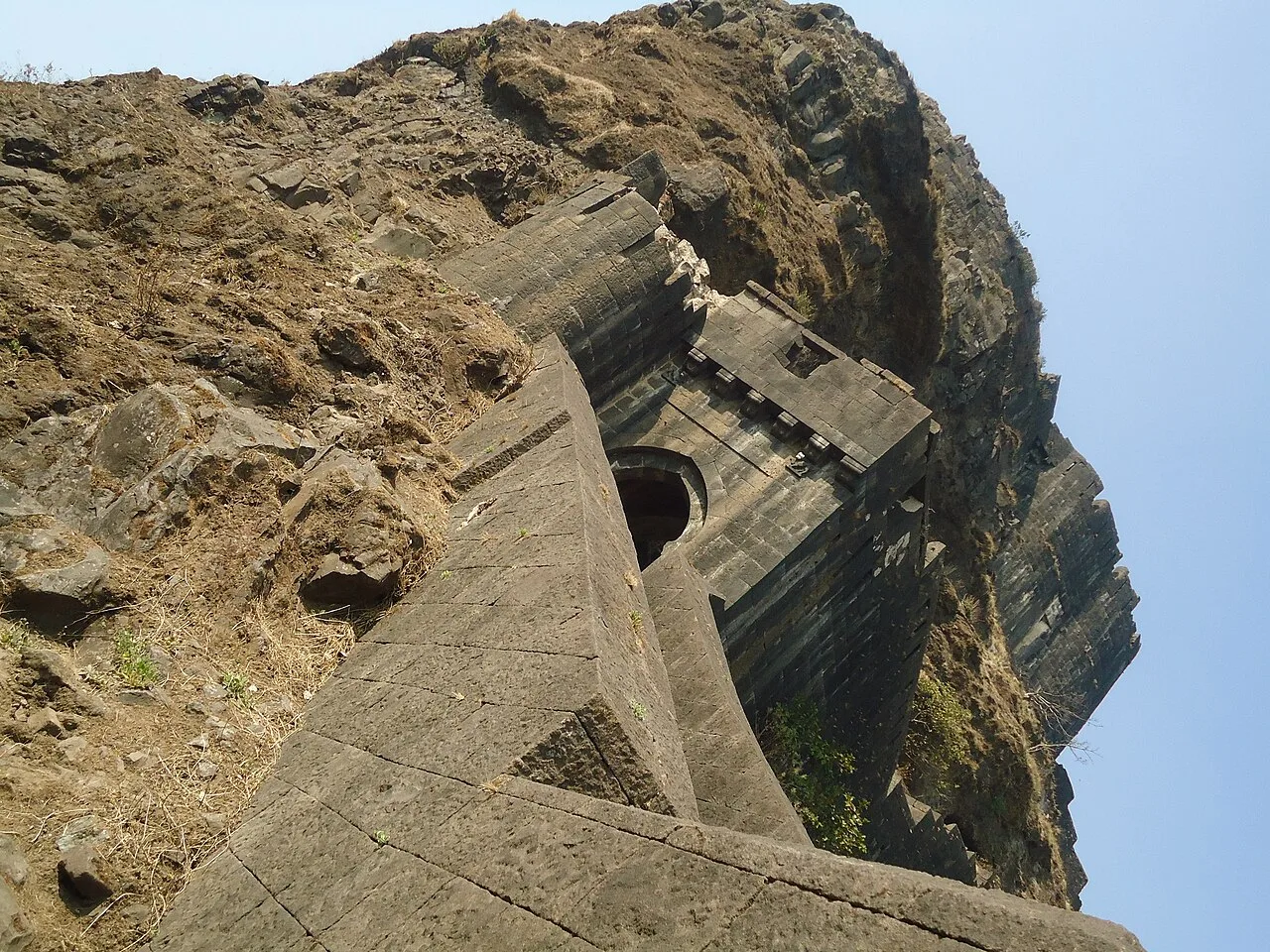
Lohagad
Lohagad is a hill fort in Pune district, Maharashtra, near Lonavala. Visitors come to see its historic setting and learn about its successive periods of rule.
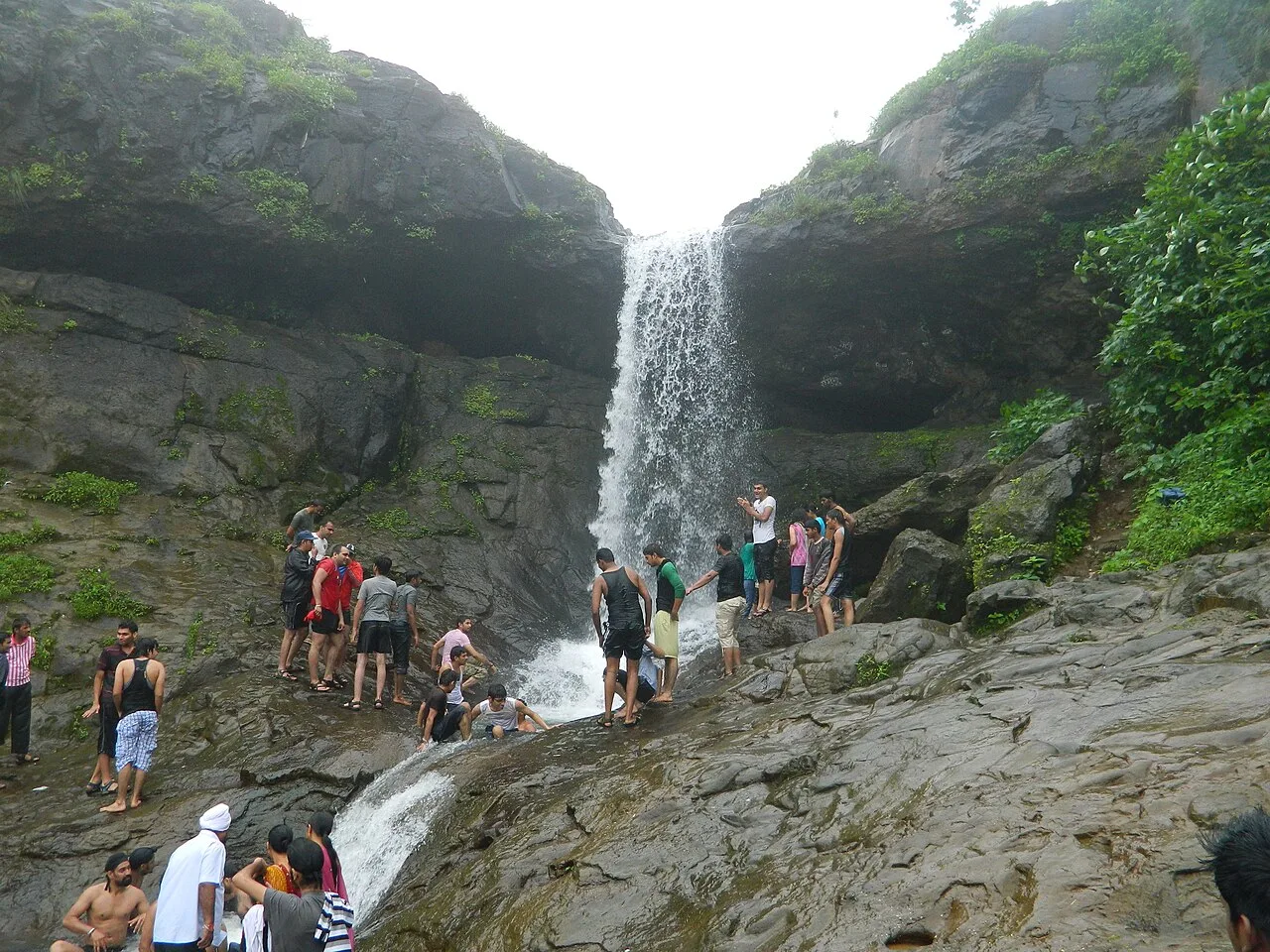
Lonavala
Lonavala, part of the Lonavala-Khandala hill station in Pune district, is a municipal council. People visit for its chikki and its location on rail and road routes between Mumbai and Pune.
Pune's food draws strongly on wider Maharashtrian traditions. Poha, misal pav and vada pav are familiar breakfast or snack choices, while a home-style meal may include chapati or bhakri, vegetables, dal and rice. Puran poli is associated with festive cooking, and modak has particular importance during Ganesh Chaturthi. Pune is also well known for bakarwadi, a crisp, savoury rolled snack, while Lonavala is associated with chikki made from jaggery and nuts. Vegetarian choices are plentiful, though meat dishes also feature in the region. At small rural eateries, ask what has been freshly prepared and carry water for hill outings.
Pune's Tambat Ali neighbourhood is associated with traditional copperworking, including vessels shaped and finished by hand. The characteristic hammered surfaces demonstrate skills passed through artisan families, though workshop activity and visitor access vary. Ganesh idol-making is another visible artistic tradition, particularly in the months before Ganesh Chaturthi. Across the wider Maharashtra region, Paithani silk weaving and other handloom traditions are important, but should not be treated as specifically Pune crafts. When shopping, ask where an item was made and whether it is handmade rather than assuming local production.
Ganeshotsav, especially in Pune city, is a major public and family celebration, usually held in the monsoon season. Processions and popular mandals draw large crowds, so central streets can be busy and accommodation may be in high demand. Jejuri’s Khandoba celebrations, including gatherings associated with occasions in the Hindu calendar, bring pilgrims to the town; turmeric offerings are a distinctive local sight. Mahashivratri attracts devotees to Bhimashankar, while Diwali and other widely observed Hindu festivals are celebrated across the district. Check local arrangements before travelling, as road access and room availability can tighten around major celebrations.
In this district
Elsewhere in Maharashtra
The district runs from the steep, forested Sahyadri escarpment in the west to the drier plateau in the east. Valleys, ridges and monsoon waterfalls shape travel around Lonavala, Rajmachi and Lohagad, while the Bhimashankar area has protected forest and rugged terrain. The Bhima and its tributaries, including the Mula-Mutha and Pavana, drain parts of the district and feed reservoirs. Pune city occupies a plateau basin, with agricultural towns and open countryside farther out. Roads can be winding in the hills, and visits to forts and caves often involve steep paths or a final walk.
Summer, broadly from March to May, is often hot, particularly on the plateau and in Pune city; plan outdoor walks for cooler parts of the day and carry water and sun protection. The monsoon, usually from June to September, brings lush hills and strong seasonal appeal, but rain can make trails slippery, obscure views and disrupt road journeys. Winter, from about November to February, is generally more comfortable for sightseeing and fort walks, though hill evenings can feel cool. October to February is a practical all-round period for a first visit. Pack comfortable walking shoes, light layers, sun protection and, during the rains, waterproof clothing and a dry bag.
Pune Airport is the main air gateway for the district, and Pune Junction is its principal railway hub. Lonavala railway station is useful for the western hill-station area. Pune has road connections with Mumbai via the Mumbai–Pune Expressway and the older highway, with onward roads serving Junnar, Bhimashankar and other inland destinations. City buses, auto-rickshaws and app-based taxis help with urban travel; state transport buses and hired vehicles are options for journeys beyond Pune. Forts and caves may require a final walk or climb, and hill access can be affected by monsoon conditions. Check current services locally.
Pune city is the main transport hub, with buses, auto-rickshaws and app-based taxis useful for urban journeys. State transport buses and private vehicles connect Pune with towns such as Lonavala, Junnar and Jejuri, though services and onward connections vary. Lonavala is a useful base for Karla Caves, Bhaja Caves and nearby forts; hired vehicles can simplify travel between sites. Shared vehicles may be available on some local routes, but should not be assumed for every destination. Reaching Bhimashankar or hill forts often involves winding roads and a final walk or climb. Check current transport locally, especially in the monsoon.
2 days: Shaniwar Wada → Raja Dinkar Kelkar Museum → Dagadusheth Halwai Ganapati Temple → Aga Khan Palace; sleep in Pune after the first day. 3 days: Karla Caves → Bhaja Caves → Lonavala → Lohagad → Rajmachi; sleep in Lonavala after days one and two. Allow extra time for the Rajmachi walk. 4 days: Shaniwar Wada → Dagadusheth Halwai Ganapati Temple → Aga Khan Palace → Sinhagad → Jejuri → Shivneri Fort → Lenyadri; sleep in Pune after days one and two, and in Junnar after day three.
Pune city has the widest choice of accommodation, from hotels and guesthouses to homestays, and works well for urban sights, Sinhagad and some longer day trips. Lonavala is a convenient base for the western hill station, caves and forts, with hotels, resorts and homestays; it gets busy in the monsoon and on holidays. Junnar suits visits to Shivneri Fort and Lenyadri, though options are more limited than in Pune. Bhimashankar has simpler lodging and pilgrimage-oriented stays. Availability can be tight during festivals and peak monsoon weekends, so booking ahead is sensible.
Fort approaches and cave routes can include steep steps, uneven ground and exposed sections; wear suitable footwear and avoid risky edges, especially in rain or mist. Monsoon roads may be slippery, and heavy rain can affect visibility and access, so check conditions before setting out. In forested areas such as Bhimashankar, keep to established paths, do not feed or approach wildlife, and carry drinking water; use treated or sealed water where its safety is uncertain. Mobile connectivity can be weak in remote hill areas. Crowds are common at major temples and festivals, so keep valuables secure. Confirm any current access rules or permit requirements with official local authorities before travel.
- Sataraabout 89 km
- Raigadabout 92 km
- Ahilyanagarabout 103 km
- Mumbai Cityabout 108 km
- Mumbai Suburbanabout 111 km
- Nashikabout 140 km
- Ratnagiriabout 168 km
- Palgharabout 169 km
Straight-line distance between the centres of each district's destinations; road distance is longer.
Q: How many days should I spend in Pune district? A: Two days can cover key Pune city sights. Allow three or four days to add the hill station, caves, forts or Junnar; longer stays suit a more relaxed itinerary. Q: What is the best time to visit? A: October to February is generally comfortable for sightseeing and walking. The monsoon is scenic in the hills but can make trails and roads difficult. Q: What is the best base for exploring? A: Pune city is the most flexible base. Choose Lonavala for the western hill and cave circuit, or Junnar for Shivneri Fort and Lenyadri. Q: How do I get to the district? A: Pune Airport and Pune Junction are the main gateways. From Pune, buses and road transport connect with many district destinations; local onward travel may need a taxi or hired vehicle. Q: Is Pune district suitable for families or elderly travellers? A: Pune city and Lonavala offer accessible sightseeing options, but forts and caves can involve steep climbs and uneven paths. Choose sites to match each traveller’s mobility and check conditions in advance.
This page draws on our 14 destination guides for Pune and is updated as our team checks it.
Be the first to share photos, stories, advice or a helpful contact for Pune.
Loading…