
District · Maharashtra
Sindhudurg
Sindhudurg occupies Maharashtra’s southern Konkan, between the Arabian Sea and the western slopes of the Sahyadri.
Sindhudurg lies in Maharashtra’s southern Konkan, where the Arabian Sea coast meets the western slopes of the Sahyadri. Its landscape includes beaches, rocky headlands, estuaries, wooded hills and inland villages, with the monsoon bringing especially heavy rain to the highlands around Amboli. The district is known for coastal settlements such as Malvan and Tarkarli, as well as historic forts. Vijaydurg dates to the Shilahara period and was later restructured by Shivaji; Sindhudurg Fort, built on an island near Malvan, is another prominent reminder of Maratha maritime history. Fishing, farming and tourism shape local life, while the region retains a relaxed, distinctly Konkani character.
Sindhudurg occupies Maharashtra’s southern Konkan, between the Arabian Sea and the western slopes of the Sahyadri. It offers a mix of beaches, estuaries, wooded hills and historic coastal settlements, making it a useful destination for travellers interested in both the coast and the inland landscape. The district is particularly known for Malvan and Tarkarli, its seafood and water-based activities, and Maratha-era sea forts including Sindhudurg and Vijaydurg. Amboli brings a cooler, rain-soaked hill setting to the region. Fishing, farming and tourism remain part of local life, and travel here often centres on small towns and villages rather than a single urban hub.
The Konkan coast has a long history of maritime trade and rule by regional powers. The Shilahara dynasty held parts of this coast in the medieval period; Vijaydurg Fort is associated with Raja Bhoja II of the Shilahara dynasty and is generally dated to the late 12th or early 13th century. Later, the area came under the influence of the Deccan sultanates and then the Marathas. Shivaji strengthened coastal defences, including Vijaydurg, and built Sindhudurg Fort on an island near Malvan in the 17th century. European powers, including the Portuguese, were active along the wider Konkan and neighbouring Goa coast, while British rule expanded after the defeat of the Peshwa in 1818. The region became part of the Bombay State after independence and then Maharashtra when the state was formed in 1960. Sindhudurg district was separated from Ratnagiri district in 1981. Its forts and coastal settlements reflect the strategic value of this stretch of shoreline.
4 destination guides
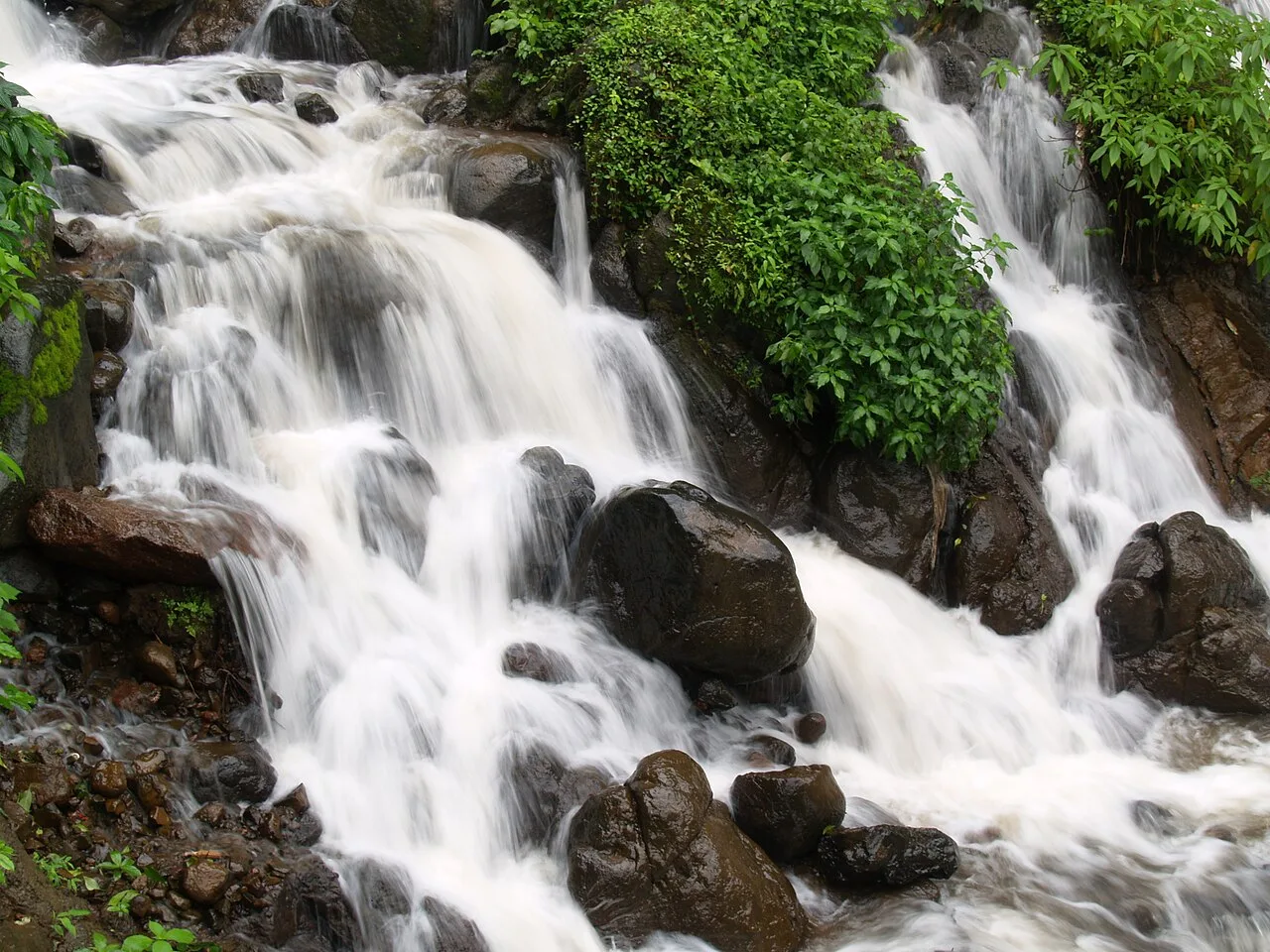
Amboli
Amboli is a village and hill resort in Maharashtra’s Sindhudurg district. Visitors come for its monsoon rain, waterfalls and mist, and for its setting in the Western Ghats.
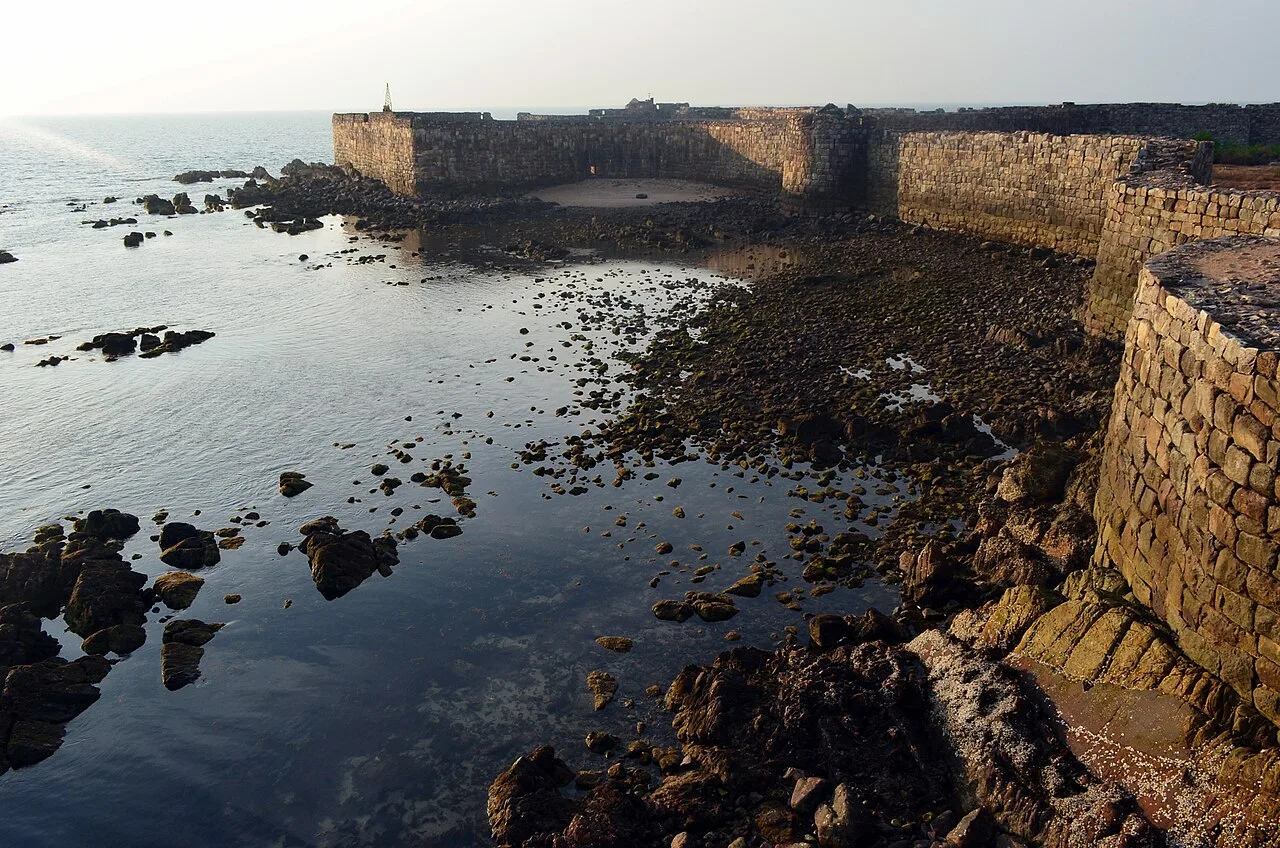
Sindhudurg Fort
Off Maharashtra’s Konkan coast, Sindhudurg Fort is a historic maritime stronghold commissioned by Chhatrapati Shivaji. Visitors come for its history, and the Archaeological Survey of India protects it as a monument.
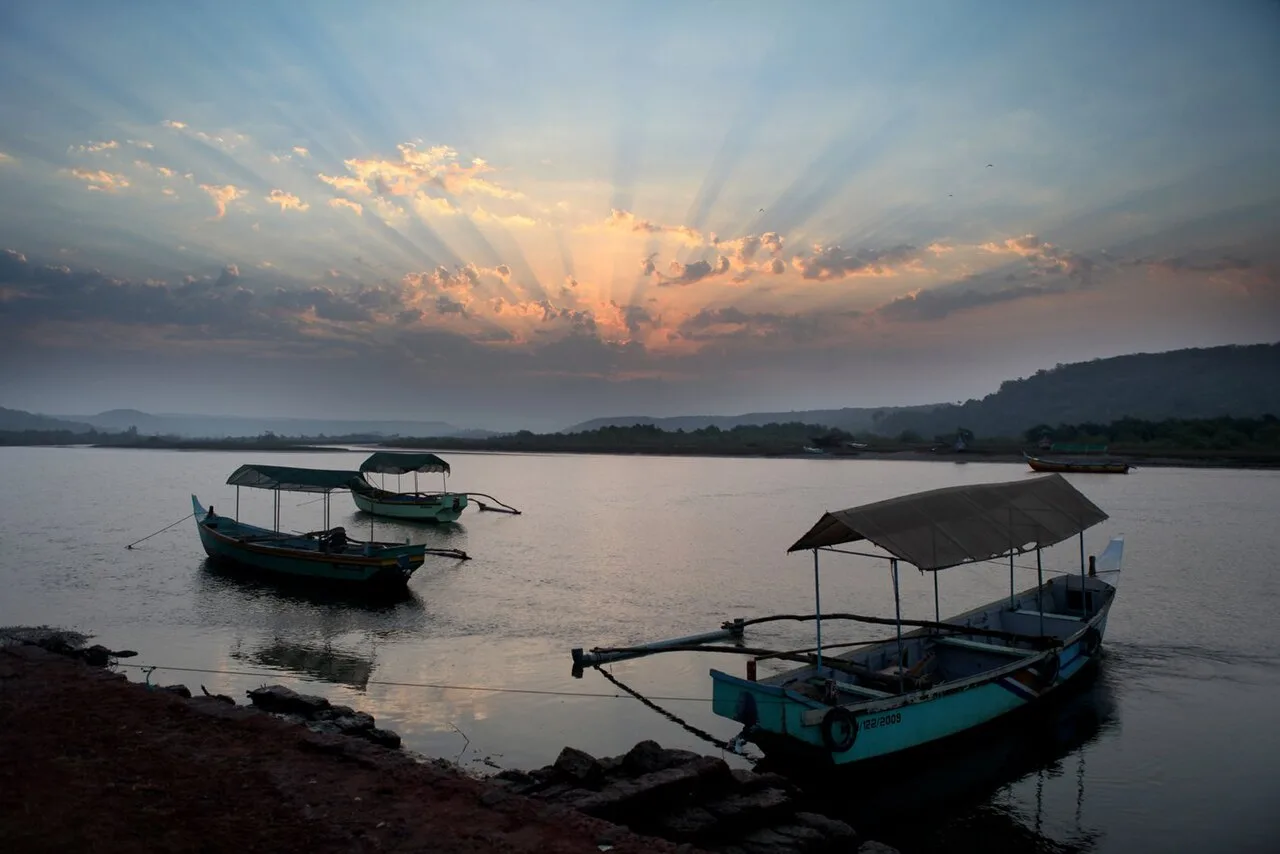
Tarkarli
Tarkarli is a village in Malvan taluka, Sindhudurg district, Maharashtra, known as a beach destination in the state’s south. Tarkarli Beach holds the Queen Beach designation for the Konkan region.
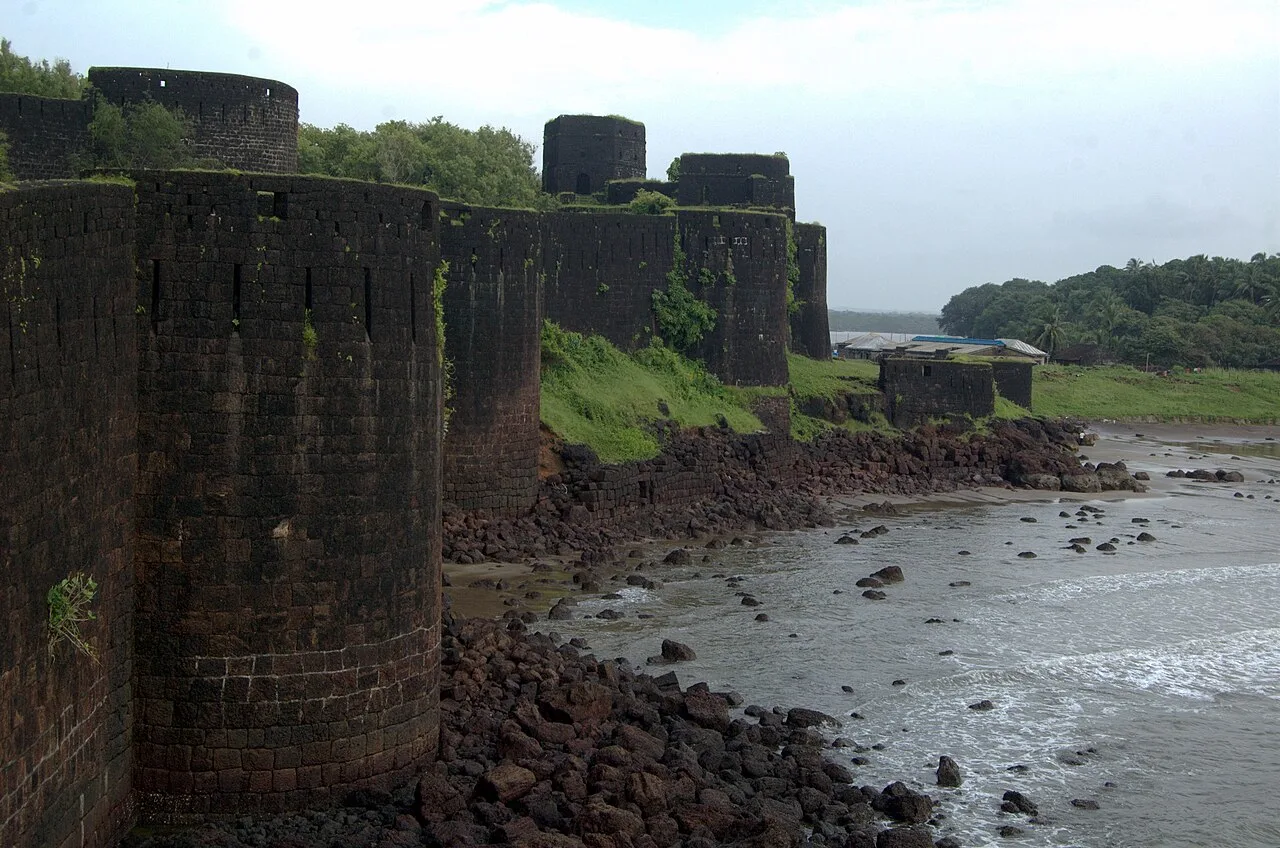
Vijaydurg Fort
Vijaydurg Fort, in Maharashtra’s Sindhudurg district, is a coastal stronghold with a long history of Maratha use. Visitors come to explore its defences and strategic position beside the Waghotan/Kharepatan creek.
Malvani cooking, part of the wider Konkan food tradition, draws on fish, rice, coconut and souring ingredients such as kokum. Fish curry with rice and sol kadhi—a cooling kokum-and-coconut drink—are familiar regional choices, alongside preparations using seasonal seafood. Meals and menus vary between coastal villages and inland areas, and many small eateries cook a limited selection each day. Vegetarian visitors can also find rice-based meals, vegetables and local snacks. Ask what is fresh and available rather than assuming every dish is served everywhere; carry water and snacks when visiting remote sites.
Sawantwadi, in the wider Sindhudurg region, is associated with lacquered wooden toys and decorative objects, made using shaped wood and brightly coloured finishes. The town is also known for its traditional Ganjifa playing cards, including hand-painted sets; this art has a broader history in India and should not be treated as exclusive to the district. Availability and workshop access can vary, so visitors interested in seeing the work or buying directly from makers should enquire locally. These crafts offer a contrast to the district’s better-known coastal and fort attractions.
Ganesh Chaturthi, usually in late summer or early autumn, is widely observed in the Konkan, with household celebrations and community gatherings. Shimga, the local form of Holi, is celebrated around spring, while Narali Purnima in the monsoon season is associated with coastal fishing communities. Village temple fairs and annual jatras take place at different times of the year, so arrangements vary by locality. These events can bring extra visitors to particular villages. The cooler tourist season and major holiday periods can also make coastal accommodation busier; booking ahead is sensible during popular travel periods.
The district’s western edge is a broken Arabian Sea coastline of sandy beaches, rocky headlands, creeks and estuaries. Inland, low hills rise towards the Sahyadri, with forested slopes and river valleys; Amboli lies in this wetter upland zone. Rivers and tidal creeks shape local roads and settlement patterns, while the monsoon can make smaller routes slow or difficult. Coastal towns are linked by the main north–south road corridor, but reaching beaches, forts and hill villages often involves narrower roads and locally arranged onward transport.
Summer is generally warm and humid along the coast, while the higher ground around Amboli is usually cooler. The southwest monsoon, broadly from June into September, brings heavy rain, especially in the hills; some roads and outdoor activities may be disrupted. Winter, from around November to February, is typically the more comfortable season for combining coastal visits with sightseeing. Many travellers choose the cooler months, though holiday periods can be busy. Pack light clothing, sun protection and water for coastal outings; bring a light layer for hill areas. In the monsoon, carry reliable rainwear and footwear with good grip.
The Konkan Railway serves the district, with Kudal and Sawantwadi Road among the useful stations; check which is most convenient for your destination. Sindhudurg (Chipi) Airport serves the coastal area, while Manohar International Airport at Mopa in Goa may be useful for some southern approaches. National Highway 66 is the main road corridor, with smaller roads connecting towns, beaches and hill villages. State transport buses link larger settlements, while taxis and local vehicles can help with less frequent routes. Boats operate for access to Sindhudurg Fort from the Malvan area, subject to local conditions. Check current services locally before travelling.
National Highway 66 links the district’s larger settlements, with smaller roads leading towards the coast, forts and hill villages. State transport buses serve major towns, but services to less-frequent routes may be limited. Local buses, shared jeeps and auto-rickshaws can help with shorter journeys where available; taxis or hired vehicles offer more flexibility for linking several sights. Boats are used to reach Sindhudurg Fort from the Malvan area, subject to sea and operating conditions. Ask locally about current road access and boat services, particularly during the monsoon.
2 days: Tarkarli, Sindhudurg Fort; sleep in Tarkarli. 3 days: Tarkarli, Sindhudurg Fort, Vijaydurg Fort; sleep in Tarkarli, then near Vijaydurg Fort. 4 days: Amboli, Tarkarli, Sindhudurg Fort, Vijaydurg Fort; sleep in Amboli, then Tarkarli, then near Vijaydurg Fort.
Malvan and Tarkarli make practical bases for coastal visits and boat access to Sindhudurg Fort; accommodation ranges from hotels and resorts to homestays and guesthouses. For Vijaydurg Fort, staying in or near the Vijaydurg area can reduce backtracking. Amboli has guesthouses, small hotels and homestays suited to a hill stay. Some towns may have government accommodation or dharamshalas, but availability and facilities vary. Check access, meals and transport arrangements directly before booking, especially outside the main tourist season.
Coastal rocks, slippery fort surfaces and monsoon paths require sturdy footwear and care. Sea conditions and currents can change quickly; follow local advice, use authorised boat services and avoid swimming where conditions are unsafe. Heavy monsoon rain may affect roads, visibility and access to hill areas. Watch for wildlife on forested routes, and avoid walking through dense vegetation after dark. Drink treated or sealed water and take usual precautions with food. Mobile coverage can be uneven away from towns. Confirm current access rules with local authorities or operators before visiting any restricted site; check officially if a permit is required for a particular activity.
- North Goa · Goaabout 67 km
- South Goa · Goaabout 103 km
- Kolhapurabout 110 km
- Belagavi · Karnatakaabout 138 km
- Ratnagiriabout 142 km
- Uttara Kannada · Karnatakaabout 196 km
Straight-line distance between the centres of each district's destinations; road distance is longer.
Q: How many days should I spend in Sindhudurg? A: Two days can cover the Malvan coast and Sindhudurg Fort; allow three or four days to include Vijaydurg Fort or Amboli. Q: When is the best time to visit? A: The cooler months, broadly November to February, are usually comfortable for coastal sightseeing. Monsoon brings heavy rain, especially around Amboli. Q: What is the best base for a first visit? A: Malvan or Tarkarli works well for the coast and Sindhudurg Fort. Choose a separate stay near Vijaydurg Fort or Amboli to explore those areas more easily. Q: How do I get to Sindhudurg? A: Konkan Railway stations such as Kudal and Sawantwadi Road serve the district, and Sindhudurg (Chipi) Airport serves the coastal area. NH 66 is the main road link; check current connections for your destination. Q: Is Sindhudurg suitable for families or elderly travellers? A: Yes, with planning. Choose accessible accommodation and allow extra time; forts, uneven paths, boat access and monsoon conditions may be challenging for some visitors.
This page draws on our 4 destination guides for Sindhudurg and is updated as our team checks it.
Be the first to share photos, stories, advice or a helpful contact for Sindhudurg.
Loading…