
District · Maharashtra
Hingoli
Hingoli offers a quieter way to explore Marathwada, the eastern part of Maharashtra, where farming towns and village life shape the travel experience.
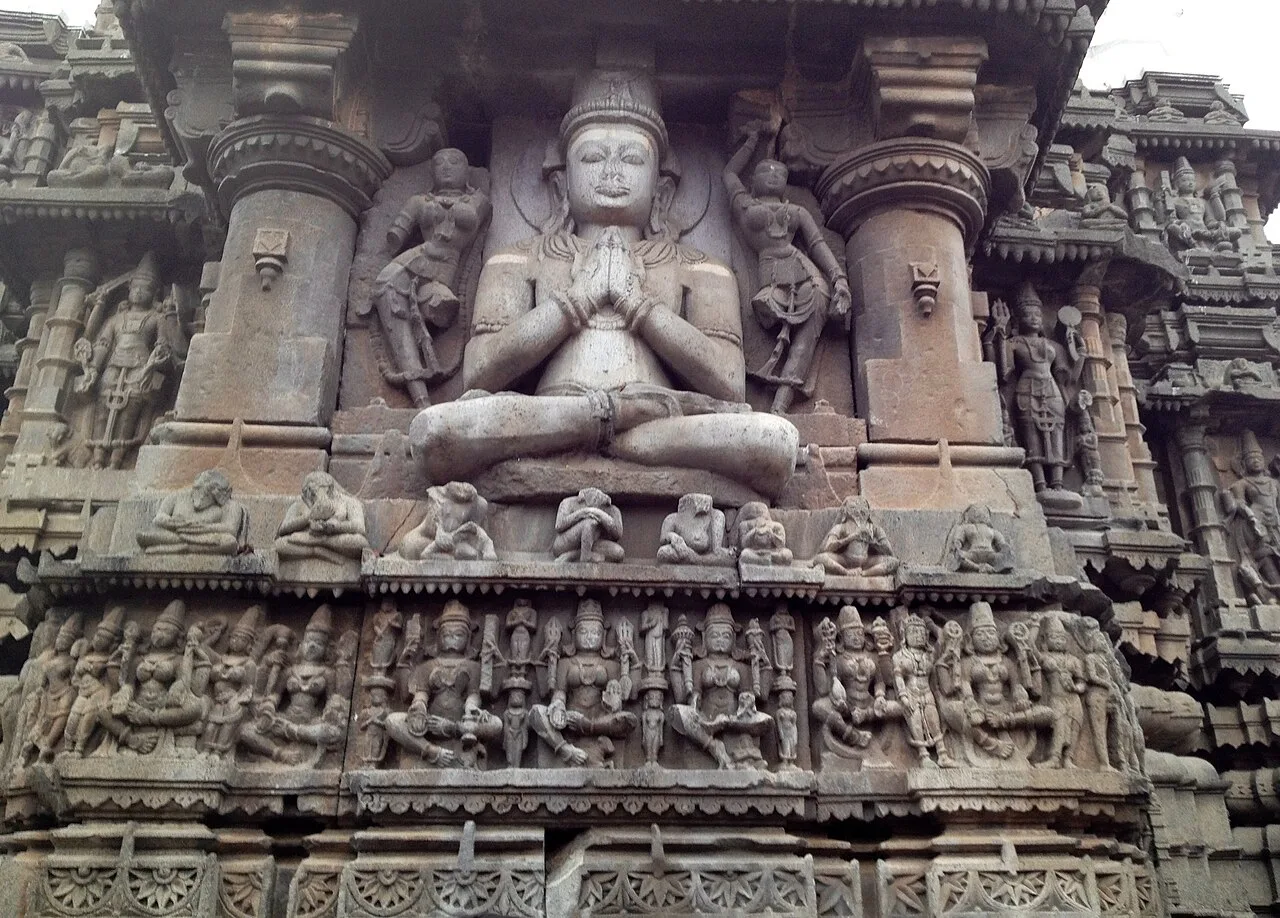
Hingoli lies in the Marathwada region of eastern Maharashtra, on the Deccan plateau. Its landscape is largely agricultural, with broad cultivated stretches, basaltic terrain and seasonal streams; cotton, soybean, pulses and other crops shape the rural economy. The district was formed in 1999 from Parbhani district and has a character rooted in small towns, village markets and farming communities. Its best-known historic landmark is Aundha Nagnath Temple, an important Shaiva pilgrimage site traditionally counted among India’s twelve Jyotirlingas. Marathi is widely spoken, alongside other languages used in the region. Hingoli offers a quieter, largely rural experience, with religious heritage and everyday local life more prominent than large urban attractions.
Hingoli offers a quieter way to explore Marathwada, the eastern part of Maharashtra, where farming towns and village life shape the travel experience. The district is best known for Aundha Nagnath Temple, an important Shaiva pilgrimage site traditionally counted among India’s twelve Jyotirlingas. Visitors can pair a temple visit with time in Hingoli town and the surrounding agricultural countryside. The plateau landscape, seasonal streams and local markets give a sense of everyday life in this largely rural part of the state. Hingoli is less suited to a packed city-break itinerary than to a measured visit focused on religious heritage and regional character.
Hingoli’s history is part of the wider story of Marathwada, a region that came under several powers over the centuries. The area was associated at different times with Deccan dynasties and kingdoms, including the Satavahanas, Vakatakas, Chalukyas, Rashtrakutas and Yadavas; later, parts of the Deccan were ruled by the Bahmani and successor sultanates, followed by the Mughals and the Nizam of Hyderabad. Aundha Nagnath Temple is a long-established centre of Shaiva worship, though its traditional religious importance should be distinguished from claims about the precise date of every part of its present structure. Under the Nizam, Marathwada formed part of Hyderabad State. After Hyderabad’s integration into India in 1948, the region became part of Bombay State and, in 1960, Maharashtra. Hingoli district was formed in 1999 from Parbhani district. Its present identity remains closely tied to agriculture, smaller towns and pilgrimage.
Hingoli’s everyday food reflects the broader Marathwada and Maharashtrian kitchen. Jowar bhakri, pithla, zunka, lentil dishes, seasonal vegetables and thecha are familiar rural meals, though menus vary between households and eateries. Poha, misal pav and vada pav are common across Maharashtra and may be found in town markets. Food can be simple and filling, with grain-based meals especially suited to the region’s agricultural traditions. Small eateries may prepare a limited menu each day, so ask what is fresh. Vegetarian options are widely available; some restaurants also serve meat dishes. Carry water and snacks when travelling to remote sites.
Hingoli does not have a widely documented, district-specific signature craft. Local markets and village life are more likely to reveal practical skills such as pottery, metalwork, carpentry, basket-making and tailoring, though availability varies by place. Cotton is an important regional crop, but that should not be taken as evidence of a distinctive local handloom tradition. Marathwada is also associated with celebrated textiles such as Paithani and Himroo, but these are linked especially with places elsewhere in the region, not specifically with Hingoli. Ask locally about makers and market days if you are looking for handmade goods.
Mahashivratri is a major occasion at Aundha Nagnath Temple, drawing worshippers from the district and beyond. The Shravan month, usually during the monsoon, is also important for Shiva devotees and can bring more visitors to the temple. Ganesh festival, Dussehra, Diwali and Holi are observed in towns and villages, while harvest-related observances reflect the agricultural calendar. Temple festivals and busy pilgrimage periods may mean larger crowds and greater demand for nearby rooms; options in smaller settlements can be limited, so arranging a stay ahead is sensible when travelling during these occasions.
Hingoli lies on the Deccan plateau, with mostly cultivated country, basaltic ground and gently rolling terrain. Cotton, soybean and pulses are among the crops that shape the rural scenery. The Kayadhu and other seasonal waterways, along with smaller streams, can affect local road conditions during and after heavy monsoon rain. The landscape is not a coast or a high-mountain region, and travel is mainly between towns, villages and religious sites across open agricultural stretches. Outside built-up areas, shade and services may be sparse, so plan road journeys with water and appropriate sun protection.
Hingoli has hot summers, a monsoon season and generally milder winters. Summer days can feel intense, especially on exposed roads and around open countryside. Rain usually falls during the monsoon months, when wet or damaged rural roads may slow travel and seasonal streams can rise. Winter is often the most comfortable period for visiting, while the post-monsoon months can also offer pleasant conditions. October to February is generally a good window for temple visits and road journeys. Pack light, breathable clothing, sun protection and water; in winter, bring a light layer, and in the monsoon carry rain protection and footwear with a good grip.
Hingoli Deccan is the district’s principal railway station; rail connections can also be made through larger regional hubs. Nanded Airport is a nearby airport, though the availability of passenger services can vary. Roads link Hingoli town and other district centres with places including Nanded and Parbhani, and buses are a practical option for intercity travel. For Aundha Nagnath and smaller villages, local buses, shared jeeps or a hired vehicle may be useful; services can be less frequent outside towns. Road distances and journey times depend on the route and conditions. Check current services locally before setting out.
Hingoli town is the district’s main transport hub, with road connections towards places including Nanded and Parbhani. State and local buses serve towns and some larger villages, while shared jeeps and autos can help with shorter or less regular routes. Aundha Nagnath Temple is reached by road; a hired vehicle can be useful if you want flexibility or plan to travel beyond the main town centres. Services may be less frequent in rural areas, particularly later in the day. Confirm local connections before setting out, and allow extra time during monsoon weather or busy pilgrimage periods.
2 days: Aundha Nagnath Temple; sleep in Hingoli town on night one. 3 days: Aundha Nagnath Temple, with a slower visit; sleep in Aundha Nagnath town on night one and Hingoli town on night two.
Hingoli town is a practical base for a short district visit, with the broadest choice of ordinary hotels and access to local transport. For a temple-focused trip, staying near Aundha Nagnath can reduce travel on the day of darshan; accommodation in the town is more limited and may fill during busy pilgrimage periods. Basic lodges and dharamshalas may be available in pilgrimage areas, while homestay options should be checked locally rather than assumed. Confirm facilities and availability before travelling, especially for rural stays.
Take care on rural roads, which may be uneven, poorly lit or affected by monsoon rain; avoid rushing after dark and check conditions locally. Carry drinking water or use reliably treated water, and take sun protection when travelling across open countryside. Mobile connectivity and access to health services can be less dependable outside towns, so keep essential medicines with you. Crowds can increase at Aundha Nagnath during major observances; keep personal belongings secure and follow temple guidance. Hingoli is not generally visited as a wildlife destination, but use ordinary caution around unfamiliar rural terrain. No special visitor permit is generally required for the places described; confirm officially if your plans involve a restricted area.
- Nandedabout 52 km
- Buldhanaabout 74 km
- Beedabout 94 km
- Adilabad · Telanganaabout 149 km
- Nizamabad · Telanganaabout 159 km
- Nirmal · Telanganaabout 162 km
- Chhatrapati Sambhajinagarabout 193 km
- Kamareddy · Telanganaabout 205 km
Straight-line distance between the centres of each district's destinations; road distance is longer.
Q: How many days should I spend in Hingoli? A: Two days can suit a focused visit to Aundha Nagnath Temple and Hingoli town; allow an extra day for a slower pace or less frequent local transport. Q: When is the best time to visit? A: October to February is generally comfortable for travel. Monsoon visits are possible, but rain can affect rural roads. Q: What is the best base for a visit? A: Hingoli town is a practical general base; staying near Aundha Nagnath can suit a temple-focused visit if suitable accommodation is available. Q: How do I get to Hingoli? A: Hingoli Deccan is the district’s principal railway station, and road and bus links connect the town with regional centres. Nanded Airport is a nearby option, but passenger services can vary. Q: Is Hingoli suitable for families or elderly travellers? A: Yes, with planning. Choose accommodation and transport that limit long rural journeys, allow time for temple visits, and check steps, walking distances and crowd conditions in advance.
This page draws on our 1 destination guides for Hingoli and is updated as our team checks it.
Be the first to share photos, stories, advice or a helpful contact for Hingoli.
Loading…