
District · Maharashtra
Mumbai Suburban
Mumbai Suburban is part of Maharashtra’s capital region and offers a varied view of urban life on Salsette Island.
Mumbai Suburban district brings together densely built neighbourhoods, the Arabian Sea coast and substantial pockets of greenery on Salsette Island. Juhu Beach represents its coastal character, while artificial Powai Lake offers a contrasting inland waterscape. In the north, Sanjay Gandhi National Park preserves forest amid the metropolitan sprawl; its Kanheri Caves record a long history of Buddhist religious life and rock-cut architecture. Bandra’s Basilica of Our Lady of the Mount reflects another important strand of the area’s religious heritage. Near Gorai, the Global Vipassana Pagoda adds a modern meditation landmark. The district is best understood as a collection of distinct suburban neighbourhoods, where busy streets and residential areas sit alongside places of worship, waterfronts and forest.
Mumbai Suburban is part of Maharashtra’s capital region and offers a varied view of urban life on Salsette Island. Visitors can combine the Arabian Sea coast at Juhu with Powai Lake, forest trails and Buddhist rock-cut heritage at Kanheri Caves in Sanjay Gandhi National Park. The district also reflects the city’s religious diversity, from Bandra’s Basilica of Our Lady of the Mount to the Global Vipassana Pagoda near Gorai. Its appeal lies in the contrasts: busy residential neighbourhoods, places of worship, waterfronts and substantial green spaces all within a large metropolitan area.
Salsette Island has a long history of settlement and religious activity. Kanheri Caves, developed over many centuries from around the first century BCE, preserve evidence of Buddhist monastic life and rock-cut architecture. The region later came under the influence of the Shilahara dynasty, which ruled parts of the Konkan between roughly the ninth and thirteenth centuries. Portuguese power expanded across Salsette and nearby islands from the sixteenth century; the British gained control of Salsette in the eighteenth century. Under British rule, causeways, transport links and reclamation helped connect the island settlements with Bombay, supporting gradual urban growth. After independence, expanding transport networks and housing transformed the suburbs into a major part of metropolitan Mumbai. Mumbai Suburban district was formed in 1990, when it was separated from the larger Greater Bombay district. Its neighbourhoods have continued to grow around railway corridors, commercial centres and residential developments, while places such as Kanheri and the Mount church retain traces of much older religious histories.
6 destination guides
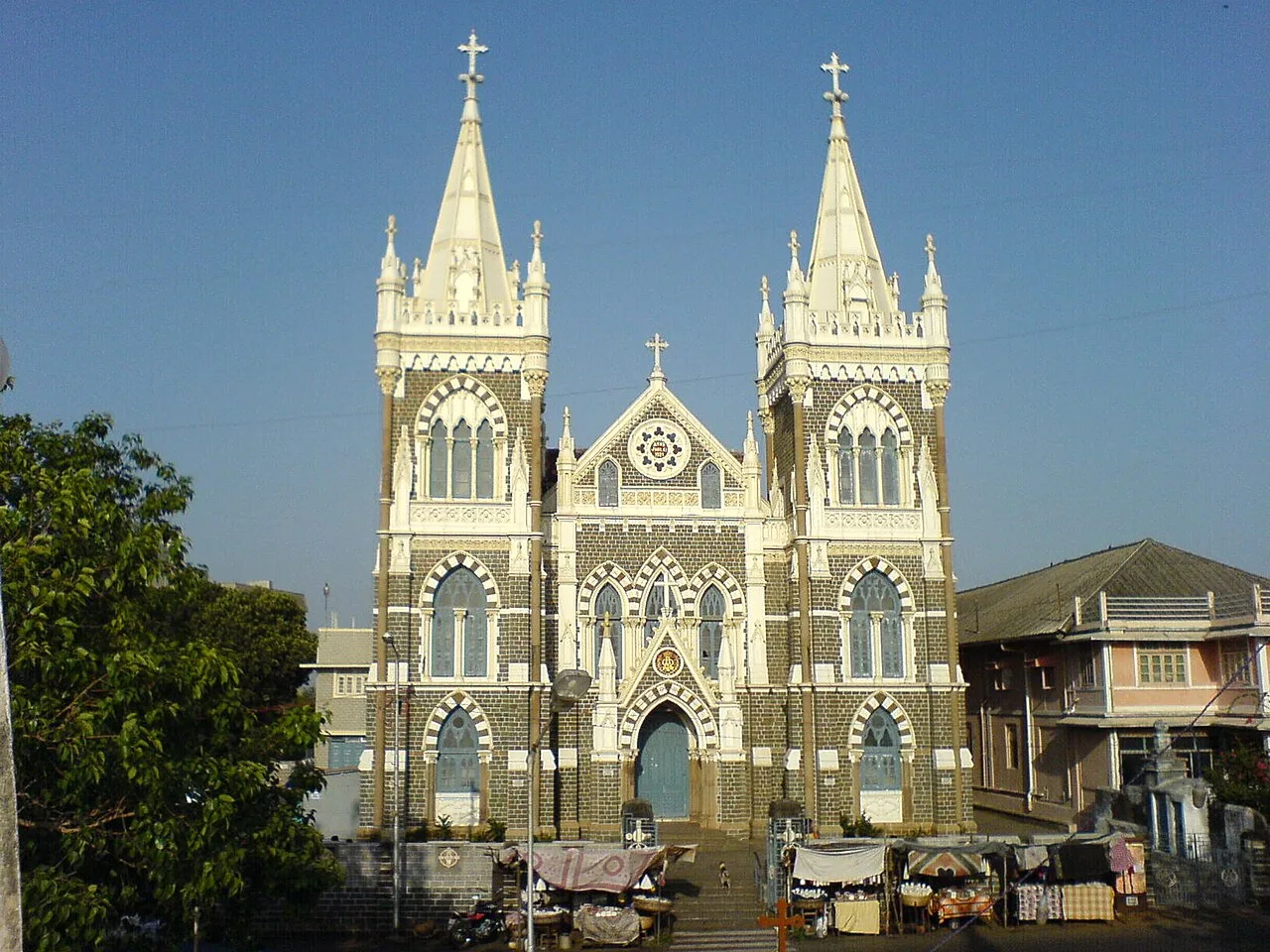
Basilica of Our Lady of the Mount
A Roman Catholic basilica and shrine in Mumbai’s Bandra neighbourhood, it draws visitors for the annual Marian feast and fair, as well as people hoping their mannat, or wish, will be fulfilled.
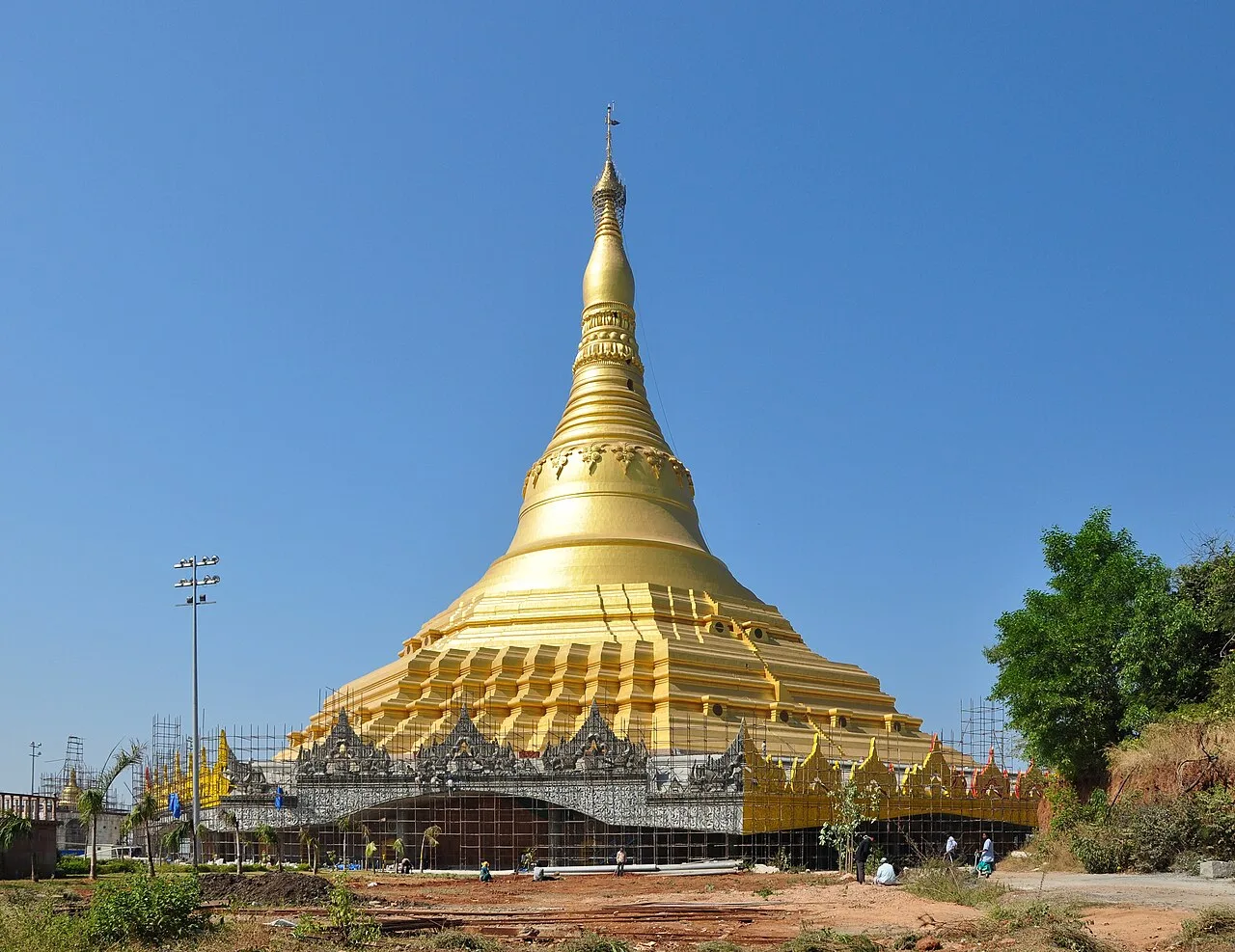
Global Vipassana Pagoda
The Global Vipassana Pagoda is a large meditation centre near Gorai in north-west Mumbai. Visitors come to learn about Vipassana and the Buddha’s teachings, and to see its Burmese-inspired architecture.
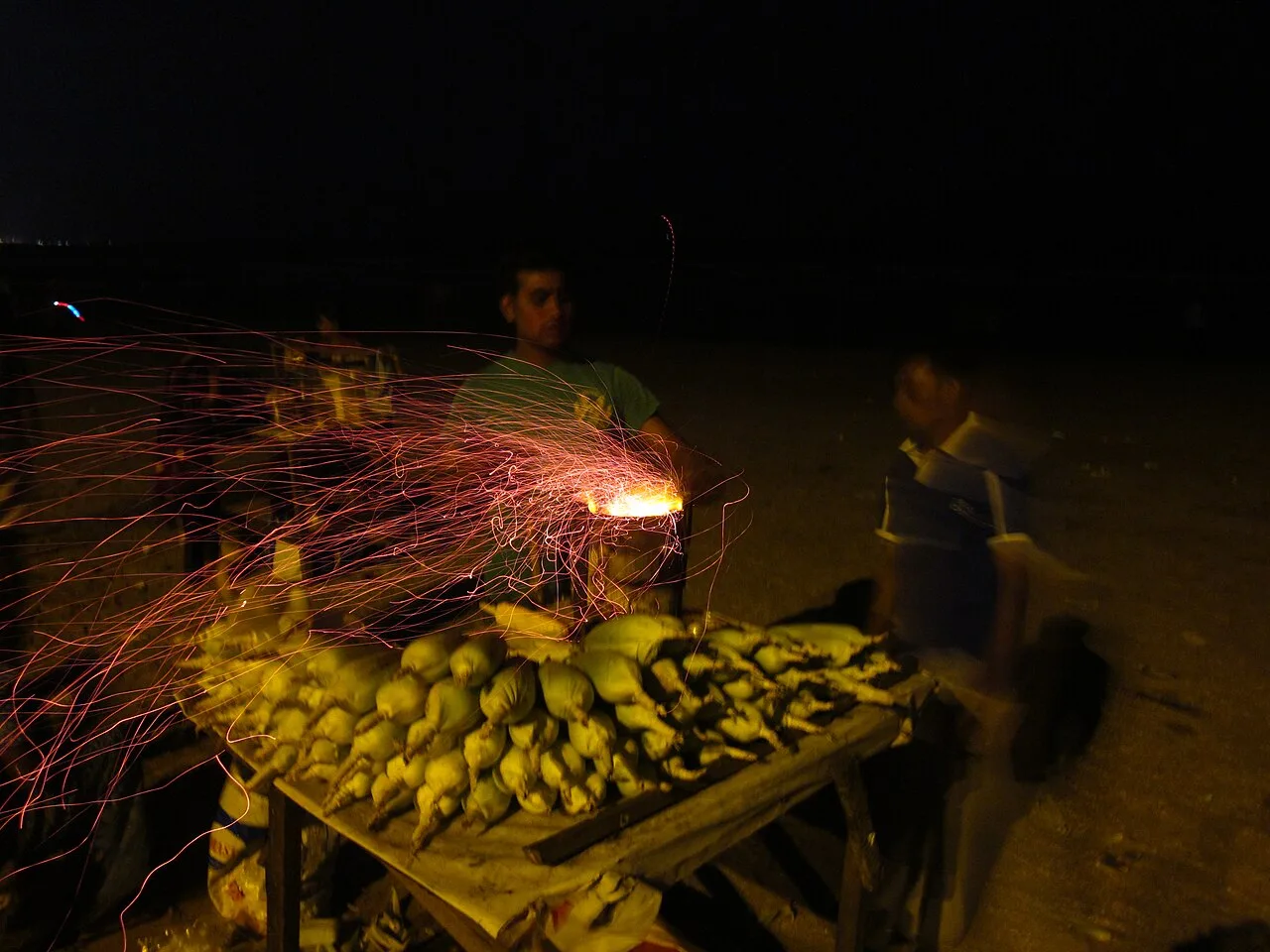
Juhu Beach
Juhu is a coastal Mumbai suburb on Salsette Island, best known for its beach. People visit the shore, and the neighbourhood is also associated with Bollywood residents.
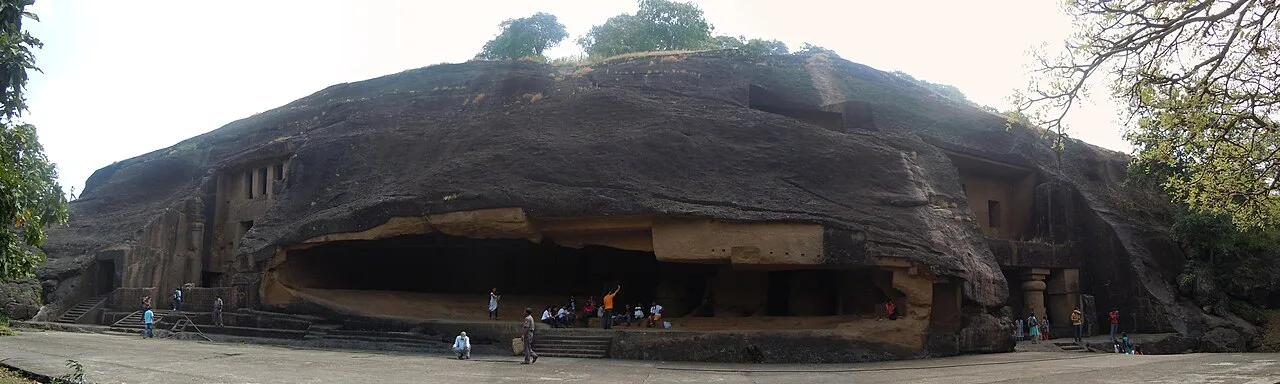
Kanheri Caves
Kanheri Caves is a Buddhist monastic complex carved into a basalt hillside in Mumbai’s Sanjay Gandhi National Park. Visitors explore its caves, worship halls, sculptures and ancient water systems.

Powai Lake
An artificial lake in Mumbai’s Powai suburb, Powai Lake is a popular local attraction, with major educational institutions and urban neighbourhoods nearby.
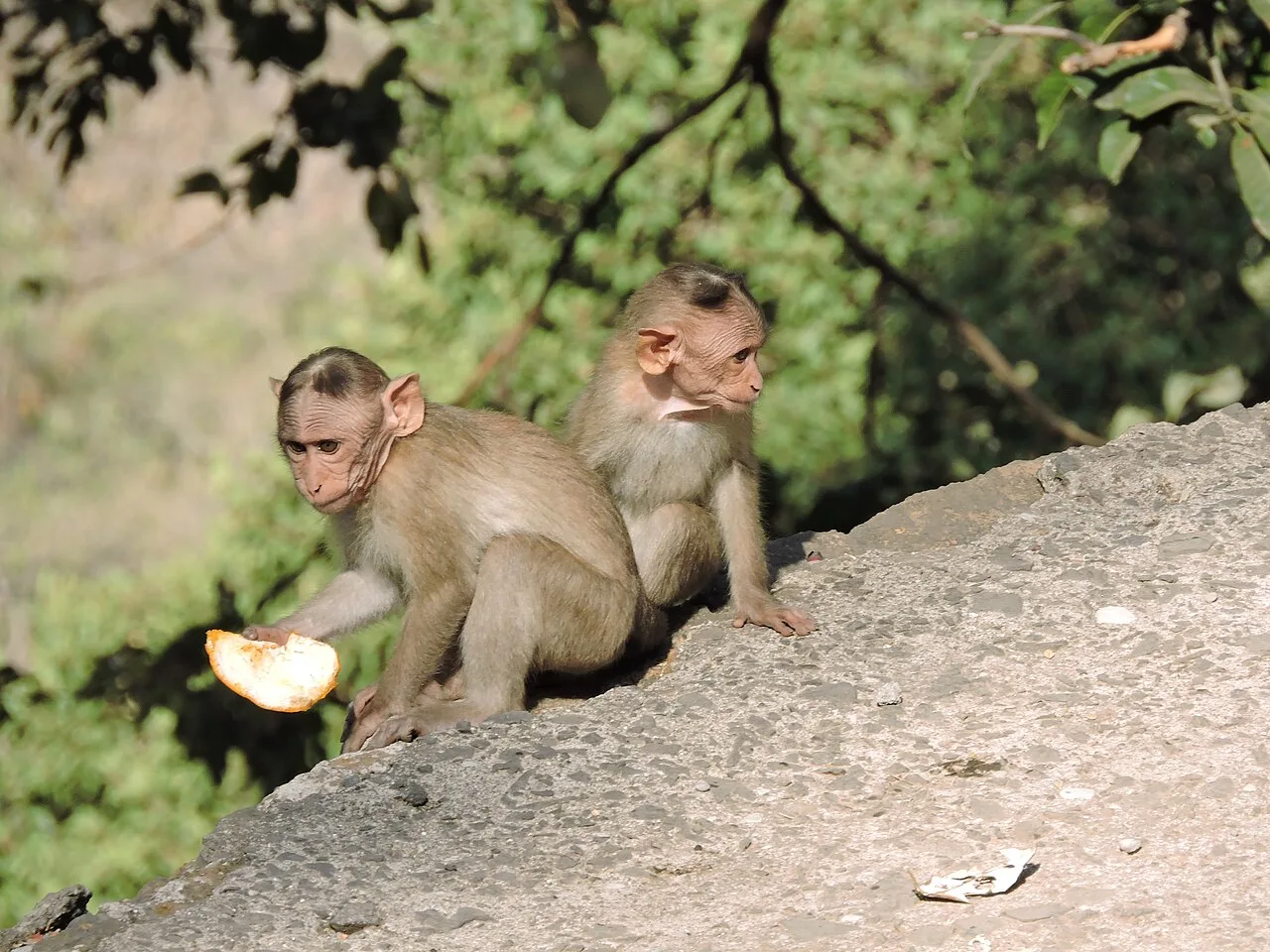
Sanjay Gandhi National Park
Covering 103.84 square kilometres in Mumbai, Sanjay Gandhi National Park is a protected area in Maharashtra. More than two million people visit it each year.
Mumbai’s street-food culture is central to eating in the suburban district, with vada pav, pav bhaji, bhel puri and sev puri among familiar choices. Juhu is particularly associated with beachside snacks. Poha and misal pav belong to the wider Maharashtrian breakfast tradition, while puran poli and modak connect meals with festivals and household cooking; modak is especially associated with Ganesh Chaturthi. Fish curries and sol kadhi reflect the broader Konkan coastal influence rather than a tradition exclusive to the district. Vegetarian options are widespread. Choose freshly prepared food and carry drinking water for park and cave visits.
The district’s artistic life includes contemporary urban work and seasonal religious craftsmanship, including the making and decoration of Ganesh idols. For a wider regional context, Warli painting belongs to the tribal traditions of northern Konkan and neighbouring areas, especially Palghar, rather than being specific to Mumbai Suburban. Its distinctive compositions use simple geometric human and animal forms. Paithani silk weaving is another important Maharashtra tradition, associated with centres elsewhere in the state. When shopping in Mumbai, ask about the maker and place of production rather than assuming locally sold work was locally made.
Ganesh Chaturthi, usually in August or September, is widely observed across Mumbai, with processions and busy streets affecting travel. Navratri, generally in September or October, brings community celebrations and evening events. Eid and Christmas are also celebrated across the district; Bandra’s Mount Mary feast and fair, usually held in September, draws visitors to the church and surrounding streets. These periods can increase local crowds and make accommodation harder to secure, especially around popular neighbourhoods and event venues. Dates vary each year, so check local notices when planning.
The district occupies much of Salsette Island, with a developed Arabian Sea coast in the west, creeks and low-lying urban areas, and higher, forested terrain in the north. Sanjay Gandhi National Park protects hills and woodland around Kanheri Caves, while Powai Lake is an inland artificial reservoir. Beaches, creeks and green pockets sit close to dense neighbourhoods and major roads. This varied terrain means that short map distances can still involve slow cross-district journeys; grouping coastal, central and northern sights helps reduce backtracking.
Mumbai Suburban has a tropical coastal climate. Summers, from roughly March to May, are hot and humid; the monsoon, generally from June to September, brings heavy rain, wet paths and possible travel disruption. Winter, from about November to February, is usually less humid and more comfortable for walking and sightseeing. November to February is often the most convenient period to visit, though the coast remains humid. Carry light clothing, sun protection and water, and bring a compact rain layer during the wet season. For forest visits, use sturdy footwear and check current trail and access conditions.
Chhatrapati Shivaji Maharaj International Airport is the main air gateway. Rail access depends on your destination: Bandra Terminus and Lokmanya Tilak Terminus handle long-distance services, while Borivali is useful for the northern suburbs and Sanjay Gandhi National Park. Suburban trains, Metro services, BEST buses, taxis and auto-rickshaws provide onward travel. The Western and Eastern Express Highways are major road corridors, though congestion can make journeys slow. Gorai visits may involve a ferry connection and onward road transport, depending on the route. Group nearby sights together rather than repeatedly crossing the district, and check current services locally.
The Western and Central suburban railway corridors, Metro services, BEST buses, taxis and auto-rickshaws connect many neighbourhoods, though the best option depends on the destination. Road journeys use major east–west links and the Western and Eastern Express Highways, which can be congested. Borivali is a useful rail and road gateway for Sanjay Gandhi National Park; Bandra and Andheri serve other parts of the district. Reaching Gorai and the Global Vipassana Pagoda may involve a ferry and onward road transport, depending on the route. Confirm current services locally and allow extra time in peak traffic or rain.
2 days: Basilica of Our Lady of the Mount → Juhu Beach → Powai Lake; sleep in Bandra, then Powai or a nearby eastern suburb. 3 days: Basilica of Our Lady of the Mount → Juhu Beach → Powai Lake → Sanjay Gandhi National Park → Kanheri Caves; sleep in Bandra, then near Borivali. 4 days: Basilica of Our Lady of the Mount → Juhu Beach → Powai Lake → Sanjay Gandhi National Park → Kanheri Caves → Global Vipassana Pagoda; sleep in Bandra, near Borivali, then near Gorai or Borivali.
Bandra works well for the church and western-side visits, while Juhu and Andheri offer bases for the beach and central-western neighbourhoods. Powai is convenient for the lake and eastern suburbs. For the park and Kanheri Caves, stay around Borivali; visitors going to Gorai may prefer accommodation nearby or in Borivali, where choices are broader. Hotels and serviced apartments are common, with guesthouses and some homestays also available. Government lodges and dharamshalas are not widespread options, so confirm availability before relying on them.
Urban roads can be congested, and heavy monsoon rain may cause waterlogging, slippery paths and delays. At Juhu and other waterfronts, heed local warnings and avoid entering the sea in rough conditions. In Sanjay Gandhi National Park, stay on permitted routes, follow staff instructions and do not approach or feed wildlife. Carry drinking water and use sealed or otherwise reliably treated water. Mobile connectivity can vary on forest trails. Check current park access, trail restrictions and any official requirements before visiting; do not assume that every area is open.
- Mumbai Cityabout 25 km
- Raigadabout 70 km
- Palgharabout 87 km
- Puneabout 111 km
- Dadra and Nagar Haveli · Dadra and Nagar Haveli and Daman and Diuabout 118 km
- Nashikabout 130 km
- Daman · Dadra and Nagar Haveli and Daman and Diuabout 138 km
- Sataraabout 169 km
Straight-line distance between the centres of each district's destinations; road distance is longer.
Q: How many days should I spend in Mumbai Suburban? A: Two days can cover a few main sights; three or four days allow more time for the park, Kanheri Caves and Gorai. Q: When is the best time to visit? A: November to February is generally more comfortable. The monsoon is scenic but can disrupt outdoor plans and travel. Q: Where is the best base? A: Bandra or Andheri suits western-side visits; Borivali is useful for Sanjay Gandhi National Park and Kanheri Caves. Q: How do I get there? A: Chhatrapati Shivaji Maharaj International Airport is the main air gateway. Long-distance trains and suburban rail, Metro, buses and road services provide onward connections. Q: Is the district suitable for families or elderly travellers? A: Yes, but choose accessible sights and allow extra travel time. Park trails and crowded areas may be tiring, and conditions vary with weather.
This page draws on our 6 destination guides for Mumbai Suburban and is updated as our team checks it.
Be the first to share photos, stories, advice or a helpful contact for Mumbai Suburban.
Loading…