
District · Dadra and Nagar Haveli and Daman and Diu
Dadra and Nagar Haveli
Dadra and Nagar Haveli offers an inland contrast to the coastal districts of the Union Territory of Dadra and Nagar Haveli and Daman and Diu.
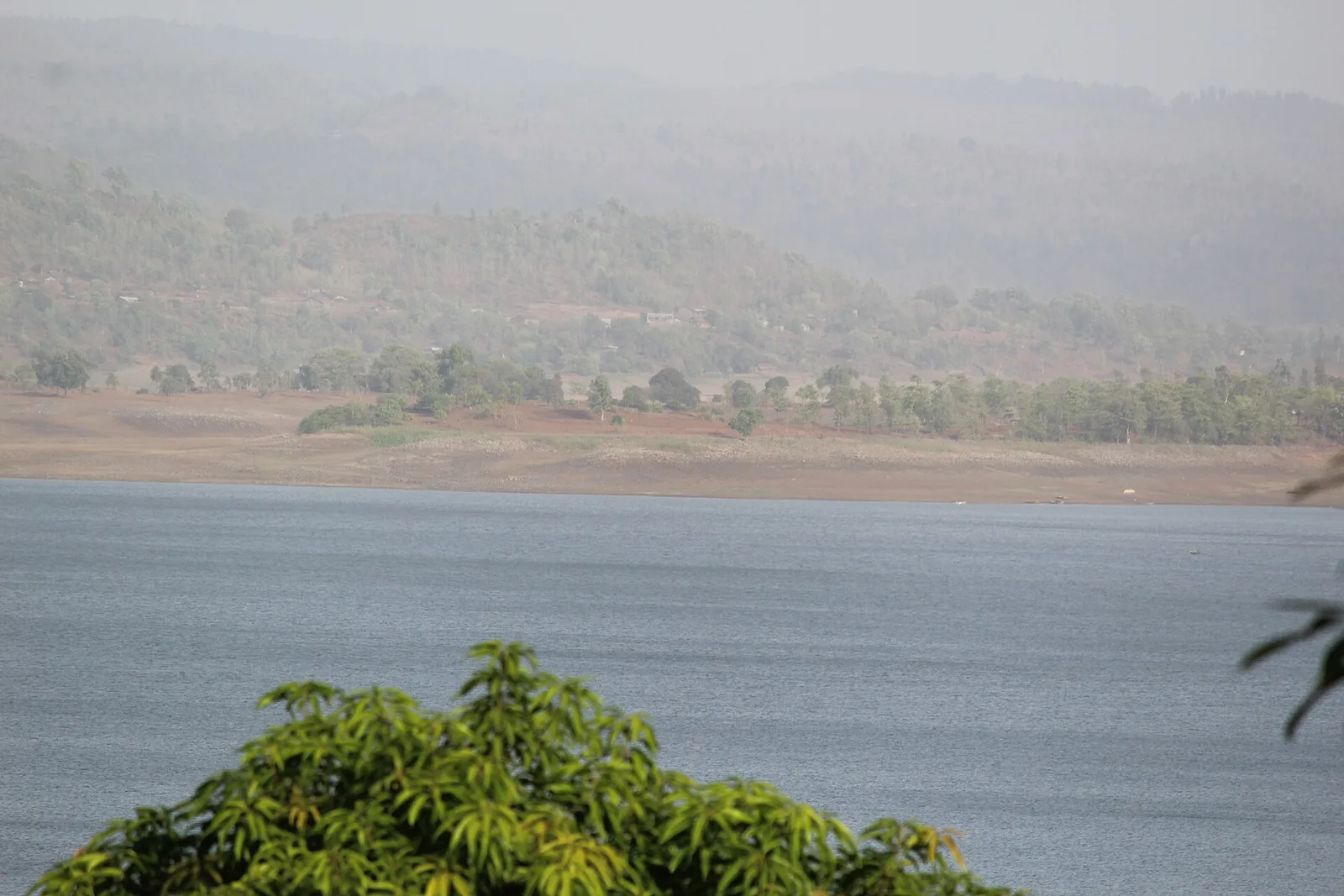
Dadra and Nagar Haveli is a small, largely inland district between Gujarat and Maharashtra, with Silvassa as its administrative centre. The landscape shifts from settled areas and farms to low, forested hills and river valleys, especially around the Daman Ganga and the reservoir at Madhuban. Warli and Kokna communities are part of the district’s cultural life, alongside more recent urban and industrial growth around Silvassa. The territory was under Portuguese rule until local forces took control in 1954; it became part of India in 1961. Since 2020, Dadra and Nagar Haveli has formed part of the merged Union Territory of Dadra and Nagar Haveli and Daman and Diu. Its character combines tribal heritage, green inland scenery and a growing town centre.
Dadra and Nagar Haveli offers an inland contrast to the coastal districts of the Union Territory of Dadra and Nagar Haveli and Daman and Diu. Its centre, Silvassa, is known for its mix of urban growth and cultural institutions, while the surrounding district has forested hills, river valleys and the Madhuban reservoir. Visitors come for nature outings around Dudhni Lake, Satmaliya Deer Park and the wildlife sanctuary, as well as gardens and the Tribal Cultural Museum. Warli and Kokna communities contribute to the district’s cultural life. The region is also of historical interest for its Portuguese past and its incorporation into India in the twentieth century.
Before Portuguese rule, authority in this part of western India shifted among local chiefs and larger regional powers. Portuguese control took hold in the eighteenth century, and Dadra and Nagar Haveli remained a Portuguese-administered territory for much of the colonial period. In 1954, local forces took control of the territory; India assumed formal administration in 1961. Dadra and Nagar Haveli then became a Union Territory, with Silvassa serving as its administrative centre. Its political history is distinct from that of nearby Portuguese-held Daman and Diu, though all were later administered as Union Territories. The district’s social history also reflects the long-standing presence of Adivasi communities, including Warli and Kokna people, whose traditions remain part of local cultural life. Industrial and urban development around Silvassa grew in later decades, bringing new residents and changing the local economy. In January 2020, Dadra and Nagar Haveli was merged with Daman and Diu to form the Union Territory of Dadra and Nagar Haveli and Daman and Diu; Dadra and Nagar Haveli continues as a district within it.
9 destination guides · 2 on the map
Dadra and Nagar Haveli Wildlife Sanctuary
This wildlife sanctuary in Dadra and Nagar Haveli district draws visitors interested in its two included sites, Satmalia Deer Park and Vasona Lion Safari.
Dudhni Lake
Dudhni Lake is recorded as a village in Dadra and Nagar Haveli district, within the union territory of Dadra and Nagar Haveli and Daman and Diu. Its administrative location helps visitors identify the place.
Hirwa Van Garden
Hirwa Van Garden is a garden classified as historic in Dadra and Nagar Haveli district, within the union territory of Dadra and Nagar Haveli and Daman and Diu. Visitors may come to see its historic garden setting.
Khanvel
Khanvel is a village in Dadra and Nagar Haveli district, within the union territory of Dadra and Nagar Haveli and Daman and Diu. For travellers, it is a named settlement in the district.
Madhuban Dam
Madhuban Dam is a dam with a reservoir in Dadra and Nagar Haveli district, within the union territory of Dadra and Nagar Haveli and Daman and Diu. Visitors can see the dam and its reservoir.
Satmaliya Deer Park
Satmaliya Deer Park is a protected nature area in Dadra and Nagar Haveli district. Visitors come to spend time in a nature setting within the union territory.
Silvassa
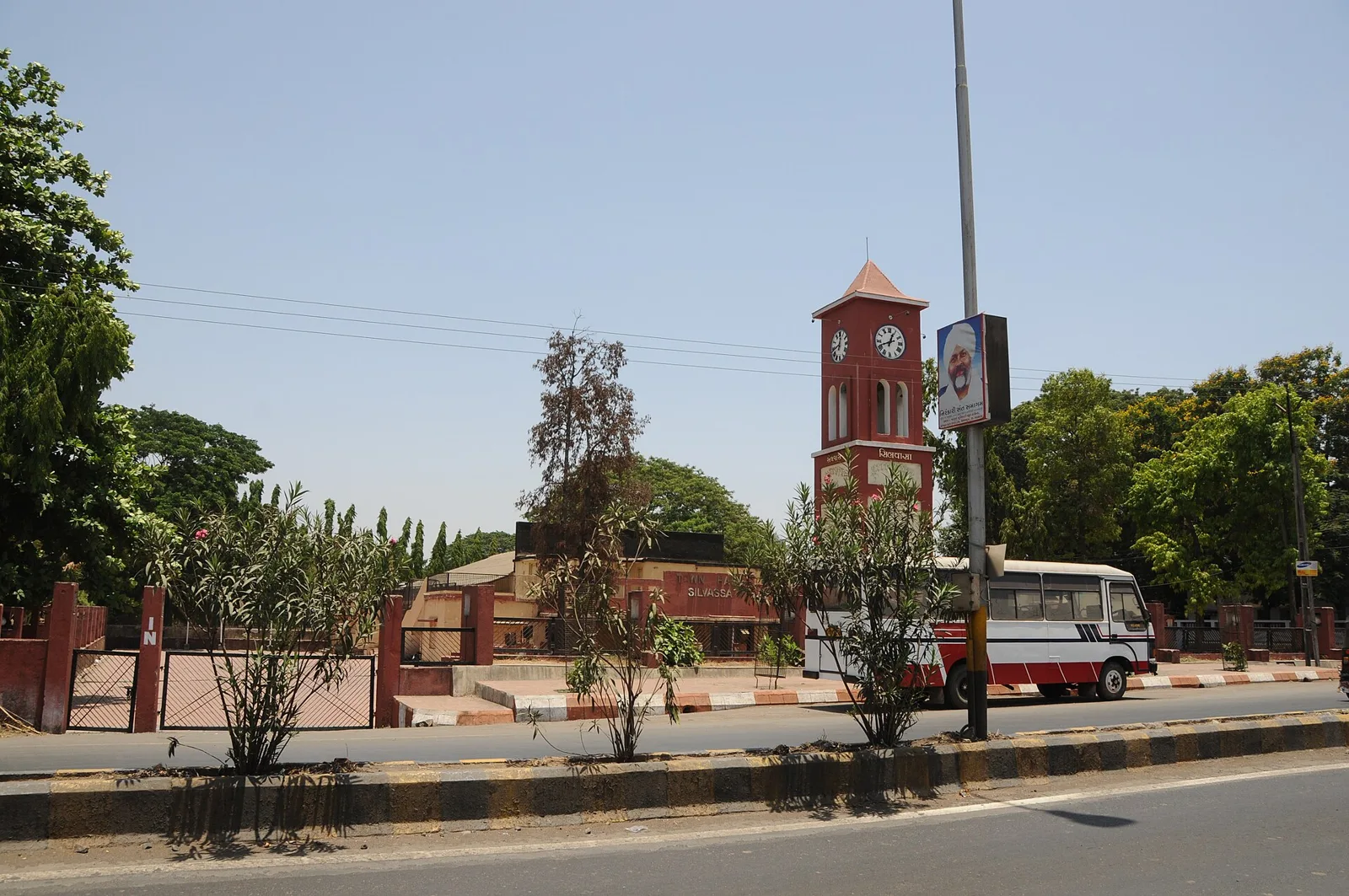
Silvassa is a western Indian city and the administrative centre of Dadra and Nagar Haveli district. Its status as the Union territory’s largest city and its selection for the Smart Cities Mission are reasons for visitors to take note of it.
Tribal Cultural Museum
The Tribal Cultural Museum is a museum with a tribal-cultural focus in Dadra and Nagar Haveli district. Visitors may include it when seeking a cultural attraction in the area.
Vanganga Lake Garden
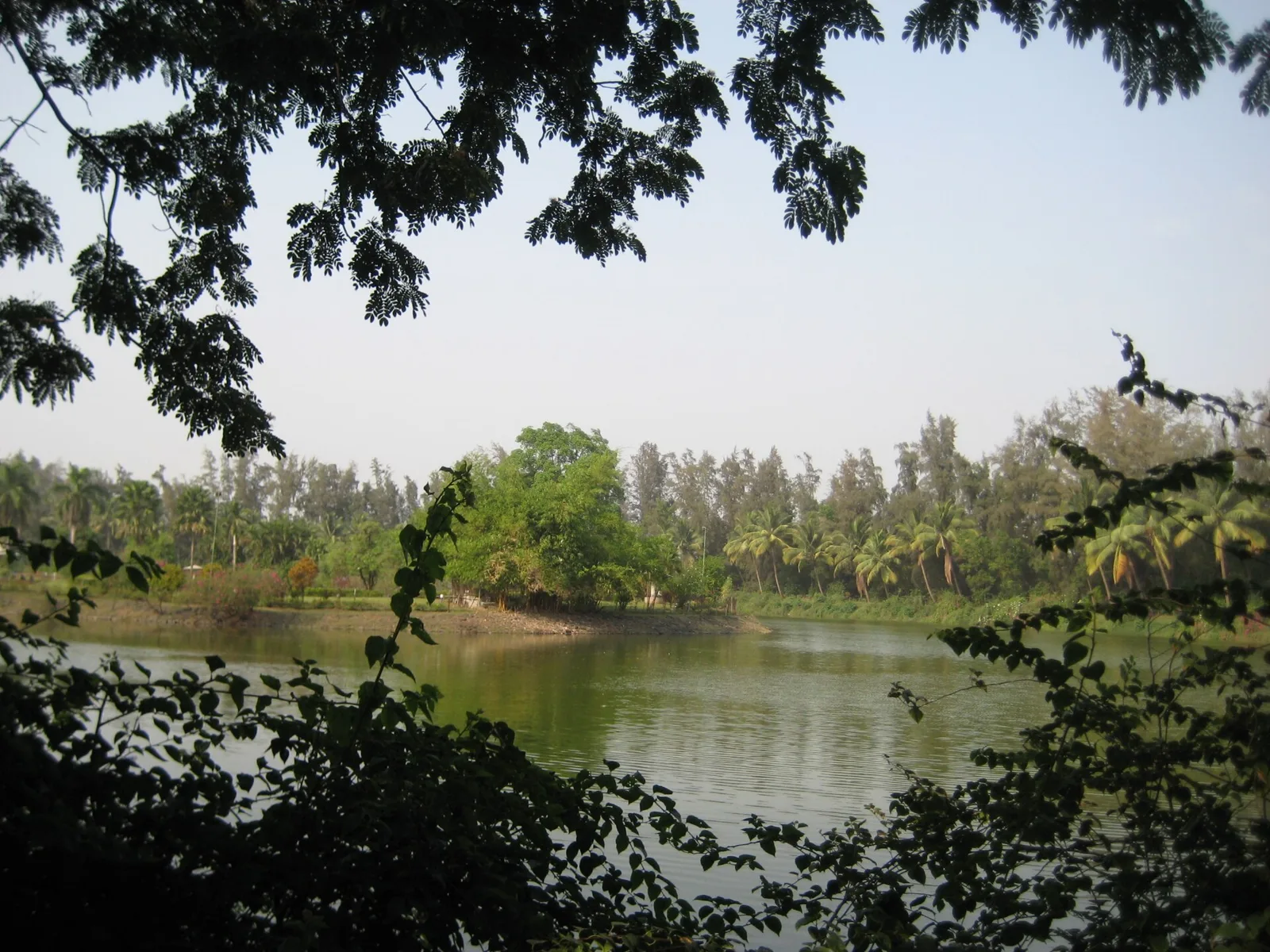
Vanganga Lake Garden is a historic garden in Dadra and Nagar Haveli district. Visitors come to see the garden and its place within the district’s heritage.
Food in Dadra and Nagar Haveli reflects tribal traditions as well as Gujarati and wider western Indian influences. Warli and Kokna cooking draws on local rice, millet and seasonal forest greens; what is served can vary with the season and household. Around Silvassa, visitors can also find Gujarati thalis, snacks and familiar North Indian vegetarian meals. Seafood and Portuguese-influenced dishes such as sorpotel and vindaloo are associated more broadly with the coastal parts of the Union Territory, particularly Daman and Diu, rather than being everyday district specialities. At small eateries, ask what is fresh or prepared that day, as menus may be limited.
Warli painting is the best-known art tradition associated with the tribal communities of this wider region. Its characteristic figures and scenes, often arranged in simple geometric forms, depict village life, celebrations, work and the natural world. Warli communities live across parts of Maharashtra and Gujarat as well as Dadra and Nagar Haveli, so the tradition is regional rather than exclusive to the district. Local cultural institutions and shops in and around Silvassa may offer opportunities to learn about tribal art and customary life. Availability of handmade work varies, and visitors should ask about the maker and the work’s origins.
Celebrations vary among communities and villages. Warli and Kokna cultural gatherings may include traditional music and tarpa dancing, while widely observed festivals such as Diwali, Holi and Navratri are marked in Silvassa and surrounding settlements. Some tribal festivals and harvest-related observances follow local customs and the agricultural season rather than a single district-wide calendar. The busier periods are generally around major holidays and school breaks, when local events and family visits can increase demand for rooms. Travellers planning a stay during a festival should check local accommodation availability in advance.
The district is inland, with settled areas and farms giving way to low, wooded hills, forest patches and river valleys. The Daman Ganga and its reservoir at Madhuban are prominent features, while the terrain around Dudhni and Khanvel makes some nature outings feel more rural than travel around Silvassa. Roads connect the main settlements, but visits to parks, reservoir areas and forest sites may involve narrower or less direct routes. Monsoon greenery can make the landscape especially lush, while also making some paths and roads slippery.
Summer, broadly from March to May, is usually hot and humid, so plan outdoor visits for cooler parts of the day and carry water. The monsoon, generally from June into September, brings rain and greener scenery; showers can affect road conditions and outdoor plans. Winter, from around November to February, is usually the most comfortable season for sightseeing. These cooler months are generally the best time to visit, though weekends and holiday periods can be busier. Pack light, breathable clothing, a sun hat and sturdy walking shoes; bring rain protection during the monsoon and insect repellent for time near forests or water.
Vapi railway station is the principal rail gateway for Silvassa and the surrounding district, with services on the Mumbai–Ahmedabad corridor. By road, Silvassa is reached from Vapi and connects with routes through neighbouring Gujarat and Maharashtra; check the route suited to your destination, as remote nature sites may require additional travel beyond town. Surat Airport is a nearby air option, while Mumbai Airport has a wider range of connections. In Silvassa, taxis, auto-rickshaws and local buses can help with town travel; for rural attractions, arrange transport in advance where possible. Check current services locally before setting out.
Silvassa is the main base for travel around the district, with road links to Dadra, Khanvel and other settlements. Local buses and auto-rickshaws can be useful for short journeys around town, but services to rural sights may be limited or less convenient. Taxis or a hired vehicle offer more flexibility for combining places such as Satmaliya Deer Park, Madhuban Dam and Dudhni Lake in one outing. Shared vehicles may operate on some local routes, but availability can vary. Do not assume boat services are available at water sites; check locally before planning around them.
2 days: Silvassa → Tribal Cultural Museum → Vanganga Lake Garden → Hirwa Van Garden; sleep in Silvassa after night 1. Day 2: Satmaliya Deer Park → Dadra and Nagar Haveli Wildlife Sanctuary; depart from Silvassa. 3 days: Silvassa → Tribal Cultural Museum → Vanganga Lake Garden; sleep in Silvassa after night 1. Day 2: Hirwa Van Garden → Satmaliya Deer Park → Dadra and Nagar Haveli Wildlife Sanctuary; sleep in Khanvel after night 2. Day 3: Madhuban Dam → Dudhni Lake; depart from Khanvel or return to Silvassa. 4 days: Silvassa → Tribal Cultural Museum → Vanganga Lake Garden; sleep in Silvassa after night 1. Day 2: Hirwa Van Garden → Satmaliya Deer Park; sleep in Silvassa after night 2. Day 3: Dadra and Nagar Haveli Wildlife Sanctuary → Khanvel; sleep in Khanvel after night 3. Day 4: Madhuban Dam → Dudhni Lake; depart from Khanvel or return to Silvassa.
Silvassa is the most practical base for town sights and a broad choice of accommodation, including hotels and resorts. For a nature-focused itinerary around Khanvel, Madhuban Dam and Dudhni Lake, staying nearer Khanvel can reduce backtracking; options there may be more limited, so confirm availability before travelling. Homestays and government lodges may be available in some areas, but provision varies. Dharamshalas are not a dependable option throughout the district. Book ahead during holidays and check access, meals and transport arrangements directly with the property.
Carry water, use sun protection and wear sturdy footwear, especially on forest paths or uneven ground. During the monsoon, roads and trails can be slippery, and heavy rain may affect access to rural areas; check conditions locally before setting out. Keep a respectful distance from wildlife and do not feed animals. Use safe drinking water and take usual precautions around lakes and reservoirs; do not enter water unless local authorities permit it. Mobile connectivity can be weaker away from Silvassa. Check current road access and any site-specific entry rules with official authorities before visiting; confirm officially whether permits are required for your planned visit.
- Damanabout 28 km
- Palghar · Maharashtraabout 34 km
- Navsari · Gujaratabout 77 km
- Dang · Gujaratabout 80 km
- Nashik · Maharashtraabout 83 km
- Surat · Gujaratabout 100 km
- Mumbai Suburban · Maharashtraabout 118 km
- Mumbai City · Maharashtraabout 144 km
Straight-line distance between the centres of each district's destinations; road distance is longer.
Q: How many days should I spend in Dadra and Nagar Haveli? A: Two days can cover Silvassa and a nearby nature outing; three or four days allow more time for Khanvel, Dudhni Lake and the reservoir area. Q: When is the best time to visit? A: November to February is generally the most comfortable season for sightseeing. The monsoon is greener but can complicate outdoor plans. Q: What is the best base for exploring? A: Silvassa is the most convenient general base, while Khanvel can suit an itinerary focused on the district’s rural and nature areas. Q: How do I get to the district? A: Vapi is the principal railway gateway for Silvassa. Surat and Mumbai airports are air options, followed by road travel into the district. Q: Is the district suitable for families or elderly travellers? A: Silvassa’s town sights are generally easier to plan, while nature sites may involve longer drives or uneven paths. Choose outings to suit mobility and check access conditions in advance.
This page draws on our 9 destination guides for Dadra and Nagar Haveli and is updated as our team checks it.
Be the first to share photos, stories, advice or a helpful contact for Dadra and Nagar Haveli.
Loading…