
District · Maharashtra
Mumbai City
Mumbai City district is the historic island-city core of Maharashtra’s capital, set on the Arabian Sea and closely tied to the wider Mumbai metropolitan region.
Mumbai City district covers the historic island-city core of Mumbai, where waterfronts, dense neighbourhoods and busy commercial streets reflect a long relationship with the sea. Its landscape was shaped by the joining of former islands and the growth of a major port. Colonial-era architecture is prominent at Chhatrapati Shivaji Maharaj Terminus, a UNESCO World Heritage Site, while the Gateway of India marks the harbourfront. Chhatrapati Shivaji Maharaj Vastu Sangrahalaya introduces India's history and artistic heritage. Sacred places reveal another layer of the district: Banganga Tank belongs to the Walkeshwar Temple complex, while Siddhivinayak Temple, Mahalakshmi Temple and Haji Ali Dargah remain important places of worship. Colaba Causeway adds a lively commercial counterpoint to these monuments.
Mumbai City district is the historic island-city core of Maharashtra’s capital, set on the Arabian Sea and closely tied to the wider Mumbai metropolitan region. Travellers come for its mix of waterfront promenades, religious sites, museums, markets and monumental architecture. Chhatrapati Shivaji Maharaj Terminus is a UNESCO World Heritage Site, while the Gateway of India faces the harbour. The district also offers a concentrated introduction to the city’s varied cultural life, from Banganga Tank and Haji Ali Dargah to Colaba Causeway. Its sights are spread across busy neighbourhoods, making the journey between them part of the experience.
The islands that make up historic Mumbai were home to Koli fishing communities and were shaped by centuries of coastal trade. The Shilahara dynasty ruled parts of the Konkan, including these islands, from around the ninth to the thirteenth centuries. Control later passed through regional powers, including the Gujarat Sultanate. Portugal acquired the islands in 1534; in 1661, they passed to the English Crown as part of Catherine of Braganza’s marriage settlement, and the Crown leased them to the East India Company in 1668. Under British rule, reclamation projects gradually joined the islands, creating more continuous land for a growing port and city. Bombay developed as a major centre of maritime trade, administration and commerce, with railways and monumental public buildings adding to its growth in the nineteenth century. After Indian independence in 1947, the city continued to expand as the centre of a large metropolitan region. The name Mumbai became official in 1995. Today, Mumbai City district covers the island-city core, administratively distinct from Mumbai Suburban district.
11 destination guides
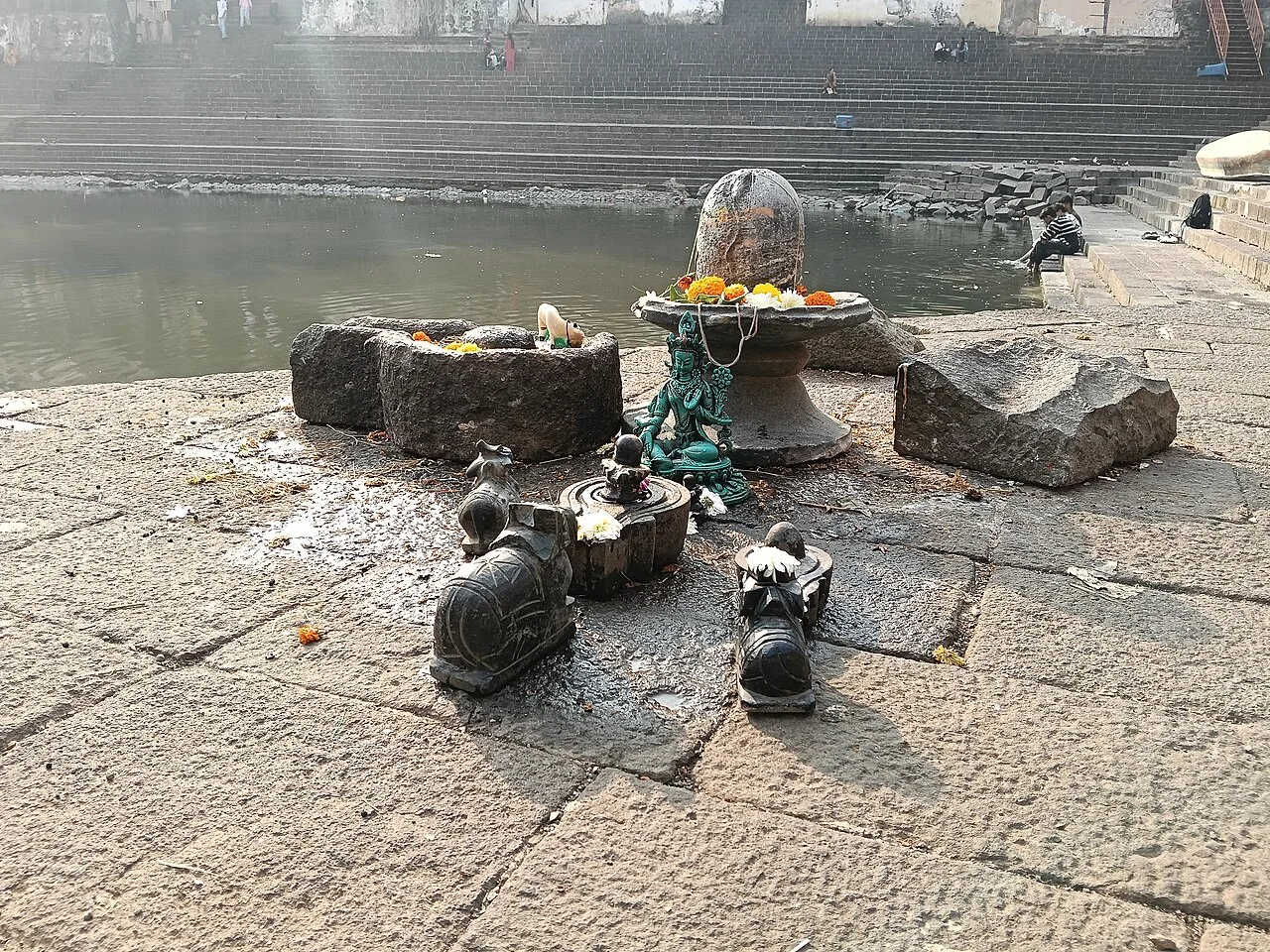
Banganga Tank
Banganga Tank is a tank within the Hindu Walkeshwar Temple complex in Mumbai’s Malabar Hill area. Visitors come to see it as part of the temple complex.
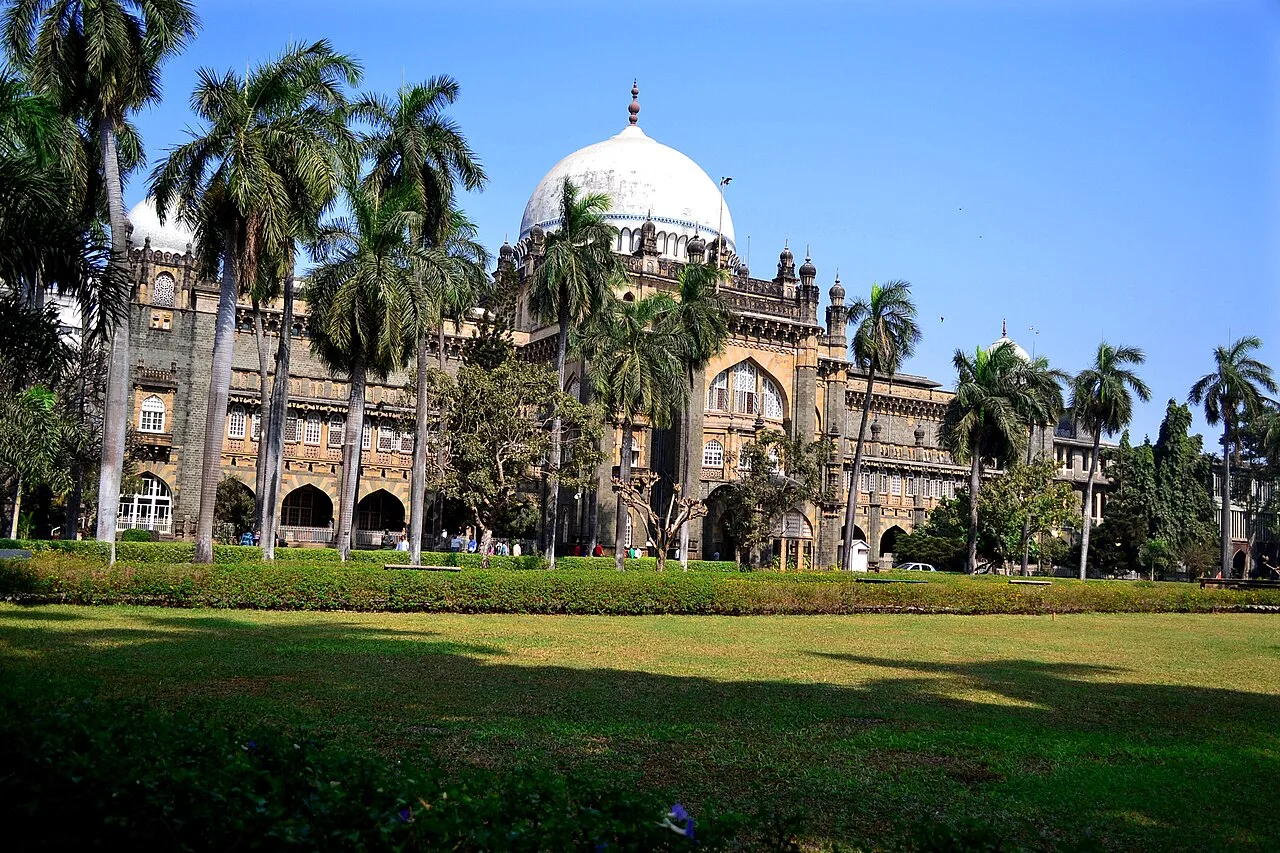
Chhatrapati Shivaji Maharaj Vastu Sangrahalaya
This Mumbai museum presents India’s history from prehistoric times to the modern era. Visitors explore collections spanning art, archaeology and natural history, including Indian artefacts and objects from abroad.
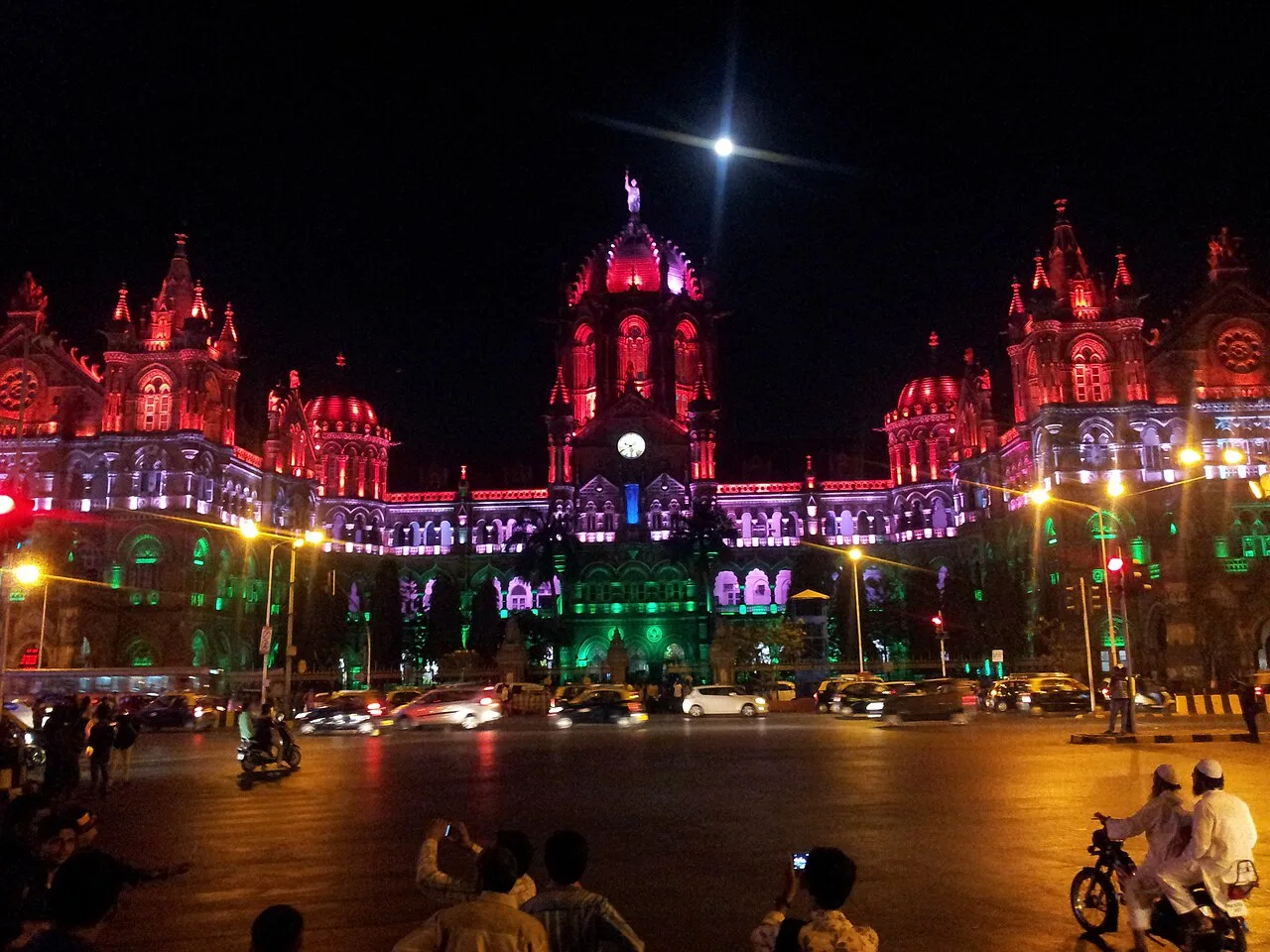
Chhatrapati Shivaji Terminus
Chhatrapati Shivaji Maharaj Terminus is a Mumbai railway hub and UNESCO World Heritage Site, visited for its Indo Gothic architecture and its place in the city’s railway history.
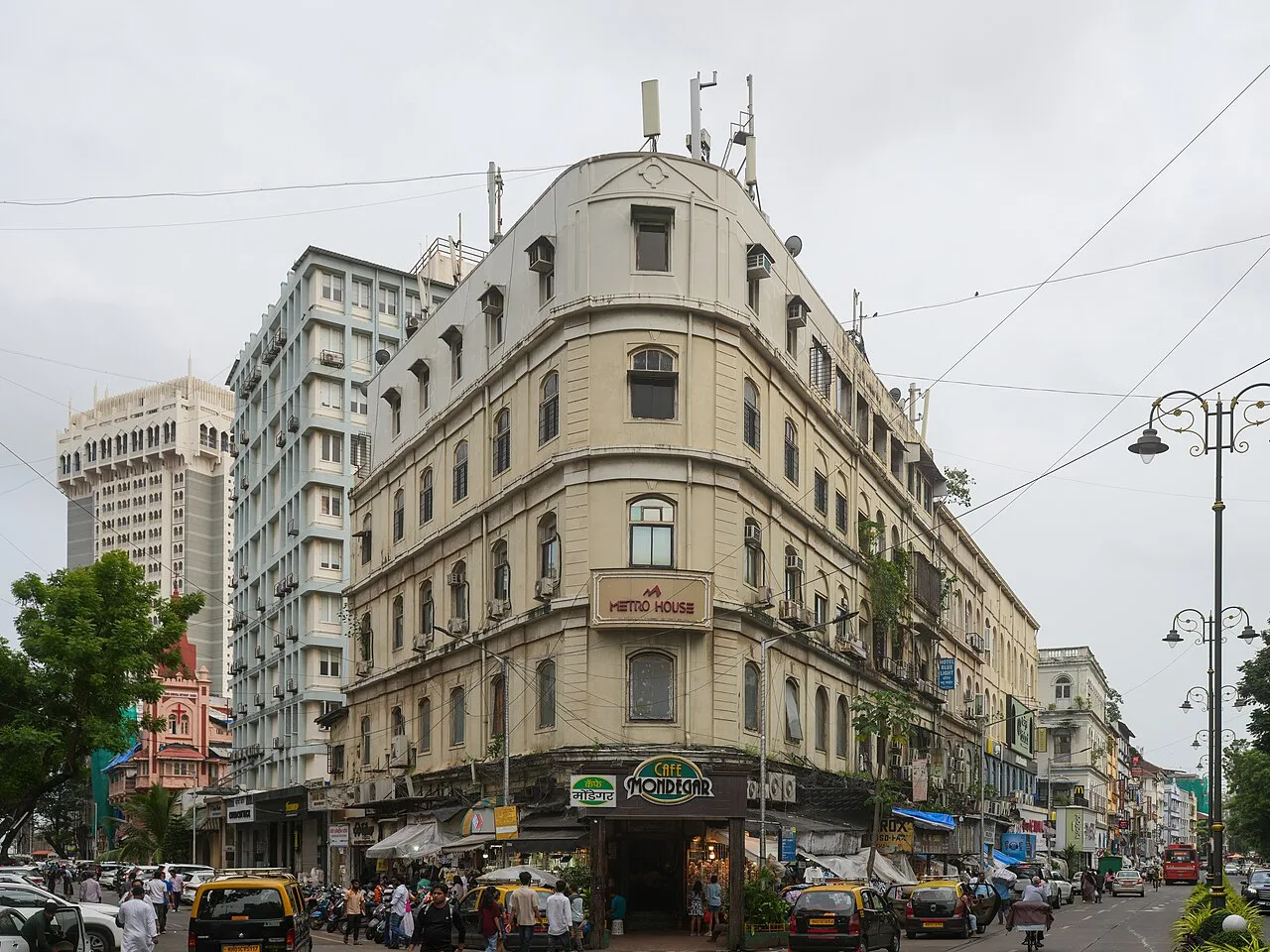
Colaba Causeway
Colaba Causeway, also called Shahid Bhagat Singh Road, is a commercial thoroughfare and land link in Mumbai. Visitors come for its commercial setting and proximity to notable landmarks.
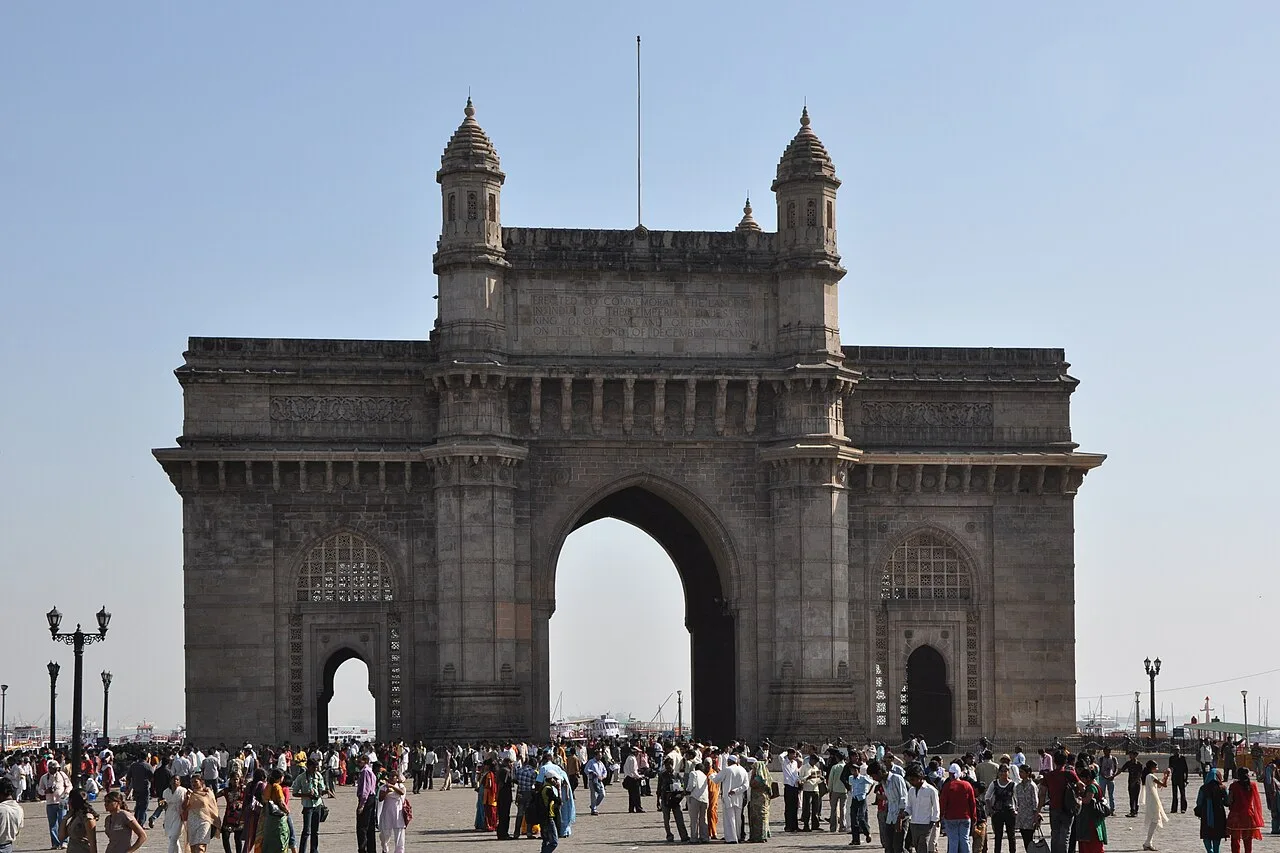
Gateway of India
The Gateway of India is a basalt arch in Mumbai, built to mark King George V’s 1911 arrival. Visitors come to see its architecture, waterfront setting and place in the city’s history.
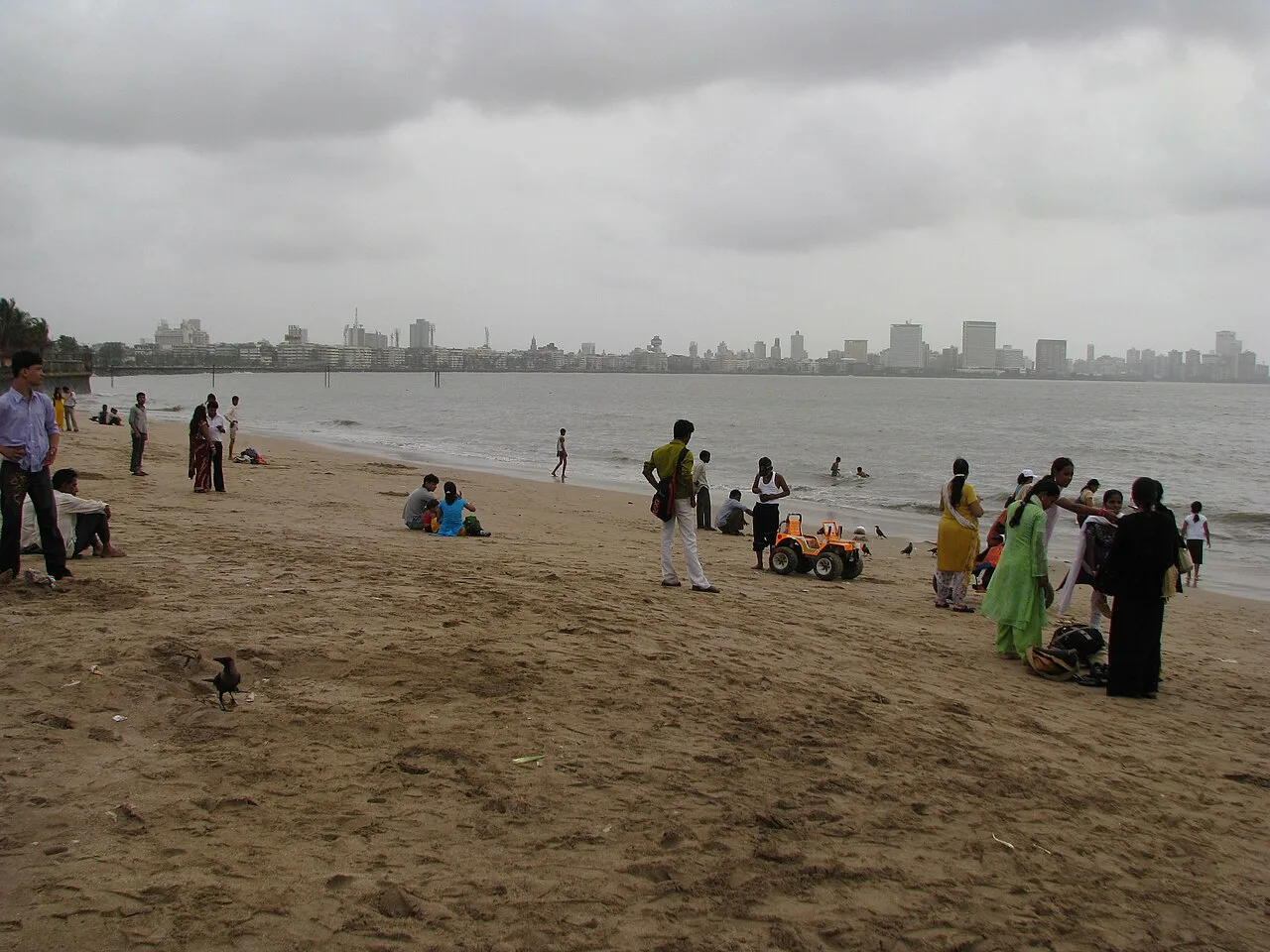
Girgaon Chowpatty
In Mumbai, Girgaon Chowpatty is a public stretch of coast where visitors can spend time by the sea. It stands at the Queen’s Necklace’s eastern end, beside Malabar Hill.
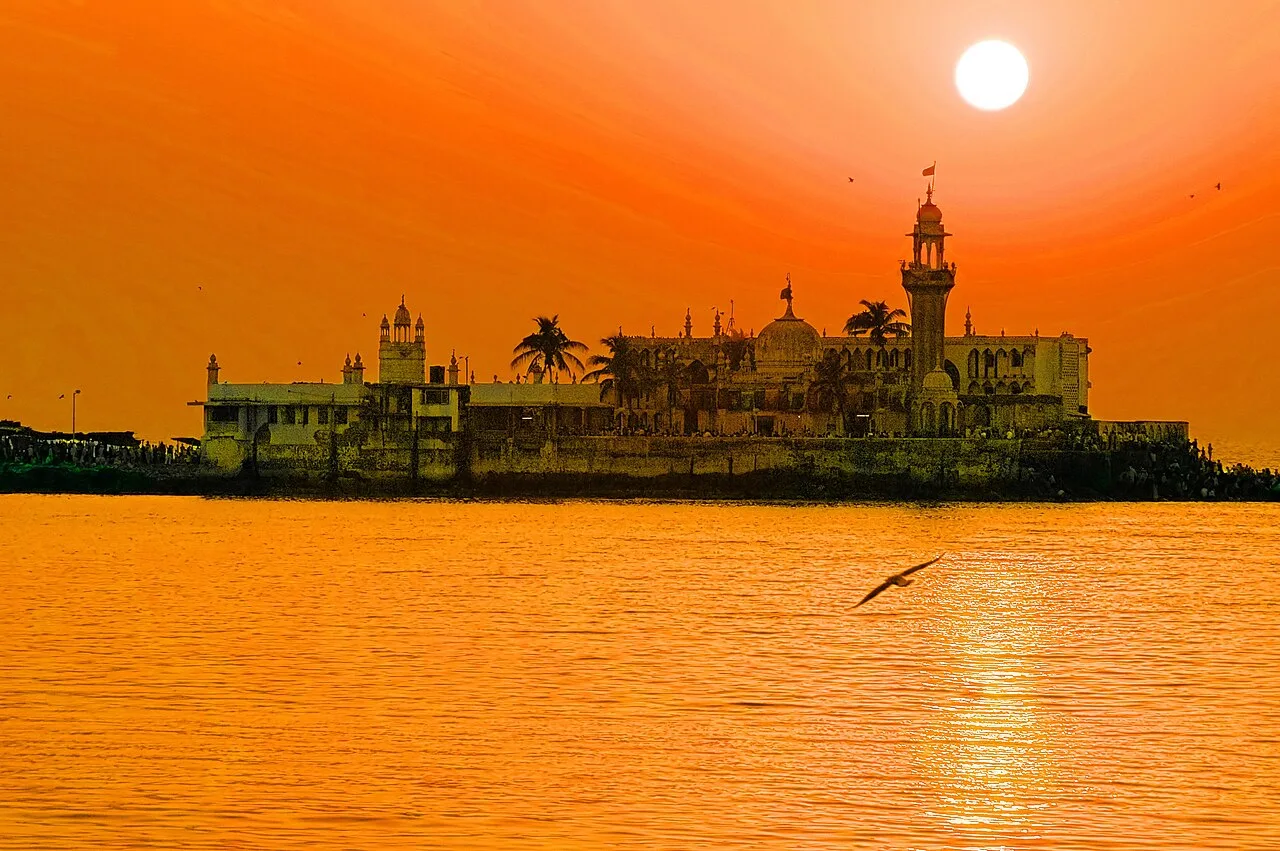
Haji Ali Dargah
Haji Ali Dargah is a Mumbai shrine containing Pir Haji Ali Shah Bukhari’s tomb. Visitors come to pay their respects and see its Indo-Islamic architecture.
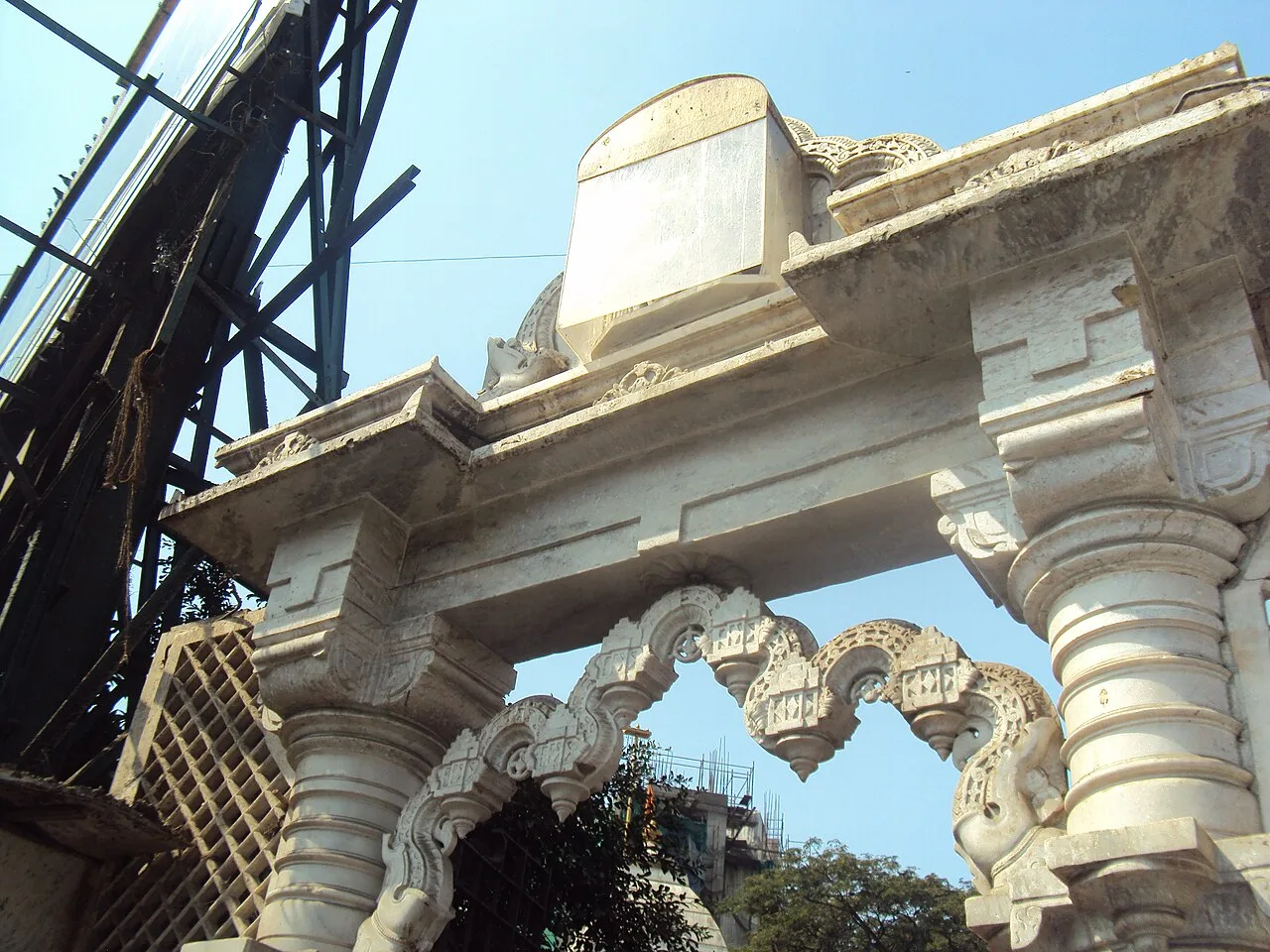
Mahalakshmi Temple, Mumbai
Located in Mumbai, Maharashtra, this Hindu shrine honours Mahalakshmi, a central figure in the Devi Mahatmyam. Visitors come to worship and see its images of three goddesses.
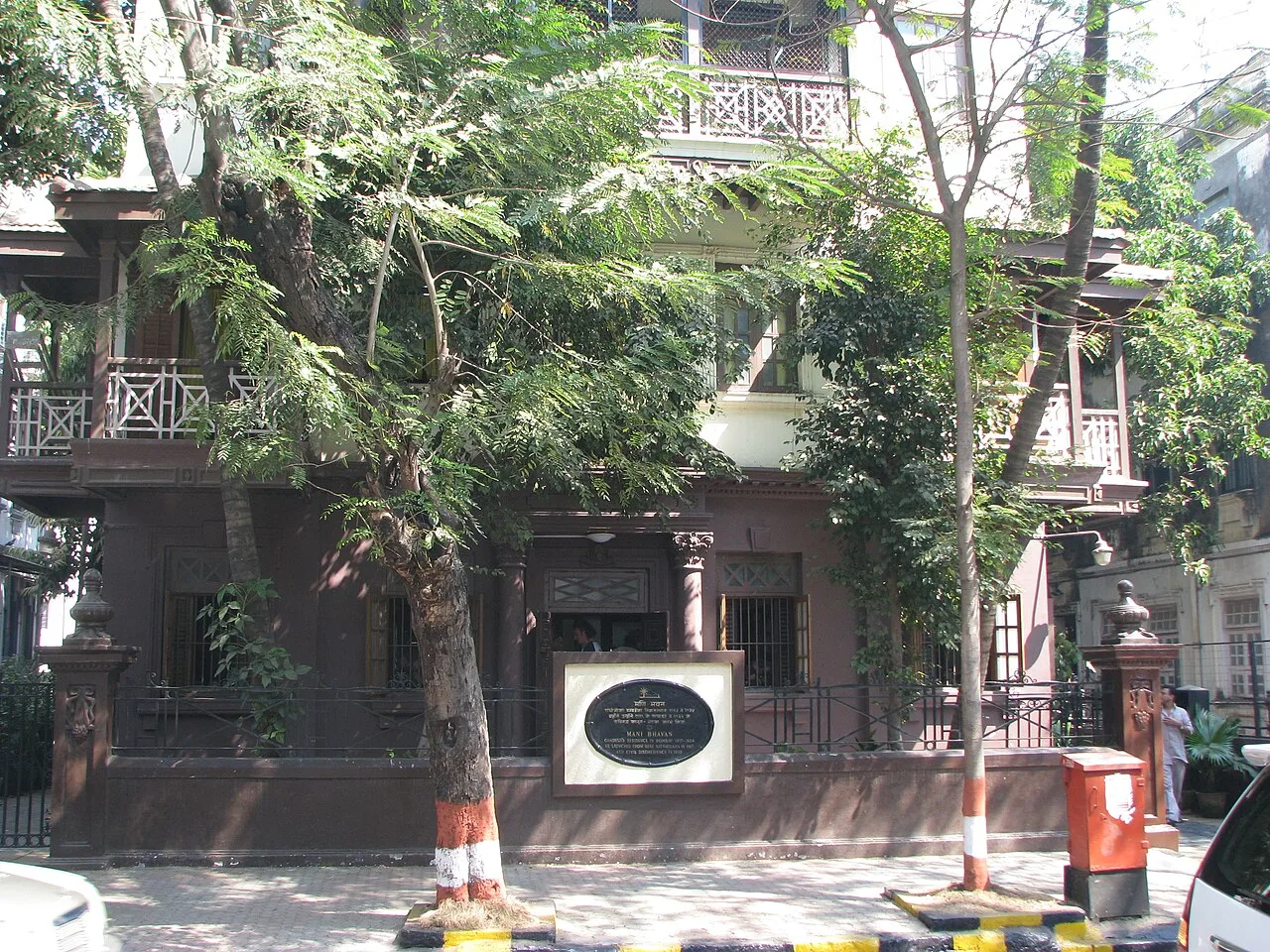
Mani Bhavan
Mani Bhavan is a Gandhi museum and historic site in Mumbai; people visit to explore its connection with his political work in the city.
Mumbai's everyday food culture is closely associated with vada pav and pav bhaji, alongside Maharashtrian staples such as poha and misal pav. Vegetarian meals are widely available, while coastal influences bring fish curries and seafood to many menus. Malvani fish curry and sol kadhi belong to the wider Konkan food tradition rather than being specific to this district. Puran poli is a festive sweet flatbread, and modak is especially associated with Ganesh Chaturthi. The city's food scene also reflects its many migrant communities. At small eateries, asking about the day's freshly prepared dishes is often useful.
Mumbai City is an important place to encounter and buy art from across Maharashtra, rather than the sole production centre for a single craft. Warli painting, associated with Adivasi communities of the wider northern Konkan region, uses distinctive geometric figures and scenes of community life. Paithani silk weaving belongs principally to weaving centres elsewhere in Maharashtra, notably Paithan and Yeola. Within the city, Ganesh festival idol-making is a visible seasonal artistic tradition. CSMVS offers context for Indian decorative arts; when shopping, ask about an object's maker, materials and place of origin.
Ganesh Chaturthi, usually in August or September, is a major public celebration in Mumbai, with processions and crowded streets, especially on immersion days. Navratri, around September or October, brings devotional events and community dancing; Diwali, usually in October or November, is marked across neighbourhoods. Eid and Christmas are also widely observed, reflecting the city’s diverse communities. The Kala Ghoda Arts Festival is generally held in winter in the Fort area. During major festivals and events, traffic can be disrupted and accommodation in central areas may be busier, so plan ahead and check local arrangements.
In this district
Elsewhere in Maharashtra
The district occupies the southern part of Mumbai’s former island group, with the Arabian Sea and harbour shaping its edges. Its urban terrain is mostly low-lying and heavily built up, while Malabar Hill rises above the southern waterfront. Reclaimed land, creeks and historic shorelines have influenced how roads and neighbourhoods developed. Marine Drive, Girgaon Chowpatty and the Gateway of India offer open waterfront views, contrasting with narrow market streets and dense commercial areas inland. Sea-facing routes can be exposed to wind and monsoon conditions, and short distances may take time to cover in traffic.
Mumbai has a tropical coastal climate with a hot, humid summer, a pronounced monsoon and a milder, comparatively drier winter. The monsoon generally runs from June into September, bringing heavy showers, waterlogged streets and occasional travel disruption. October and November can remain humid as conditions ease. November to February is usually the most comfortable period for walking and sightseeing, though busy festival and holiday periods can increase crowds. Lightweight, breathable clothing is useful year-round; carry sun protection and water in warmer months, and a compact umbrella or rain jacket and footwear with good grip during the monsoon. Even in winter, evenings by the sea can feel breezy.
Chhatrapati Shivaji Maharaj International Airport, in suburban Mumbai, is the main air gateway. Chhatrapati Shivaji Maharaj Terminus, Mumbai Central and Dadar are important railway arrival points; the most convenient choice depends on your train and destination within the district. Road approaches connect through the wider Mumbai metropolitan network, including routes from Pune and Nashik, but congestion can substantially affect journey times. Suburban trains and BEST buses serve many areas, while metered taxis and app-based cabs help with onward connections. Walking works well for short sightseeing stretches around Colaba and the museum precinct. Check current services locally.
BEST buses, suburban trains and taxis connect the district’s main neighbourhoods, but road congestion can make journeys slow. Chhatrapati Shivaji Terminus, Mumbai Central and Churchgate are useful rail hubs for different parts of the city. Metered taxis and app-based cabs are practical for point-to-point travel; auto-rickshaws generally do not operate in the island-city core. Walking suits compact sightseeing stretches around Colaba, Fort and the museum precinct, though pavements can be crowded or uneven. Boat services from the Gateway of India serve some harbour destinations outside the district. Check current services and conditions locally.
2 days: Day 1, Chhatrapati Shivaji Terminus → Chhatrapati Shivaji Maharaj Vastu Sangrahalaya → Gateway of India → Colaba Causeway; day 2, Mani Bhavan → Mahalakshmi Temple, Mumbai → Haji Ali Dargah → Marine Drive → Girgaon Chowpatty. Sleep both nights in Colaba or the Fort area. 3 days: Day 1, Chhatrapati Shivaji Terminus → Chhatrapati Shivaji Maharaj Vastu Sangrahalaya → Gateway of India → Colaba Causeway; day 2, Banganga Tank → Mahalakshmi Temple, Mumbai → Haji Ali Dargah; day 3, Siddhivinayak Temple → Mani Bhavan → Marine Drive → Girgaon Chowpatty. Sleep nights one and two in South Mumbai. 4 days: Day 1, Chhatrapati Shivaji Terminus → Chhatrapati Shivaji Maharaj Vastu Sangrahalaya → Gateway of India; day 2, Colaba Causeway → Banganga Tank; day 3, Mahalakshmi Temple, Mumbai → Haji Ali Dargah → Siddhivinayak Temple; day 4, Mani Bhavan → Marine Drive → Girgaon Chowpatty. Sleep nights one and two in Colaba or Fort, and nights three and four near Marine Drive.
Colaba and Fort are convenient bases for the Gateway of India, the museum precinct, Chhatrapati Shivaji Terminus and nearby markets. Marine Drive and Churchgate suit visitors prioritising the waterfront and central connections, while areas around Mumbai Central can work for onward rail journeys. Accommodation ranges from business and heritage-style hotels to smaller guesthouses; options and facilities vary by neighbourhood. Homestays are less common in the central sightseeing areas than hotels. Book ahead during major festivals, winter holidays and large city events, and check access to transit before choosing a base.
Expect dense crowds, busy junctions and uneven or obstructed pavements; keep valuables secure and use marked crossings. Monsoon rain can make steps and promenades slippery and may cause local flooding or road delays. At Haji Ali Dargah, access along the causeway depends on sea and tide conditions, so check locally before setting out. Use safe drinking water and take breaks in hot, humid weather. Mobile connectivity is generally available, though signals and navigation can be less reliable in crowded areas. Follow local directions at religious sites and during processions. No special permit is generally required for the listed city sights; confirm any event-specific access rules officially.
- Mumbai Suburbanabout 25 km
- Raigadabout 47 km
- Puneabout 108 km
- Palgharabout 112 km
- Dadra and Nagar Haveli · Dadra and Nagar Haveli and Daman and Diuabout 144 km
- Nashikabout 152 km
- Sataraabout 153 km
- Ahilyanagarabout 182 km
Straight-line distance between the centres of each district's destinations; road distance is longer.
Q: How many days should I spend in Mumbai City district? A: Two days cover several central landmarks, while three or four days allow a more relaxed visit to the full list of sights. Q: When is the best time to visit? A: November to February is generally more comfortable for sightseeing; monsoon months bring heavy rain and possible travel disruption. Q: Where is the best base for sightseeing? A: Colaba or Fort is convenient for the southern waterfront, museum precinct and historic centre; Marine Drive is another useful base. Q: How do I get to the district? A: Chhatrapati Shivaji Maharaj International Airport is in suburban Mumbai. Major rail arrival points include Chhatrapati Shivaji Terminus, Mumbai Central and Dadar; choose according to your onward destination. Q: Is the district suitable for families or elderly travellers? A: Yes, but crowds, heat, uneven pavements and long walking stretches can be tiring. Plan rest breaks and use taxis where helpful; check access conditions at individual sites.
This page draws on our 11 destination guides for Mumbai City and is updated as our team checks it.
Be the first to share photos, stories, advice or a helpful contact for Mumbai City.
Loading…