
District · Maharashtra
Chhatrapati Sambhajinagar
Chhatrapati Sambhajinagar district is in Maharashtra’s Marathwada region and brings together major archaeological, religious and urban heritage.
Chhatrapati Sambhajinagar district, formerly known as Aurangabad district, lies in Maharashtra’s Marathwada region, where basalt hills, plateau country and cultivated plains frame an exceptional concentration of historic sites. Ajanta’s Buddhist caves preserve paintings and sculpture from ancient monastic life, while Ellora brings Buddhist, Hindu and Jain rock-cut traditions together. Daulatabad, originally Devagiri, adds a formidable fortified hill to this landscape. In the district headquarters, Bibi Ka Maqbara reflects Mughal architectural influence, and the Aurangabad Caves reveal another chapter of Buddhist heritage. Ghrishneshwar Temple at Verul remains an important Shiva pilgrimage destination. The district rewards unhurried exploration, combining major monuments with living religious traditions, weaving centres and the everyday rhythms of a Deccan city.
Chhatrapati Sambhajinagar district is in Maharashtra’s Marathwada region and brings together major archaeological, religious and urban heritage. Ajanta’s Buddhist caves are known for paintings and sculpture, while Ellora’s rock-cut complex includes Buddhist, Hindu and Jain monuments. Daulatabad Fort, the former Devagiri, overlooks the plateau, and Ghrishneshwar Temple draws Shiva pilgrims to Verul. In the district headquarters, Bibi Ka Maqbara and the Aurangabad Caves add to the city’s historic character. Visitors can also experience Deccan food, local weaving traditions and the rhythms of a regional city. The district suits travellers who want to combine heritage visits with living religious and cultural sites.
The region’s history is visible in its Buddhist cave sites, whose periods of construction span ancient centuries. The Yadavas made Devagiri, now Daulatabad, an important stronghold before it was captured by the Delhi Sultanate in the fourteenth century. It later passed through the Deccan sultanates and came under Mughal rule. The city now called Chhatrapati Sambhajinagar developed under successive Deccan rulers; it was known as Khadki and later Aurangabad, a name associated with Mughal emperor Aurangzeb. The Nizams of Hyderabad governed the wider Marathwada region after Mughal power waned. Following Indian independence, Hyderabad State was integrated into India in 1948. Marathwada became part of Bombay State in 1956 and then Maharashtra when the state was formed in 1960. Aurangabad district was renamed Chhatrapati Sambhajinagar district in 2023. Its monuments and settlements reflect the region’s Buddhist, Hindu, Jain, Sultanate, Mughal and Nizam-era histories.
6 destination guides
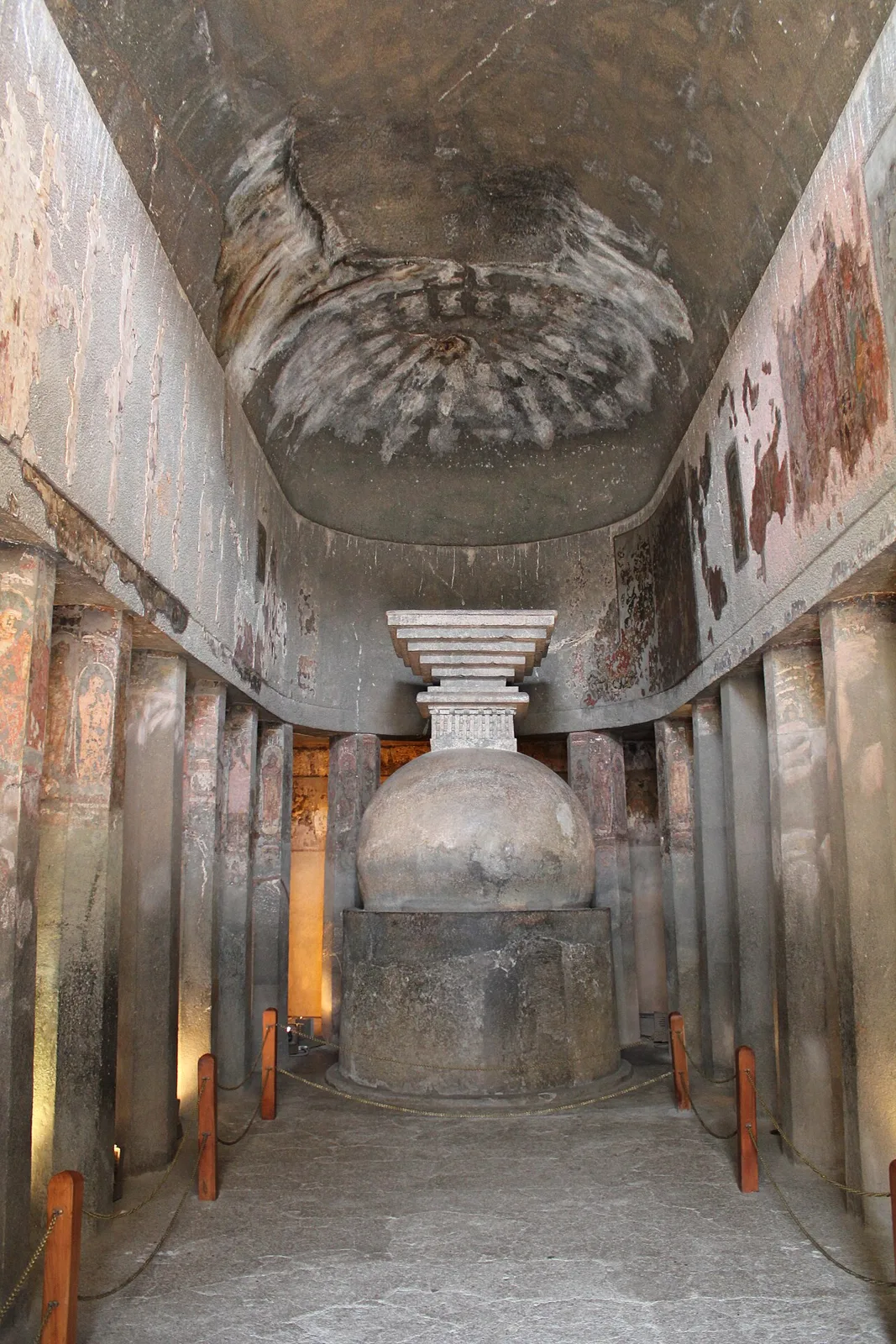
Ajanta Caves
Ajanta is a group of 30 Buddhist caves in Maharashtra, known for its ancient paintings, sculptures and religious architecture. Visitors come to explore the site’s artistic and monastic heritage.
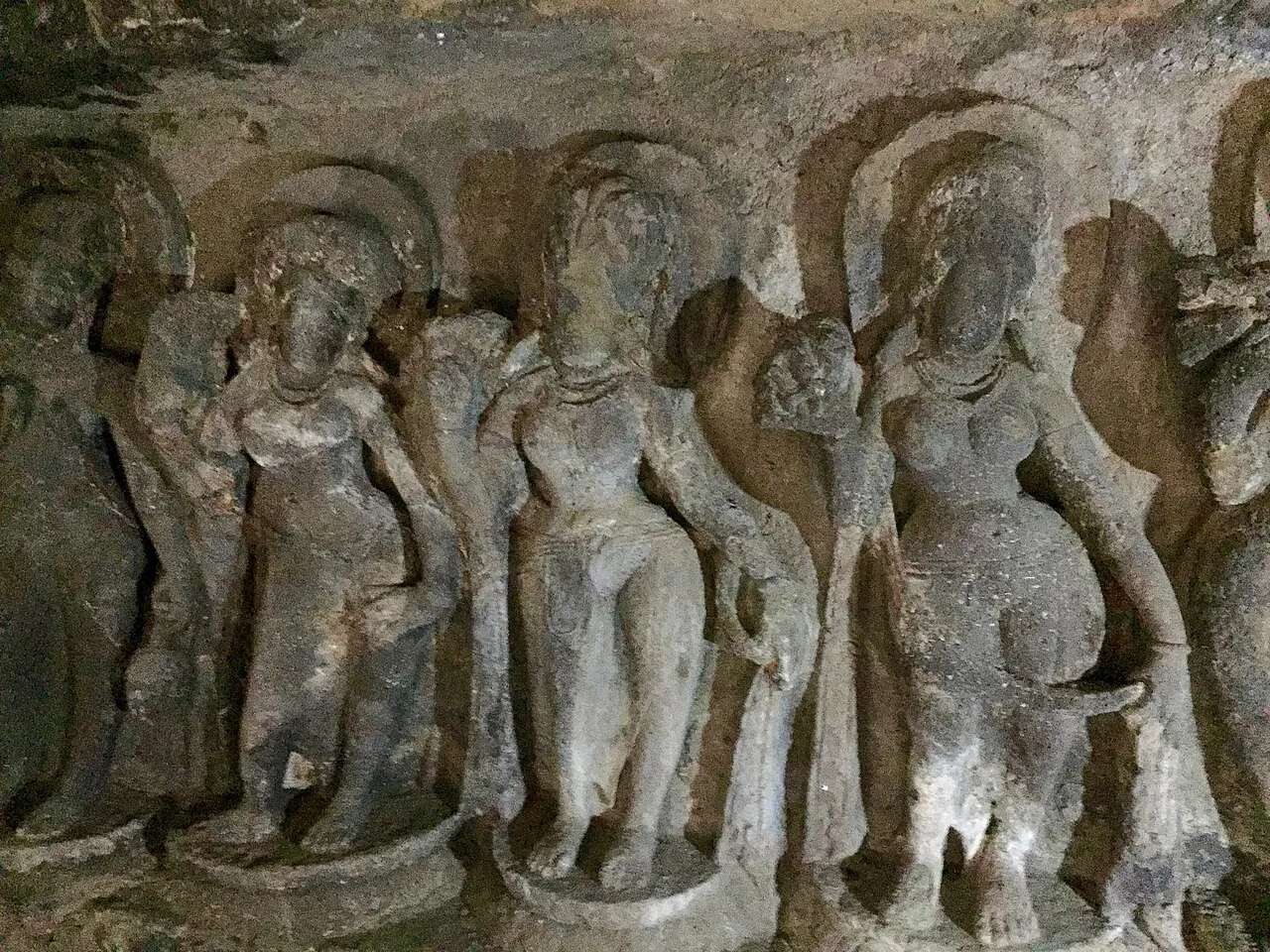
Aurangabad Caves
Near Aurangabad in Maharashtra, this hill complex contains twelve Buddhist sanctuaries excavated in basalt. Visitors explore its cave architecture and carvings, which represent several Buddhist traditions and include a range of deities.
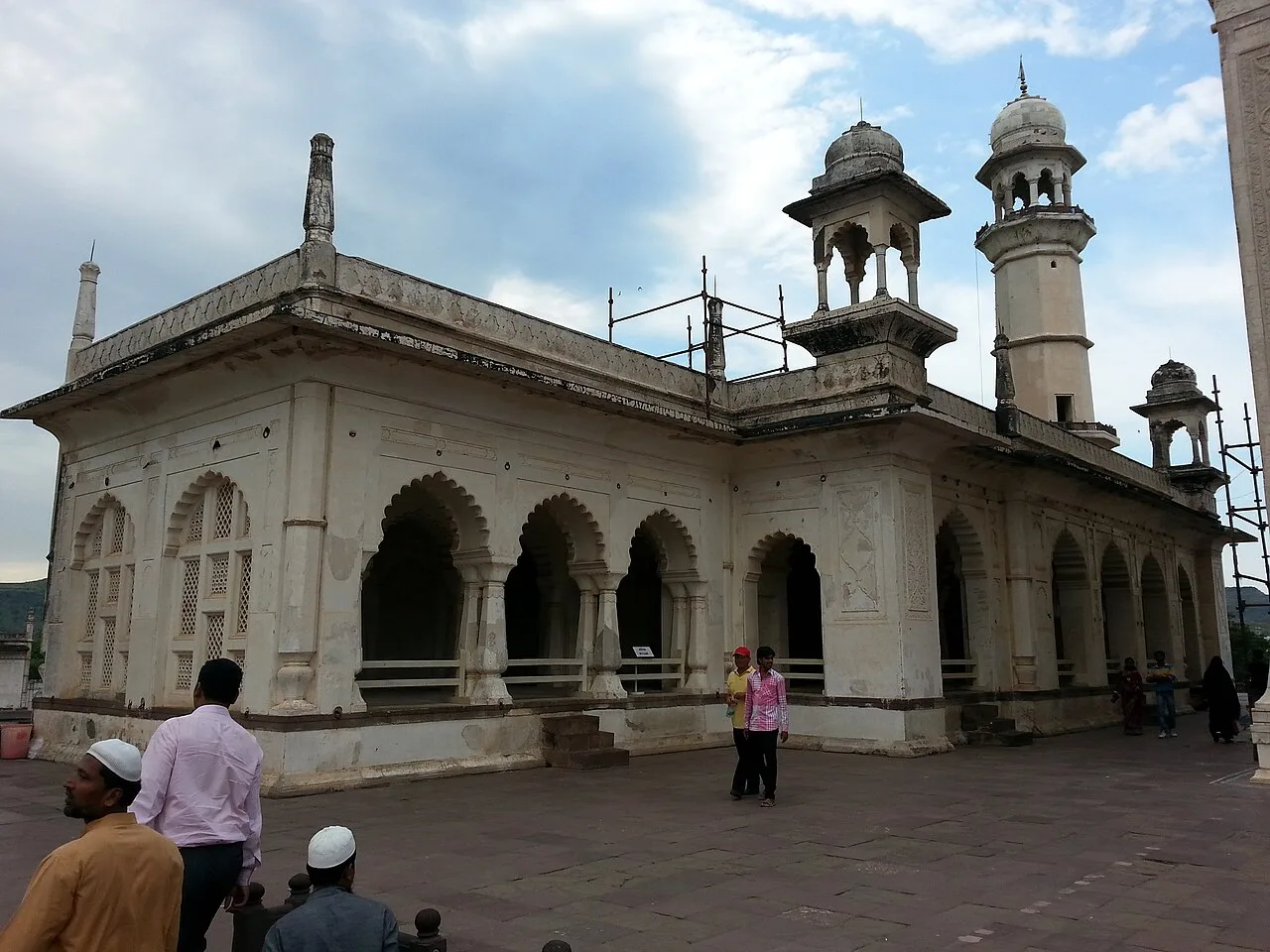
Bibi Ka Maqbara
Bibi Ka Maqbara is a Mughal mausoleum in Aurangabad, Maharashtra, built for Dilras Banu Begum. Visitors come to see its resemblance to the Taj Mahal and its place in the region’s history.
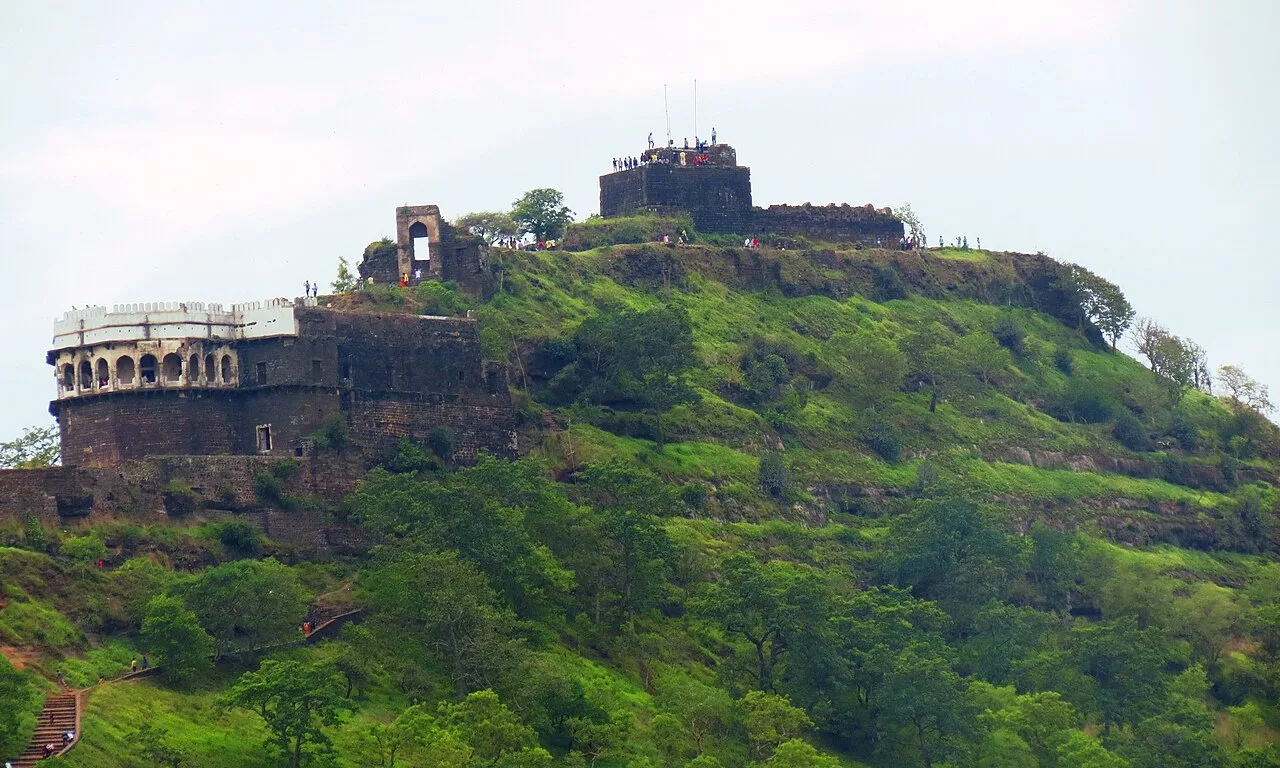
Daulatabad Fort
Daulatabad Fort is a historic stronghold in Maharashtra, first known as Devagiri. Visitors explore its history as a Yadava seat, briefly a Delhi Sultanate capital, and later an Ahmadnagar centre.
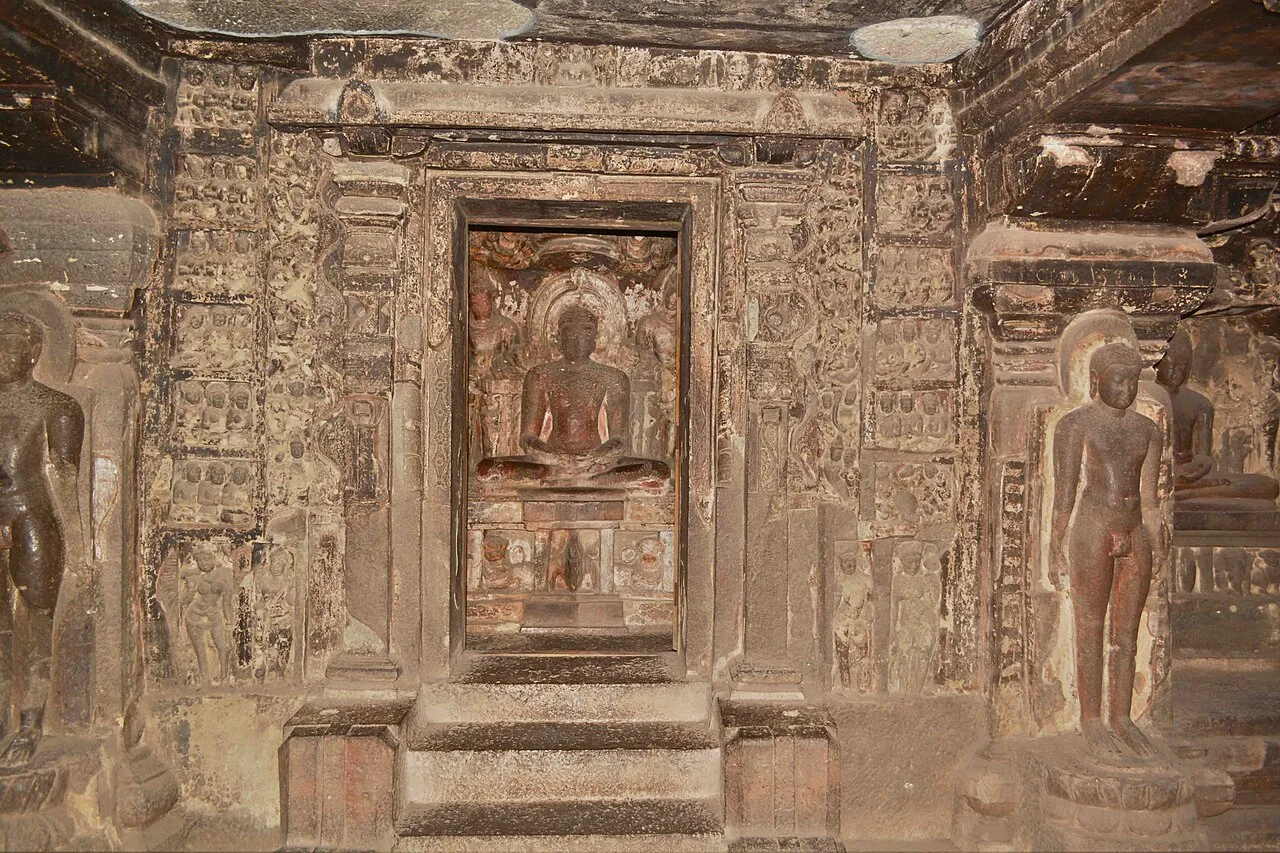
Ellora Caves
Ellora, in Maharashtra’s Chhatrapati Sambhajinagar district, is a UNESCO World Heritage Site. Visitors explore its Hindu, Buddhist and Jain monuments, including the remarkable Kailash temple carved from rock.
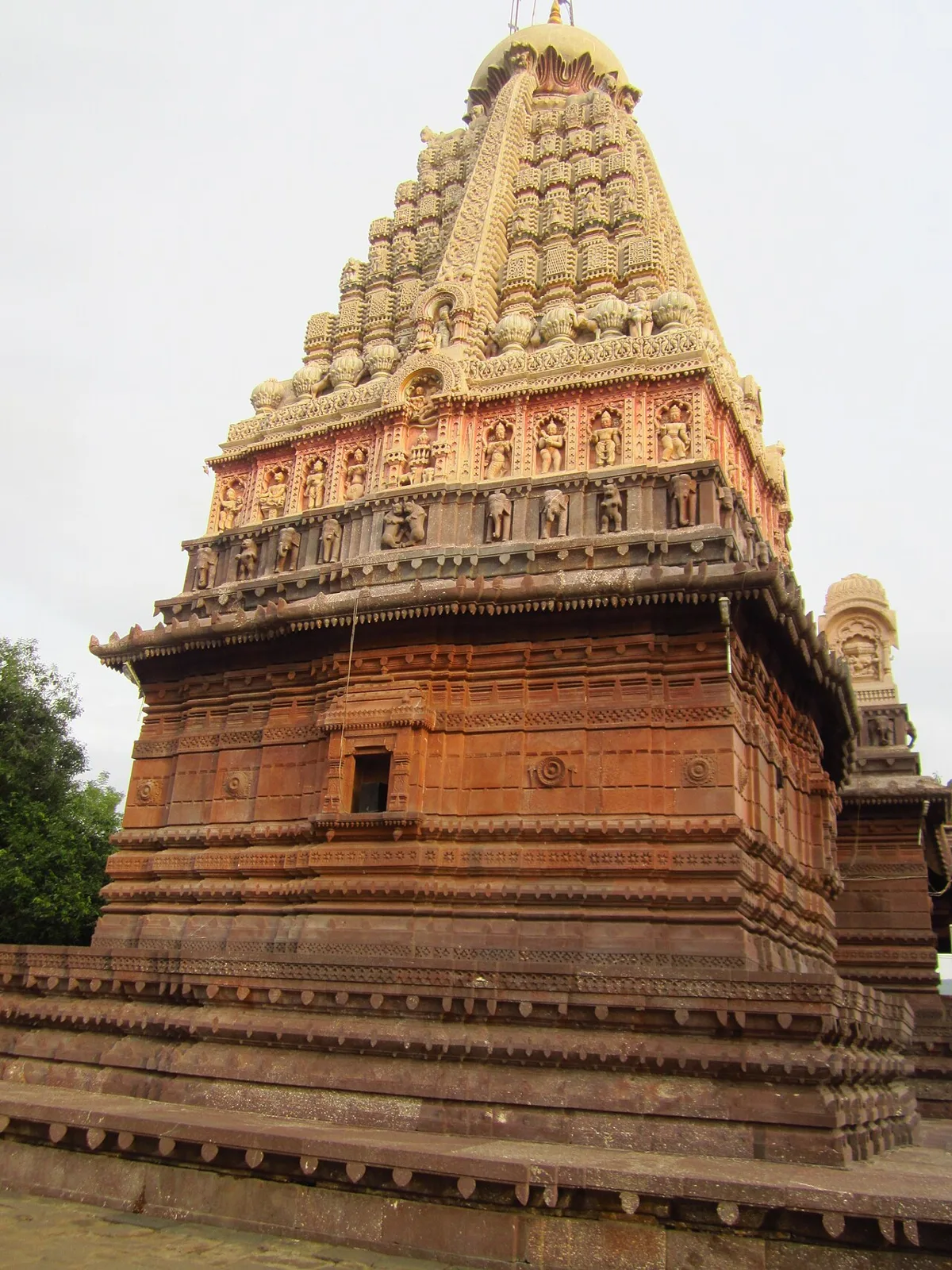
Ghrishneshwar Temple
Ghrishneshwar Temple is a Shiva shrine in Verul, Maharashtra, and one of the twelve Jyotirlingas. Visitors come to worship Shiva at this nationally protected temple.
The city’s best-known food associations include naan qalia, a combination of bread and richly spiced meat curry linked to its historic Muslim culinary traditions. Across the wider Marathwada region, jowar bhakri, pithla, pulses and seasonal vegetables form part of everyday cooking. Poha, misal pav and vada pav are familiar Maharashtrian breakfast or snack options rather than district-specific specialities. Puran poli is associated with festive meals across Maharashtra. Vegetarian travellers have plenty of choices, alongside meat dishes in the city. Small eateries may serve a limited daily menu, so ask what is freshly prepared and carry water and snacks for monument visits.
Himroo weaving is closely associated with the city historically known as Aurangabad. Its patterned fabrics, traditionally combining cotton and silk, reflect Persian-influenced decorative traditions and are used for shawls and other textiles. Paithan, within the district, is a historic centre associated with Paithani silk saris, known for rich borders, decorative pallus and motifs such as peacocks and lotuses. Paithani weaving also flourishes elsewhere in Maharashtra, notably Yeola. When shopping, ask where an item was woven, whether it is handloom or powerloom, and what fibres and metallic threads it contains; products sold under traditional names can vary considerably.
Ganeshotsav, Diwali, Gudi Padwa and Eid are observed in the city and district, with local celebrations varying by community. Mahashivratri is an important occasion for devotees visiting Ghrishneshwar Temple at Verul and can bring larger pilgrimage crowds. Urs observances at local shrines are part of the region’s religious calendar. Cultural programmes associated with the Ellora heritage area may be held seasonally, but schedules vary. Festival periods can make popular sites and transport busier, and accommodation in the city may be more in demand; check current local listings before planning around an event.
Elsewhere in Maharashtra
The district lies on the Deccan Plateau, with basalt uplands, rocky escarpments, hill formations and cultivated plains. Seasonal streams and rivers, including the Godavari and its tributaries in the wider district, shape the countryside. Scrub and patches of woodland occur around hillier and less cultivated areas, while settlements and farms occupy much of the plateau. The terrain gives forts and cave complexes prominent settings, but visiting them can involve steps, uneven rock and exposed paths. Sights are spread across the district, so road journeys and separate days for distant sites are useful.
Summer, broadly from March into the early monsoon season, can be hot and sunny, making exposed forts and cave approaches tiring during the day. The monsoon usually brings rain and greener countryside, though showers can affect road travel and walking surfaces. Winter, roughly from November to February, is generally more comfortable for sightseeing and is often the preferred season to visit. October and the later winter months can also suit outdoor visits, depending on conditions. Carry sun protection, a hat and water in hot weather; during the monsoon pack rain protection and footwear with good grip. A light layer can be useful on cooler winter evenings.
Aurangabad Airport, serving Chhatrapati Sambhajinagar, is the district’s main air gateway. The city’s railway station is the usual rail arrival point for its urban monuments, Daulatabad and Ellora; Jalgaon Junction is another useful approach for Ajanta. Road connections link the district with Mumbai, Pune, Nashik and other Marathwada centres through highways and state transport bus routes. Within the city, auto-rickshaws and taxis are practical options. For outlying monuments, use available buses or arrange a car with a driver, allowing separate time for Ajanta rather than treating it as a short city excursion. Check current services locally.
The city of Chhatrapati Sambhajinagar is the main base for local travel. Auto-rickshaws and taxis serve urban sights, while buses connect the city with towns and villages, including routes toward Daulatabad and Verul. Shared vehicles may be available on some regional routes, but services can vary. A hired car with a driver is practical for combining sites outside the city, especially Ellora and Ghrishneshwar; Ajanta is a separate, longer road outing and is best planned as its own day. Confirm current bus availability locally, and allow for slower travel on rural roads.
2 days: Bibi Ka Maqbara → Aurangabad Caves; sleep in Chhatrapati Sambhajinagar. Next day Daulatabad Fort → Ellora Caves → Ghrishneshwar Temple; sleep in Chhatrapati Sambhajinagar. 3 days: Bibi Ka Maqbara → Aurangabad Caves; sleep in Chhatrapati Sambhajinagar. Next day Daulatabad Fort → Ellora Caves → Ghrishneshwar Temple; sleep in Chhatrapati Sambhajinagar. Third day Ajanta Caves; return to sleep in Chhatrapati Sambhajinagar. 4 days: Bibi Ka Maqbara → Aurangabad Caves; sleep in Chhatrapati Sambhajinagar. Next day Daulatabad Fort → Ellora Caves → Ghrishneshwar Temple; sleep in Chhatrapati Sambhajinagar. Third day Ajanta Caves; sleep in Chhatrapati Sambhajinagar. Use the fourth day for a slower visit to any of these destinations before departing.
Chhatrapati Sambhajinagar city is the most convenient base for Bibi Ka Maqbara, the Aurangabad Caves and road trips to Daulatabad, Ellora and Ajanta. It offers a broad choice of hotels and some homestays. Staying near the Ellora or Verul area can reduce backtracking for visitors focusing on those sites, though accommodation choices may be more limited than in the city. Pilgrim-oriented lodging and dharamshalas may be available around religious centres; confirm access and facilities directly. Book ahead during major festivals and busy holiday periods.
Wear sturdy footwear at forts and caves, where steps, uneven rock and exposed sections may be tiring; take breaks and avoid climbing beyond marked visitor routes. Heat and strong sun can cause dehydration, so carry drinking water and sun protection, and use treated or sealed water if unsure about local supplies. Monsoon rain can make paths slippery and rural roads slower. Allow extra time for long drives, particularly to Ajanta, and check road conditions locally. Crowds increase at major monuments and during religious occasions; keep valuables secure. Mobile connectivity may be less dependable outside towns. The listed sites are not generally within an Inner Line Permit area; confirm any temporary access restrictions with official authorities before travel.
Straight-line distance between the centres of each district's destinations; road distance is longer.
Q: How many days should I spend in Chhatrapati Sambhajinagar district? A: Three days allows time for the city sights, Ellora and a separate visit to Ajanta. Four days gives a more relaxed pace. Q: When is the best time to visit? A: Winter, especially from November to February, is generally the most comfortable season for sightseeing. Q: Where is the best base for visiting the main sights? A: Chhatrapati Sambhajinagar city is the most practical base for the urban monuments and trips to Daulatabad, Ellora and Ajanta. Q: How do I get to the district? A: The city has an airport and railway station, and road and bus links connect it with other Maharashtra centres. Jalgaon can also be a useful rail approach for Ajanta; check current services. Q: Is the district suitable for families or elderly travellers? A: Yes, with planning. City sights are relatively convenient, but caves and forts can involve many steps, uneven paths and long drives; choose visits and pace according to mobility.
This page draws on our 6 destination guides for Chhatrapati Sambhajinagar and is updated as our team checks it.
Be the first to share photos, stories, advice or a helpful contact for Chhatrapati Sambhajinagar.
Loading…