
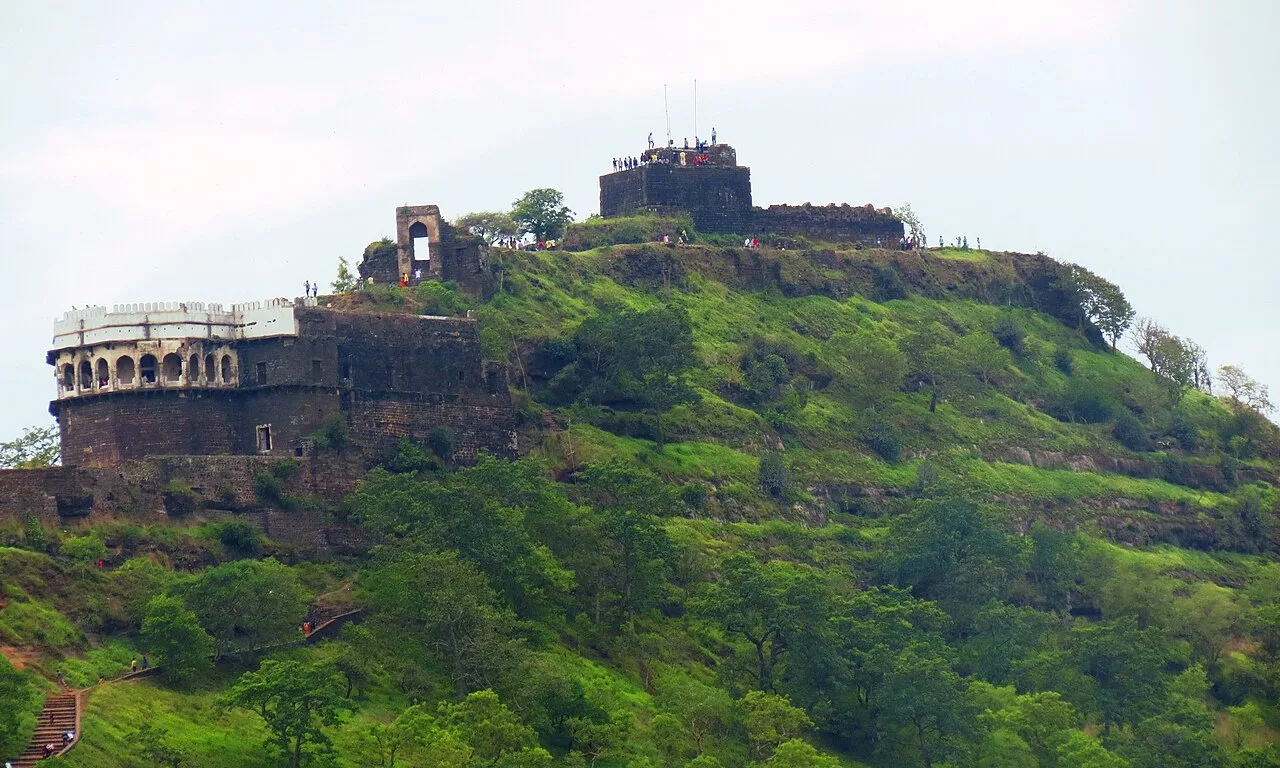
Daulatabad Fort
Daulatabad Fort is a historic stronghold in Maharashtra, first known as Devagiri. Visitors explore its history as a Yadava seat, briefly a Delhi Sultanate capital, and later an Ahmadnagar centre.
Key facts · verified by Ghumoopedia editors
- Type of place
- Heritage monument
- Best time to visit
- October to March; June to September for green monsoon landscapes on the Ghats (expect closures)
- Nearest railway station
- Chhatrapati Sambhajinagar (Aurangabad) · about 15 km (straight line)
- Nearest airport
- Aurangabad (Chhatrapati Sambhajinagar) Airport · about 20 km (straight line)
- Verified
- 21 Nov 2026
Plan a trip from Daulatabad Fort — a day-by-day route through places nearby.
Known in earlier times as Devagiri, Daulatabad Fort stands in Daulatabad village, in Maharashtra’s Chhatrapati Sambhajinagar district near Aurangabad. By about the sixth century CE, the upland settlement had grown into an important town beside caravan routes linking western and southern India. Around 1187, Bhillama V, the first ruler of the Yadava dynasty, began building its triangular fort. Devagiri was the Yadavas’ capital from the ninth to the fourteenth century. In 1308, Alauddin Khalji brought the city under Delhi Sultanate rule. Muhammad bin Tughluq renamed it Daulatabad in 1327 and moved the Sultanate’s capital there from Delhi, ordering Delhi’s population to relocate. In 1334, he reversed the decision and restored Delhi as the capital. Under Yadava rule, the city had served as a royal seat; for a short time, it became the centre of the Delhi Sultanate’s government. Daulatabad became part of the Ahmadnagar Sultanate in 1499, and remained under its rule until 1636. The sultanate used it as a secondary capital. In 1610, Malik Ambar established Khadki near the fort as a new capital for Ahmadnagar. An Ethiopian military leader who had been brought to India as a slave, Ambar rose to become the sultanate’s popular prime minister. Most of the fortifications seen today were built under Ahmadnagar rule. Maharashtra spans Mumbai's Gothic and Art Deco skyline, the rock-cut cave temples of Ajanta, Ellora, Karla and Elephanta, the hill forts of Chhatrapati Shivaji Maharaj, the Konkan's sea forts and beaches, and the great pilgrimages of Pandharpur, Shirdi and the Jyotirlingas. The coast is hot and humid most of the year with very heavy monsoon rain from June to September; the Western Ghats hill stations are cool and misty in the monsoon and pleasant in winter; the Deccan and Vidarbha are dry, with harsh summers above 40°C in Nagpur and Chandrapur. The usual best time to visit is October to March; June to September for green monsoon landscapes on the Ghats (expect closures). Timings, fees and access arrangements must be confirmed locally. For official information, see Maharashtra Tourism at https://www.maharashtratourism.gov.in.
Why it matters
Daulatabad Fort, first known as Devagiri, is an important fortified site in Maharashtra’s Deccan region. It served the Yadava kingdom, briefly became the Delhi Sultanate’s capital under Muhammad bin Tughluq, and later had a role in the Ahmadnagar Sultanate. Its location on a steep hill and the extensive defensive works show how terrain was used in Deccan fortification. The Archaeological Survey of India protects the monument; visitors should follow its current site rules. The fort is also locally significant as a landmark near Chhatrapati Sambhajinagar and as part of the region’s wider heritage landscape, which includes Ellora and Khuldabad.
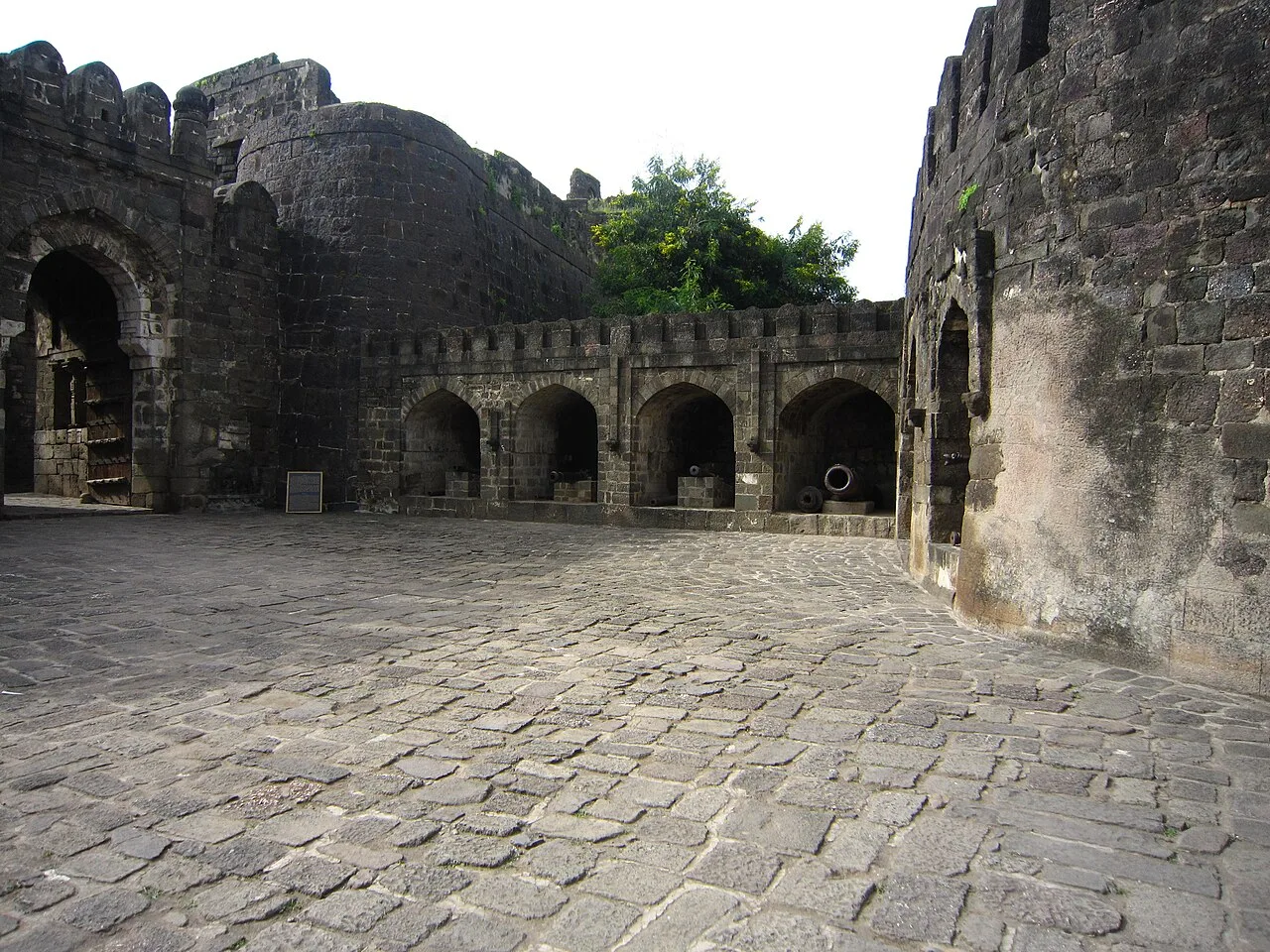
The settlement of Devagiri grew into an important uplands town around the sixth century CE, near routes linking western and southern India. The Yadavas made it their capital, and the fort is traditionally dated to around 1187, when Bhillama V established the stronghold. In 1308, Alauddin Khalji’s forces annexed the city for the Delhi Sultanate. Muhammad bin Tughluq renamed it Daulatabad in 1327 and ordered the imperial capital and much of Delhi’s population to move there. The transfer proved difficult; in 1334 he reversed the decision and restored Delhi as the capital. Daulatabad later became part of the Ahmadnagar Sultanate in 1499 and served as one of its important centres. In 1610, Malik Ambar established Khadki, the city that developed into Aurangabad, nearby. Many of the fortifications visible today are attributed to the Ahmadnagar period. Control of the fort shifted as Deccan powers changed over the following centuries. The Archaeological Survey of India now protects and maintains the monument; visitors can consult site interpretation for details of ongoing conservation.
Origin stories & folklore
According to local tradition, Devagiri means “hill of the gods,” a name that reflects the striking isolated hill at the centre of the fort. The fort’s reputation for being exceptionally difficult to capture has also encouraged stories of hidden routes and ingenious traps. Guides and popular accounts may describe the dark, confusing passage known as the Bhulbhulaiya as a way to disorient intruders; such accounts should be understood as a mix of historical explanation and fort lore, not as proof of supernatural events. Stories can differ between tellers, and visitors may hear different versions on site. Interpret the legends alongside the visible defensive design and the documented history of the fort.
Architecture & design
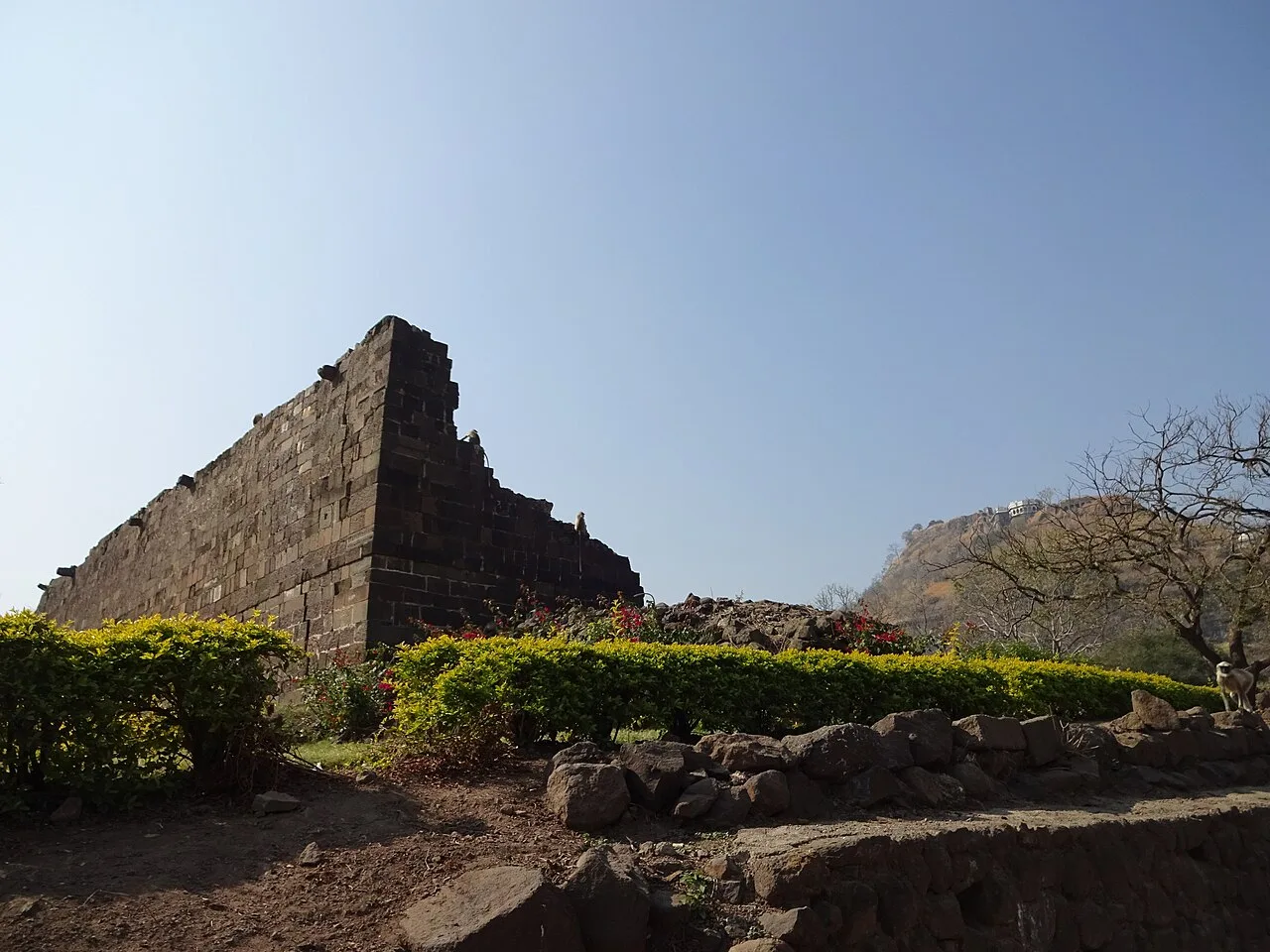
The fort occupies a steep, roughly conical hill of Deccan basalt, with successive defensive enclosures spread across the lower slopes and summit. Massive stone walls, bastions, gateways and a deep rock-cut defensive trench make use of the natural height and difficult approaches. The ascent passes through controlled entry points and narrow, uneven routes; the dark passage traditionally called the Bhulbhulaiya is among the most distinctive features. The layout was designed to slow and expose anyone advancing uphill, while the hill itself offered a commanding view over the surrounding plain. Structures and remains from different periods sit within the fort complex, including the prominent Chand Minar and the ruined palace building known as Chini Mahal. The fort’s materials and forms reflect successive Deccan powers rather than one uniform building campaign. Its scale and layered defences are best appreciated on foot, though the climb is strenuous.
Important objects & sculptures
Look for the fort’s gateways, carved or dressed stone details, masonry joints and surviving defensive features as much as for individual display objects. The Chand Minar is a prominent landmark, with decorative surface details and traces of coloured tilework that reflect its historic character. The ruined Chini Mahal offers evidence of a once more elaborate palace interior, though its remains are fragmentary. Cannons and other military remnants may be visible in parts of the complex; their placement and condition can change with conservation work. Inscriptions or carved details should be viewed without touching or rubbing them. There is no need to expect a large indoor museum collection: the fort itself, its structures and the interpretation provided on site are the main historical record for most visitors.
Explore Daulatabad Fort slowly and read the interpretation boards, use the official audio guide where available or hire an authorised guide to understand its history. Hill forts involve steep climbs on uneven stone steps; start early, carry water and descend well before dark. Early morning gives softer light, cooler air and smaller crowds. A comfortable itinerary is one main visit in the morning, a local meal at midday and a short nearby stop before an afternoon return. Use the district list on this site to find other places in Chhatrapati Sambhajinagar, but check the route and its condition before combining stops. If a festival is on — such as Ganeshotsav, Gudi Padwa or the Ashadhi Wari to Pandharpur — roads and stays can be busy, and the experience can be unforgettable. Leave no litter: many sites are protected by the communities around them.
Suggested itineraries
Half day: Allow about 3–4 hours to explore the lower fort, gates and main uphill route, pause at viewpoints, and descend at a careful pace. Full day: Spend about 3–4 hours at Daulatabad Fort in the morning, take a meal break, then allow 2–3 hours for Ellora Caves or another nearby stop, subject to travel and site conditions. Gentler option: Visit the lower fort area and accessible viewpoints with frequent rests, then spend the remaining time at a nearby town or attraction with less climbing; do not attempt the upper route if the steps feel unsafe.
Daulatabad Fort is part of a living region shaped by Marathi-speaking communities and by the Deccan’s varied linguistic and cultural history. Marathi is widely used locally; Hindi, Urdu and other languages may also be heard in the district and among visitors. The fort is primarily a heritage site rather than a regular venue for performances or ritual gatherings. Local guides and residents help connect its buildings with the Yadava, Sultanate and later Deccan periods, though interpretations may vary. Around the district, everyday customs, food and religious life reflect both rural Maharashtra and the nearby city of Chhatrapati Sambhajinagar. Visitors should be considerate of worshippers at nearby religious sites and avoid treating historic structures as props or climbing on fragile remains.
Festivals & events
Ganeshotsav, usually celebrated in the monsoon season, and Gudi Padwa, around the Marathi New Year in spring, bring activity to towns and neighbourhoods across the district. The Ashadhi Wari pilgrimage to Pandharpur is important in Maharashtra, though it is not a fort event. Cultural programmes associated with the wider Chhatrapati Sambhajinagar region may also take place during the cooler months; schedules vary by year. These festivals can increase traffic and demand for accommodation, especially in the city. Daulatabad Fort does not have a regular major annual fair that visitors should assume will be taking place. Check local notices before planning around a festival.
Local food in Maharashtra includes vada pav, misal pav, pav bhaji, poha, puran poli, modak at Ganesh Chaturthi, Kolhapuri mutton with tambda and pandhra rassa, Malvani fish curry and sol kadhi on the Konkan coast, and Nagpur oranges and saoji food in Vidarbha. Ask what is fresh that day; many small eateries cook a limited daily menu. Vegetarian travellers eat well across the state, and most towns also have fish and meat dishes. Remote sites may have no restaurant at all. Carry water and snacks, eat a proper breakfast before long drives, and ask your accommodation for a packed lunch if you are heading out early. Try a home-cooked or local thali meal when you can — it is often the best food on the route. Choose busy, clean places, drink sealed or filtered water, and carry your packaging back with you.
Shopping & local experiences
In Chhatrapati Sambhajinagar, look for local market goods, textiles and regional snacks rather than expecting a large craft bazaar at the fort. Paithani weaving is associated with Maharashtra, though it is not specific to Daulatabad; buy from a reputable seller and ask about the product’s origin. Small souvenirs may be available near popular attractions, but shop availability changes. Regional food is best explored in the city or nearby settlements, where visitors can ask about local Maharashtrian and Deccan dishes. Choose responsibly made items and avoid buying antiquities, carved fragments or anything presented as a piece removed from the monument.
October to March; June to September for green monsoon landscapes on the Ghats (expect closures)
The nearest principal railway station by straight-line distance is Chhatrapati Sambhajinagar (Aurangabad), roughly 15 km away. The nearest operating airport by straight-line distance is Aurangabad (Chhatrapati Sambhajinagar) Airport, roughly 20 km away. These figures are calculated from map coordinates — actual road distance is longer. Mumbai and Pune are the main rail and air gateways in the west, Chhatrapati Sambhajinagar (Aurangabad) for Ajanta and Ellora, Nagpur for Vidarbha and the tiger reserves, and the Konkan Railway serves the coast down to Sindhudurg. For the final leg, Maharashtra State Road Transport Corporation (MSRTC) buses, including Shivneri and Shivshahi coaches, private sleeper buses and shared jeeps and autos link district towns. A private taxi gives more flexibility for remote sites. When comparing train, bus and flight, count the complete door-to-door time: a flight saves the most time only if the onward road transfer is short, while an overnight train can save a hotel night. Book your return before you leave, because seats fill quickly on weekends, festivals and holidays. Current train numbers, timings, return services and fares are not listed here; check IRCTC and NTES for trains and the airline's own schedule for flights. No permit is needed to visit Maharashtra. Tiger safaris in Tadoba, Pench and Melghat must be booked in advance through the official online portals. Many hill forts are popular monsoon treks: since several accidents, some districts restrict access to waterfalls, forts and ghats during heavy rain — check current district orders before setting out. Ganeshotsav (August–September) brings very large crowds to Mumbai and Pune.
Confirm onward and return timings on IRCTC / NTES, the state bus operator or your airline before travel. A dash means current timings or fares have not been verified.
Getting around
From Chhatrapati Sambhajinagar, visitors can reach Daulatabad by road using a taxi, hired car, auto-rickshaw or local bus where services are available. A taxi or car offers flexibility for combining the fort with nearby sights; agree on the return plan before setting out. Auto-rickshaws may be useful for local connections, but availability can vary. Check locally for parking and the location of the visitor entrance, then expect to continue on foot inside the complex. The climb is not suitable for vehicle access. Ask the driver or local authorities about road conditions and current bus options rather than relying on an assumed timetable.
Hours, tickets & permissions
Entry is managed under monument rules and is generally subject to a ticket or other current entry arrangements. Rules for photography, restricted areas and visitor conduct may also apply, and access can be affected by conservation work or safety conditions. There is no special costume requirement, but sturdy footwear and clothing suitable for a steep outdoor visit are practical. Carry identification if required for a particular booking or visitor category. Confirm current opening arrangements, entry rules and fees with the Archaeological Survey of India or the official local tourism authority before travelling; do not rely on old listings.
Facilities
Facilities can vary with maintenance and visitor conditions. Toilets and parking are usually available near the visitor area, but check locally for their location and current condition. Carry drinking water, particularly in warm weather; do not assume that refreshment stalls or refill points will be open. Food options are more dependable in nearby settlements and Chhatrapati Sambhajinagar than along the climb. Authorised guides may be available, and interpretation boards can help explain the site. ATMs are more likely in larger towns than at the fort itself. Plan for a self-sufficient visit and take rubbish back with you.
Accessibility
This is a hill fort with a substantial uphill walk, uneven stone surfaces and many steps. Routes can be narrow, steep and exposed, with limited shade; the climb may be tiring even for fit visitors. Wheelchair access to the upper fort is not practical, and strollers are unsuitable for the steps and rough paths. Older visitors or anyone with balance, heart or mobility concerns should consider limiting the visit to the lower areas and viewpoints, ideally with a companion. Wear secure shoes, carry water and avoid rushing. Conditions may change with repairs or weather, so check locally before attempting the full ascent.
No permit is needed to visit Maharashtra. Tiger safaris in Tadoba, Pench and Melghat must be booked in advance through the official online portals. Many hill forts are popular monsoon treks: since several accidents, some districts restrict access to waterfalls, forts and ghats during heavy rain — check current district orders before setting out. Ganeshotsav (August–September) brings very large crowds to Mumbai and Pune. Carry a photo ID at all times and save the emergency number 112 and your accommodation's contact offline. Heat in summer and heavy rain in the monsoon are the main weather risks; carry water, avoid midday sun and allow extra time when roads flood. On forts, keep away from unfenced edges, especially in mist or rain, and do not climb after dark.
Photography
Early morning generally offers softer light, cooler conditions and fewer visitors; later light can bring warm tones to the stone, depending on weather. The hill and surrounding plain provide broad viewpoints, while the gateways and fort walls offer close architectural details. Photography is subject to current monument rules, including any restrictions or separate permissions that may apply. Do not assume drone use is allowed: obtain the required permissions and follow aviation and site regulations. Ask before photographing people, and give worshippers and local visitors privacy. Avoid climbing on walls or blocking narrow routes for a picture.
Choose a stay by the full journey to Daulatabad Fort, not just the district name. Mumbai, Pune, Nashik and Chhatrapati Sambhajinagar offer the widest choice; hill stations and Konkan beaches have resorts and family homestays, and MTDC resorts are reliable value. In summer, check air-conditioning; in the monsoon, check that the property is accessible if roads flood. Book in advance for weekends, festivals and the peak season (October to March; June to September for green monsoon landscapes on the Ghats (expect closures)). Confirm the exact location, meals included, check-in time and cancellation terms in writing. Avoid sending money to unverified contacts or touts at stations. Carry some cash, as card and digital payments can be unreliable in remote areas.
Ellora Caves, a major rock-cut cave complex, is a natural pairing for a heritage-focused day, though each site needs time. Grishneshwar Temple is near Ellora and is an important pilgrimage site. In Chhatrapati Sambhajinagar, visitors can consider Bibi ka Maqbara and Panchakki, as well as the city’s historic areas. Khuldabad, known for its historic religious sites and the tomb of Aurangzeb, is another possible stop. Travel time and road conditions vary, so check the route before combining several places. Avoid trying to cover the fort and multiple large sites in a rushed schedule.
For couples, Daulatabad Fort rewards a slow pace: arrive early for soft light and fewer crowds, share a local meal and keep the evening free. Sunset on Marine Drive, a misty monsoon morning in Mahabaleshwar or a quiet Konkan beach makes the trip memorable. Public displays of affection can be frowned upon in conservative communities and at religious sites, so be discreet. Keep a buffer in your itinerary, because weather and road conditions can delay plans.
Q: How much time should I allow for Daulatabad Fort? A: Allow several hours for the fort, including the climb, pauses and descent. Add time if visiting with children or at a relaxed pace. Q: What is the best season to visit? A: October to March is generally more comfortable for walking. Monsoon scenery can be appealing, but wet stone may be slippery and conditions can change. Q: Is entry ticketed? A: Entry is generally regulated and may require a ticket. Confirm current rules and fees with the Archaeological Survey of India or the official local tourism authority. Q: Can children and elderly visitors explore the fort? A: Children who can manage uneven steps may enjoy the visit with close supervision. The climb is strenuous, so older visitors or those with limited mobility may prefer the lower areas. Q: Where should I stay nearby? A: Chhatrapati Sambhajinagar has the widest choice of accommodation and services. Check availability in advance during festivals and busy travel periods.
Be the first to share photos, stories, advice or a helpful contact for Daulatabad Fort.
Loading…