
District · Maharashtra
Ratnagiri
Ratnagiri offers a compact introduction to the Konkan, Maharashtra’s narrow coastal region between the Arabian Sea and the Sahyadri hills.
Ratnagiri district stretches along Maharashtra’s Konkan coast, between the Arabian Sea and the western slopes of the Sahyadris. Its landscape combines beaches, rocky headlands, river estuaries, laterite plateaus and green, rain-fed countryside. Fishing, farming and horticulture shape daily life; the district is especially associated with Alphonso mangoes, locally called hapus, as well as cashew and kokum. Coastal forts and temples reflect a long history of maritime activity and regional rule, including the Maratha period. Ratnagiri town is the district headquarters, while places such as Ganpatipule and Guhagar draw visitors to the shore. The district’s character is distinctly Konkan: village-based, seasonal and closely tied to the sea, monsoon and fertile coastal orchards.
Ratnagiri offers a compact introduction to the Konkan, Maharashtra’s narrow coastal region between the Arabian Sea and the Sahyadri hills. Its appeal lies in the combination of beaches, estuaries, laterite headlands, village landscapes and historic coastal sites. The district is particularly known for Alphonso mangoes, called hapus, along with cashew and kokum cultivation. Visitors can pair time by the shore with a visit to Ratnagiri Fort or coastal towns such as Ganpatipule and Guhagar. Fishing, orchards and the monsoon remain central to local life, giving travel here a seasonal, rural character distinct from Maharashtra’s larger cities.
Ratnagiri’s coastal position connected its settlements to maritime trade and to routes across the Sahyadris. Over the centuries, authority in the wider Konkan passed among regional powers including the Shilaharas, Yadavas and Deccan sultanates. The Marathas later controlled important coastal strongholds; forts such as Ratnadurg reflect the military and maritime importance of the shore. British rule reached the region in the early 19th century, and Ratnagiri became an administrative district under colonial government. The district also became a place of exile and confinement: King Thibaw of Burma lived here after the British annexation of Burma in the late 19th century, and Vinayak Damodar Savarkar was restricted to Ratnagiri for part of the interwar period. After Indian independence, the district remained part of Maharashtra. Its boundaries changed when Sindhudurg district was separated from Ratnagiri in 1981. The region’s history is also visible in its temples, forts, ports and long-standing village traditions.
4 destination guides
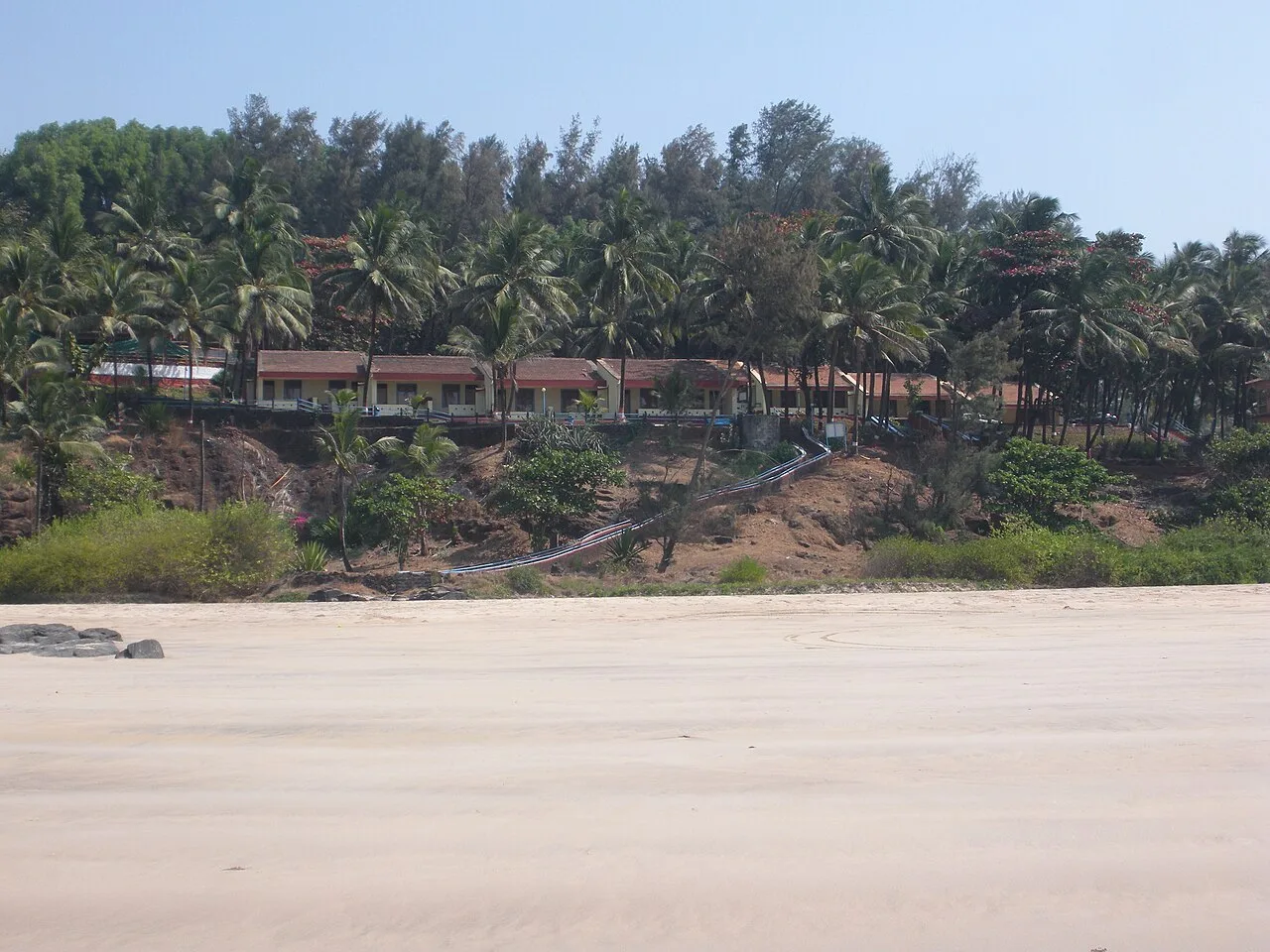
Ganpatipule
A coastal town in Maharashtra’s Ratnagiri district, Ganpatipule attracts Hindu pilgrims and tourists to its Ganpati mandir. It is near Ratnagiri city and north of Chiplun.
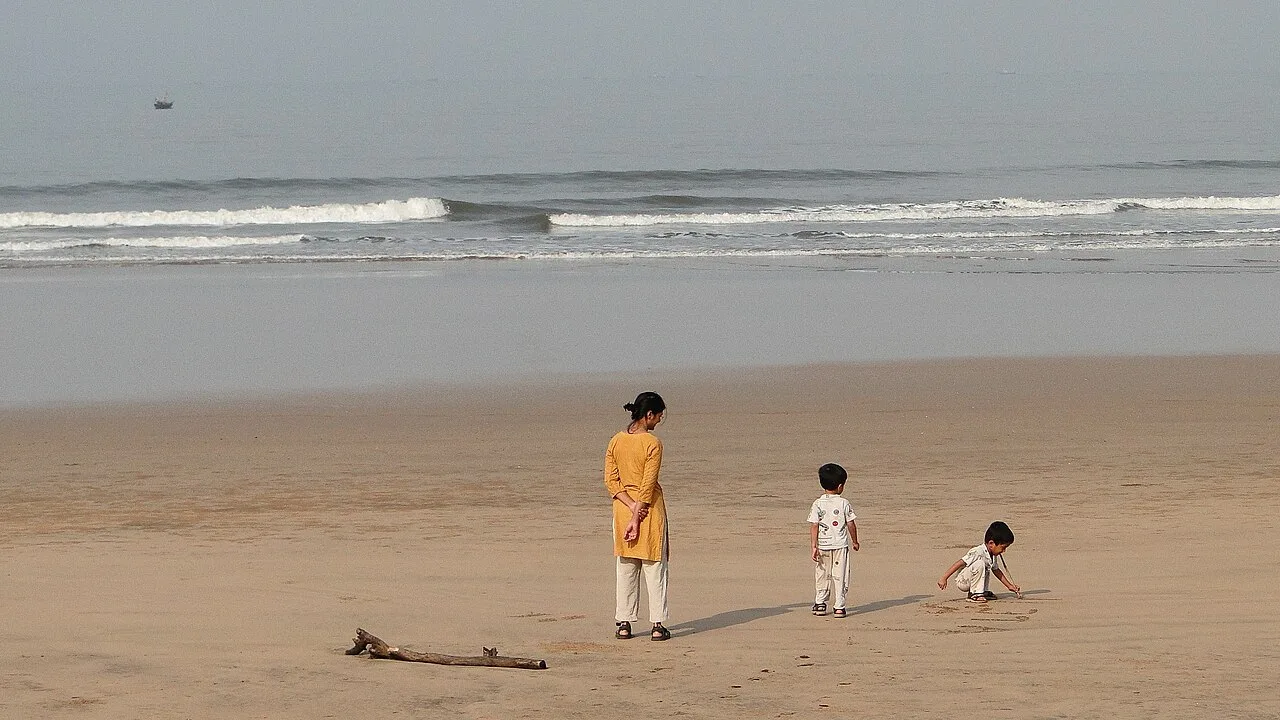
Guhagar
Guhagar is a census town in Maharashtra’s Ratnagiri district. Visitors come for its beach and temples, while local produce and crafts include Alphonso mangoes, coconuts, betel nuts and coir goods.
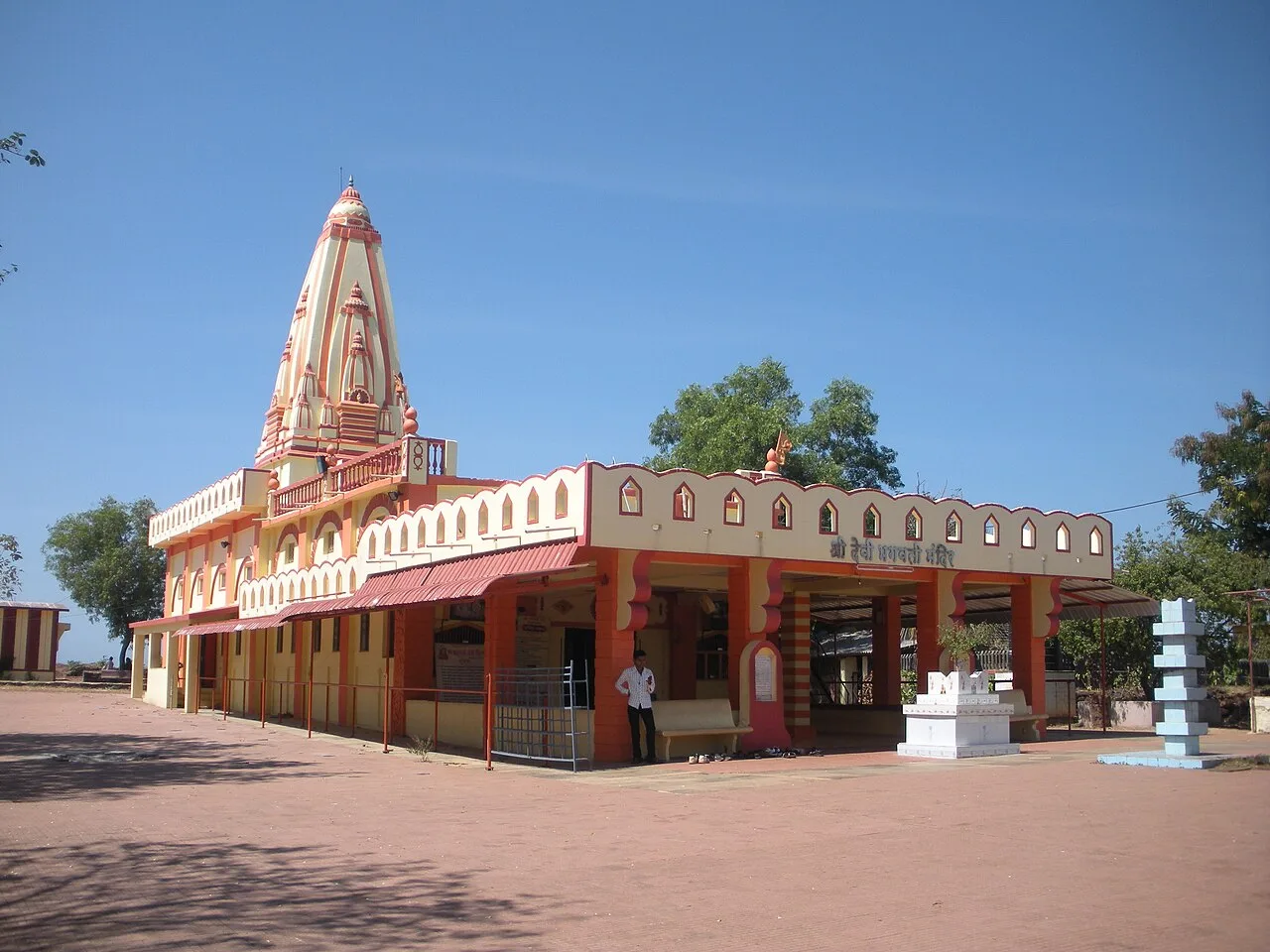
Ratnagiri Fort
Ratnagiri Fort, also known as Ratnadurg Fort and Bhagawati Fort, stands two kilometres from Ratnagiri in Maharashtra and attracts visitors for the Bhagawati Temple within it.

Velas
Velas, in Maharashtra’s Ratnagiri district, is known for its beaches, its local turtle festival and its connection with Nana Phadnis, a Maratha-era statesman born there.
Konkan cooking in Ratnagiri makes generous use of fish, rice, coconut and souring agents such as kokum. Fish curry with rice, fried catch of the day and sol kadhi—a cooling kokum and coconut drink—are common regional choices; availability depends on the season and the day’s catch. The wider Malvani and Konkani food traditions also include seafood preparations with chilli and coastal spices. Ratnagiri’s Alphonso mangoes are enjoyed fresh and in aamras, especially in season. Vegetarian meals are widely available too, often built around rice, lentils and local vegetables. Ask small eateries what is fresh, and carry water and snacks when visiting more remote sites.
Craft traditions vary across the Konkan, and not every art form is specific to Ratnagiri district. In the wider coastal region, artisans make practical goods from bamboo, cane, wood and clay, while local communities preserve folk music, performance and decorative practices. Chitrakathi, a storytelling tradition using painted narrative images, is associated especially with Pinguli in neighbouring Sindhudurg; it belongs to the broader cultural landscape of southern Konkan rather than being a Ratnagiri-only craft. Visitors may find locally made objects in markets, but availability can be seasonal and differs from town to town.
Ganesh Chaturthi, usually in August or September, is widely observed across the district, with family gatherings and community celebrations. Holi, known regionally as Shimga, is marked around March, while Narali Purnima, usually in August, is important to coastal fishing communities. Temple festivals and fairs take place in different villages at varying times of year; celebrations around prominent pilgrimage centres can bring a noticeable rise in visitors. During major festival periods, accommodation in popular coastal towns may be busier, so travellers should check availability ahead. Practices and scale vary between communities and villages.
The district is a long, narrow strip between the Arabian Sea and the western slopes of the Sahyadris. Its coast alternates between sandy beaches, rocky headlands, cliffs and river estuaries; inland, laterite plateaus, wooded slopes and orchards surround settlements. Short west-flowing rivers, including the Vashishti and Shastri, shape valleys and tidal inlets. Roads often follow winding terrain between villages rather than running directly along the shore, so nearby places can take longer to reach than a map suggests. Monsoon greenery is striking, but rain can make slopes, steps and exposed rock slippery.
Summer, from roughly March to May, is generally hot and humid along the coast. The southwest monsoon usually brings sustained rain from June into September; landscapes turn lush, but outdoor plans and road journeys can be disrupted. Winter, broadly from November to February, is usually the most comfortable season for exploring beaches, towns and forts. November to February is a good general window to visit, although festival periods can be busier. Pack light clothing, sun protection and water for warm days, plus a light layer for evenings. In the monsoon, bring reliable rainwear and footwear with grip; check local conditions before travelling to exposed coastal sites.
Ratnagiri district is connected by the Konkan Railway, with Ratnagiri and Chiplun among the useful stations; the best choice depends on the destination. Road access is mainly via National Highway 66, which runs along the Konkan coast and links the region with Mumbai and Goa. Air travellers can check flights to Kolhapur, Goa, Mumbai or Pune, then continue by road; flight availability and the most convenient airport depend on the itinerary. State transport buses connect major towns, while taxis and local buses help with onward travel. Coastal villages and attractions may have limited services, so check current services locally before setting out.
National Highway 66 links major towns along the district, while smaller roads branch towards beaches, villages and forts. Ratnagiri and Chiplun are useful rail gateways, but onward travel generally requires road transport. State transport buses connect many towns and larger villages; local buses, shared jeeps and auto-rickshaws may be available for shorter journeys, though services can be limited in coastal areas. Taxis offer more flexibility for multi-stop trips. Boats are not a dependable general-purpose way to move between the listed destinations, so check locally before planning around any water crossing. Allow extra time for winding roads, rain and village traffic.
2 days: Ganpatipule → Ratnagiri Fort; sleep in Ganpatipule, then Ratnagiri. 3 days: Guhagar → Ganpatipule → Ratnagiri Fort; sleep in Guhagar, then Ganpatipule.
Ganpatipule is a practical base for a beach-focused visit and access to the nearby coast; Ratnagiri town suits travellers prioritising Ratnagiri Fort and transport connections. Guhagar works well for a quieter coastal stay and a northern part of the itinerary. Accommodation generally ranges from hotels and guesthouses to homestays, with simpler lodging in smaller settlements. Government lodges or dharamshalas may be available in some places, but facilities and access vary. During holidays and major festivals, reserve ahead where possible and confirm current arrangements directly.
Sea conditions can change quickly; heed local advice, avoid swimming where currents are strong, and do not enter the water during rough weather. Monsoon rain can make roads, fort steps and rocky shorelines slippery, while heavy showers may slow travel or affect access. Use treated or sealed drinking water and take usual precautions against heat and insects. Rural mobile coverage and transport options can be uneven, so plan onward travel before leaving larger towns. Roads may be narrow and winding; avoid rushing, especially after dark or in rain. Ordinary sightseeing generally does not require a special permit, but confirm any current restrictions or permit requirements with official local authorities before visiting restricted sites.
Straight-line distance between the centres of each district's destinations; road distance is longer.
Q: How many days should I spend in Ratnagiri district? A: Two days can cover a short coastal visit; three or more allow a less hurried route between Guhagar, Ganpatipule and Ratnagiri. Q: What is the best time to visit? A: November to February is generally comfortable for sightseeing. The monsoon is very green but can disrupt travel and outdoor plans. Q: What is the best base for a first visit? A: Ratnagiri town is useful for transport and Ratnagiri Fort, while Ganpatipule suits a beach-focused stay. Q: How do I get to the district? A: Reach Ratnagiri or Chiplun by Konkan Railway, or travel by road on National Highway 66; continue to your destination by bus, taxi or local transport. Q: Is Ratnagiri suitable for families or elderly travellers? A: Yes, with planning. Choose accessible accommodation and allow for uneven paths, steps, humid weather and longer road journeys between coastal places.
This page draws on our 4 destination guides for Ratnagiri and is updated as our team checks it.
Be the first to share photos, stories, advice or a helpful contact for Ratnagiri.
Loading…