
District · Maharashtra
Beed
Beed lies in the Marathwada region of central Maharashtra, an inland part of the state shaped by the Deccan plateau and a largely agricultural way of life.
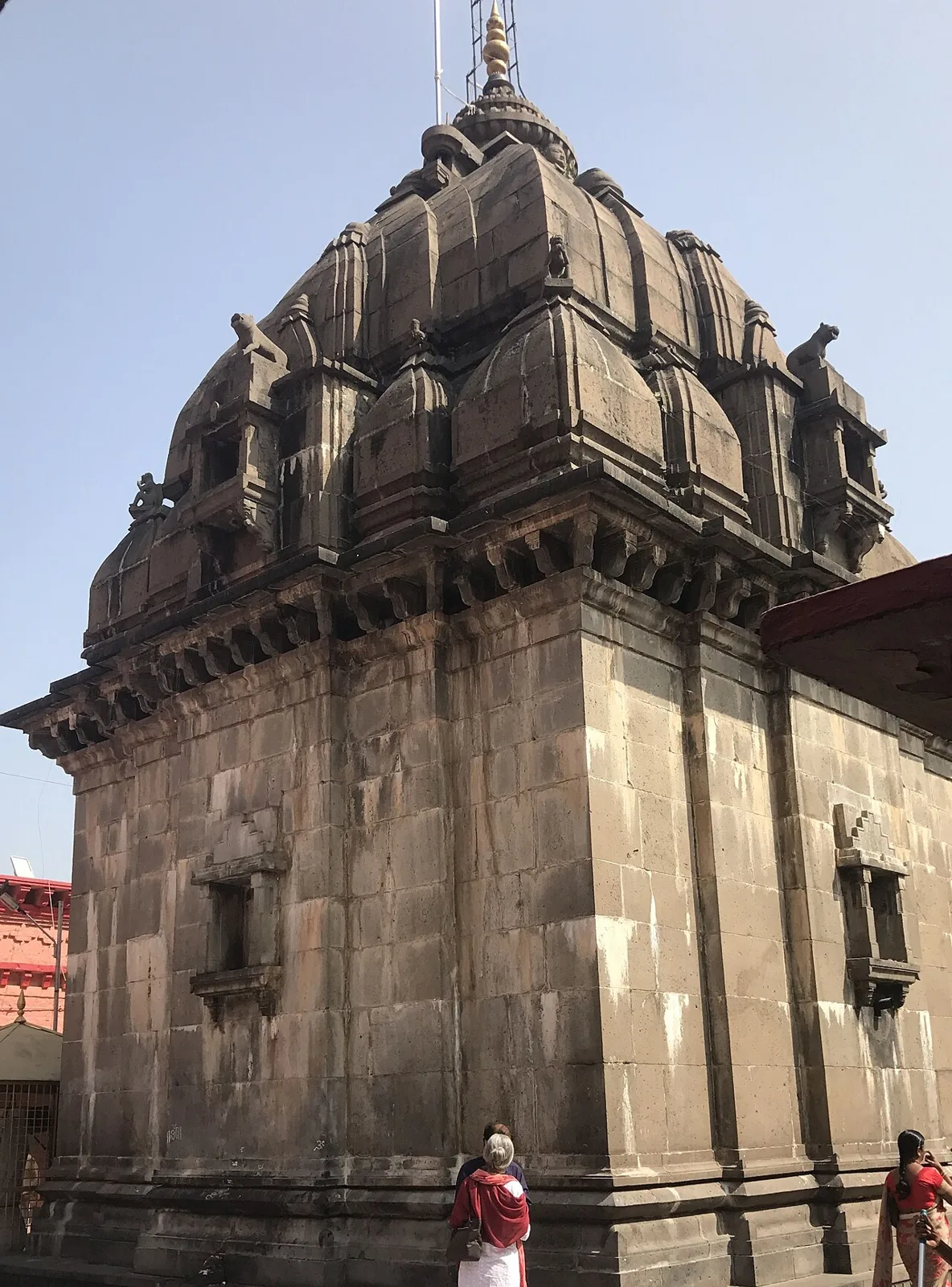
Beed district lies in the Marathwada region of central Maharashtra, on the dry Deccan plateau. Its landscape includes rolling uplands, agricultural plains and seasonal rivers, with rainfall that can be uncertain. Farming is central to local life, and settlements range from busy market towns to smaller villages. The district’s history reflects the wider story of Marathwada, which was part of the former Hyderabad State before joining Maharashtra. Religious and historic landmarks include Shri Vaijnath Temple at Parli Vaijnath, the pilgrimage centre of Ambajogai and Dharur Fort. Beed is a largely rural district whose temples, weekly markets and agricultural rhythms offer a quieter counterpoint to Maharashtra’s larger urban centres.
Beed lies in the Marathwada region of central Maharashtra, an inland part of the state shaped by the Deccan plateau and a largely agricultural way of life. The district is best known to many pilgrims for Parli Vaijnath and its Shiva temple, traditionally counted among the Jyotirlingas. A visit can pair a pilgrimage with a sense of the region’s semi-arid countryside and smaller-town rhythms. Beed is not a coastal or high-mountain destination, and journeys between towns can take time; it suits travellers interested in religious heritage and the landscapes of interior Maharashtra. The published destination list for the district currently includes Shri Vaijnath Temple.
Beed’s history is part of the wider history of the Deccan and Marathwada. The region came under several powers over the centuries, including the Satavahanas, Rashtrakutas and Yadavas of Devagiri; the extent and timing of their control varied across the area. From the medieval period, authority shifted among Deccan sultanates and later the Mughals. The region subsequently formed part of the Hyderabad State under the Nizams, whose administration and cultural influence shaped Marathwada. After Indian independence, Hyderabad State was integrated into India in 1948. Beed remained within Hyderabad State until the linguistic reorganisation of states in 1956, when Marathwada became part of Bombay State. With the creation of Maharashtra in 1960, Beed became one of its districts. The district’s religious history is especially visible at Parli Vaijnath, whose Shiva temple remains an important pilgrimage centre. These successive political changes connect Beed’s past to both the Deccan kingdoms and the modern reorganisation of western and central India.
Meals in Beed reflect the wider Marathwada and Deccan food traditions. Jowar bhakri is a common staple, often served with pithla, lentils, seasonal vegetables or a spicy chutney. Visitors may also find zunka, usal and simple rice-and-dal meals at local eateries. Recipes and menus vary between towns and households, and small restaurants may prepare only a limited selection each day. Ask what is freshly cooked and in season. Vegetarian food is widely available; meat dishes can also be found. Carry water and snacks when travelling to remote temples or rural sites, where food options may be scarce.
Beed does not have a single widely documented signature craft that defines the district. Local markets and villages support practical artisan work, including pottery, metalwork, carpentry and household goods, though availability varies by place. The wider Marathwada region has notable textile traditions: Paithani weaving is associated with Paithan, while Himroo is associated with Chhatrapati Sambhajinagar. These are regional traditions rather than crafts specific to Beed. In town markets, ask about the maker and place of origin when buying textiles or handmade items, as products from across Maharashtra may be sold alongside locally made goods.
Maha Shivratri and the holy month of Shravan are important pilgrimage periods at Parli Vaijnath, drawing worshippers to Shri Vaijnath Temple. The broader region also observes festivals such as Ganesh Chaturthi, Diwali, Holi and Eid, with celebrations varying by community and town. Temple gatherings can make Parli busier, particularly during major observances, and demand for nearby rooms may rise. Travellers planning a visit in these periods should check accommodation availability ahead of time and allow extra time for local movement. Festival dates follow religious calendars and change from year to year.
Beed is an inland district on the Deccan plateau, with rolling uplands, open agricultural country and stretches of scrub rather than a continuous forest or hill landscape. The Balaghat upland region influences parts of the district, while rivers and seasonal streams, including the Sindphana and its tributaries, drain towards the Godavari basin. Watercourses and reservoirs can look very different between the monsoon and dry months. Roads connect the main towns, but rural stretches may have fewer services and travel can be slower than the map suggests. The open, semi-arid setting makes shade and water useful considerations for visitors.
Beed has a generally semi-arid climate. Summer, before the monsoon, can be hot and dry, so outdoor travel is more comfortable early or later in the day. Monsoon weather usually arrives from around June and can bring rain that refreshes the countryside but sometimes slows road journeys. Winter is comparatively mild and is often the most comfortable season for visiting, especially from about November through February. These are broad seasonal patterns, and conditions vary from year to year. For most travellers, the cooler months are a practical choice. Pack light breathable clothing, sun protection and a refillable water bottle; during the monsoon, add a compact rain layer and shoes with good grip.
Beed district is reached mainly by road, with bus and private-car connections to regional centres including Chhatrapati Sambhajinagar, Ahilyanagar, Latur and Nanded. Parli Vaijnath is an established railway station within the district and can be useful for reaching its eastern and southern areas; onward journeys are by road. Chhatrapati Sambhajinagar Airport and Nanded Airport may serve different parts of the district, so choose according to your destination and available flights. State transport buses connect towns, while taxis and auto-rickshaws are useful for local journeys. Check current services locally before travelling.
Road travel is the main way to move between Beed’s towns and villages. State and other public buses connect major centres, while shared jeeps and auto-rickshaws may be available for shorter journeys, though rural services can be limited or irregular. Taxis or hired cars offer more flexibility for reaching Parli Vaijnath and combining it with other stops. Parli is also served by rail, but onward travel within the district is generally by road. Confirm current connections locally, especially for smaller places, and leave room in plans for slower rural roads. There are no boat journeys relevant to the listed destination.
2 days: Shri Vaijnath Temple; sleep in Parli Vaijnath on night 1. 3 days: Shri Vaijnath Temple; sleep in Parli Vaijnath on nights 1 and 2 for a slower pilgrimage visit.
Parli Vaijnath is the most practical base for visiting Shri Vaijnath Temple, with accommodation suited to pilgrims, including hotels, lodges and dharamshalas. Options and comfort levels can vary, so check facilities and availability before arrival, especially around major temple observances. Beed town can serve as a base for travellers making wider road journeys across the district, although it is less convenient for a temple-focused visit to Parli. Homestays and government-run accommodation may be limited or not consistently available; confirm locally rather than relying on them.
Plan for hot, dry conditions outside the monsoon: carry drinking water, use sun protection and avoid strenuous outdoor travel during the hottest part of the day. Monsoon showers can make rural roads slower or slippery, so check local conditions before setting out. Use reputable drinking water and take ordinary food and hygiene precautions. Temple crowds may increase during major observances; keep belongings secure and follow local instructions. Mobile connectivity can be weaker on rural stretches than in towns, so share plans and avoid relying on a signal everywhere. The listed destination does not require a special protected-area permit; check official sources if plans include other restricted sites.
- Nandedabout 89 km
- Hingoliabout 94 km
- Dharashivabout 102 km
- Buldhanaabout 126 km
- Bidar · Karnatakaabout 147 km
- Nizamabad · Telanganaabout 161 km
- Solapurabout 182 km
- Chhatrapati Sambhajinagarabout 184 km
Straight-line distance between the centres of each district's destinations; road distance is longer.
Q: How many days should I spend in Beed? A: One or two days can suit a visit focused on Shri Vaijnath Temple; allow longer for broader travel across the district. Q: When is the best time to visit? A: The cooler months, roughly November to February, are generally more comfortable. Monsoon travel is possible but can be slower. Q: What is the best base for visiting Shri Vaijnath Temple? A: Parli Vaijnath is the most convenient base for the temple. Beed town is another option for wider road travel. Q: How can I get to Beed district? A: You can reach the district by road, with buses linking major towns; Parli also has rail access. Check current onward connections locally. Q: Is Beed suitable for families or elderly travellers? A: Yes, a temple-focused visit can suit families and many older travellers, but plan for heat, possible crowding and any walking or standing required at the temple.
This page draws on our 1 destination guides for Beed and is updated as our team checks it.
Be the first to share photos, stories, advice or a helpful contact for Beed.
Loading…