
District · Telangana
Nizamabad
Nizamabad offers a view of northern Telangana beyond the state’s larger urban centres: cultivated plains, market towns and a history shaped by successive Deccan powers.
Nizamabad lies in northern Telangana, where cultivated plains, low hills and river-fed farmland shape a largely agricultural landscape. Paddy and turmeric are prominent crops, while Nizamabad city serves as the district’s commercial and transport centre. The city’s older name, Indur, and its later association with Hyderabad’s Nizam-era administration reflect a layered regional history. Nizamabad Fort, also called Nizamabad Quilla, is a useful starting point for exploring that heritage. Beyond the city, villages and agricultural markets reveal the district’s everyday character. Nizam Sagar Dam, named after the Nizam of Hyderabad, is another destination covered in these guides, but it now lies in neighbouring Kamareddy district rather than present-day Nizamabad.
Nizamabad offers a view of northern Telangana beyond the state’s larger urban centres: cultivated plains, market towns and a history shaped by successive Deccan powers. Nizamabad city is the district’s commercial and transport hub, and Nizamabad Fort, also called Nizamabad Quilla, is a focal point for exploring its heritage. The area is associated with paddy and turmeric cultivation, and its agricultural markets give visitors a glimpse of everyday regional life. Nizam Sagar Dam is a possible excursion, but it is now in neighbouring Kamareddy district. The district suits travellers interested in local history, rural landscapes and a quieter regional itinerary.
The region’s history reflects the changing powers of the Deccan. Its older name, Indur, is associated with earlier phases of settlement and rule; the wider area came under dynasties and states that included the Rashtrakutas, Chalukyas, Kakatiyas, Bahmanis and Qutb Shahis. As control shifted, the region became part of the Hyderabad State under the Asaf Jahi Nizams. Nizamabad’s later name reflects this Nizam-era association, while its fort stands as a reminder of the city’s strategic and administrative past. During the colonial period, Hyderabad remained a princely state under British paramountcy rather than being directly governed as part of British India. Hyderabad State joined the Indian Union in 1948. After the formation of Andhra Pradesh, the area was administered within that state; Telangana became a separate state in 2014. District boundaries were reorganised in 2016, when Kamareddy was created as a separate district. Nizam Sagar Dam, once associated with the older district geography, now lies in Kamareddy.
2 destination guides
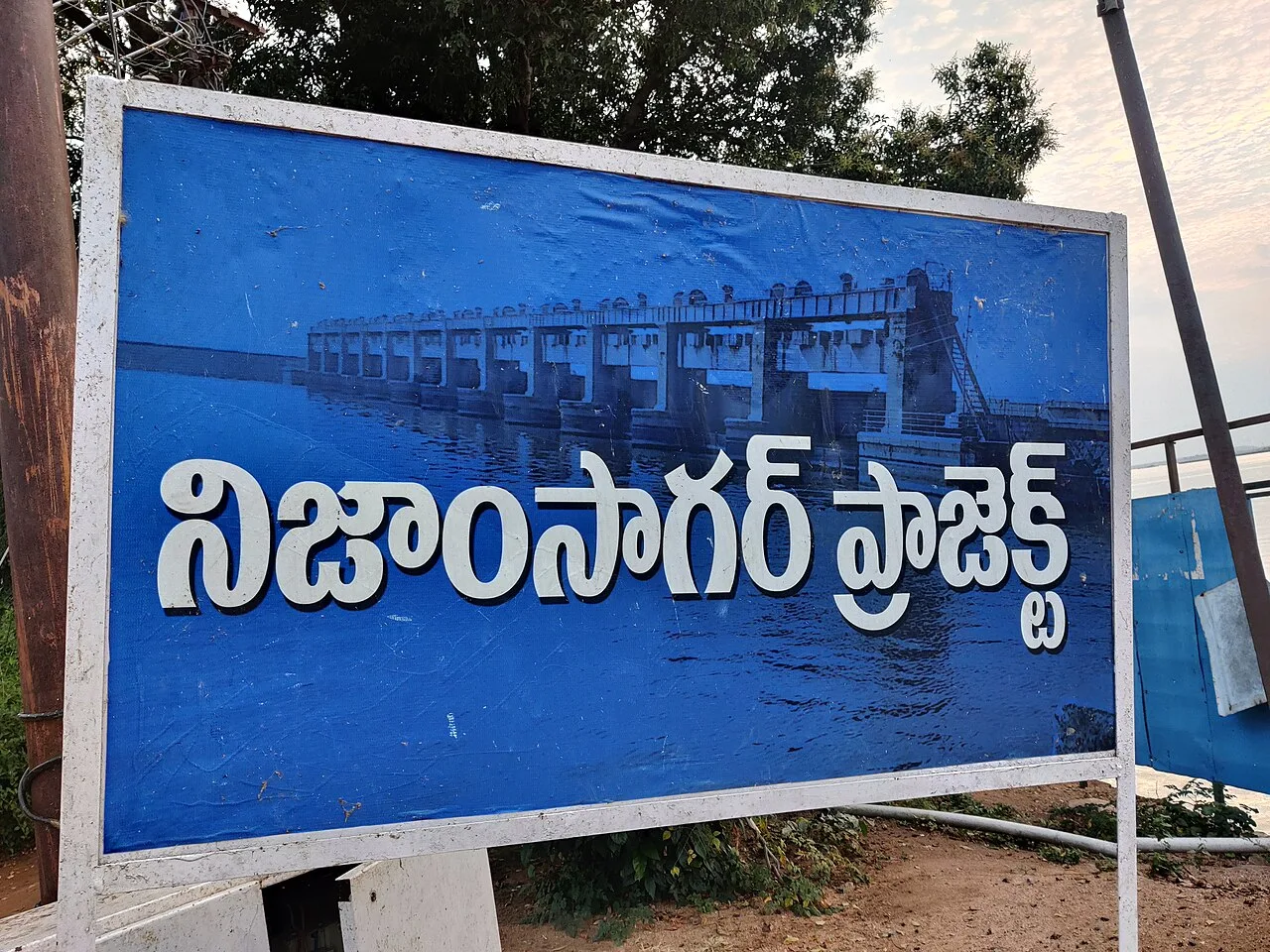
Nizam Sagar Dam
Nizam Sagar is a dam and reservoir on the Manjira River in Telangana, named for Hyderabad’s Nizam. Visitors come to view Telangana’s oldest dam and its reservoir.
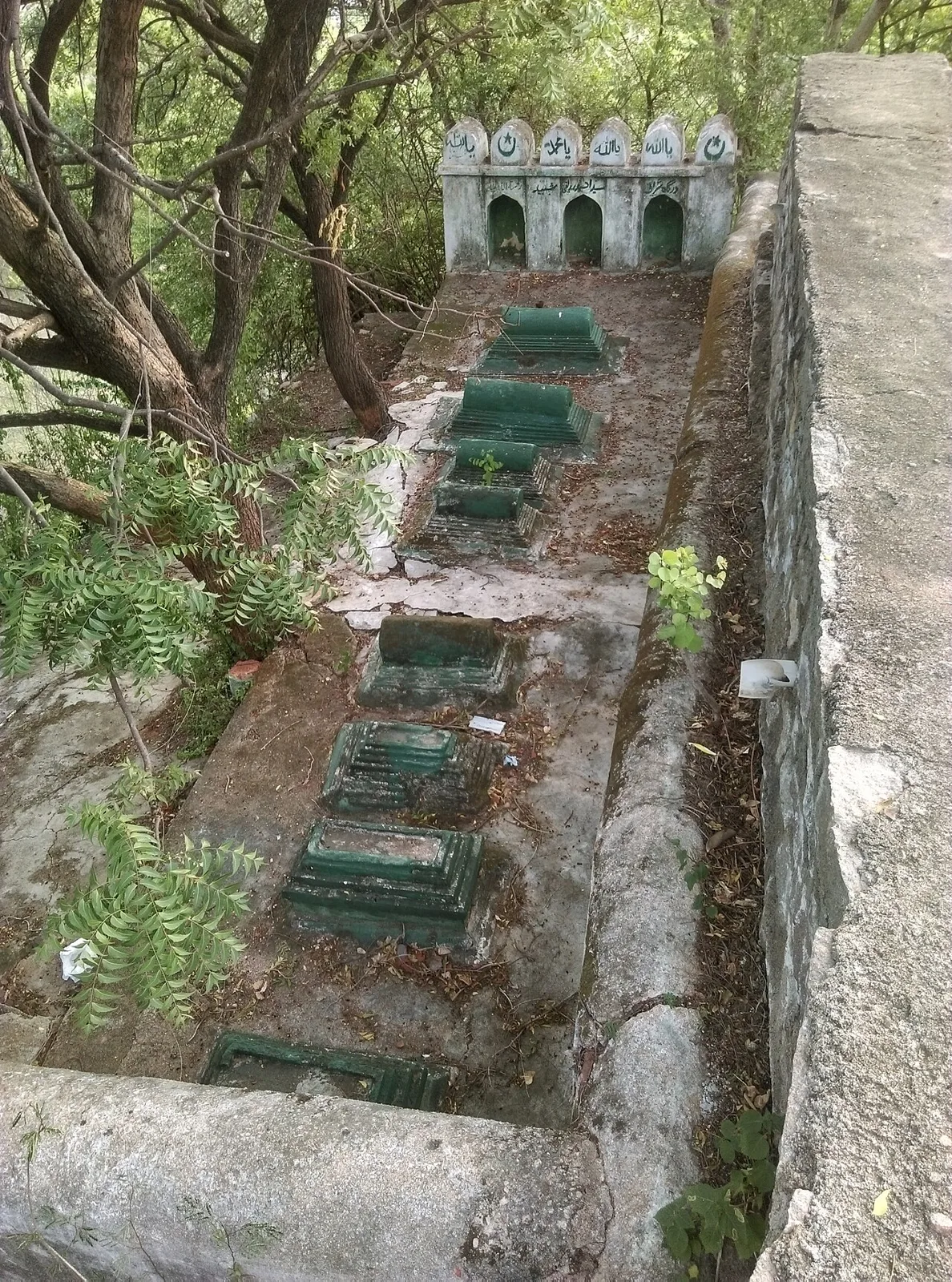
Nizamabad Fort
Nizamabad Fort, also called Nizamabad Quilla, is a tenth-century stronghold in Telangana. Visitors come to see its hilltop temple and distinctive pillar, while the temple is a place of worship for Hindu devotees.
Food in Nizamabad draws on Telangana’s village cooking and the wider culinary traditions of the former Hyderabad state. Look for jonna rotte with spicy pachadi, sarva pindi and natu kodi, or country chicken curry, where available. Sakinalu are associated with Sankranti and home-based festive preparation. Biryani, mirchi ka salan, Irani chai and sweets such as double ka meetha belong to the broader regional repertoire rather than being Nizamabad specialities. Haleem is particularly associated with Ramzan. Small eateries may prepare only a few dishes each day, so asking what is freshly cooked is often more useful than expecting a large menu.
For craft shopping, distinguish Nizamabad’s local markets from Telangana’s better-known production centres. Pochampally ikat weaving and Cheriyal narrative scroll painting are established traditions of the wider state, not crafts specific to this district. Ikat uses yarns dyed before weaving to create patterned cloth, while Cheriyal painting traditionally illustrates stories in vivid colours. Such work may be sold through regional handicraft outlets, but availability in Nizamabad should be checked rather than assumed. Ask sellers about the maker, place of production and whether textiles are handwoven.
Bathukamma, Telangana’s floral festival, is celebrated during the monsoon-to-autumn season, often alongside the wider Dasara period. Sankranti in midwinter brings harvest-season observances, while Eid celebrations reflect the region’s Muslim communities. Local temple and village fairs may also take place at different times of year, though dates and scale vary by locality. Festival periods can bring busier markets, roads and public spaces, especially in Nizamabad city and larger towns. Demand for rooms may rise around major celebrations, so visitors planning to travel then should arrange accommodation ahead and check locally for event details.
Nizamabad is an inland district of cultivated plains, gently rolling ground and scattered low hills. Farms and irrigation support crops including paddy and turmeric, while villages and agricultural markets are spread across the rural landscape. The Manjira river system is important to the wider region; Nizam Sagar Dam, on the Manjira, is now across the district boundary in Kamareddy. There is no coastline, and travel is mainly by road between the city, towns and villages. Rural routes can be slower than main highways, particularly during heavy rain or where roadworks are under way.
The district has hot summers, a monsoon season and comparatively mild winters. Summer heat can make midday sightseeing tiring, so plan outdoor visits for the cooler parts of the day and carry water and sun protection. Monsoon weather brings greener fields but can also mean wet roads, local waterlogging and slower rural journeys. Winter is generally the most comfortable season for exploring the fort, markets and surrounding countryside. The cooler months, broadly from late autumn into winter, are a good time to visit. Pack light clothing for warm days, a light layer for winter evenings, and rain protection if travelling during the monsoon.
Rajiv Gandhi International Airport in Hyderabad is the main air gateway for Nizamabad. Continue from Hyderabad by road or rail; Nizamabad railway station is the principal rail arrival point for the city and its fort. National Highway 44 connects the area with Hyderabad and routes north towards Maharashtra. Intercity buses provide another option, while auto-rickshaws and hired cars are useful for local travel and village visits. Treat Nizam Sagar Dam as a separate excursion into neighbouring Kamareddy district, with onward road transport arranged according to your starting point. Check current services locally.
Nizamabad city is the main base for local journeys, with road links connecting it to towns and villages across the district and National Highway 44 serving longer north–south travel. Local and intercity buses are useful for established routes, though they may not reach every rural sight conveniently. Auto-rickshaws serve city journeys; hired cars or taxis offer more flexibility for village visits and for reaching Nizam Sagar Dam in neighbouring Kamareddy district. Shared vehicles may operate on some local routes, but availability varies. Arrange return transport in advance for less frequently served rural areas, and check current road conditions locally.
Nizamabad city is the most practical base for visiting Nizamabad Fort and using the district’s transport links. It generally offers a wider choice of hotels and other straightforward stays than smaller towns. For a visit focused on Nizam Sagar Dam, consider staying in Kamareddy district if suitable accommodation and onward transport are confirmed; otherwise, use Nizamabad as a base and make a road excursion. Smaller settlements may have limited options, and homestays, government lodges or dharamshalas should not be assumed to be available. Confirm facilities and access before setting out.
The fort and rural areas involve uneven ground, so wear sturdy footwear and take care on steps and slopes. In summer, limit exposure during the hottest part of the day and carry drinking water; use sealed or reliably treated water. Monsoon rain can make roads slippery, flood-prone or slower, so check local conditions before rural journeys. Watch for traffic and animals on village roads, and avoid travelling unfamiliar routes after dark where possible. Mobile connectivity may vary outside towns. The listed destinations do not require a special permit to the best of current general knowledge; confirm access rules with official local authorities before travel, as conditions can change.
- Medakabout 50 km
- Kamareddyabout 50 km
- Bidar · Karnatakaabout 75 km
- Nirmalabout 80 km
- Sangareddyabout 82 km
- Jagtialabout 91 km
- Rajanna Sircillaabout 93 km
- Adilabadabout 108 km
Straight-line distance between the centres of each district's destinations; road distance is longer.
All districts of Telangana
- Adilabad
- Bhadradri Kothagudem
- Hanamkonda
- Hyderabad
- Jagtial
- Jangaon
- Jayashankar Bhupalpally
- Jogulamba Gadwal
- Kamareddy
- Karimnagar
- Khammam
- Kumuram Bheem Asifabad
- Mahabubabad
- Mahabubnagar
- Mancherial
- Medak
- Medchal–Malkajgiri
- Mulugu
- Nagarkurnool
- Nalgonda
- Narayanpet
- Nirmal
- Rajanna Sircilla
- Ranga Reddy
- Sangareddy
- Siddipet
- Suryapet
- Wanaparthy
- Warangal
- Yadadri Bhuvanagiri
Q: How many days should I spend in Nizamabad district? A: Two days can cover Nizamabad Fort and a separate excursion to Nizam Sagar Dam; allow three days for a more relaxed journey. Q: When is the best time to visit? A: The cooler months from late autumn into winter are generally most comfortable for sightseeing and road travel. Q: Where is the best base? A: Nizamabad city is the practical base for the fort and district transport. For the dam, check accommodation and transport options in Kamareddy district. Q: How do I get to Nizamabad? A: Travel via Hyderabad by road or rail; Nizamabad railway station is the main rail arrival point, and Hyderabad is the principal air gateway. Q: Is the district suitable for families or elderly travellers? A: Yes, with planning. Use road transport for rural outings, allow extra time, and consider the fort’s uneven surfaces and summer heat.
This page draws on our 2 destination guides for Nizamabad and is updated as our team checks it.
Be the first to share photos, stories, advice or a helpful contact for Nizamabad.
Loading…