
District · Telangana
Hanamkonda
Hanamkonda is part of the closely linked Hanamkonda–Warangal–Kazipet urban belt, a major centre for education, commerce and pilgrimage in northern Telangana.
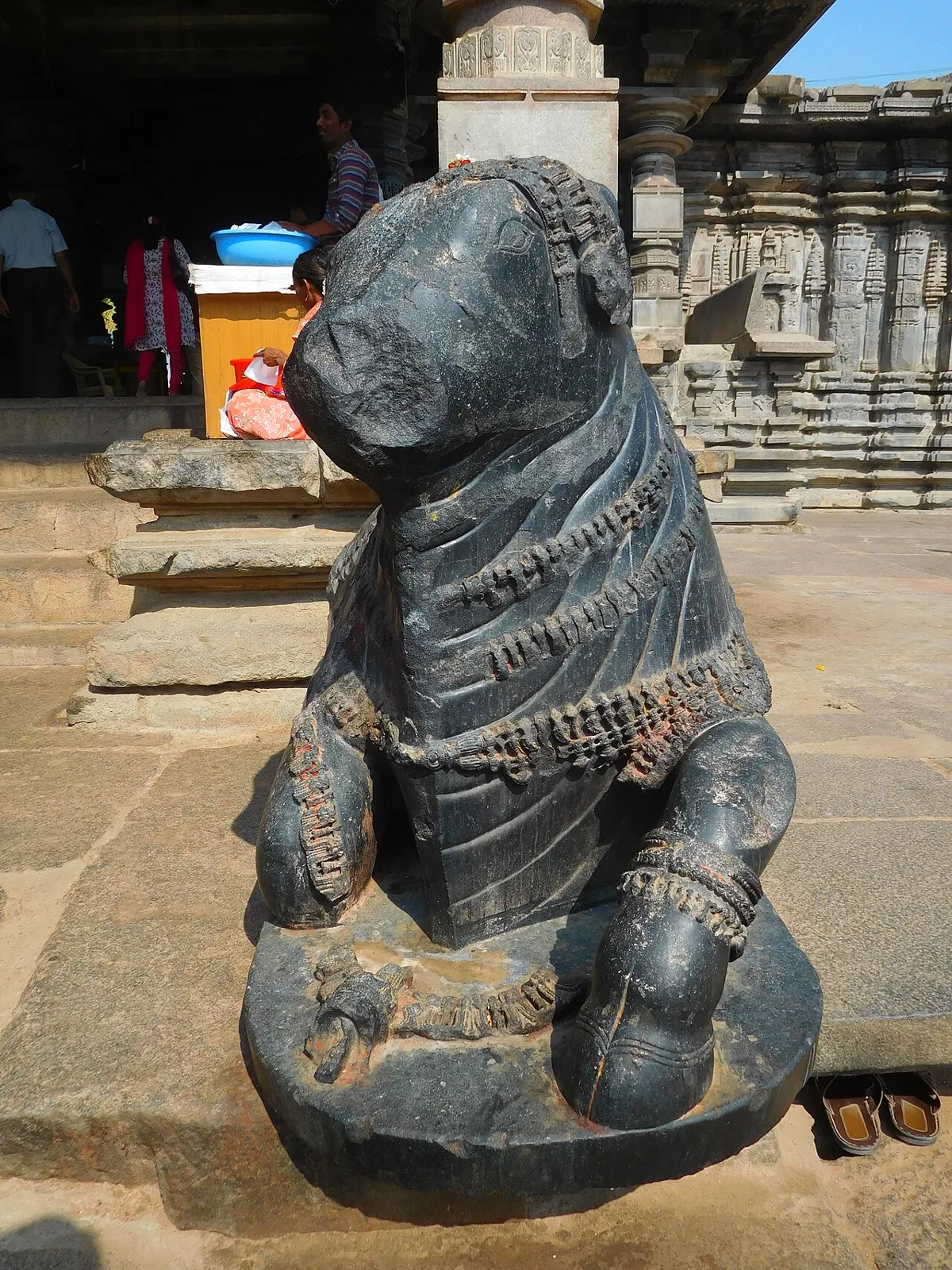
Hanamkonda district lies on Telangana’s Deccan plateau, where rocky outcrops, cultivated land and irrigation tanks frame a busy urban landscape. Its principal urban area forms part of the closely connected Hanamkonda–Warangal–Kazipet belt, an important centre of education, commerce and pilgrimage. The district’s historical identity is closely tied to the Kakatiya dynasty, whose architectural legacy survives at the Thousand Pillar Temple, also called Rudreswara Swamy Temple. This twelfth-century shrine is known for its carved stonework and sculptural detail. Beyond the historic core, everyday Hanamkonda mixes neighbourhood markets, colleges and devotional spaces with the agricultural rhythms of its surrounding countryside.
Hanamkonda is part of the closely linked Hanamkonda–Warangal–Kazipet urban belt, a major centre for education, commerce and pilgrimage in northern Telangana. Travellers come chiefly for the Kakatiya-era Thousand Pillar Temple, also known as Rudreswara Swamy Temple, whose carved stonework reflects the region’s architectural heritage. The district also offers a view of everyday life in a busy Telangana city, where markets, colleges and devotional places sit alongside cultivated countryside and irrigation tanks. It works well as a base for exploring the wider Warangal region, though many of its best-known historical attractions lie beyond the district’s present boundaries.
Hanamkonda’s history is closely associated with the Kakatiyas, whose power grew in the Deccan during the medieval period. Hanamkonda served as an early Kakatiya centre before Orugallu, now Warangal, became their principal capital. The twelfth-century Thousand Pillar Temple, commissioned under Kakatiya rule, is a prominent surviving example of the dynasty’s temple architecture and stone carving. After Kakatiya power declined, the region passed through the hands of several Deccan powers, including the Delhi Sultanate, the Bahmani and successor sultanates, and the Mughals. It later formed part of the Hyderabad State under the Asaf Jahi Nizams. British influence in the wider region was largely indirect, through the Nizam’s relationship with British India. After Hyderabad State joined the Indian Union, the area became part of Hyderabad State and later Andhra Pradesh. Telangana became a separate state in 2014. In the 2016 district reorganisation, the area was constituted as Warangal Urban district; it was renamed Hanamkonda district in 2021.
Food in Hanamkonda belongs to the wider Telangana tradition, with rice, lentils, tangy preparations and assertive chilli flavours featuring prominently. Look for sarva pindi, a savoury rice-flour pancake, and jonna rotte served with spicy pachadi. Natu kodi, or country chicken curry, is another regional favourite where available. Sakinalu, a crisp rice-flour snack, is associated especially with Sankranti and home preparation. Biryani, Irani chai and sweets such as double ka meetha reflect broader Telangana and Hyderabad-influenced food culture rather than district-specific specialities. Haleem is particularly associated with Ramzan. At smaller eateries, ask which dishes have been freshly prepared that day.
The wider Warangal region is associated with handwoven durries, flat-woven floor coverings often distinguished by bold geometric patterns and contrasting colours. Treat these as a regional weaving tradition rather than a craft exclusive to Hanamkonda district. When shopping, ask about the fibre, weaving method and place of production. Hanamkonda’s clearest artistic landmark is the Thousand Pillar Temple, where carved pillars and sculptural ornament demonstrate the skill of Kakatiya-era stoneworkers. This architectural heritage offers a valuable introduction to the region’s historic craftsmanship, distinct from contemporary souvenir production.
Bathukamma, a floral festival celebrated in the run-up to Dasara, and Dasara itself bring seasonal gatherings and activity to the district. Sankranti, in January, is marked by family visits and rural celebrations. Bonalu is observed in parts of Telangana during the monsoon season, though customs and prominence vary by locality. The wider Warangal region also sees increased travel around the Sammakka-Saralamma Jatara, held in nearby Mulugu district; it can make regional transport and accommodation busier. For major festival periods, check local conditions and arrange a room ahead.
The district sits on the Deccan plateau, with a mostly inland landscape of rocky ground, low outcrops, cultivated fields and settlements. Irrigation tanks and reservoirs are part of the surrounding countryside, while the Hanamkonda–Warangal–Kazipet belt forms a dense urban area. The terrain is generally manageable for road travel, but rural routes can be narrower and slower than city roads. During the monsoon, rain may affect local roads and visibility. Travellers heading beyond the urban core should allow time for changing road conditions and confirm their route locally.
Hanamkonda has a warm climate for much of the year. Summer, broadly from March into June, can be hot, so plan outdoor visits for cooler parts of the day and carry water, sun protection and light clothing. The southwest monsoon usually brings rain from around June through September; showers can interrupt road journeys and make outdoor plans less predictable. Winter, roughly from November to February, is generally the most comfortable season for sightseeing. These cooler months are often the best time to visit. Pack breathable clothes year-round, with a light layer for winter evenings and rain protection during the monsoon.
Rajiv Gandhi International Airport in Hyderabad is the nearest major operating airport and the usual gateway for air travellers. Warangal railway station and Kazipet Junction provide convenient rail access to the Hanamkonda urban area; choose between them according to your service and accommodation. Road connections link Hanamkonda with Hyderabad and other Telangana towns, with buses serving the wider Warangal–Hanamkonda area. For local journeys, use city buses, auto-rickshaws or taxis, allowing extra time for traffic around busy junctions and markets. A hired vehicle can be useful for trips beyond the urban core. Check current services locally.
The urban area is closely connected by road, and local buses, auto-rickshaws and taxis serve journeys around Hanamkonda, Warangal and Kazipet. Warangal railway station and Kazipet Junction are both useful arrival points; choose based on your train and onward arrangements. City buses can be useful for common routes, while autos or taxis offer more direct access to the Thousand Pillar Temple and neighbourhoods. A hired vehicle can help with rural trips outside the urban belt. Traffic can be slow around markets and busy junctions, so allow extra time and confirm local services before setting out.
2 days: Thousand Pillar Temple; sleep in Hanamkonda on both nights, using the remaining time for the urban area. 3 days: Thousand Pillar Temple; sleep in Hanamkonda each night and allow an unhurried day for the temple and surrounding city.
Hanamkonda is the most practical base for visiting the Thousand Pillar Temple and getting around the urban area. Warangal and Kazipet also suit travellers who prefer to stay near their rail arrival point or onward road connections. The wider urban belt has hotels across a range of styles, along with some lodges and religious accommodation such as dharamshalas. Homestay options may be more limited than conventional hotels. Availability can tighten during festival periods, so check current accommodation and location before booking.
City travel is straightforward, but take care around busy junctions, market traffic and uneven pavements. Summer heat calls for water, shade and sun protection; during the monsoon, allow for slippery surfaces, reduced visibility and delays on rural roads. Use drinking water from a reliable source and take ordinary precautions with street food. Mobile connectivity is generally available in the urban belt, though it may be less consistent in rural areas. Ask locally about current road conditions before longer drives. No special visitor permit is generally required for the district’s usual urban sightseeing; confirm officially if your plans include restricted or protected areas elsewhere.
- Warangalabout 7 km
- Jangaonabout 18 km
- Muluguabout 61 km
- Siddipetabout 68 km
- Karimnagarabout 69 km
- Mahabubabadabout 70 km
- Rajanna Sircillaabout 89 km
- Jayashankar Bhupalpallyabout 96 km
Straight-line distance between the centres of each district's destinations; road distance is longer.
All districts of Telangana
- Adilabad
- Bhadradri Kothagudem
- Hyderabad
- Jagtial
- Jangaon
- Jayashankar Bhupalpally
- Jogulamba Gadwal
- Kamareddy
- Karimnagar
- Khammam
- Kumuram Bheem Asifabad
- Mahabubabad
- Mahabubnagar
- Mancherial
- Medak
- Medchal–Malkajgiri
- Mulugu
- Nagarkurnool
- Nalgonda
- Narayanpet
- Nirmal
- Nizamabad
- Rajanna Sircilla
- Ranga Reddy
- Sangareddy
- Siddipet
- Suryapet
- Wanaparthy
- Warangal
- Yadadri Bhuvanagiri
Q: How many days should I spend in Hanamkonda? A: One or two days can cover the Thousand Pillar Temple and the urban area; allow longer if using the district as a base for regional travel. Q: When is the best time to visit? A: November to February is generally the most comfortable period for sightseeing. Summer is hot, and monsoon showers may affect outdoor plans. Q: What is the best base for visiting the temple? A: Hanamkonda is the most convenient base, with Warangal and Kazipet also practical within the connected urban belt. Q: How do I get to Hanamkonda? A: Hyderabad is the usual major airport gateway. Rail travellers can use Warangal station or Kazipet Junction, with road and local transport for the onward journey. Q: Is Hanamkonda suitable for families or elderly travellers? A: Yes, the urban area is accessible by road and offers local transport, but check walking surfaces at the temple and plan around heat, crowds and individual mobility needs.
This page draws on our 1 destination guides for Hanamkonda and is updated as our team checks it.
Be the first to share photos, stories, advice or a helpful contact for Hanamkonda.
Loading…