
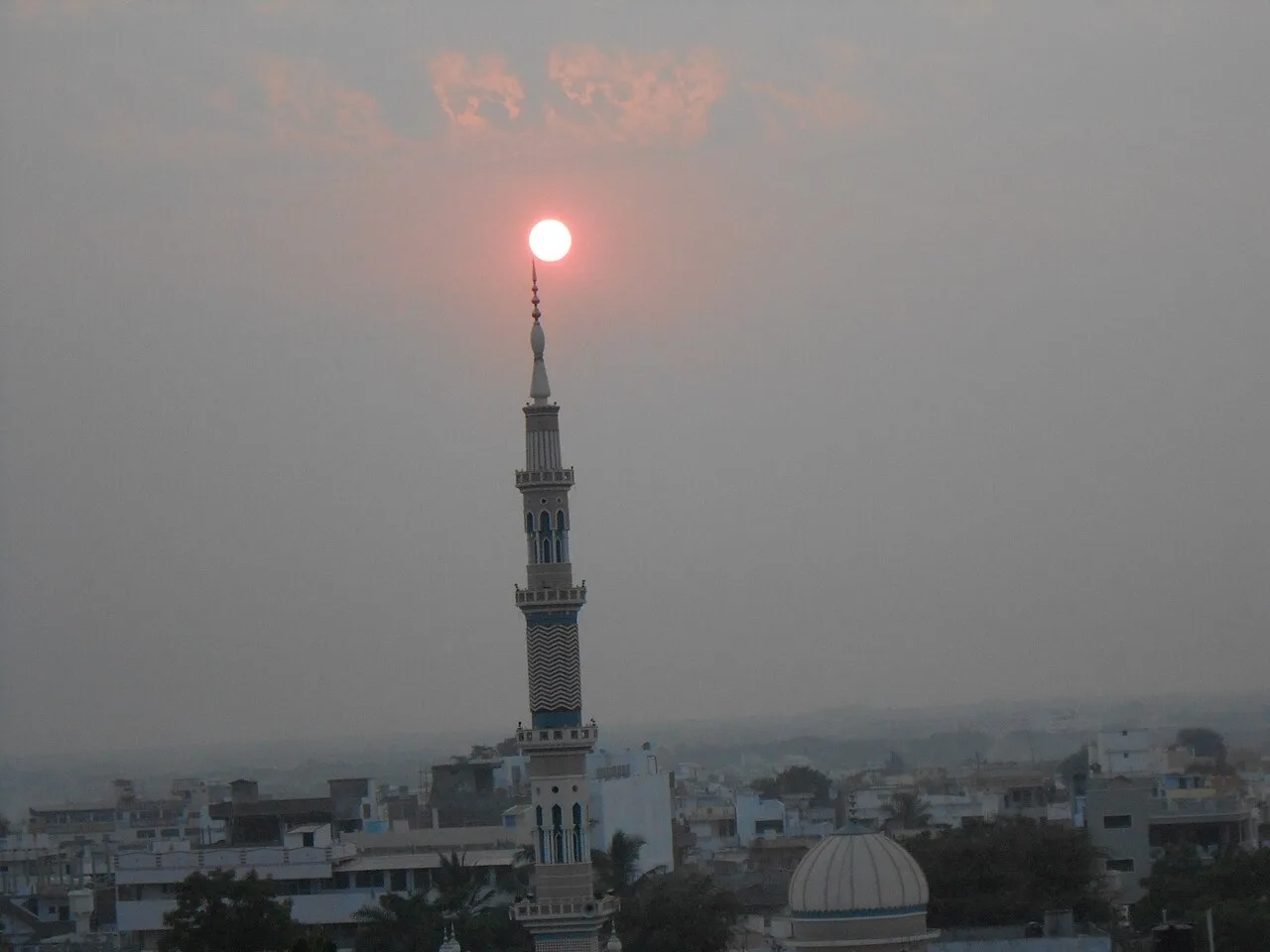
District · Telangana
Khammam
Khammam offers a compact introduction to Telangana’s historic towns and cultivated river plains.
Khammam district in Telangana combines agricultural plains, riverine stretches and rocky hills with a lively urban centre. The Munneru River is an important feature of the district’s landscape, while villages and cultivated fields shape much of its rural character. Khammam Fort, rising above the city, has a history extending over a thousand years and offers a starting point for understanding the area’s layered past. Nelakondapalli, also written Nelakondapally, adds a different historical dimension through its Buddhist archaeological remains. Together, these places connect the district’s defensive and religious heritage. Khammam city makes a practical base for exploring both, with markets and everyday town life complementing the principal historic sights.
Khammam offers a compact introduction to Telangana’s historic towns and cultivated river plains. The district is best known for Khammam Fort, which overlooks the city, and the Buddhist archaeological remains at Nelakondapalli. Together, these sites reveal different strands of the region’s past, while Khammam city provides markets, transport links and a practical base. The Munneru River and surrounding agricultural countryside add a rural dimension to a visit. Travellers interested in history, local town life and short excursions can explore the district at an unhurried pace, using the city as a starting point for both principal sights.
Nelakondapalli’s Buddhist remains point to the region’s importance in early religious and settlement history. Khammam Fort is associated with the Kakatiya period; it was later held and developed under subsequent powers, including the Qutb Shahi rulers. The wider area came under the Hyderabad State ruled by the Nizams. During the colonial era, Hyderabad remained a princely state under British paramountcy rather than being directly administered as a British province. Following the integration of Hyderabad State into the Indian Union in 1948, the region entered a new administrative period. Khammam district was formed in 1953 from parts of the former Warangal district. In 1956 it became part of Andhra Pradesh, and in 2014 it joined the newly formed state of Telangana. Administrative boundaries changed again in 2016, when Telangana’s districts were reorganised and Khammam district became smaller. These successive political changes sit alongside older religious and defensive histories that visitors encounter at the district’s principal heritage sites.
2 destination guides
Khammam Fort
Khammam Fort is a historic hill stronghold in Telangana, associated with Kakatiya-era origins and successive regional rulers. Visitors come to explore its long political history and granite construction.
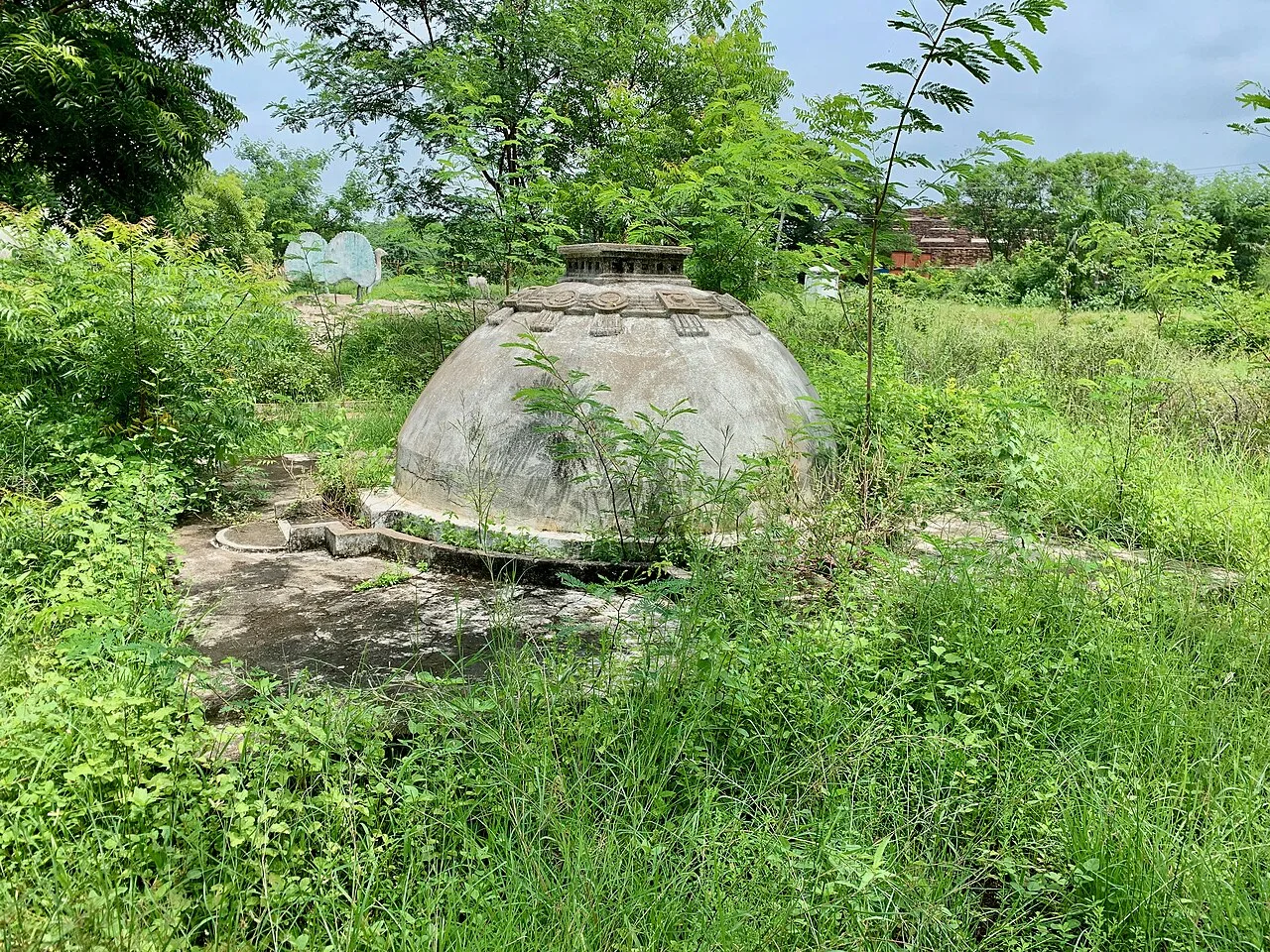
Nelakondapalli Buddhist Site
Nelakondapalli Buddhist Site is an archaeological area in Khammam district, Telangana, visited for its remains linked to early Buddhism and Hinduism, including a stupa and carved artwork.
Food in Khammam draws on the wider Telangana tradition of rice meals, spicy curries, pachadi and hearty village cooking. Regional dishes to look for include sarva pindi, a savoury rice-flour pancake, jonna rotte made from sorghum, and natu kodi, or country chicken curry. Sakinalu is a festive snack associated especially with Sankranti. Biryani, Irani chai and sweets such as double ka meetha belong to the wider regional food culture rather than being specialities unique to Khammam. Haleem is particularly associated with Ramzan. At small eateries, ask what has been freshly prepared, since daily menus may be limited.
For craft context, look to Telangana’s wider handloom and folk-art traditions rather than assuming every item sold in Khammam is locally made. Pochampally ikat, woven elsewhere in the state, is known for patterns created by resist-dyeing yarn before weaving. Cheriyal painting, also associated with another part of Telangana, uses narrative scenes rooted in storytelling traditions. These are regional reference points, not documented Khammam specialities. When browsing textile or handicraft shops, ask where an item was produced and whether it is handmade; availability will vary.
Bathukamma, celebrated in the autumn, is an important Telangana festival, and its flower displays and community gatherings are visible in towns and villages. Dasara, Diwali, Sankranti in midwinter and Ugadi in spring are also observed, alongside Eid and Christmas. Local temple celebrations and fairs may draw visitors from surrounding villages, though dates and scale vary by place. Larger festival periods can make transport busier and reduce room availability in Khammam city, especially around Sankranti and major local events. Check locally before travelling if your plans depend on a particular celebration.
Khammam’s landscape includes cultivated plains, village fields, rocky rises and riverine stretches. The Munneru, a tributary of the Krishna, is a notable feature, while the fort’s hilltop setting gives the city a rugged edge. Agricultural land shapes much of the countryside and the views on journeys between settlements. Roads are the practical way to reach the district’s sights; rural stretches may be slower than travel within the city. During and after heavy monsoon rain, river crossings and low-lying roads can be affected, so check local conditions before setting out.
Summer is generally hot, so outdoor visits are more comfortable early or later in the day. The monsoon usually brings rain from around June into September, which can make rural roads and outdoor heritage sites less convenient. Winter, broadly from November to February, is usually the most comfortable season for sightseeing. October to February is a good period to plan a visit, while the changing monsoon conditions call for flexibility. Pack light, breathable clothing and sun protection in warm months; bring a rain layer during the monsoon and a light extra layer for cooler winter mornings. Carry water on excursions.
Khammam railway station is the main rail access point for the city and a useful arrival point for visiting Khammam Fort and Nelakondapalli. Vijayawada Airport at Gannavaram is the nearest airport identified in the destination guides; Hyderabad’s Rajiv Gandhi International Airport is another option for onward road or rail travel. Road connections link Khammam with Hyderabad, Vijayawada and Warangal. Buses provide intercity and regional travel, while auto-rickshaws and taxis are useful within the city. For Nelakondapalli, enquire about local buses or arrange a car, including the return journey. Check current services locally.
Khammam city is the main local transport hub. Buses connect it with regional towns and larger centres, while auto-rickshaws are useful for shorter journeys within the city. Taxis or a hired car offer more flexibility for visiting Nelakondapalli and returning to Khammam, particularly when local bus services are inconvenient. Ask locally about current bus or shared-vehicle options before relying on them, as rural services may be less frequent. There is no need to plan a boat journey for the district’s listed sights. Confirm road conditions and the return ride before leaving the city.
2 days: Khammam Fort → Nelakondapalli Buddhist Site; sleep in Khammam city after day one. 3 days: Khammam Fort → Nelakondapalli Buddhist Site; sleep in Khammam city after each of the first two days for a slower visit.
Khammam city is the most practical base for both listed destinations, with a broader choice of ordinary hotels and guest accommodation than smaller settlements. It suits travellers arriving by train and those planning a road excursion to Nelakondapalli. Accommodation in smaller towns and villages may be limited, so confirm availability before making them an overnight stop. Homestays, government lodges and dharamshalas may be available in the wider region, but options and access vary; check directly rather than assuming they are near a particular site.
At Khammam Fort, expect an uneven hillside setting and take care on steps and rocky surfaces; wear suitable footwear and avoid rushing, especially after rain. Carry drinking water and sun protection, and plan rural outings with enough daylight for the return journey. Monsoon showers can affect roads and low-lying areas, so check conditions locally. Traffic and crowds increase around festivals. Mobile connectivity may be weaker outside the city, and Khammam has more services than rural areas. Ask locally about current site access and any restrictions; confirm any permit requirement with the relevant official authority before travel.
- Mahabubabadabout 41 km
- Suryapetabout 49 km
- NTR · Andhra Pradeshabout 92 km
- Jangaonabout 95 km
- Nalgondaabout 101 km
- Warangalabout 101 km
- Guntur · Andhra Pradeshabout 104 km
- Palnadu · Andhra Pradeshabout 106 km
Straight-line distance between the centres of each district's destinations; road distance is longer.
All districts of Telangana
- Adilabad
- Bhadradri Kothagudem
- Hanamkonda
- Hyderabad
- Jagtial
- Jangaon
- Jayashankar Bhupalpally
- Jogulamba Gadwal
- Kamareddy
- Karimnagar
- Kumuram Bheem Asifabad
- Mahabubabad
- Mahabubnagar
- Mancherial
- Medak
- Medchal–Malkajgiri
- Mulugu
- Nagarkurnool
- Nalgonda
- Narayanpet
- Nirmal
- Nizamabad
- Rajanna Sircilla
- Ranga Reddy
- Sangareddy
- Siddipet
- Suryapet
- Wanaparthy
- Warangal
- Yadadri Bhuvanagiri
Q: How many days should I spend in Khammam district? A: Two days can cover Khammam Fort and Nelakondapalli at a steady pace; allow a third day for a more relaxed schedule. Q: What is the best time to visit? A: October to February is generally the most comfortable period for sightseeing. Q: Where is the best base? A: Khammam city is the most practical base, with transport links and a wider choice of accommodation. Q: How do I get to Khammam? A: Khammam railway station is the main rail access point. Road connections and buses link the city with regional centres; Vijayawada and Hyderabad airports are options for onward travel. Q: Is Khammam suitable for families or elderly travellers? A: Yes, with planning. The city is convenient, but the fort’s uneven hillside approach may be challenging for some visitors; assess mobility needs and take breaks.
This page draws on our 2 destination guides for Khammam and is updated as our team checks it.
Be the first to share photos, stories, advice or a helpful contact for Khammam.
Loading…