
District · Telangana
Medak
Medak offers a compact introduction to north-western Telangana, where historic landmarks, religious life and rural landscapes sit within reach of Hyderabad.
Medak district lies on the Deccan plateau in north-western Telangana, within reach of Hyderabad. Its landscape includes dry farming country, rocky uplands, reservoirs and pockets of woodland. The district’s best-known sights reflect several strands of its past and present: Medak Fort recalls the region’s historic strategic importance, while Medak Cathedral is a landmark of the Church of South India. Edupayala Vana Durga Bhavani Temple draws worshippers, and Pocharam Wildlife Sanctuary offers a change of pace among forest and lake habitats. Medak town is the district’s principal centre, but settlements and attractions are spread across a largely rural area. The character here is a blend of religious life, agricultural communities and heritage sites.
Medak offers a compact introduction to north-western Telangana, where historic landmarks, religious life and rural landscapes sit within reach of Hyderabad. The district is best known for Medak Fort and Medak Cathedral, two very different landmarks that reflect its layered heritage. Edupayala Vana Durga Bhavani Temple is an important place of worship, while Pocharam Wildlife Sanctuary brings visitors into woodland and lake country. Beyond these sights, the district’s agricultural settlements and rocky Deccan terrain give journeys between attractions a distinctly rural character. Medak town makes a practical base for exploring, though some destinations require road travel beyond the town.
Medak’s recorded past is associated with several powers that ruled the Deccan. The region came under the Kakatiyas, whose period of influence is linked to Medak Fort; the fort was later used and altered by subsequent rulers. Control of the wider area shifted through the Deccan’s changing sultanates, including the Qutb Shahi kingdom, and later the Asaf Jahi Nizams of Hyderabad. Under the Nizams, Medak formed part of Hyderabad State rather than a directly administered British province, although the state operated under British paramountcy during the colonial era. The cathedral at Medak reflects the growth of Christian institutions in the region and became the cathedral of the Diocese of Medak in 1947. After Hyderabad State joined the Indian Union, the area was administered within the former state of Andhra Pradesh and then Telangana, formed in 2014. The present Medak district was created in 2016 during Telangana’s district reorganisation, when the much larger former district was divided.
4 destination guides · 3 on the map
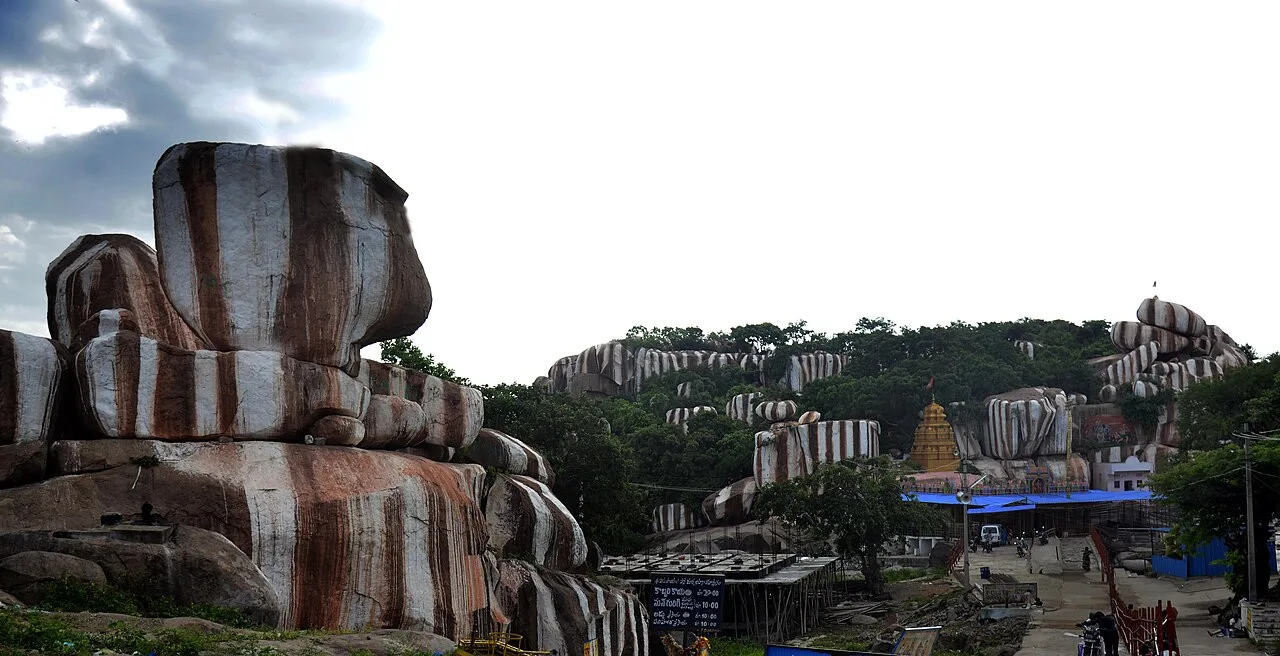
Edupayala Vana Durga Bhavani Temple
Edupayala Vana Durga Bhavani Temple is a sacred religious site in Medak district, Telangana. People visit in connection with its temple character and religious significance.
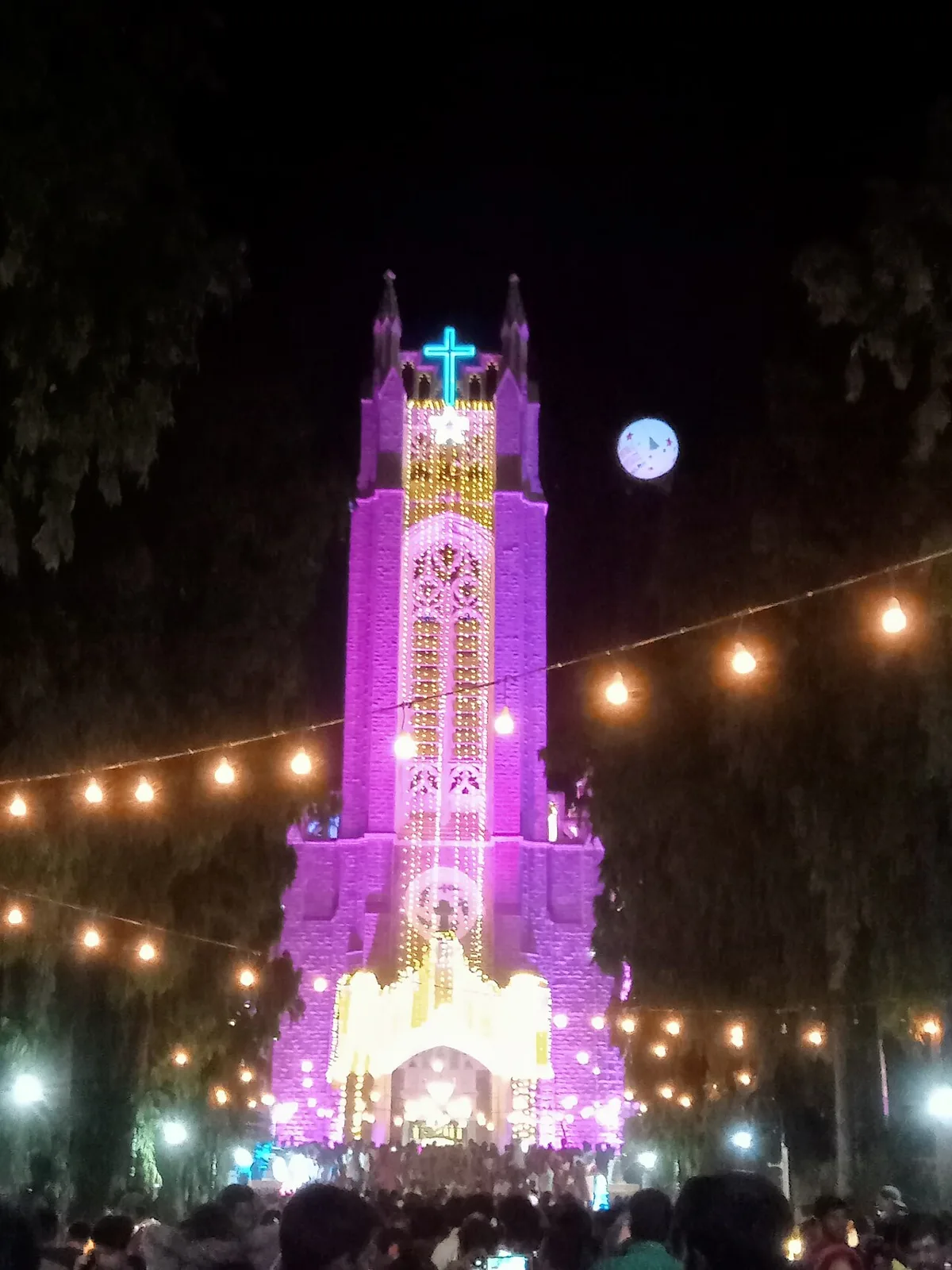
Medak Cathedral
Medak Cathedral is a major church in Telangana, recognised among India’s largest. Visitors come to see its scale and its longstanding role as the cathedral for the Diocese of Medak.
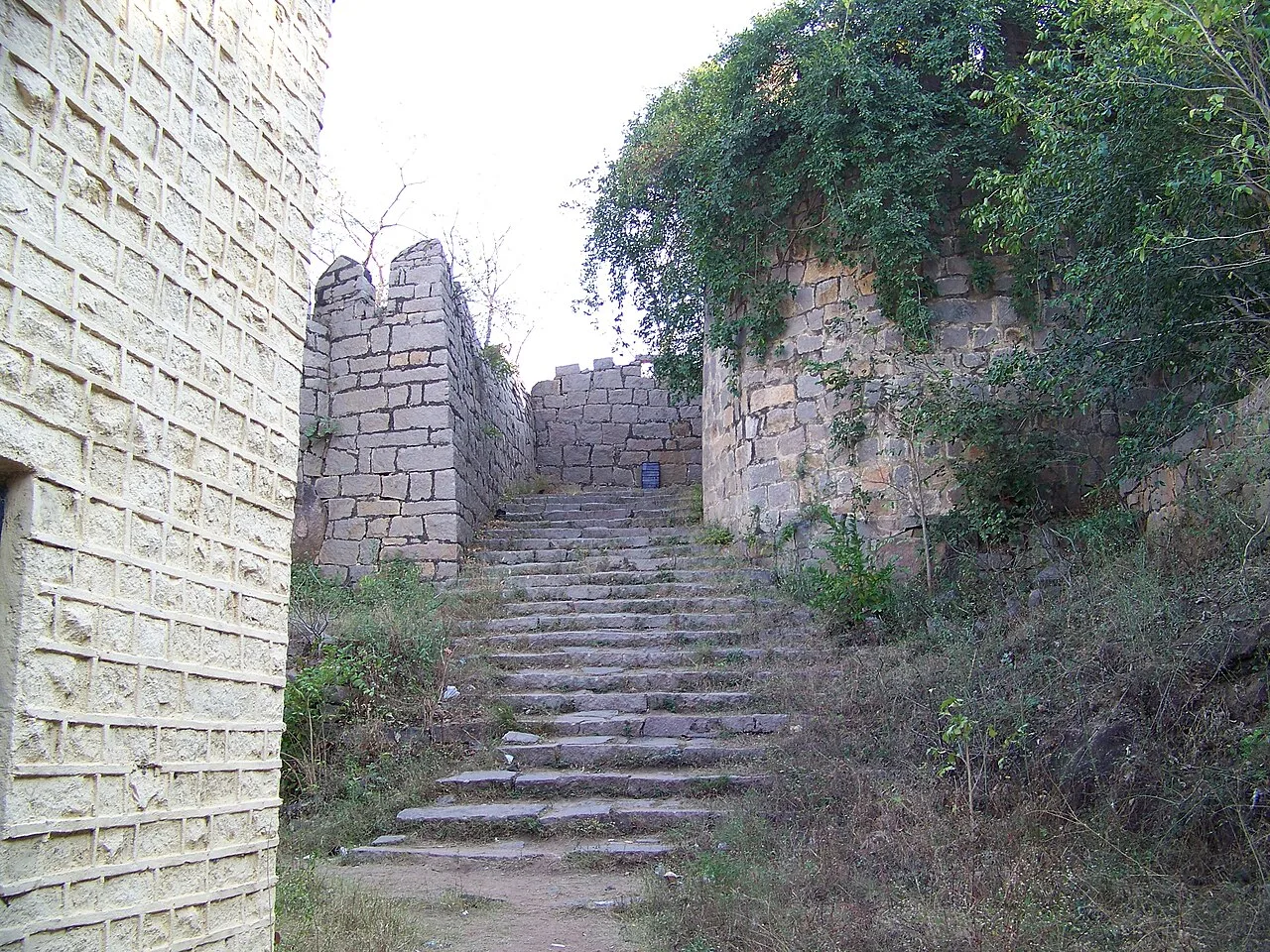
Medak Fort
This hilltop stronghold in Telangana’s Medak district reflects the history of several medieval powers. Visitors come to see its historic citadel and three named gateways.
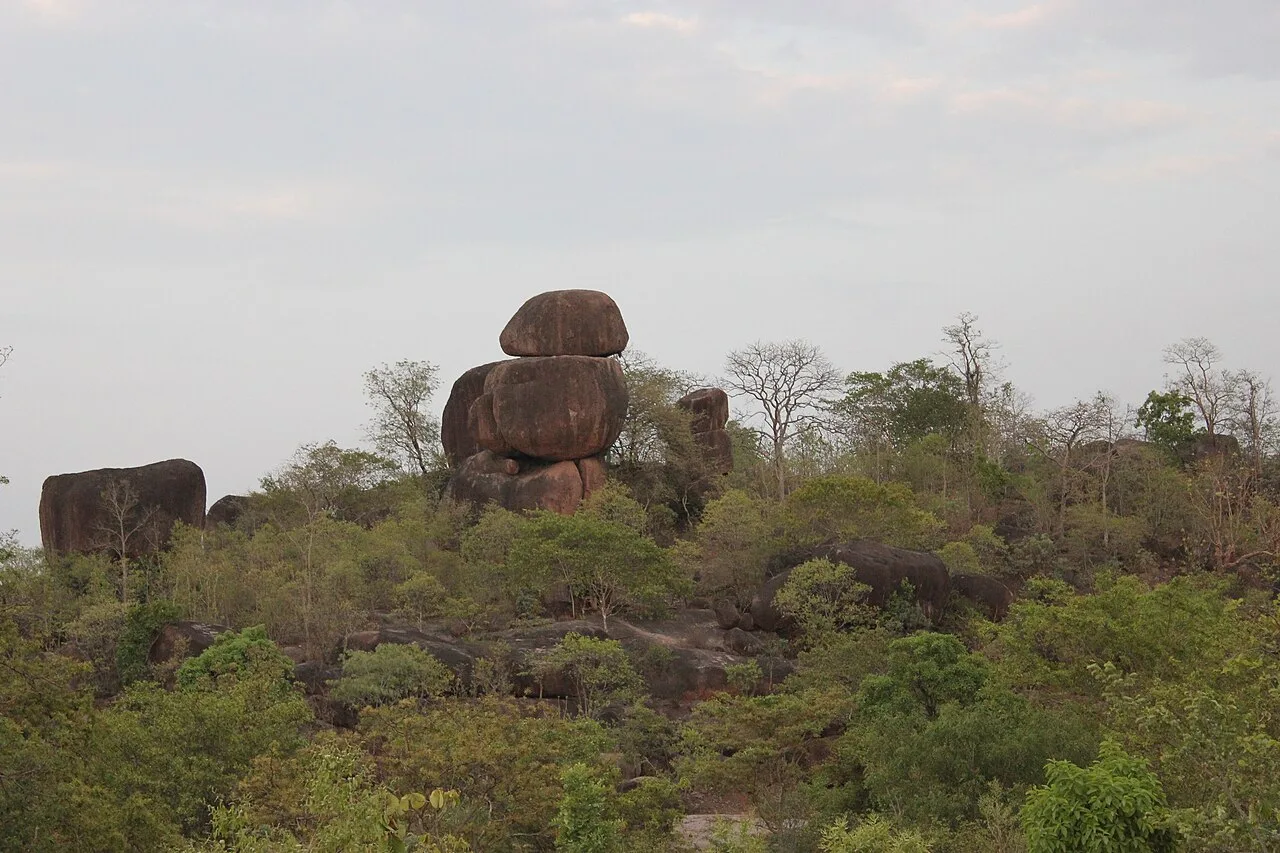
Pocharam Wildlife Sanctuary
Pocharam Wildlife Sanctuary is a forest reserve across Medak and Kamareddy districts in Telangana, attracting visitors with its bird and mammal life and ecotourism centre.
Medak’s everyday food belongs to the wider Telangana tradition, with rice and millets, lentils, seasonal vegetables and boldly seasoned chutneys. Look for jonna rotte (sorghum flatbread) with pachadi, sarva pindi (a savoury pan-cooked rice-flour preparation) and, where available, natu kodi curry. Sakinalu, a crisp rice-flour snack, is especially associated with the Sankranti season across Telangana. Small local eateries may offer a limited menu based on what is fresh that day, so it is worth asking what has been prepared. Hyderabadi biryani, haleem and Irani chai are regional favourites, though more closely associated with Hyderabad than Medak.
No single craft is widely established as distinctive to Medak district. Telangana’s broader craft traditions include handloom weaving, pottery, metalwork and painted or embroidered textiles, with particular styles often tied to other towns and districts. Pochampally ikat, Gadwal weaving and Cheriyal scroll painting are examples from the wider state, rather than crafts to present as uniquely Medak’s. In Medak, visitors may find locally made household goods and textiles through markets, but availability varies. Ask sellers about where an item was made and how it was produced; this helps distinguish local work from goods brought in from elsewhere.
The Edupayala Vana Durga Bhavani Temple is associated with an annual jatara held around Maha Shivaratri, usually in February or March. It draws large numbers of pilgrims, making the temple area and nearby roads busier and local rooms harder to secure. Bonalu, Bathukamma, Dasara and Sankranti are also observed in the district as part of Telangana’s wider festival calendar, with celebrations varying between communities and villages. Visitors planning around a major temple gathering should arrange their stay in advance and expect slower travel near the event.
Medak lies on the Deccan plateau, with dry farming plains broken by rocky uplands, low hills and scattered woodland. The Manjeera river system and reservoirs shape parts of the district, including the lake and forest habitat around Pocharam Wildlife Sanctuary. At Edupayala, streams converge in a setting closely associated with the temple. These features make the district varied but spread out: travel is mainly by road, and reaching forest, reservoir or rural sites may involve quieter roads and limited services. The landscape is generally open and exposed outside wooded areas.
Medak has hot summers, a monsoon season and milder, drier winters. Summer heat can make midday visits tiring, particularly at exposed sites such as the fort, so plan outdoor activity for cooler parts of the day and carry water and sun protection. Monsoon weather brings greener scenery but can also make rural roads slower or less predictable. The cooler months, broadly from late autumn into early spring, are generally the most comfortable time to visit. Pack light clothing for warm days, a layer for cooler evenings in winter, sturdy walking shoes and rain protection if travelling during the monsoon.
Rajiv Gandhi International Airport in Hyderabad is the main air gateway for Medak district. For Medak town, Kamareddy is a nearby principal railway station; rail options and the best station can vary by destination within the district. Medak is reached by road from Hyderabad and other Telangana towns, with state buses and private vehicles serving the area. Buses, autorickshaws and taxis are useful for getting around Medak town, while a taxi or other arranged vehicle can make visits to sites outside town more convenient. Services to rural attractions may be limited, so check current services locally.
Road travel is the practical way to link Medak town with the cathedral, fort, Edupayala temple and Pocharam Wildlife Sanctuary. State buses connect Medak with other towns, but services to rural attractions may be infrequent or may not reach the site entrance. Local buses, autorickshaws and shared vehicles can help within and around larger settlements; a taxi or pre-arranged vehicle is more flexible for a multi-stop day. Confirm return transport before setting out, especially for sanctuary visits. Roads can be slower in the monsoon, and local conditions and services are best checked shortly before travel.
2 days: Medak Cathedral → Medak Fort → Edupayala Vana Durga Bhavani Temple; sleep in Medak town on night 1. 3 days: Medak Cathedral → Medak Fort → Pocharam Wildlife Sanctuary → Edupayala Vana Durga Bhavani Temple; sleep in Medak town on nights 1 and 2.
Medak town is the most practical base for visiting the cathedral and fort, and it also works for day trips to Edupayala and Pocharam. Visitors can usually find basic hotels and guest accommodation in or near the town; choices may be more limited in smaller settlements. Homestays, government lodges or dharamshalas may be available in some areas, but availability and standards vary, so confirm directly before relying on them. Staying in Medak town for the full circuit avoids needing to find rooms close to rural attractions.
Carry drinking water, sun protection and any personal medicines, as services can be limited outside Medak town. Fort paths and rocky ground may be uneven, and monsoon rain can affect walking and rural road conditions. At Pocharam, keep to visitor areas, follow sanctuary staff guidance and do not approach or feed wildlife. Mobile connectivity may be patchy in rural or wooded areas; let someone know your plans and arrange return transport in advance. Temple gatherings can bring crowds and traffic. Check current access rules with official local or sanctuary authorities before visiting; do not assume a permit is or is not required.
- Kamareddyabout 30 km
- Sangareddyabout 48 km
- Nizamabadabout 50 km
- Medchal–Malkajgiriabout 59 km
- Siddipetabout 73 km
- Bidar · Karnatakaabout 78 km
- Hyderabadabout 79 km
- Rajanna Sircillaabout 81 km
Straight-line distance between the centres of each district's destinations; road distance is longer.
All districts of Telangana
- Adilabad
- Bhadradri Kothagudem
- Hanamkonda
- Hyderabad
- Jagtial
- Jangaon
- Jayashankar Bhupalpally
- Jogulamba Gadwal
- Kamareddy
- Karimnagar
- Khammam
- Kumuram Bheem Asifabad
- Mahabubabad
- Mahabubnagar
- Mancherial
- Medchal–Malkajgiri
- Mulugu
- Nagarkurnool
- Nalgonda
- Narayanpet
- Nirmal
- Nizamabad
- Rajanna Sircilla
- Ranga Reddy
- Sangareddy
- Siddipet
- Suryapet
- Wanaparthy
- Warangal
- Yadadri Bhuvanagiri
Q: How many days should I spend in Medak district? A: Two days can cover the main town sights and one nearby excursion; allow three days for a more relaxed visit including the sanctuary and temple. Q: When is the best time to visit? A: The cooler months from late autumn into early spring are generally most comfortable for sightseeing. Q: What is the best base for exploring? A: Medak town is the most practical base, with services and road access for day trips. Q: How do I get to Medak? A: Hyderabad is the main air gateway. For Medak town, Kamareddy is a nearby principal railway station; continue by road and check current connections for your destination. Q: Is Medak suitable for families or elderly travellers? A: Yes, with planning. The cathedral and town sights are accessible by road, but uneven fort paths, heat and longer rural journeys may require extra care.
This page draws on our 4 destination guides for Medak and is updated as our team checks it.
Be the first to share photos, stories, advice or a helpful contact for Medak.
Loading…