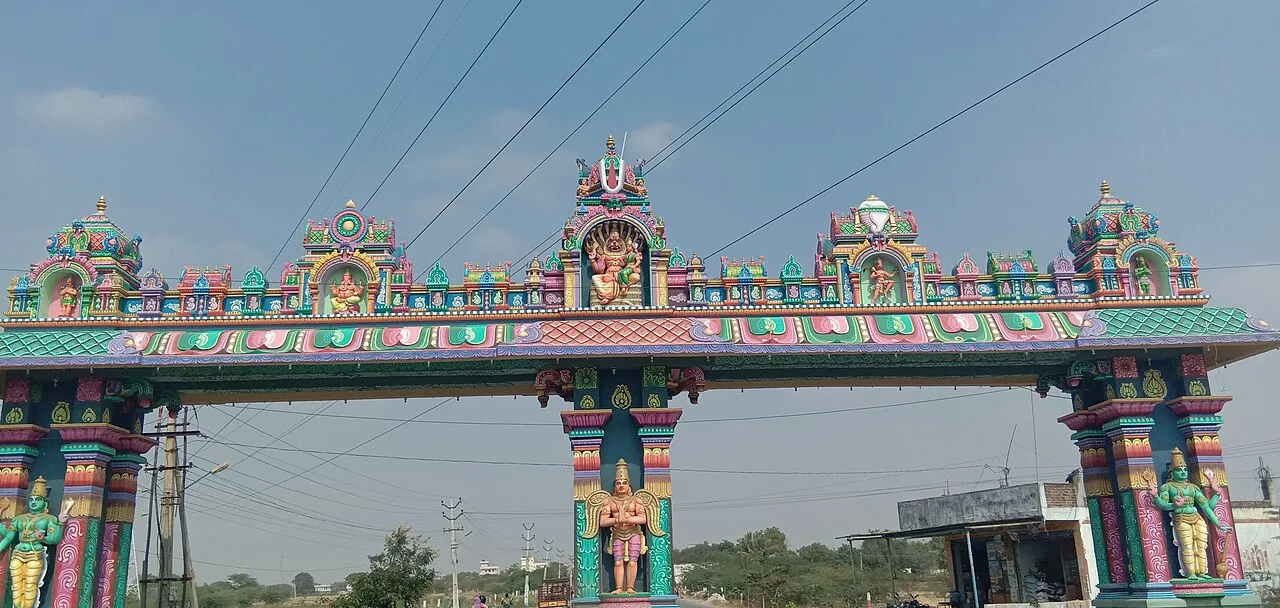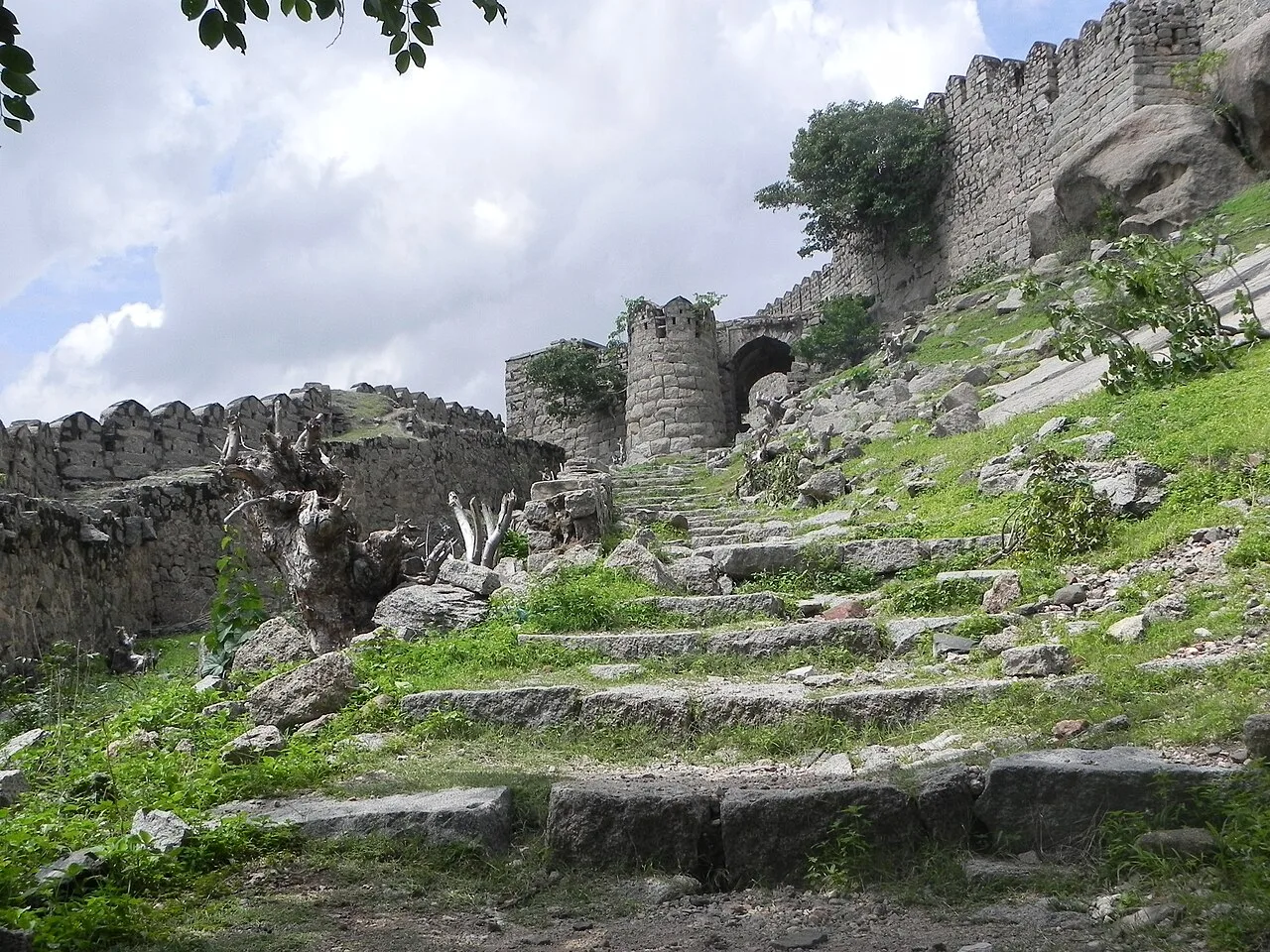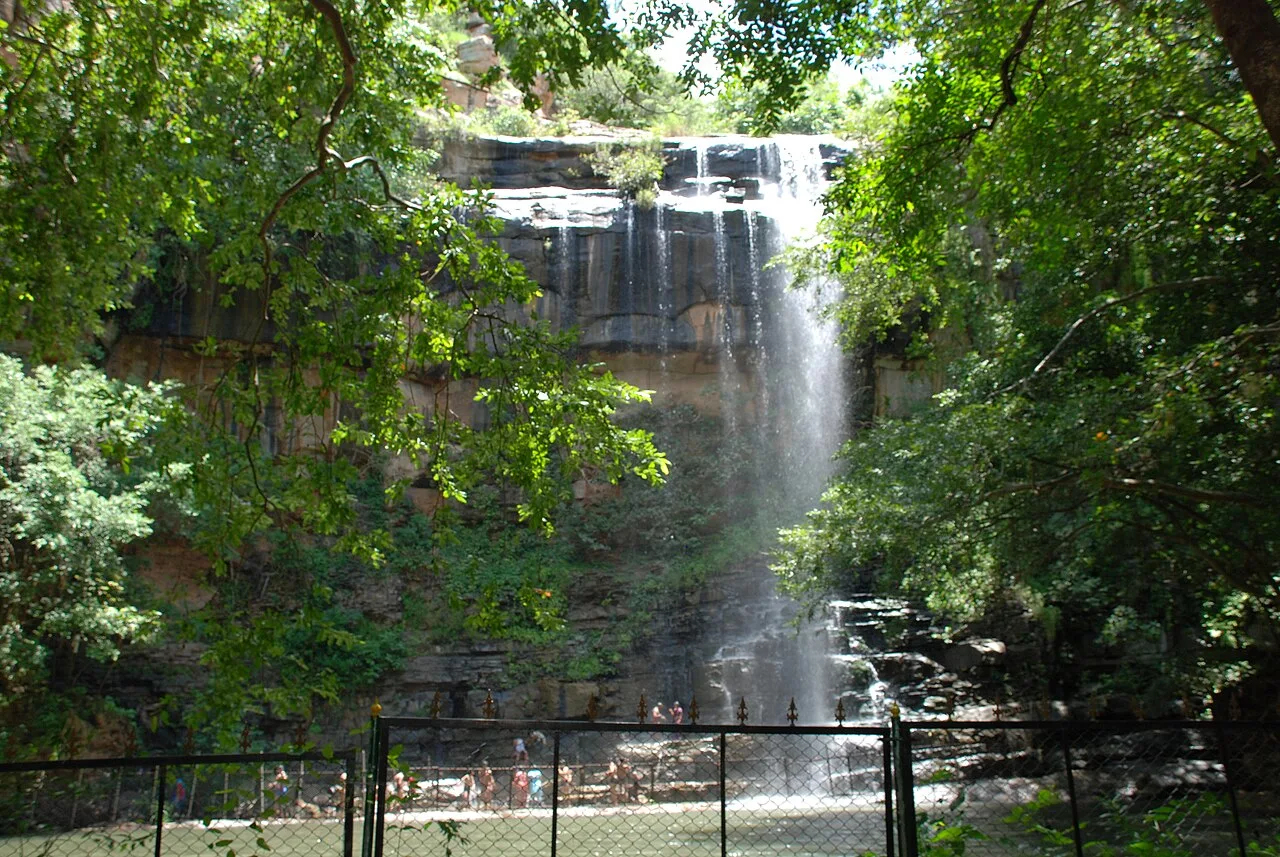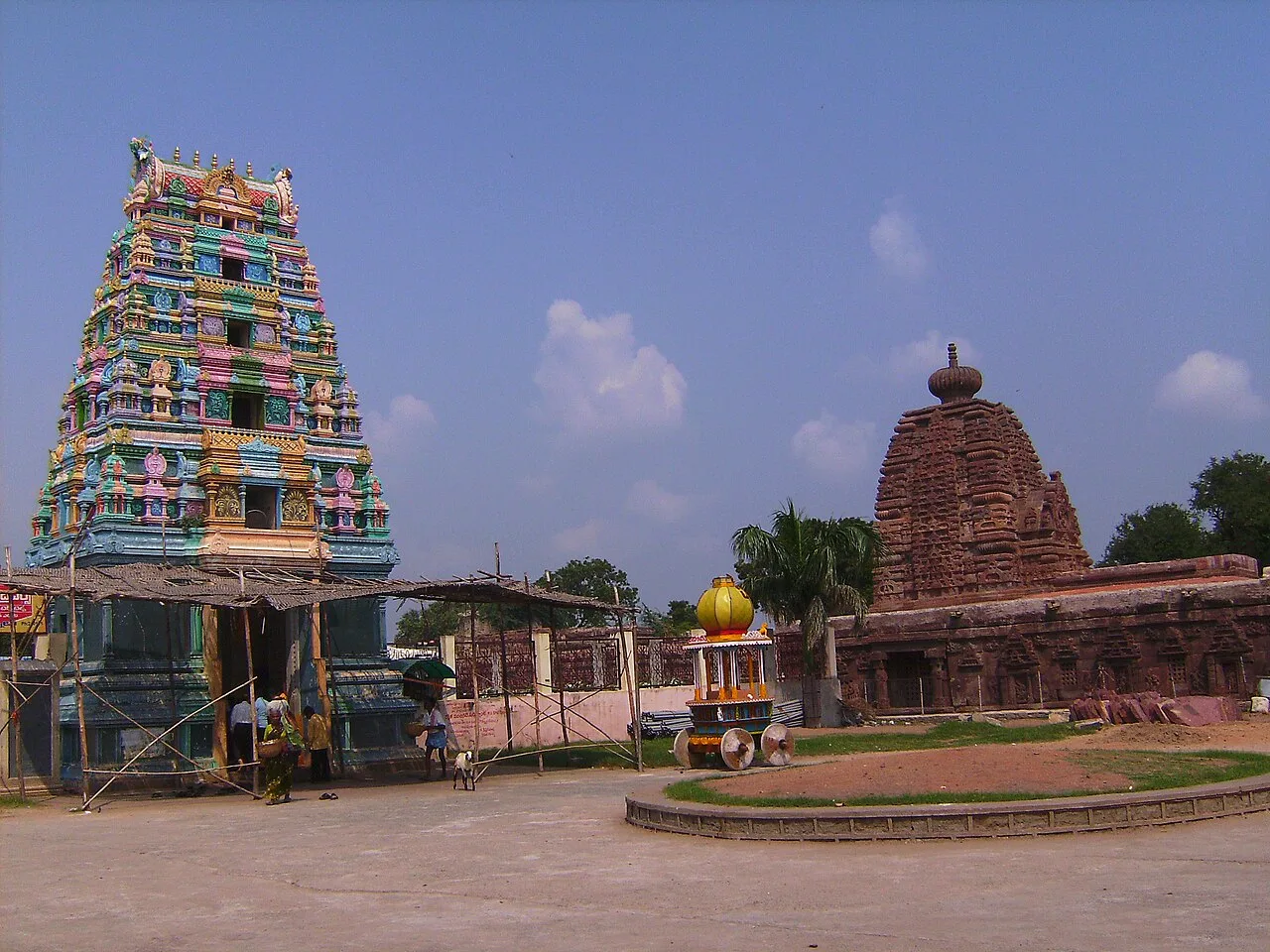
Ghumoopedia — Explore, Discover, Experience
Sign in
Amrabad Tiger Reserve, Telangana

State · South India

Telangana

Charminar, Golconda, Kakatiya temples and the Deccan plateau.

Capital
Hyderabad
Districts
31
Destinations
84
Plan a trip in Telangana

Overview

Understanding Telangana

Culture

Pochampally ikat and Perini dance.

Food

  • Hyderabadi biryani
  • Sarva pindi

Festivals

  • Bathukamma
  • Bonalu
  • Sammakka Saralamma Jatara

Experiences here

  • Heritage
  • Spiritual
  • Tribal
  • Festivals

Verified by the Ghumoopedia editorial team on 21 Nov 2026. Written and reviewed by Ghumoopedia's editors. Timings, fees and permits can change, so check them with the managing authority shortly before you travel.

The complete guide

Telangana: a traveller's guide

Why visit

Telangana rewards travellers who enjoy contrasts: the crowded lanes and landmark architecture of Hyderabad sit alongside quiet temple towns, forested hills, reservoirs and historic forts. The state’s identity is shaped by the Deccan plateau, the legacies of the Kakatiyas and the Nizams, and a lively contemporary culture. Charminar, Golconda Fort and the Salar Jung Museum make Hyderabad a rich destination for architecture, history and urban exploration, while Ramappa Temple and Warangal Fort reveal the region’s medieval heritage. Smaller towns and rural districts offer a slower pace, from Pochampally’s ikat weaving to the sacred sites of Basar and Yadadri.

Trips can be tailored to different interests: combine monuments and markets with Hyderabadi food, plan a heritage circuit through Warangal and its temples, or seek out waterfalls, wildlife and lakes in the north and east. Pilgrimage routes include Jogulamba Temple, Kondagattu Anjaneya Temple and Mattapalli Narasimha Temple. Seasonal festivals add another dimension, especially Bathukamma and Bonalu. Telangana suits both a short city break and a longer journey linking historic places, craft centres and countryside.
Landscape & climate

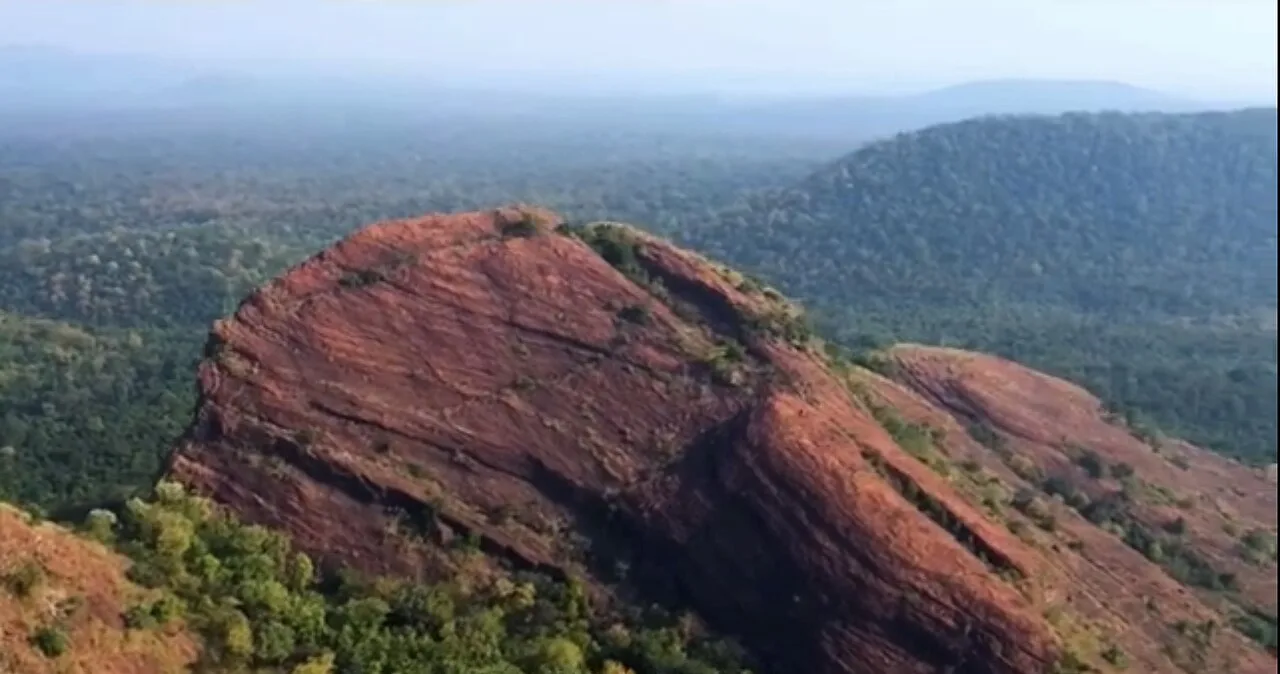
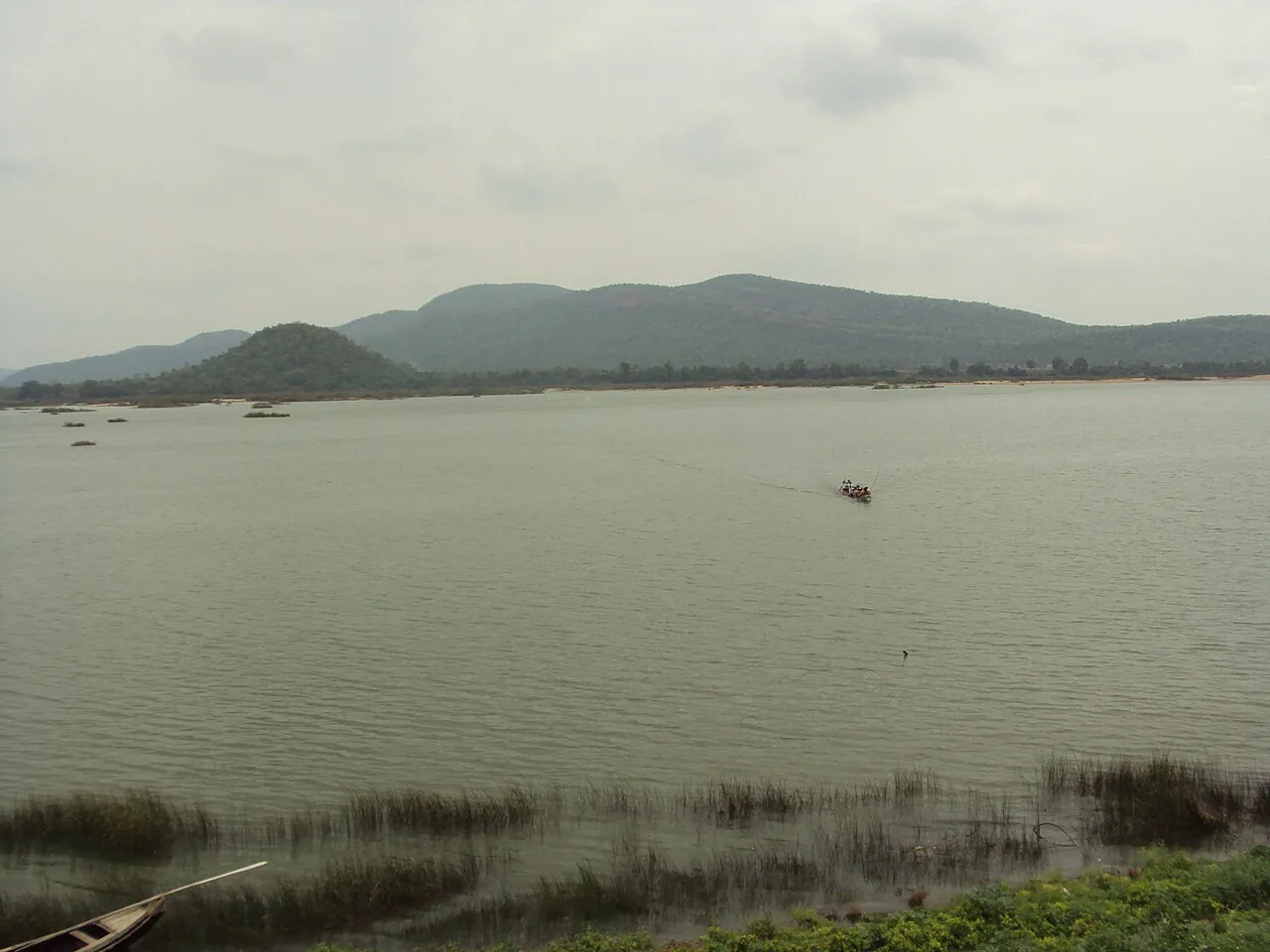
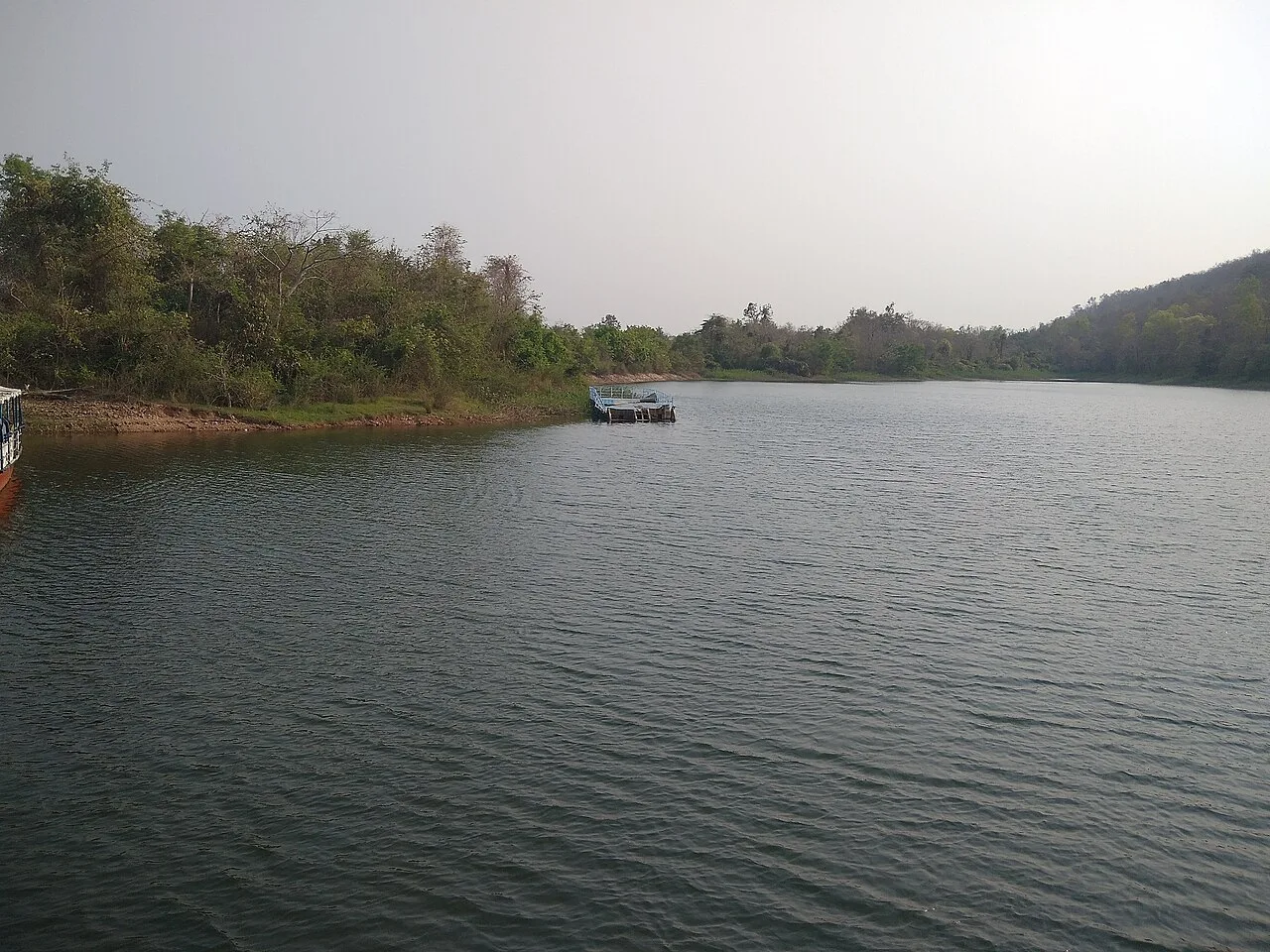
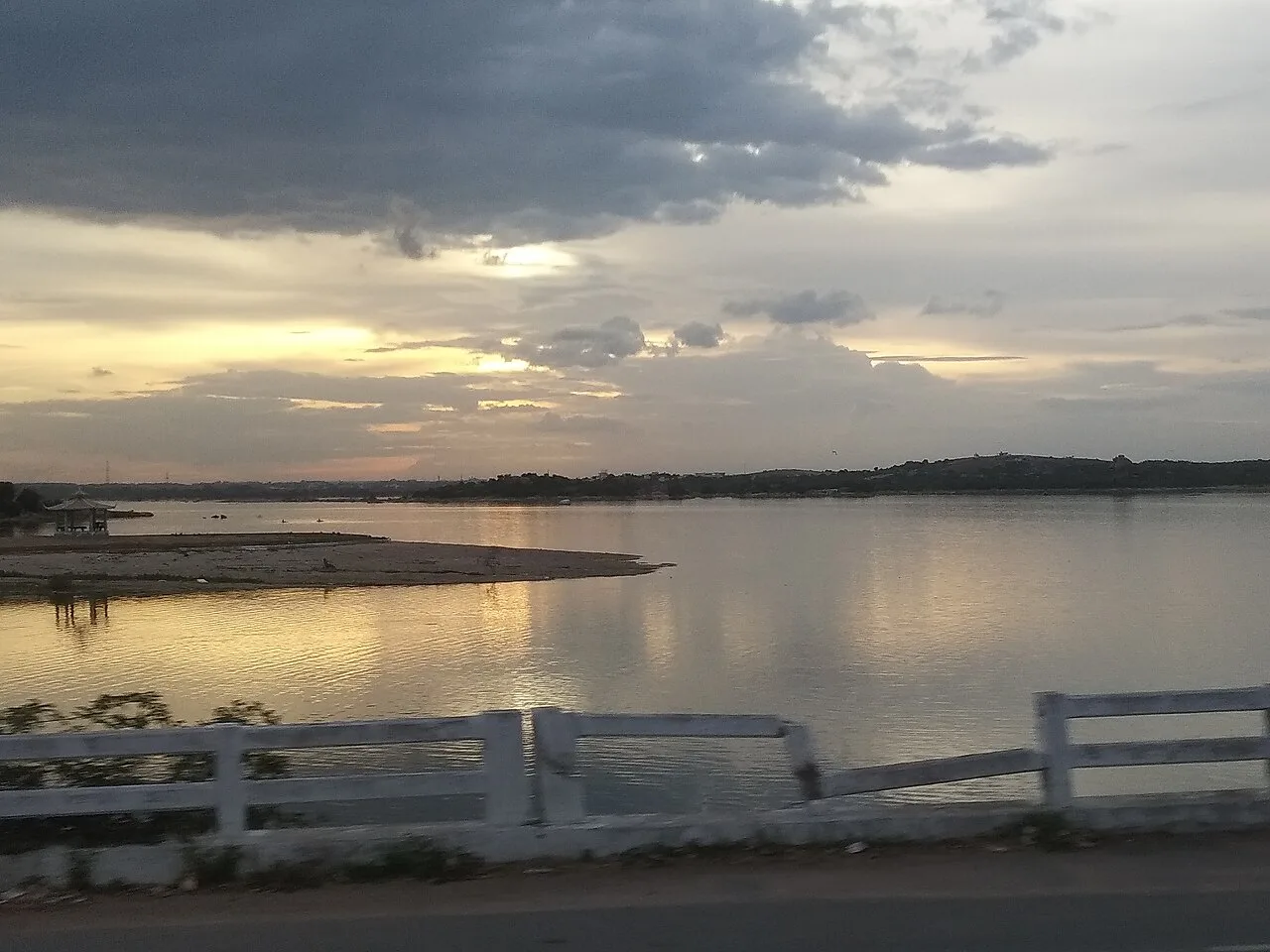
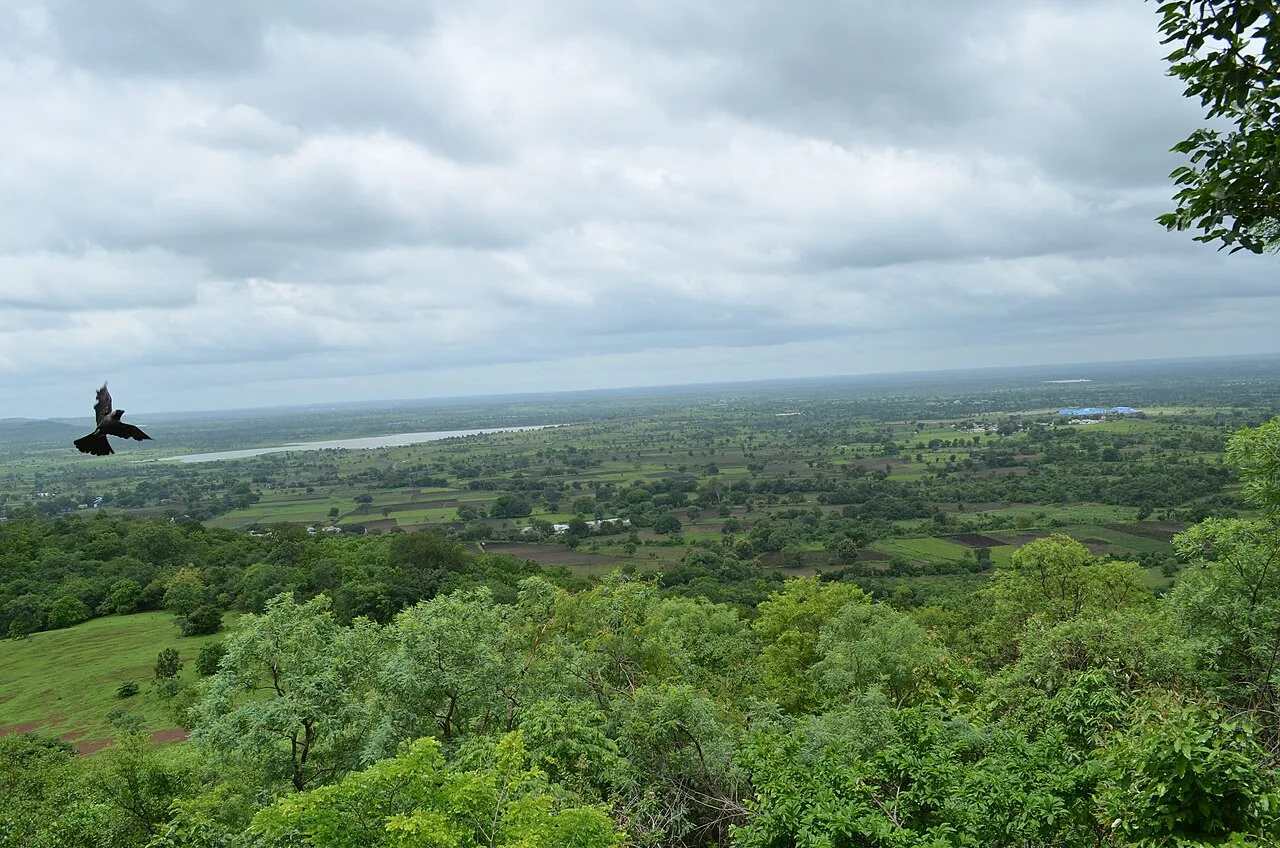
Telangana lies on the elevated Deccan plateau and is landlocked, with no coastline. Much of the state is gently undulating terrain, with rocky outcrops, broad agricultural plains and seasonal streams. The Godavari crosses the north and east, while the Krishna forms part of the southern boundary; tributaries such as the Manjira and Musi feed reservoirs and river valleys. Hussain Sagar, Osman Sagar and Lower Manair Dam are among the waterscapes that also serve urban and regional communities. The plateau’s red and black soils support crops including cotton, rice and millets, though land use varies with rainfall and irrigation.

Forested areas are more extensive in parts of the north and east, including around Adilabad, Mulugu and Bhadradri Kothagudem. The Nallamala forest reaches into the south, where Mallela Theertham lies amid wooded hills. Ananthagiri Hills offer a greener, higher landscape near Vikarabad, while Kuntala, Pochera and Bogatha waterfalls are most impressive when seasonal flows are strong. Telangana has a hot climate for much of the year: summers are commonly very warm, the southwest monsoon brings most rainfall from roughly June to September, and winters are generally drier and milder. Rainfall and waterfall conditions vary from year to year, so check local conditions before setting out.

History & heritage

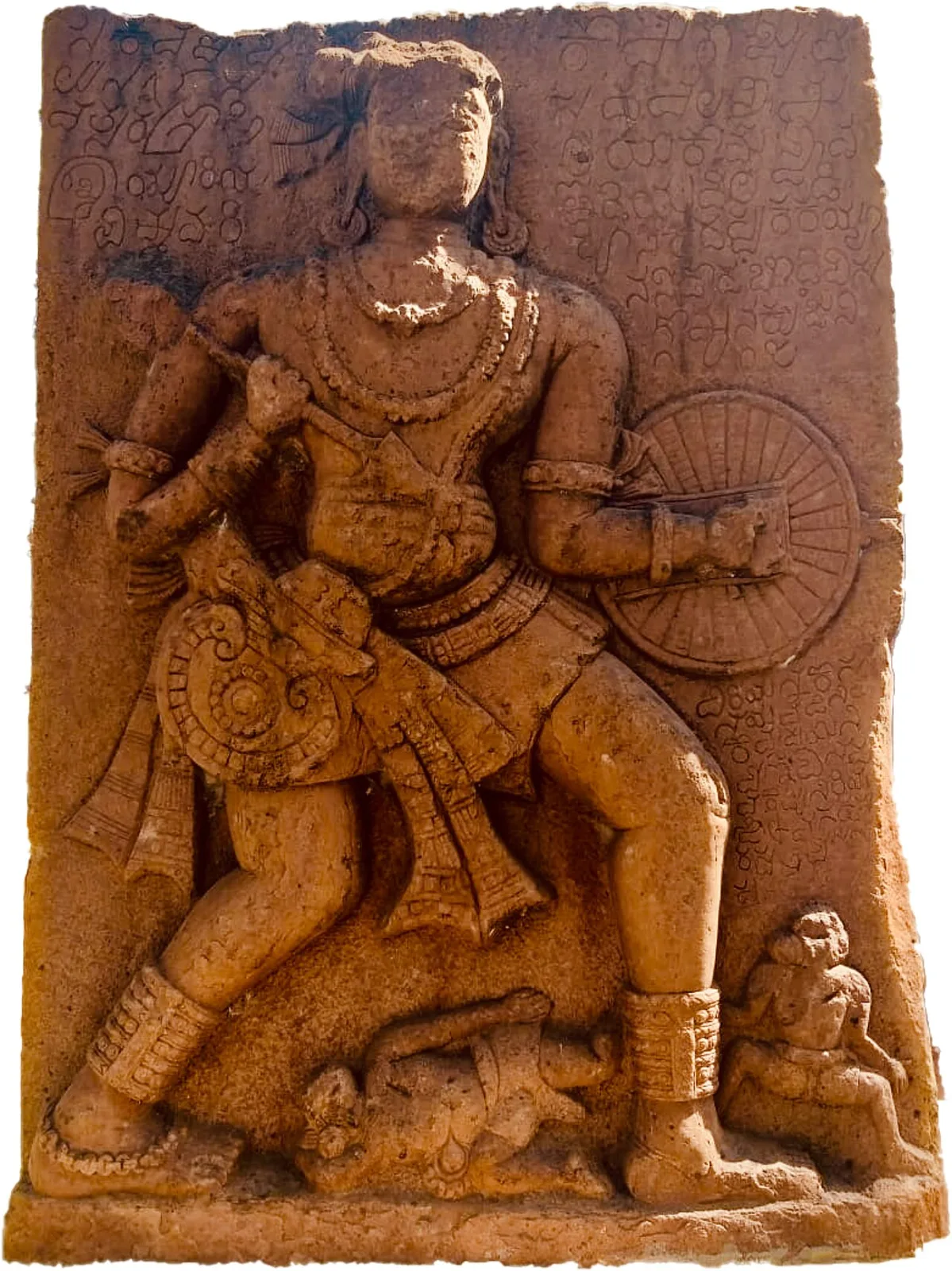
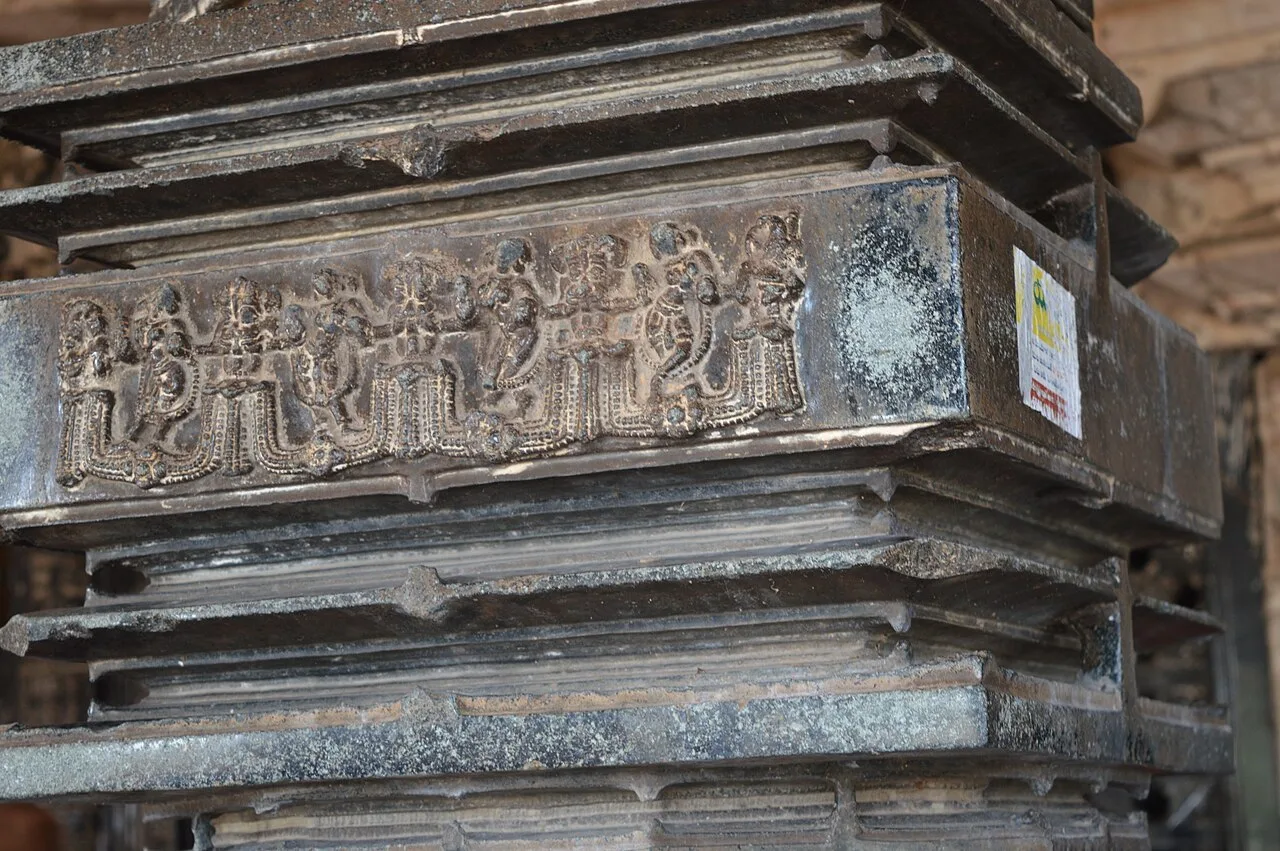
Telangana’s history reaches back to ancient settlements and the early Deccan kingdoms. The Satavahanas were among the major early powers in the region, followed in different periods by dynasties including the Vakatakas and Western Chalukyas. The Kakatiyas, whose power centre was Warangal, presided over a flourishing era of temple building, irrigation works and regional trade. Their legacy is especially visible at Warangal Fort and the intricately carved Ramappa Temple, a UNESCO World Heritage Site. Other historic religious centres, including the temples at Palakurthi and Panagal, reflect changing artistic and devotional traditions across the plateau.

From the medieval period onward, the Deccan came under successive sultanates and other regional powers. The Qutb Shahi dynasty established the kingdom of Golconda and founded Hyderabad in the late sixteenth century; Charminar became the city’s enduring landmark. The Asaf Jahi Nizams later ruled the princely state of Hyderabad. Although the British exercised paramountcy over the princely state, it was not governed as a directly administered British province. Hyderabad became part of the Indian Union in 1948, and in 1956 the Telugu-speaking areas of the former Hyderabad State were joined with Andhra State to form Andhra Pradesh.

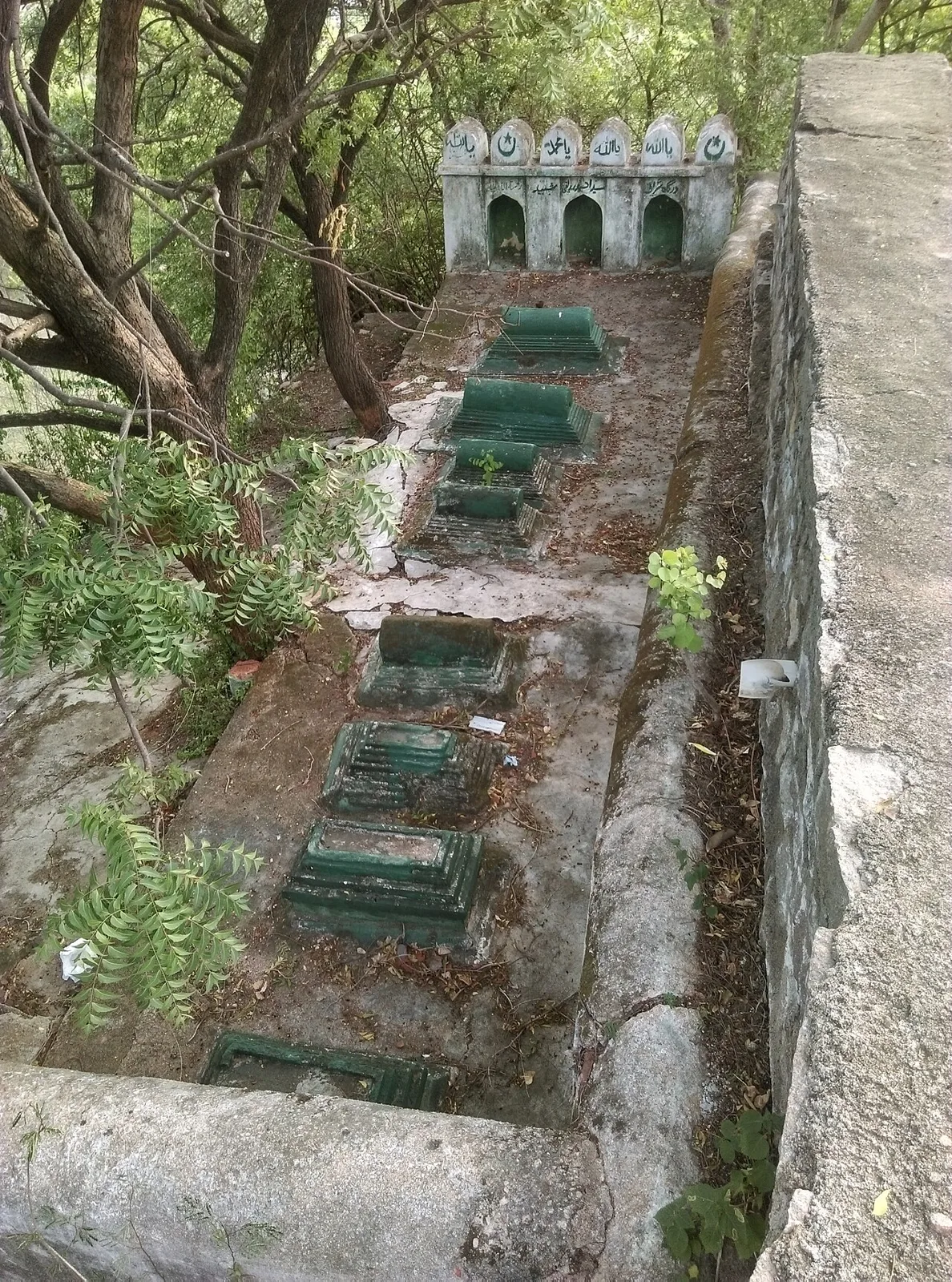
A long-running movement for a separate Telangana drew on regional identity, political demands and concerns about development and representation. Parliament passed the statehood legislation in 2014, and Telangana became India’s 29th state that year, with Hyderabad as its capital. The state’s layered past remains visible in forts, temples, tombs, mosques, museums and living urban neighbourhoods. Golconda, the Paigah Tombs and the Salar Jung Museum offer different windows into courtly and cultural history, while the modern state continues to balance rapid growth with the preservation of its monuments and regional traditions.

Culture, people & festivals

Telugu is the principal language of Telangana, and Urdu has a strong presence, especially in Hyderabad. Hindi, English and languages spoken by tribal and migrant communities are also heard in different settings. The state’s people include urban residents, farming communities, artisan groups and Adivasi communities, each with varied local customs. The shared cultural landscape reflects Hindu, Muslim and other faith traditions, expressed in places of worship, food, music and public celebrations. Deccani Urdu culture is particularly prominent in Hyderabad, while Telugu literary and performance traditions connect towns and villages across the state.

Bathukamma, a women-centred floral festival, is celebrated during the Navaratri season, usually in September or October. Bonalu, dedicated to the Mother Goddess, is generally observed in July or August, with especially prominent celebrations in Hyderabad and Secunderabad. The Sammakka Saralamma Jatara at Medaram is a major Adivasi pilgrimage and gathering, usually held every two years around January or February; confirm the current schedule before travelling. Perini Sivatandavam, a vigorous dance associated with the Kakatiya period, has been revived as a performance tradition. Folk songs, devotional music, dappu drumming and regional dance forms enliven festivals and community events. Visitors are welcome to observe public celebrations respectfully, while remembering that rituals and crowd conditions can be intense.

Food & flavours

Hyderabadi cuisine is the state’s best-known culinary calling card, shaped by Deccani, Persian and local influences. Hyderabadi biryani, made in distinct meat and vegetable versions, is widely served, alongside slow-cooked dishes such as haleem, particularly associated with Ramadan. Other familiar choices include marag, kebabs, khatti dal and bagara baingan, often accompanied by rice or flatbreads. The city’s food scene ranges from established restaurants to modest eateries and street stalls; recipes and levels of spice vary, so diners can ask about ingredients and heat.

Everyday Telangana cooking makes generous use of rice, lentils, chillies, tamarind and seasonal vegetables. Sarva pindi is a savoury, pan-cooked rice-flour preparation, while sakinalu, a crisp rice-flour snack, is made especially for festive occasions. Jonna rotte, made from sorghum, and other millet-based foods reflect older grain traditions. Regional meals may include pappu, leafy greens, pickles and meat curries, with local variations from district to district. Sweets to try include qubani ka meetha, a dessert of stewed apricots, and double ka meetha, a bread-based pudding. Osmania biscuits and Irani chai are classic Hyderabad accompaniments. Ask about meat, dairy, nuts and other ingredients when dietary needs matter.

Crafts, textiles & what to buy

Telangana’s craft traditions range from celebrated handloom textiles to painted scrolls and metalwork. Pochampally ikat, associated with Bhoodan Pochampally in Yadadri Bhuvanagiri district, uses resist-dyed yarn to create distinctive geometric patterns. Gadwal sarees are woven around Gadwal in Jogulamba Gadwal district, while Narayanpet sarees come from the Narayanpet region. These handloom traditions are associated with registered Geographical Indications, as are crafts such as Nirmal paintings and toys, Cheriyal scroll paintings, Karimnagar silver filigree and Pembarthi brassware. Designs, materials and production methods differ between workshops, so it is worth asking makers about the work behind a piece.

Nirmal artisans in Nirmal make painted wooden objects and artworks, while Cheriyal artists create narrative scrolls traditionally used to accompany storytelling. Karimnagar is known for fine silver filigree work, and Pembarthi in Jangaon district is associated with repoussé brassware. Hyderabad’s markets offer textiles, jewellery and decorative crafts from across the region, while specialist visits near production centres can make purchases more meaningful. Look for clear information about the maker and material, and buy directly from artisans or reputable cooperatives where possible. Handloom and handmade pieces naturally vary; treat that variation as part of their character rather than expecting identical factory-made finishes.

Getting there & getting around

Rajiv Gandhi International Airport, at Shamshabad south of Hyderabad, is Telangana’s principal air gateway, with domestic and international connections. Hyderabad is also the state’s main rail hub, served by Secunderabad Junction, Hyderabad Deccan (Nampally) and Kacheguda stations. Other useful rail stations include Kazipet and Warangal for the historic sites of the east, Khammam, Nizamabad and Karimnagar. Services and convenient connections vary by route, so check current rail information when planning. Telangana State Road Transport Corporation buses and private operators connect Hyderabad with district towns and neighbouring states.

National highways make road journeys between major centres straightforward in principle: NH 44 runs north–south through the state, NH 65 links Hyderabad with the east and west, and NH 163 connects Hyderabad with Warangal. NH 765 serves routes towards the southern plateau. Road conditions and journey times can vary, particularly during monsoon rain or festival periods. Within Hyderabad, the Metro Rail, city buses, taxis and app-based cabs are useful options, though many heritage areas are best explored on foot once nearby. For places such as Ramappa Temple, Medaram, Mallela Theertham and remote waterfalls, a hired car or locally arranged transport can be more practical than relying on infrequent services. Confirm the final approach and local transport before travelling, especially for forest and rural destinations.

When to go & travel tips

For Hyderabad’s monuments, markets and museums, October to February is generally the most comfortable period. The same cooler months suit heritage trips to Warangal, Ramappa Temple and Yadadri. Waterfalls and green landscapes around Mulugu, Adilabad and the Nallamala region are often at their liveliest after monsoon rain, but wet roads and slippery paths require caution. Summer can be intensely hot across the plateau; if travelling then, plan outdoor visits for early morning or late afternoon and carry water. Festival dates follow local calendars and may shift, so check current information before making bookings.

Pack light, breathable clothing for warm weather, a sun hat, sunscreen and comfortable walking shoes; add a light layer for cooler winter evenings and rain protection during monsoon months. Dress modestly at temples and other sacred sites, remove footwear where requested, and ask before photographing people or ceremonies. Large festival gatherings can involve crowding, so follow organisers’ directions and keep valuables secure. Some forest areas or protected sites may have access rules, but requirements vary; confirm any permit or entry conditions with the relevant official authority before setting out. Avoid swimming in reservoirs or waterfalls unless clearly permitted and safe, and do not disturb wildlife or leave litter.

Highlights

Where to begin

City by city

Cities & hubs of Telangana

Every sight is grouped under its city — places within about 12 km together, day trips within 40 km alongside — even across district lines. Open a city to see its attractions.

See every city, town and village of Telangana

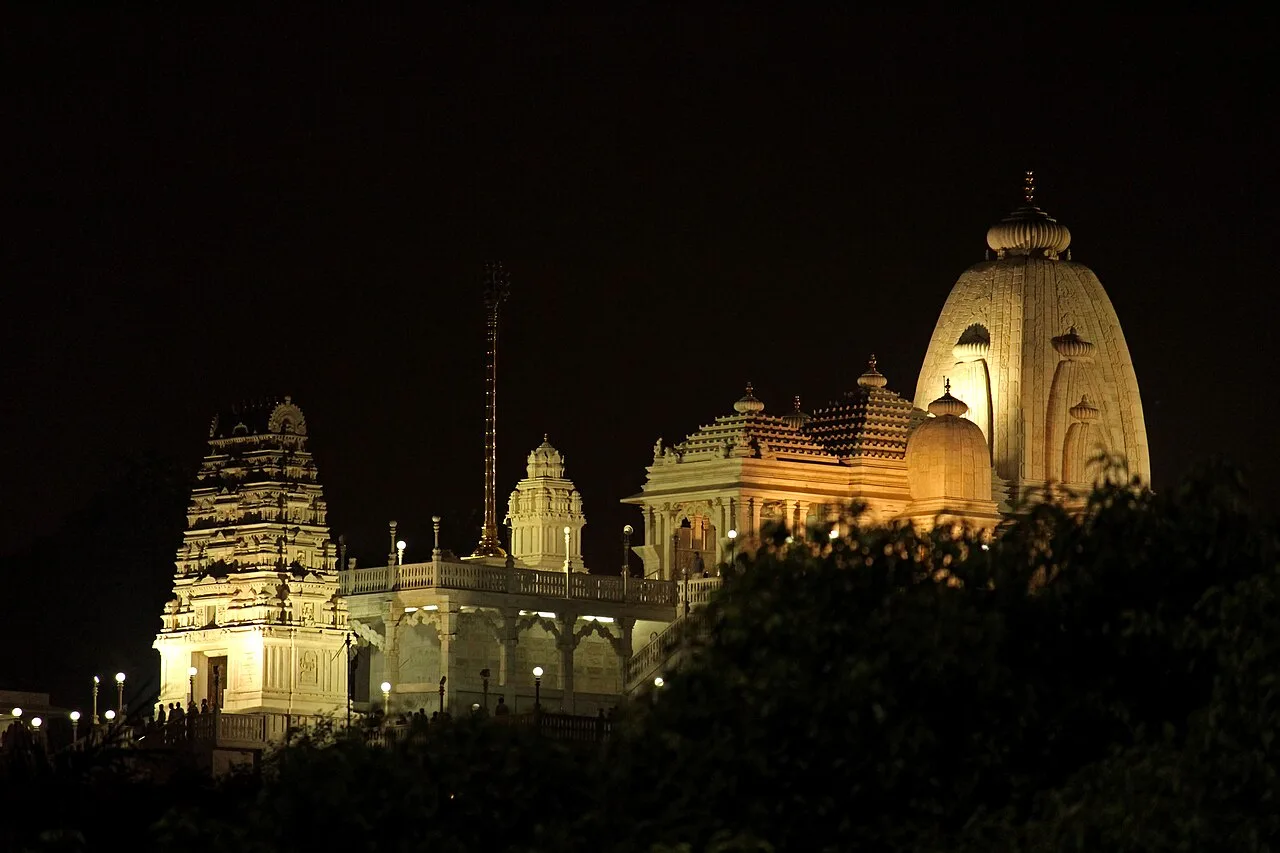
Birla Mandir, Hyderabad
Hyderabad24 places to see

Birla Mandir, Hyderabad · Charminar · Chilkoor Balaji Temple · Chowmahalla Palace

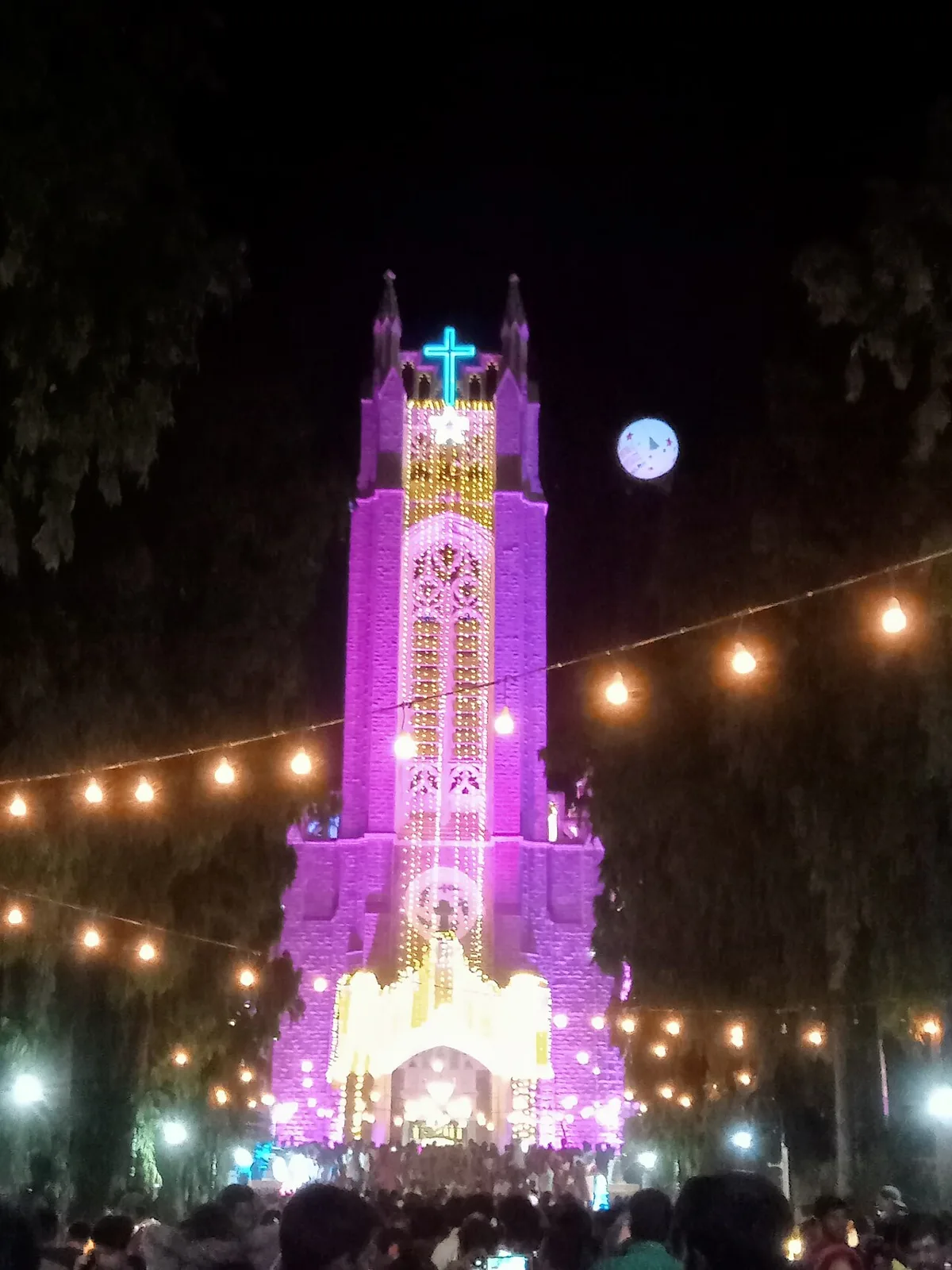
Medak Cathedral
Medak3 places to see

Medak Cathedral · Medak Fort · Pocharam Wildlife Sanctuary

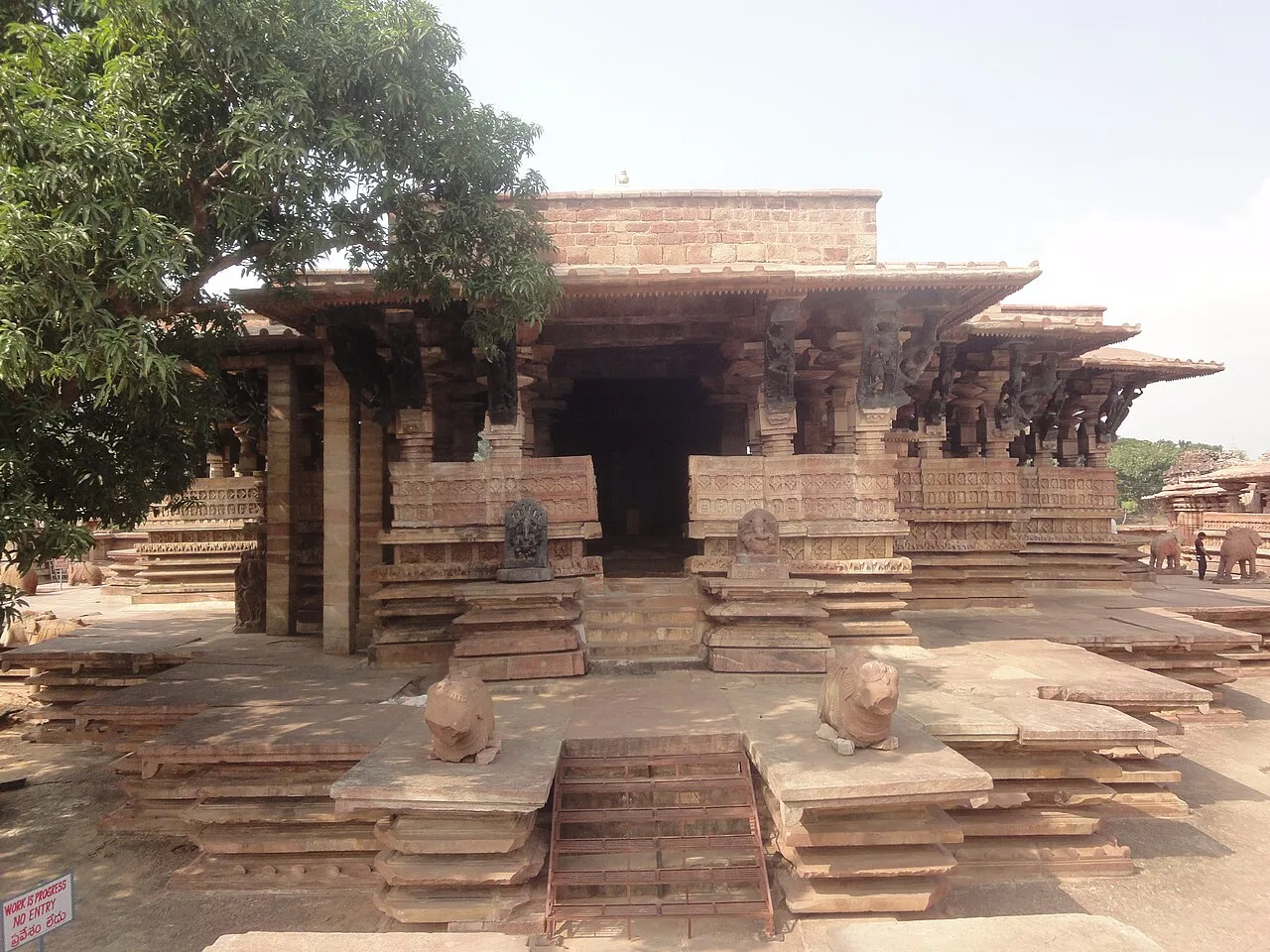
Ramappa Temple (UNESCO)
Mulug3 places to see

Ramappa Temple (UNESCO) · Laknavaram Lake · Medaram (Sammakka Saralamma Jatara)

Bhadrakali Temple
Warangal3 places to see

Bhadrakali Temple · Thousand Pillar Temple · Warangal Fort

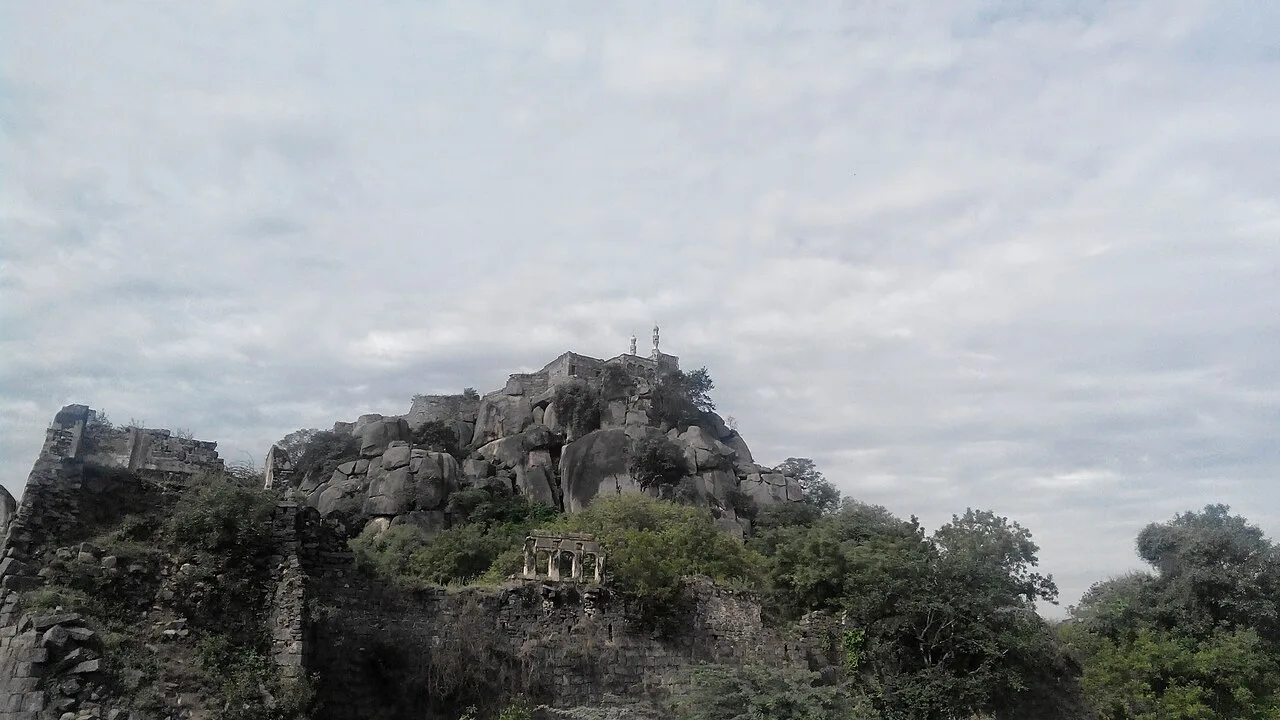
Devarakonda Fort and Town
Devarakonda2 places to see

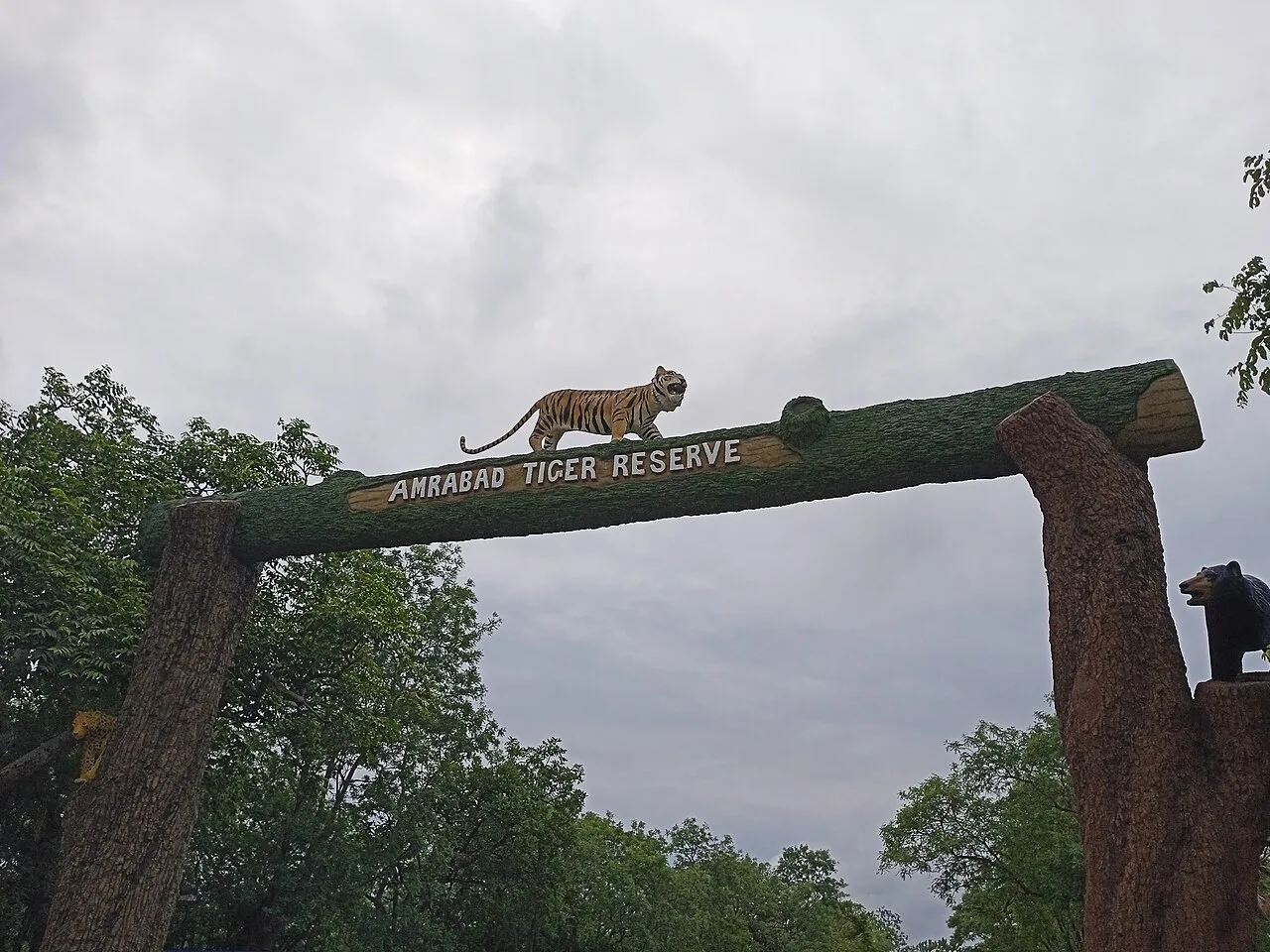
Devarakonda Fort and Town · Amrabad Tiger Reserve

Kuntala Waterfall
Ichora2 places to see

Pochera Falls · Kuntala Waterfall

Bogatha Waterfall
Kamalapuram2 places to see

Bogatha Waterfall · Eturnagaram Wildlife Sanctuary

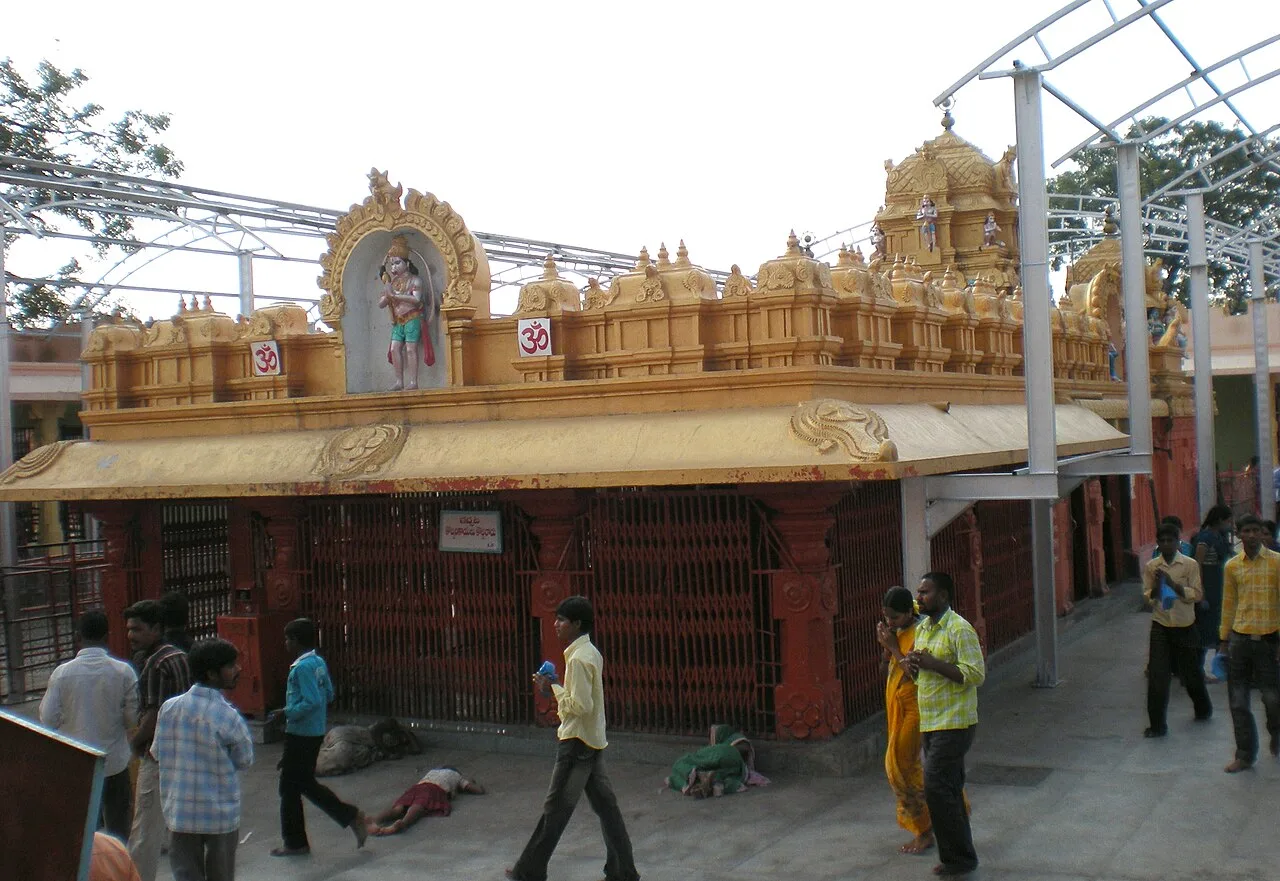
Kondagattu Anjaneya Temple
Kamareddy2 places to see

Domakonda · Kondagattu Anjaneya Temple

Elgandal Fort
Karimnagar2 places to see

Elgandal Fort · Lower Manair Dam

Kawal Wildlife Sanctuary
Luxettipet2 places to see

Dharmapuri Narasimha Temple · Kawal Wildlife Sanctuary

Pakhal Lake
Narsampet2 places to see

Pakhal Lake · Palakurthy Temples

Cheriyal
Siddipet2 places to see

Cheriyal · Komuravelli Mallanna Temple

Bhongir Fort
Yadagirigutta2 places to see

Bhongir Fort · Yadagirigutta (Yadadri) Temple

Mallela Theertham
Achampet1 place to see

Mallela Theertham

Jogulamba Temple, Alampur
Alampur1 place to see

Jogulamba Temple, Alampur

Kumuram Bheem Tribal Museum, Jodeghat
Asifabad1 place to see

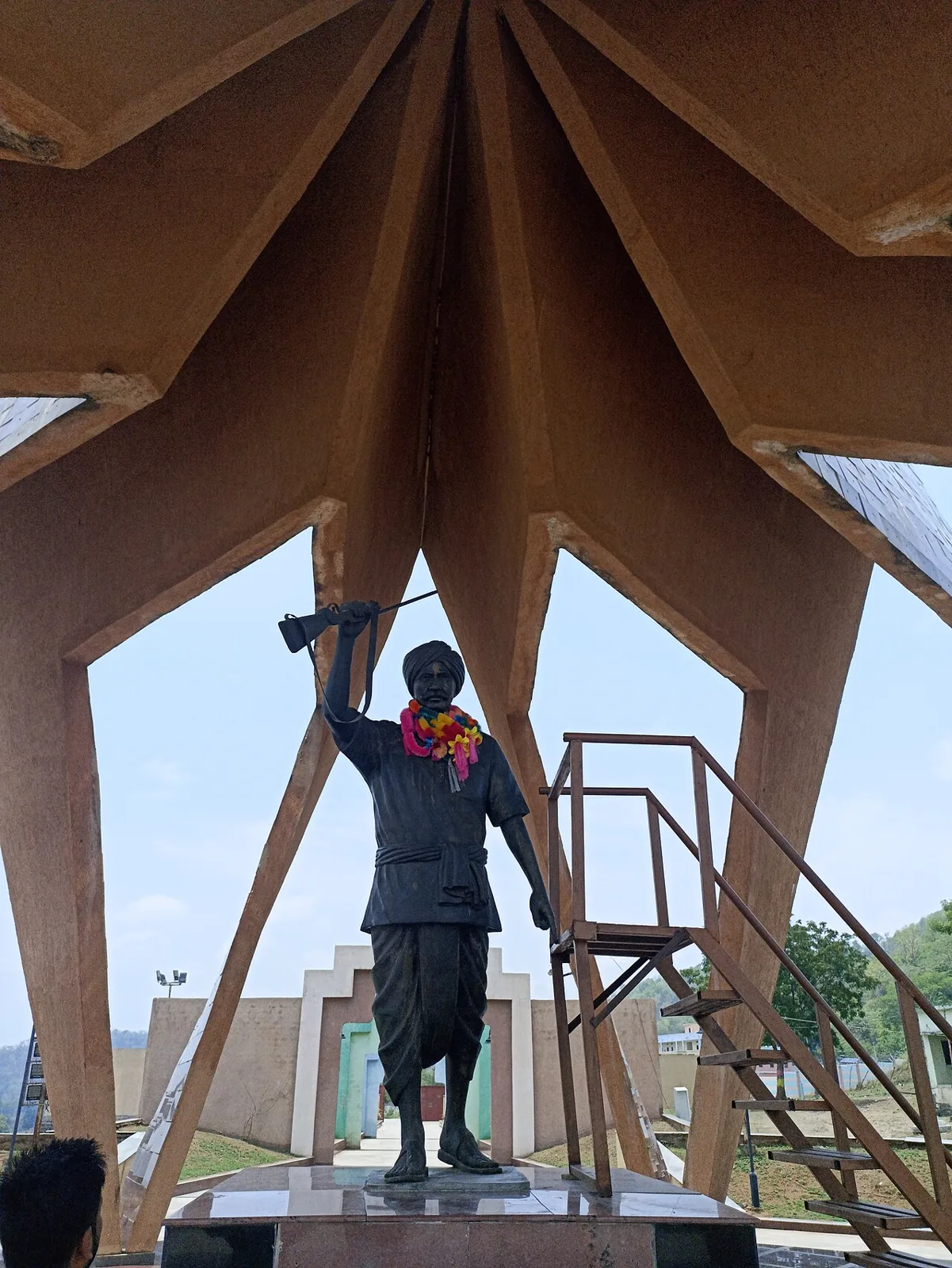
Kumuram Bheem Tribal Museum, Jodeghat

Basar Gnana Saraswati Temple
Basara1 place to see

Basar Gnana Saraswati Temple

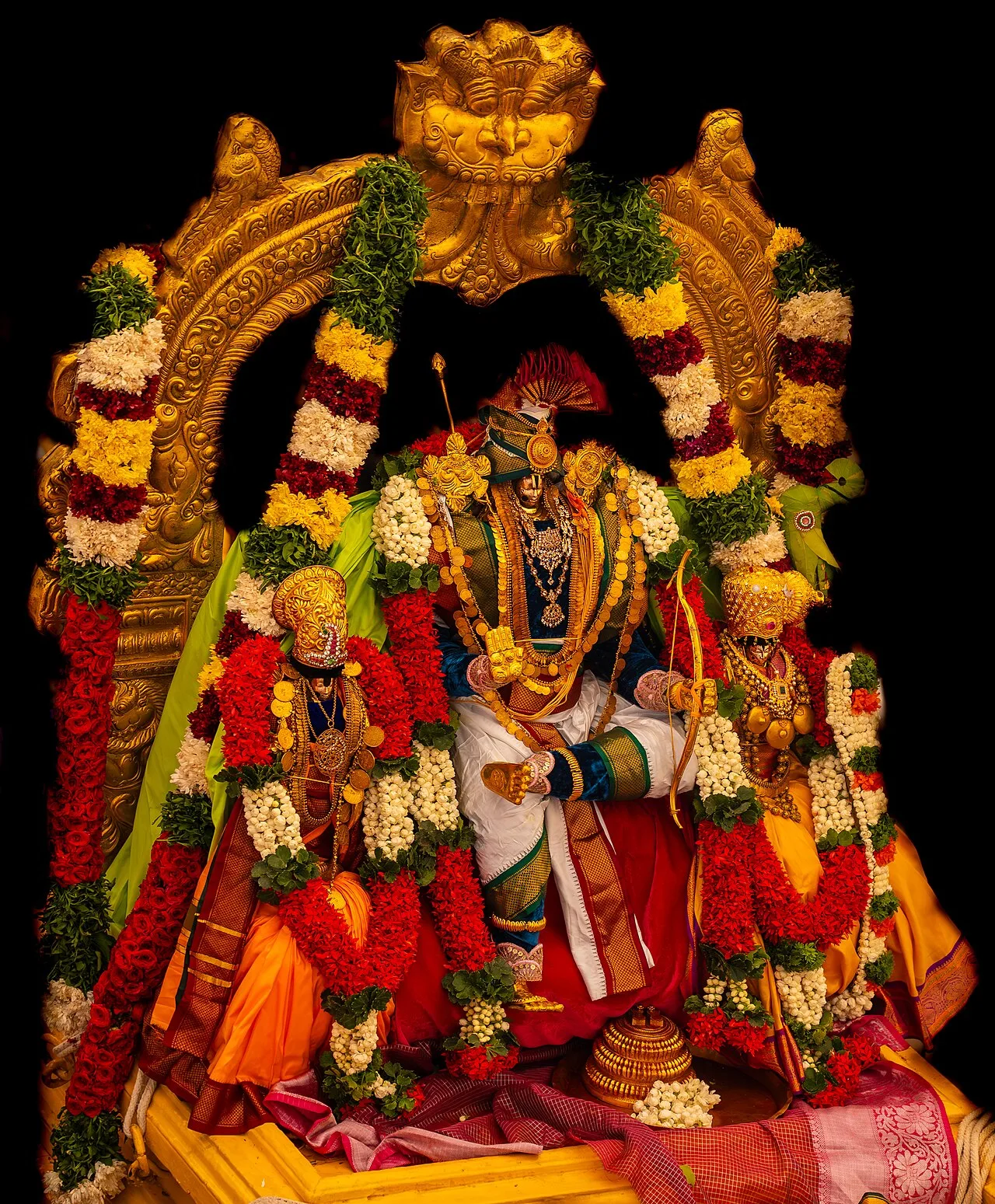
Bhadrachalam Sita Ramachandraswamy Temple
Bhadrachalam1 place to see

Bhadrachalam Sita Ramachandraswamy Temple

Chautapal1 place to see

Koyalagudem

Chinnur1 place to see

Kaleshwaram Temple

Ramoji Film City
Ibrahimpatan1 place to see

Ramoji Film City

Jangaon1 place to see

Pembarthi Brassware Village

Khammam Fort
Khammam1 place to see

Khammam Fort

Nelakondapalli Buddhist Site
Kodad1 place to see

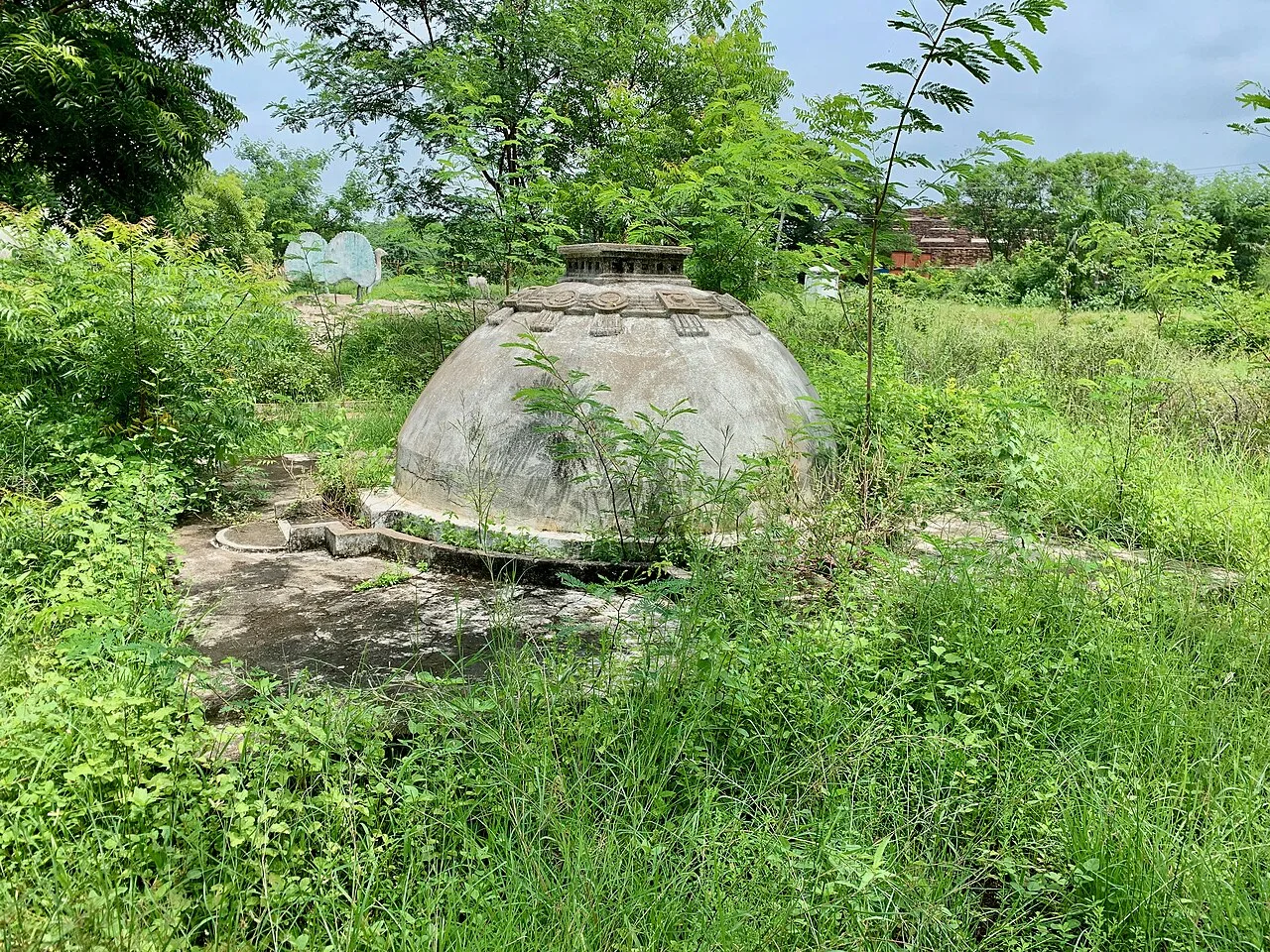
Nelakondapalli Buddhist Site

Mahabubabad1 place to see

Kuravi Veerabhadra Temple

Gandhari Khilla Fort
Mancherial1 place to see

Gandhari Khilla Fort

Parnasala
Manuguru1 place to see

Parnasala

Miryalaguda1 place to see

Mattapalli Narasimha Temple

Panagal Temples
Nalgonda1 place to see

Panagal Temples

Narayanpet1 place to see

Sights in and around Narayanpet

Nizamabad Fort
Nizamabad1 place to see

Nizamabad Fort

Kinnerasani Wildlife Sanctuary
Palwancha1 place to see

Kinnerasani Wildlife Sanctuary

Pochampalli1 place to see

Pochampally Ikat Village

Manjira Wildlife Sanctuary
Sangareddy1 place to see

Manjira Wildlife Sanctuary

Shamirpet Lake
Secunderabad1 place to see

Shamirpet Lake

Erakeswara Temple, Pillalamarri
Suryapet1 place to see

Erakeswara Temple, Pillalamarri

Vemulawada1 place to see

Vemulawada Raja Rajeshwara Temple

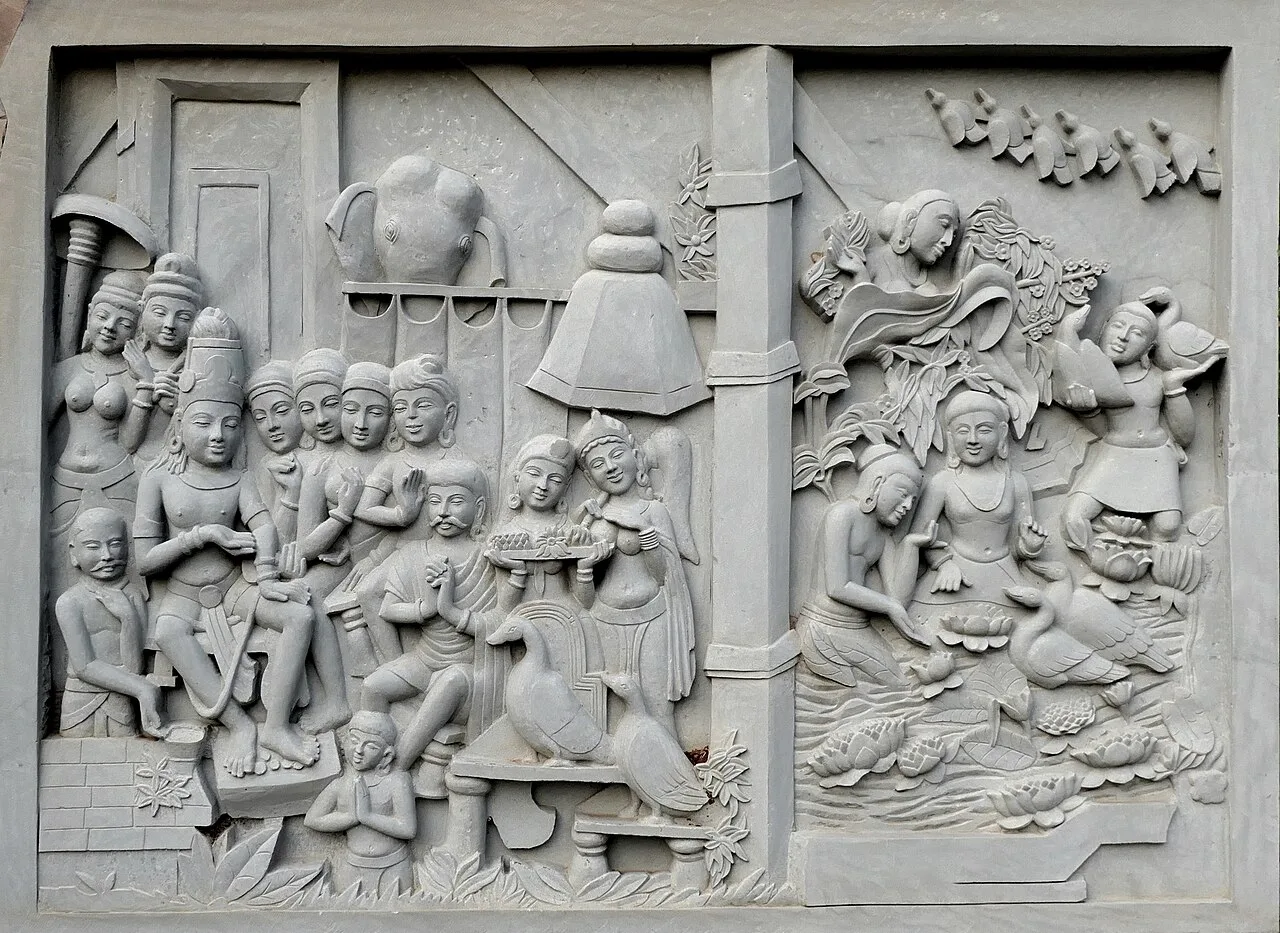
Buddhavanam
Vijayapuri North1 place to see

Buddhavanam

Ananthagiri Hills
Vikarabad1 place to see

Ananthagiri Hills

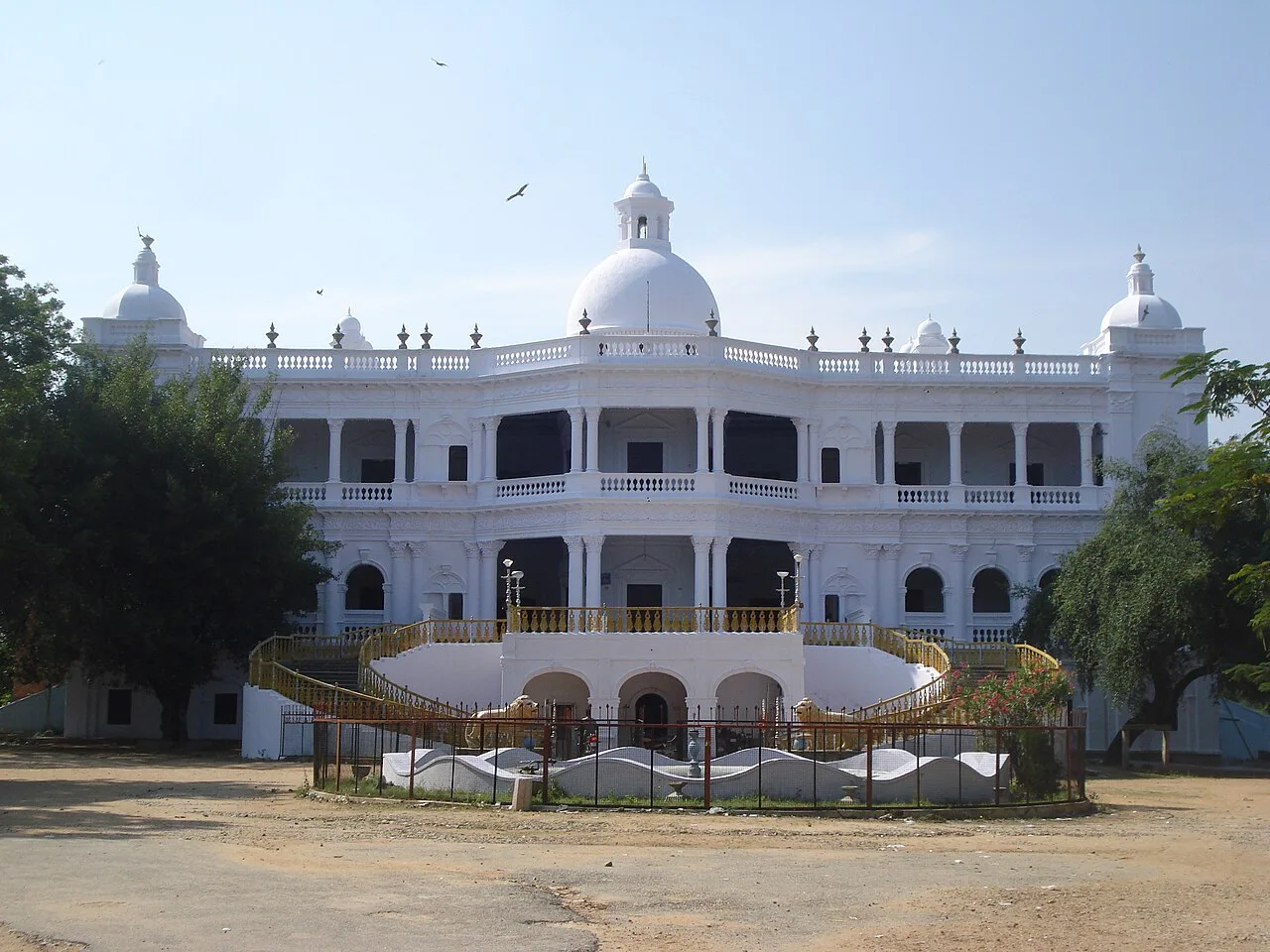
Wanaparthy Palace and Town
Wanaparthi1 place to see

Wanaparthy Palace and Town

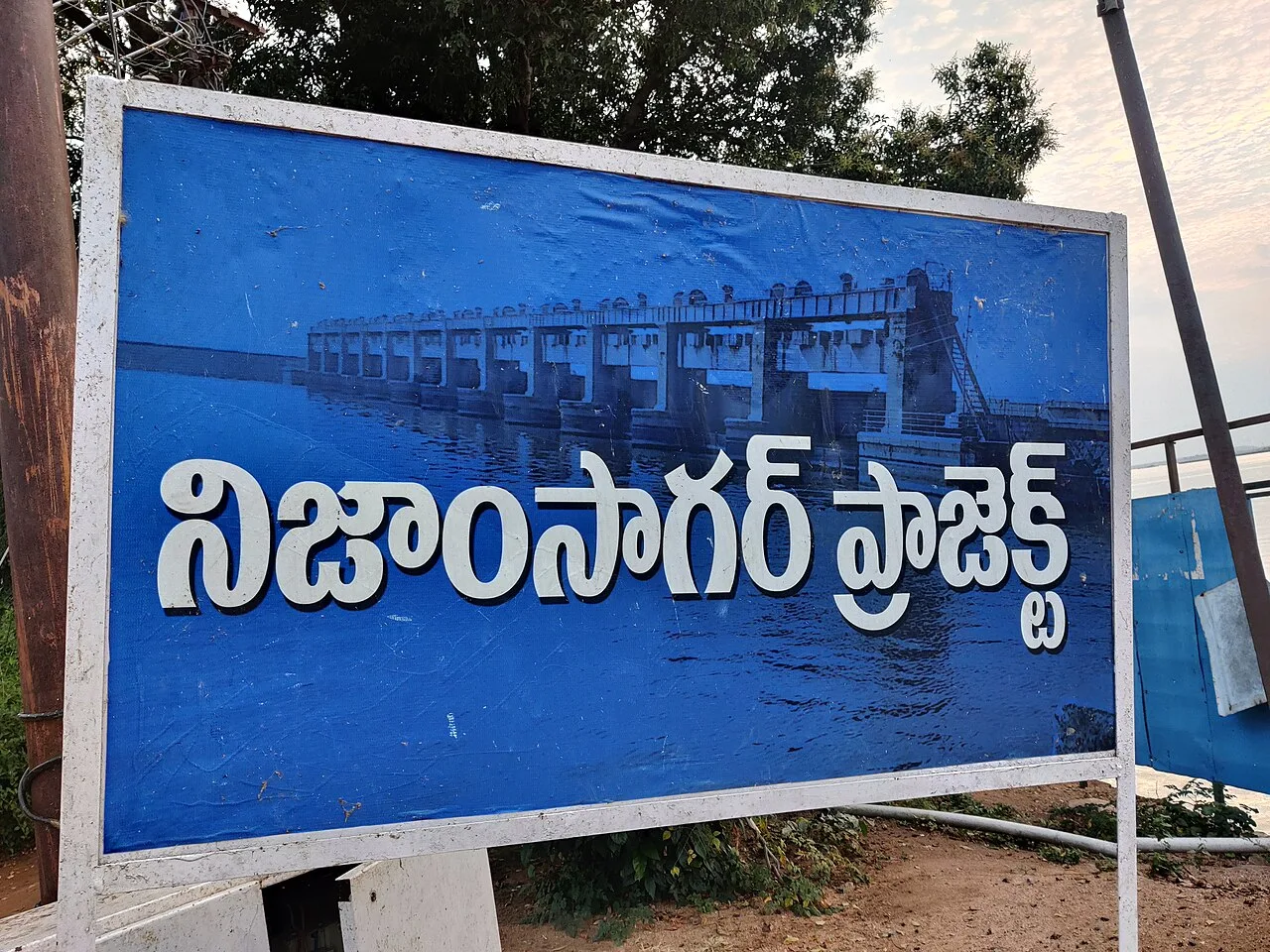
Nizam Sagar Dam
Yellareddi1 place to see

Nizam Sagar Dam

Away from the cities — 5 more places by district

District discovery

Telangana: 31 districts covered

Open a district to see its destinations and neighbours. More districts are added as our team writes them.

31 of 31 districts have destination guides

Destinations

Every guide in this state

Open a district to see its cities and towns, villages and places to see.

Adilabad2 places
Bhadradri Kothagudem3 places
Hanamkonda1 place
Hyderabad21 places
Jagtial2 places
Jangaon2 places
Jayashankar Bhupalpally1 place

Places to see

Jogulamba Gadwal1 place
Kamareddy1 place

Places to see

Karimnagar2 places
Khammam2 places
Kumuram Bheem Asifabad1 place
Mahabubabad1 place
Mahabubnagar1 place
Mancherial1 place
Medak4 places
Medchal–Malkajgiri2 places
Mulugu5 places
Nagarkurnool2 places
Nalgonda3 places
Narayanpet1 place
Nirmal3 places
Nizamabad2 places
Rajanna Sircilla1 place
Ranga Reddy5 places
Sangareddy1 place
Siddipet2 places
Suryapet2 places
Wanaparthy1 place
Warangal3 places
Yadadri Bhuvanagiri5 places

Festivals & fairs

The calendar here

Full calendar

Festivals of Telangana through the year

Usual season and where each is best known. Exact dates follow local calendars — linked festivals have dated guides.

  • BathukammaSeptember–OctoberFlower festival of women, statewide, with roots in Warangal.
  • BonaluJuly–AugustHyderabad and Secunderabad.
  • Dasara and UgadiStatewide.
  • Medaram Sammakka-Saralamma JataraFebruary, every two yearsMulugu district, one of the world's largest tribal gatherings.
  • Sri Rama NavamiBhadrachalam, Bhadradri Kothagudem district.
  • Nagoba JataraJanuary–FebruaryAdilabad district.
  • Kondagattu Hanuman JayantiJagtial district.
  • Maha ShivaratriVemulawada, Rajanna Sircilla district.
  • Muharram (Peerla Panduga)Hyderabad.
From travellers and locals

Be the first to share photos, stories, advice or a helpful contact for Telangana.

Loading…