
Ghumoopedia — Explore, Discover, Experience
Sign in
Panagal Temples, near Nalgonda

City guide · Telangana

Nalgonda

Nalgonda is an important administrative and commercial centre in eastern Telangana. It serves as the headquarters of Nalgonda district and lies about 90 kilometres from Hyderabad, linking the state capital with towns and rural communities across the region.

Famous for

  • Panagal temple heritage
  • Nalgonda Fort
  • Nagarjuna Sagar gateway
  • Limestone and cement belt
  • Telangana regional cuisine
In the city
1
District
Nalgonda

Why Nalgonda matters

Nalgonda is an important administrative and commercial centre in eastern Telangana. It serves as the headquarters of Nalgonda district and lies about 90 kilometres from Hyderabad, linking the state capital with towns and rural communities across the region. Government offices, shops, schools and transport services give the city a busy, practical character, while its surrounding countryside supports agriculture and industry.

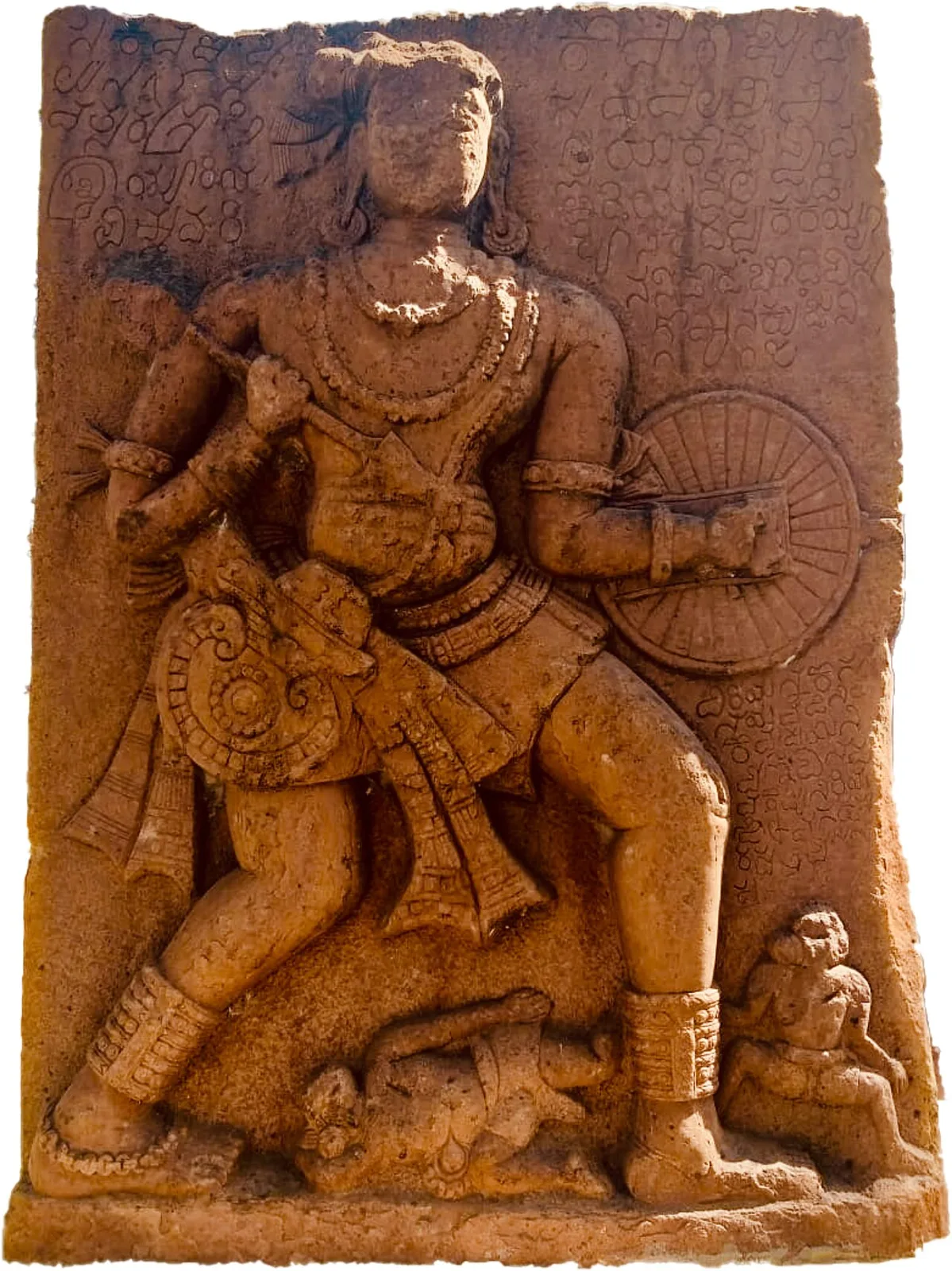
Visitors come for the historic temples at Panagal, including the distinctive Chaya Someswara Temple, and for Nalgonda Fort. The city is also a useful base for excursions to larger regional sights such as Nagarjuna Sagar and the hilltop temple at Yadadri. Its story reaches back to prehistoric settlement, and its heritage reflects many successive Deccan powers. Nalgonda is not primarily a resort or a specialist shopping destination; its appeal lies in the combination of local history, religious sites and access to the wider Telangana landscape.

Famous for: crafts, trade & products

Nalgonda is best understood as a district trading and service centre rather than a city identified with one signature textile or handicraft. Markets in the town centre serve local households and surrounding communities, with shops selling clothing, household goods and everyday needs. The city also draws on the wider region’s agricultural trade, while limestone and cement production are important parts of the broader local economy.

There is no widely recognised GI-tagged craft specifically associated with Nalgonda city. Pochampally Ikat, a prominent Telangana handloom tradition, comes from Pochampally in neighbouring Yadadri Bhuvanagiri district; visitors interested in the weaving tradition can seek it out there rather than assume it is made in Nalgonda. In town, the central market streets are the most convenient place to browse for clothing and regional goods, though selections vary between shops. For a more specialised craft purchase, plan a separate visit to the weaving villages or established handloom outlets in the wider region.

History

Archaeological finds around Nalgonda point to human activity from prehistoric times, including evidence of Stone Age tools, Neolithic objects and megalithic burials. The region later came under a succession of powers, among them the Mauryas, Satavahanas and Ikshvakus. Chalukya and Rashtrakuta influence followed, before the Kakatiyas established control. In the medieval period, the area passed through Tughluq and Bahmani rule and later became part of the Qutb Shahi kingdom.

After Mughal expansion in the Deccan, Nalgonda was governed by the Asaf Jahi Nizams as part of Hyderabad State. During the colonial era, Hyderabad remained a princely state under British paramountcy rather than a directly administered British province. Following Hyderabad’s integration into India, Nalgonda developed further as a district headquarters and regional centre for administration, transport, education and trade. It became part of Telangana when the state was formed in 2014.

Food, festivals & culture

Telugu is the main language of daily life, and Urdu is also spoken. Home-style Telangana cooking commonly features rice, lentils, spicy curries and seasonal vegetables; jonna roti and dishes such as sarva pindi are familiar regional fare. Sweets and snacks including ariselu and sakinalu are especially associated with festive occasions, though menus and availability differ from one household or eatery to another.

Bathukamma, celebrated in the early autumn, and Bonalu, usually held during the monsoon season, are important Telangana festivals. Sankranti in midwinter and Dasara in autumn are also widely observed, alongside Ramzan and Eid in Muslim communities. Folk performance traditions such as Oggu Katha and regional dance forms are part of the wider cultural landscape. Nalgonda’s places of worship include temples and mosques across the city; the historic Chaya Someswara and Pachala Someswara temples at Panagal are notable nearby destinations for visitors interested in religious architecture.

Visiting the city

October to February is generally the most comfortable season to visit, with hotter conditions through much of the summer and monsoon rains later in the year. The nearest major airport is Rajiv Gandhi International Airport in Hyderabad. Nalgonda Railway Station serves the city, and road connections link it with Hyderabad and other Telangana towns.

Auto-rickshaws and local taxis are useful for getting around town; buses and hired vehicles can help with excursions farther afield. Explore the central market area and Nalgonda Fort, then set aside time for Panagal’s temples just beyond the city centre. Nagarjuna Sagar and Yadadri make worthwhile regional trips, though visitors should allow extra travel time for them.

Attractions

Places to visit in Nalgonda

Sights within about 12 km of each other, even when they fall in different districts.

Map

Nalgonda on the map

  1. 1Panagal Temples

Telangana

Other cities to explore