
Ghumoopedia — Explore, Discover, Experience
Sign in
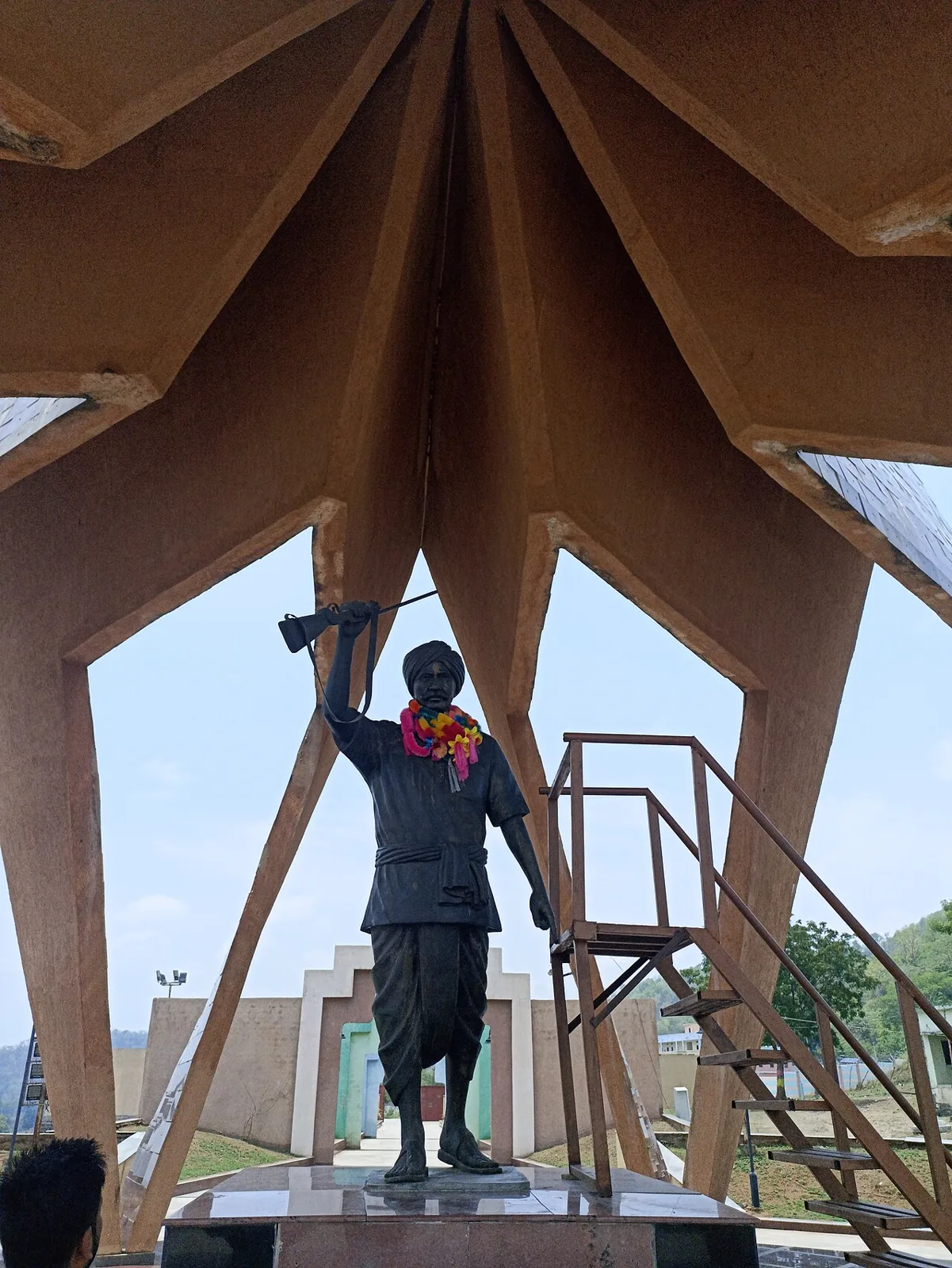
Kumuram Bheem Tribal Museum, Jodeghat, near Asifabad

City guide · Telangana

Asifabad

Asifabad is the administrative centre of Kumuram Bheem district in northern Telangana. It serves as a hub for government services, education, trade and transport for surrounding towns and villages.

Famous for

  • Kumuram Bheem district headquarters
  • Peddavagu river setting
  • Gond heritage
  • Historic name Jangam
In the city
0
Nearby
1
District
Kumuram Bheem Asifabad
Plan a trip

Why Asifabad matters

Asifabad is the administrative centre of Kumuram Bheem district in northern Telangana. It serves as a hub for government services, education, trade and transport for surrounding towns and villages. The town stands beside the Peddavagu river and is a useful base for learning about the district’s forest landscapes and the cultures of its Adivasi communities, including Gond and Kolam people.

Asifabad is not known for a large cluster of conventional tourist attractions; its interest lies in its regional role, layered history and connections to the wider district. Visitors may find the town’s markets and everyday street life a window into northern Telangana, while nearby communities and places of natural or cultural interest offer a broader picture of the area. The district is named for Kumuram Bheem, the Adivasi leader remembered for resisting Nizam rule. Asifabad itself was once known as Jangam or Jungam, a name that survives in accounts of its earlier administrative history.

Famous for: crafts, trade & products

Asifabad is best understood as a district service and trading centre rather than a specialised textile or handicraft-production town. There is no widely established local GI-tagged product or signature saree associated with the city. Its central bazaar and local shops serve residents from Asifabad and nearby settlements, with everyday provisions, clothing and household goods among the usual offerings. Market activity reflects the needs of a largely rural district, rather than a major visitor-oriented shopping scene.

Regional Adivasi art and craft traditions are part of the wider district’s cultural life, but individual items may be made in villages elsewhere and are not necessarily produced in Asifabad. Visitors interested in crafts can ask local sellers about an item’s maker and place of origin, and should not assume that a product is locally made simply because it is sold in town. Agricultural and forest-linked livelihoods shape commerce across the region, though Asifabad is not especially known as a single-product industrial centre. For a sense of local trade, browse the central market area and small shops, where buying is primarily geared to everyday use.

History

Asifabad’s history reflects the changing administration of northern Telangana. The town was formerly called Jangam or Jungam and became a taluk headquarters under the Nizams of Hyderabad. The broader region experienced the influence of several powers, including the Kakatiyas, Satavahanas, Chalukyas, Qutb Shahis and Asaf Jahis, as well as Gond rulers. These layers of rule form part of the district’s historical setting, though they did not all leave the same mark on the town.

Asifabad was made a district in 1905, and in 1913 it became the district headquarters. That role shifted to Adilabad in 1941, and after the integration of Hyderabad State into India, Asifabad was administered within Adilabad district. The town later regained administrative prominence when Kumuram Bheem district was created in 2016, with Asifabad as its headquarters. Today, government offices and services anchor its modern role, while the older name Jangam recalls its earlier place in regional administration.

Food, festivals & culture

Everyday meals in Asifabad draw on familiar Telangana cooking: rice, lentils, vegetable dishes and boldly seasoned curries, alongside millet-based foods such as jonna roti. Sweets and festive snacks vary by household and season; visitors will find more reliable choices in local eateries and bakeries than a single city-defining speciality. Telugu is widely used, with Urdu also spoken; Gondi and other regional languages are part of the district’s Adivasi communities, and Marathi may be heard in this northern border region.

Bathukamma, usually celebrated in the monsoon-to-autumn season, and Dasara are important Telangana festivals. Sankranti, Diwali and Eid are also observed. Gond and Kolam traditions contribute distinctive community practices, music and dance, especially during local gatherings and festivals. The district’s Nagoba Jatara at Keslapur is a significant Adivasi pilgrimage and cultural event, though it is outside Asifabad town. Within the town, temples and mosques serve local worshippers, alongside other places of worship; visitors should dress respectfully and follow local guidance.

Visiting the city

The most comfortable time to visit is generally from November to February, when days are cooler. Summer can be very hot, while monsoon travel may bring wet roads. The nearest airport commonly used for this region is Dr. Babasaheb Ambedkar International Airport in Nagpur. The main rail access is Asifabad Road station at Rebbena; onward travel to town is by road. Confirm local transport connections before setting out.

Auto-rickshaws and local buses are practical for getting around, while a hired vehicle is useful for exploring the wider district. In town, the central market and administrative quarter give a feel for daily life, and accessible public stretches near the Peddavagu offer a riverside view. For visits to nearby villages or community sites, seek local advice and observe customary permissions and photography etiquette.

Short trips

Around Asifabad

Within about 40 km — easy half-day or day trips from the city.

Map

Asifabad on the map

  1. 1Kumuram Bheem Tribal Museum, Jodeghat

Telangana

Other cities to explore