
Ghumoopedia — Explore, Discover, Experience
Sign in
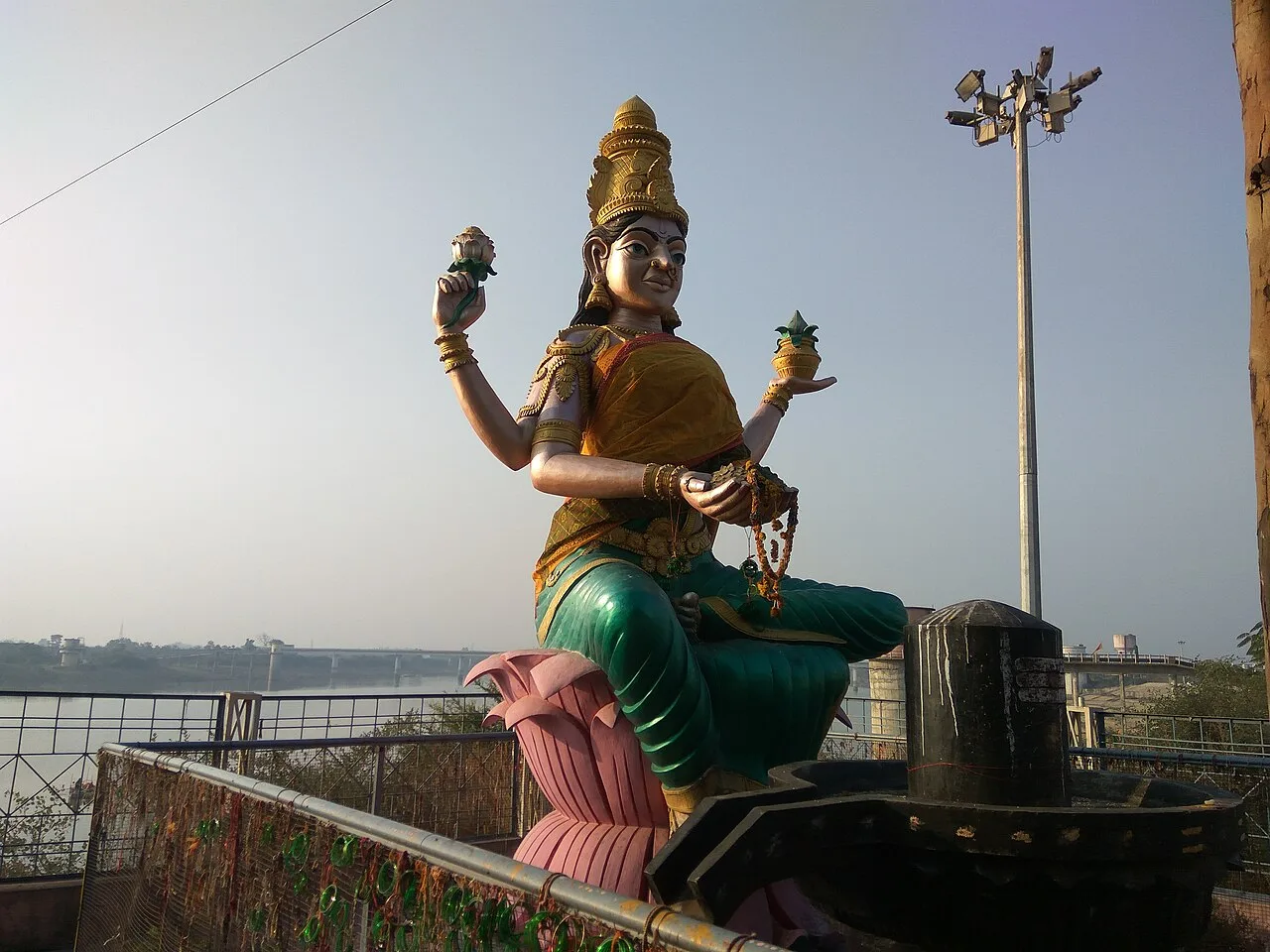
Basar Gnana Saraswati Temple, near Basara

City guide · Telangana

Basara

Basara is a pilgrimage town in northern Telangana, set on the banks of the Godavari River. Its main landmark is the Gnana Saraswati Temple, one of the few prominent temples in India dedicated to Goddess Saraswati.

Famous for

  • Gnana Saraswati Temple
  • Godavari riverfront
  • Aksharabhyasam ceremonies
  • Saraswati Navaratri
In the city
1
District
Nirmal

Why Basara matters

Basara is a pilgrimage town in northern Telangana, set on the banks of the Godavari River. Its main landmark is the Gnana Saraswati Temple, one of the few prominent temples in India dedicated to Goddess Saraswati. The shrine draws worshippers throughout the year, especially families bringing young children for aksharabhyasam, a ceremony marking the beginning of learning and writing.

The town’s identity is closely tied to the temple and its riverside setting rather than to a large commercial or industrial centre. It serves visitors from across Telangana and neighbouring regions, while also forming part of the wider Nirmal district. Basara lies about 34 kilometres from Nizamabad and 73 kilometres from Nirmal, with Hyderabad roughly 208 kilometres to the south. For travellers, it offers a focused devotional visit, a glimpse of Godavari-side life and a quieter alternative to larger pilgrimage cities. The temple, the learning ceremony and the river together make Basara an enduring religious destination in the region.

Famous for: crafts, trade & products

Basara is best known for religious services and pilgrimage, not for a signature textile, handicraft, industrial product or GI-tagged good. The town’s most recognisable tradition is aksharabhyasam at the Saraswati temple. Families commonly bring children to begin learning in the presence of the goddess, making books, writing materials and devotional offerings part of the visitor trade.

Small shops around the temple approach and in the town centre cater mainly to pilgrims. Visitors can look for puja items, religious books, stationery, souvenirs and refreshments there. These are practical visitor goods rather than products made uniquely in Basara. The town is not widely associated with a distinct craft market or major manufacturing sector. Nearby Nirmal is known for its own artistic traditions, but those should not be confused with Basara-made crafts. Travellers hoping to buy regional goods can ask locally about products from the wider district, while treating the temple precinct as the main place to find Basara’s everyday shopping and devotional items.

History

Basara’s history is most visible through its temple and the traditions attached to it. Local religious accounts connect the site with the sage Vyasa and describe the shrine as a place of learning and worship; these are sacred traditions rather than a settled record of the temple’s founding date. The town developed around the temple as a destination for devotees, with the river adding to its religious setting.

In the colonial period, this part of the region lay within the dominions of the Nizam of Hyderabad, under British paramountcy, rather than being directly administered as British India. The area later became part of independent India and, after state reorganisation, Andhra Pradesh. Telangana became a separate state in 2014, and Basara is now in Nirmal district. Pilgrimage remains central to the town’s life, while rail and road connections support access from nearby regional centres.

Food, festivals & culture

Worship at the Gnana Saraswati Temple shapes Basara’s calendar and daily atmosphere. Saraswati Navaratri, usually observed around September or October, brings heightened devotional activity. Vasant Panchami, generally in January or February, is also associated with the goddess of learning. Vijaya Dashami, in September or October, is a particularly meaningful time for families arranging aksharabhyasam, though the ceremony takes place throughout the year. The temple is the town’s principal place of worship and focus for visitors.

Telugu is the main language of local life; Marathi and Hindi are also heard among visitors and in regional exchanges. Basara does not have a widely recognised separate cuisine or signature sweet. Local eateries generally serve familiar Telangana and South Indian meals, with rice-based dishes, lentils, vegetables and snacks. Food options are concentrated around the town centre and temple routes. Devotional songs and prayers are more central to the visitor experience than a distinct local music or dance tradition.

Visiting the city

October to February is generally a comfortable season for visiting; summer days can be hot, while monsoon weather may affect road journeys. Nanded Airport is among the nearest air gateways, while Rajiv Gandhi International Airport in Hyderabad offers a wider range of connections but is farther away. Basar railway station is the town’s main rail stop. Road travel links Basara with Nizamabad, Nirmal and other regional centres.

The temple precinct is the main area to explore, with nearby shops and eateries serving pilgrims. The Godavari riverbank offers a quieter stop, though visitors should follow local guidance near the water, especially during high flows. Most visits are centred on the shrine and can be managed on foot around the town centre; local transport is useful for reaching areas farther away.

Attractions

Places to visit in Basara

Sights within about 12 km of each other, even when they fall in different districts.

Map

Basara on the map

  1. 1Basar Gnana Saraswati Temple

Telangana

Other cities to explore