
Ghumoopedia — Explore, Discover, Experience
Sign in
Parnasala, near Manuguru

City guide · Telangana

Manuguru

Manuguru is an industrial town and mandal in Bhadradri Kothagudem district, in eastern Telangana. Its location near the Godavari River and its role in the region’s coal and energy economy give it importance beyond its size.

Famous for

  • Singareni coal mines
  • Godavari River setting
  • Manuguru heavy water plant
  • Regional power generation
In the city
1
District
Bhadradri Kothagudem

Why Manuguru matters

Manuguru is an industrial town and mandal in Bhadradri Kothagudem district, in eastern Telangana. Its location near the Godavari River and its role in the region’s coal and energy economy give it importance beyond its size. Singareni’s coal-mining operations are a major source of employment, while power-generation facilities and related industries contribute to the town’s working identity.

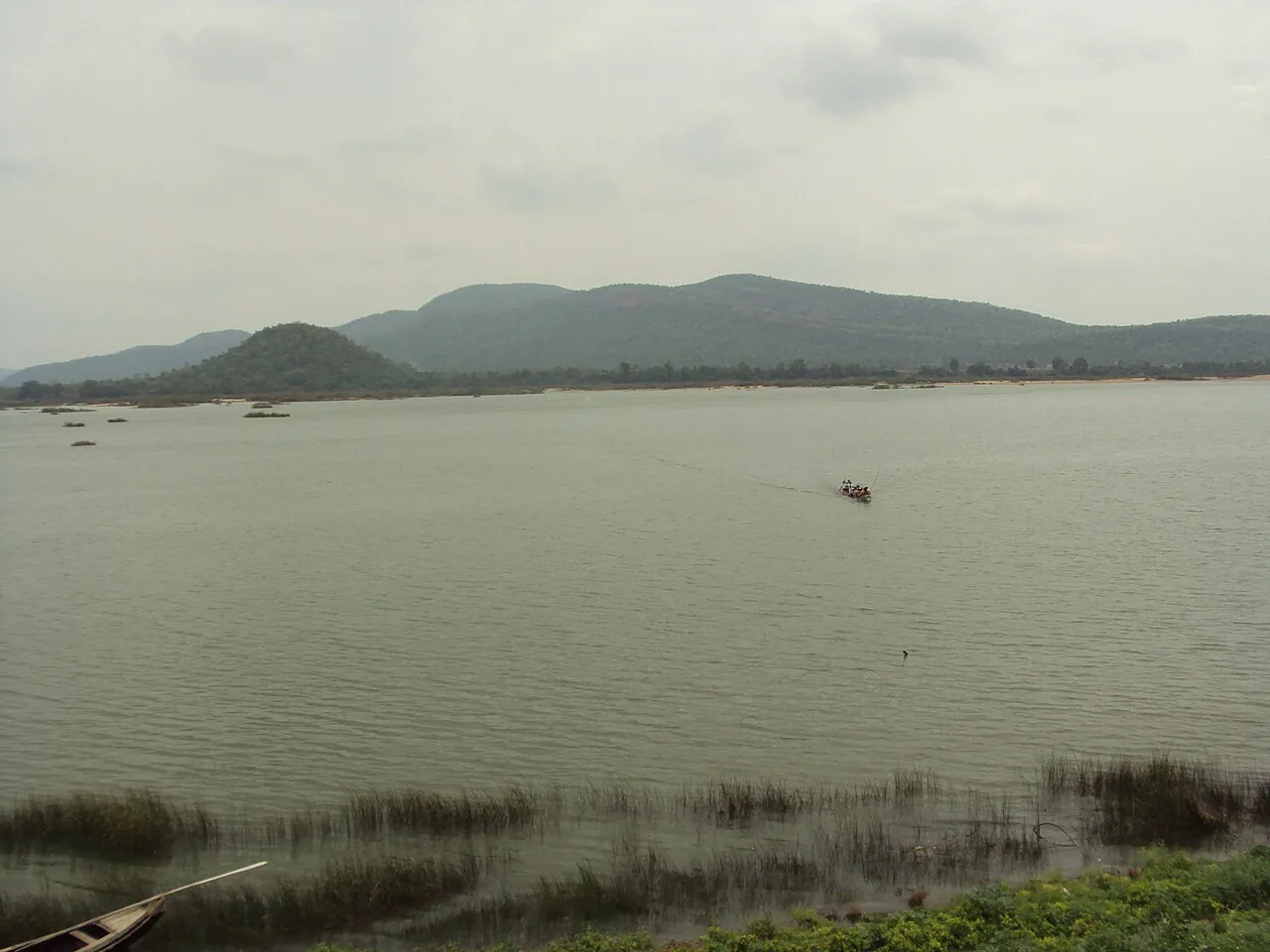
The riverbank setting offers a change of pace from the industrial landscape, and the town serves as a local centre for nearby settlements and journeys through this part of the Godavari region. Visitors are most likely to come for work, family connections or travel in the wider district rather than for a large circuit of conventional tourist attractions. Manuguru is also associated with a heavy water plant located about 12 kilometres away, an important part of India’s nuclear-energy infrastructure. Its appeal lies in this mix of riverine surroundings, industry and everyday Telangana town life.

Famous for: crafts, trade & products

Manuguru is best known for coal mining and energy-related industry rather than for a distinctive textile, handicraft or food trade. Singareni’s mines are central to the local economy and have shaped the town’s growth and employment. The area is also associated with a power plant and with a heavy water plant about 12 kilometres from town, whose output supports India’s nuclear-energy programme.

There is no widely established Manuguru-specific GI-tagged product or craft tradition to seek out. For everyday shopping, visitors can look to the town’s central commercial areas and local markets for groceries, clothing, household goods and regional snacks; these serve residents and nearby communities rather than functioning as specialist tourist markets. Coal and industrial facilities are working sites, not retail attractions, and access may be restricted. Those interested in the town’s products and trade will find its industrial role more distinctive than souvenir shopping. For locally made goods or seasonal produce, ask in town about current market availability rather than expecting a permanent craft bazaar.

History

Manuguru’s modern growth is closely tied to the development of coal mining in the Godavari valley. Singareni’s operations helped turn the settlement into an important industrial and employment centre, drawing workers and supporting services. Power generation and the nearby heavy water plant added further weight to its role in the region’s energy economy.

The wider area was historically part of the Hyderabad princely state before its integration into India in 1948. It later formed part of Andhra Pradesh and became part of Telangana when the state was created in 2014. Manuguru is now in Bhadradri Kothagudem district, formed in 2016 from the former Khammam district. There is limited basis for presenting the town as a major centre of a particular dynasty or colonial administration; its present-day identity is chiefly associated with industrial development, local administration and its position near the Godavari.

Food, festivals & culture

Telugu is the principal language of daily life, and Urdu is also heard in the region. Meals commonly follow Telangana tastes, with rice, lentils, vegetable curries and spicy preparations; local eateries generally serve familiar regional dishes rather than a signature Manuguru cuisine. Tea stalls and small restaurants are part of the town’s everyday social life.

Sankranti, usually in January, is marked by harvest-season customs, while Bathukamma and Dasara are celebrated during the autumn festival period. Diwali and other Hindu observances are also part of the calendar, alongside festivals observed by Muslim residents. Community events may include folk music and dance, though performances are more likely around celebrations than at regular visitor venues. Neighbourhood temples and mosques serve as important places of worship and gathering. The town’s culture reflects both Telangana traditions and the diverse communities drawn here by mining and other industries.

Visiting the city

The cooler months, roughly October to February, are generally more comfortable for visiting; summers can be very hot, and monsoon rain may affect local travel. The nearest airport is Vijayawada Airport, though road journeys from there are substantial. Manuguru railway station is the town’s principal rail connection. Check current connections before setting out, as services and onward transport can vary.

Local buses and auto-rickshaws are practical for getting around, with taxis useful for longer trips or reaching places outside town. The central market area offers a glimpse of everyday commerce, while the Godavari riverbank is the natural setting to explore. Industrial facilities are working sites and should be viewed only from places where public access is permitted. Manuguru is a useful base for local business and regional visits, but it is not organised around a formal tourist district.

Attractions

Places to visit in Manuguru

Sights within about 12 km of each other, even when they fall in different districts.

Map

Manuguru on the map

  1. 1Parnasala

Telangana

Other cities to explore