
Ghumoopedia — Explore, Discover, Experience
Sign in
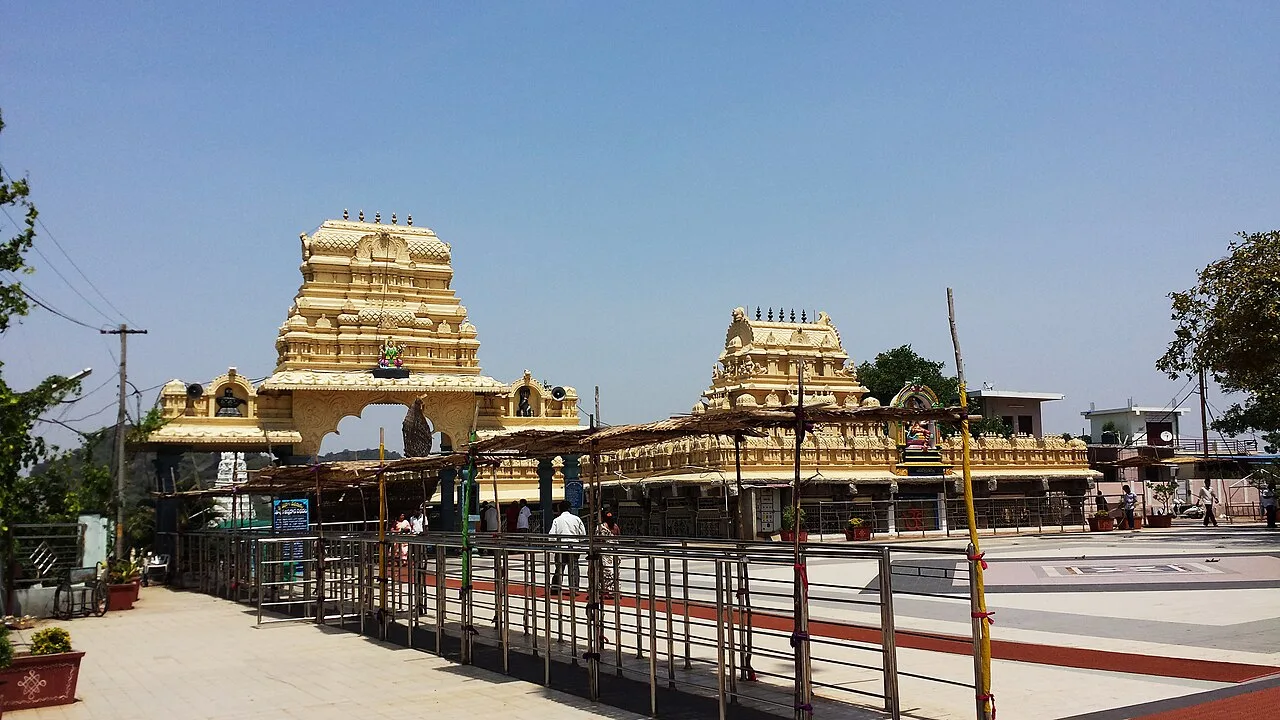
Bhadrakali Temple, near Warangal

City guide · Telangana

Warangal

Warangal is a major regional centre in eastern Telangana, closely linked with the neighbouring cities of Hanamkonda and Kazipet. Together, the three form the Warangal Tri-City, a hub for education, commerce and transport.

Famous for

  • Kakatiya stone gateways
  • Warangal durries
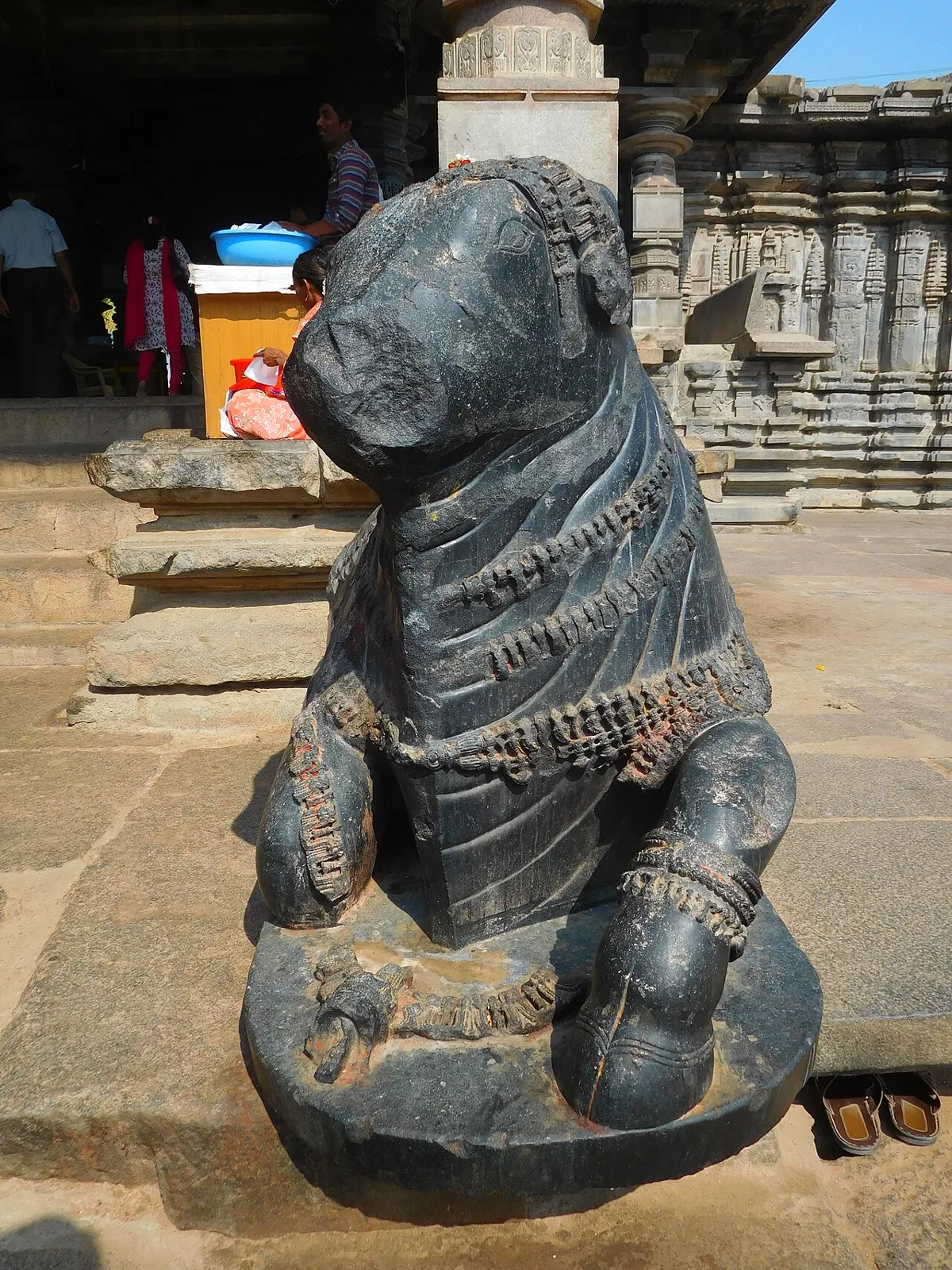
  • Thousand Pillar Temple
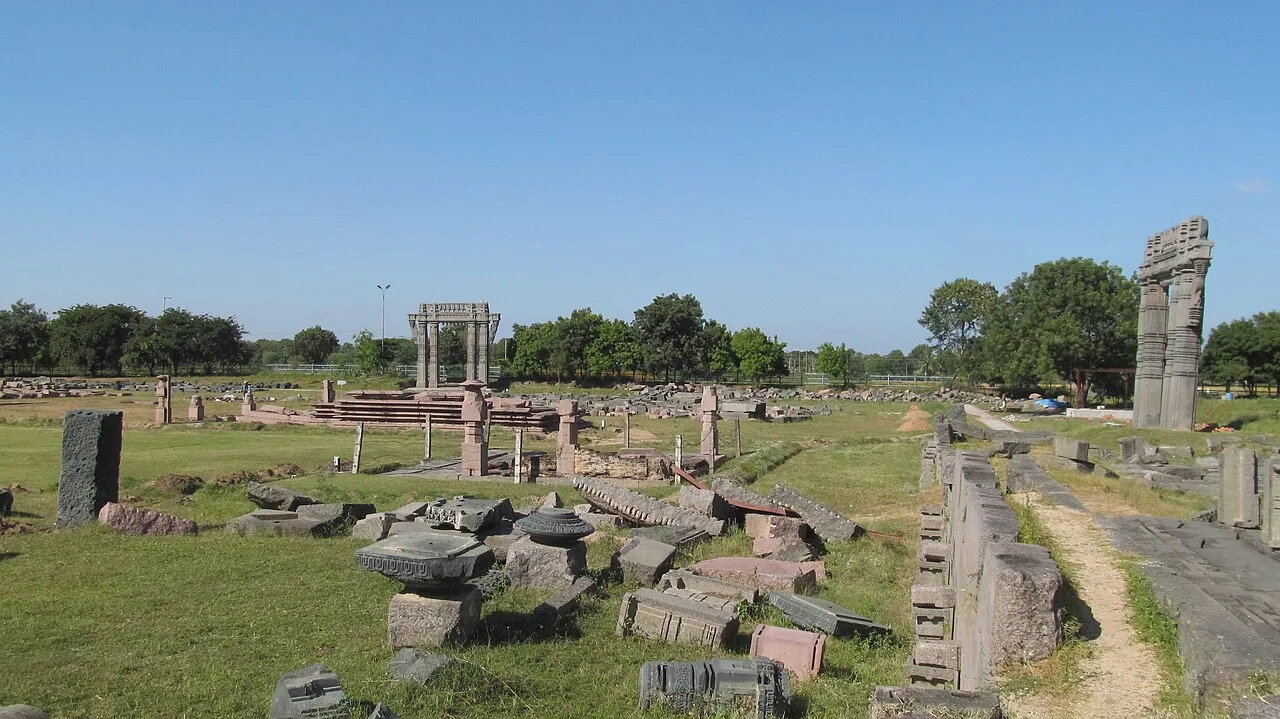
  • Warangal Fort
  • Bhadrakali Temple
  • Sammakka-Saralamma Jatara
In the city
3
Districts
Warangal, Hanamkonda

Why Warangal matters

Warangal is a major regional centre in eastern Telangana, closely linked with the neighbouring cities of Hanamkonda and Kazipet. Together, the three form the Warangal Tri-City, a hub for education, commerce and transport. Warangal’s present-day identity is inseparable from its past as the capital of the Kakatiya dynasty: its fort, temples and carved stone gateways are among Telangana’s best-known heritage landmarks. The Kakatiya Kala Thoranam, one of these gateways, appears in the state emblem.

Visitors come to explore Warangal Fort, the Thousand Pillar Temple in Hanamkonda and Bhadrakali Temple beside its lake, as well as to experience the region’s lively festivals and food. The city is also a convenient base for visiting the Kakatiya-era Ramappa Temple and the Sammakka-Saralamma Jatara at Medaram. Beyond tourism, Warangal serves as an educational and administrative centre and is part of UNESCO’s Global Network of Learning Cities. Its mix of historic sites, lakes, busy markets and modern institutions gives it an important place in Telangana’s cultural life.
Famous for: crafts, trade & products

Warangal is especially associated with handwoven cotton durries, also called rugs or floor coverings. Warangal durries have a Geographical Indication (GI) tag and are valued for their bold geometric designs and practical weave. Look for them at handloom and home-furnishing shops in the city’s markets; ask sellers about the maker and place of production if you want a locally woven piece. The city’s wider textile trade includes everyday cotton fabrics, though it is the durries that have the strongest local identity.

Warangal is not as closely identified with a single food product or craft market as it is with its heritage and weaving. Its markets serve the surrounding region, with shops selling clothing, household goods and produce. Agriculture, retail, education and small-scale manufacturing all contribute to the local economy. Kakatiya University and the National Institute of Technology Warangal, located in the Kazipet area, are prominent educational institutions that draw students from across India. For visitors, central Warangal and the Hanamkonda market areas are practical places to browse; check labels and ask about origin when seeking locally made textiles or crafts.

History

Warangal grew to prominence under the Kakatiya dynasty, which established its power in the region in the 12th century. During the reign of Ganapathideva, the capital shifted from Hanamkonda to Warangal. The dynasty’s rulers, including Rudrama Devi and Prataparudra, developed a powerful kingdom and left a lasting architectural legacy in the fort, temples and monumental gateways. The city’s older names, including Orugallu, refer to a single stone, traditionally associated with a large granite boulder.

Delhi Sultanate forces captured Warangal in 1323. The Musunuri Nayaks later retook it, and the city subsequently came under the Bahmani and Golconda sultanates. After Mughal conquest of Golconda, it became part of the Hyderabad state, a princely state under the Nizam rather than a directly administered British province. Warangal joined India with Hyderabad state in 1948 and became part of Andhra Pradesh in 1956. With the formation of Telangana in 2014, it became part of the new state. Today, its heritage precincts sit alongside expanding education, transport and urban services.

Food, festivals & culture

Telugu is the principal language of daily life; Urdu and Hindi are also heard. Food reflects Telangana’s hearty home cooking, with rice, lentils, millets and chilli among common ingredients. Sarva pindi, a savoury rice-flour preparation, and seasonal snacks such as sakinalu are enjoyed in the region; festive sweets include ariselu and boorelu. Restaurants and eateries around Warangal and Hanamkonda offer local meals as well as familiar South Indian dishes.

Bathukamma, the floral festival celebrated in the autumn, and Bonalu, observed during the monsoon season, are important parts of Telangana’s cultural calendar. The Sammakka-Saralamma Jatara at Medaram, held every two years, draws pilgrims from Warangal and far beyond. Folk performance traditions include Oggu Katha and Perini Sivatandavam, associated with Telangana’s storytelling and Kakatiya heritage. Places of worship include Bhadrakali Temple, the Thousand Pillar Temple and the historic shrines within Warangal Fort. These sites remain active religious places as well as major expressions of the region’s history.

Visiting the city

The most comfortable time to visit is generally from October to February, when days are milder; summers can be very hot, while monsoon showers usually arrive from June. Warangal has no regular commercial airport. Rajiv Gandhi International Airport in Hyderabad is the nearest major airport, with onward travel by road or rail. The main railway stations serving the tri-city are Warangal railway station and Kazipet Junction.

Auto-rickshaws, local buses and app-based or hired cars are useful for getting around; distances between some sights make a car convenient. Explore Warangal Fort and the old-city area, then visit Hanamkonda for the Thousand Pillar Temple and nearby markets. Kazipet is an important rail and educational hub. Bhadrakali Lake and temple make a pleasant stop, while Dharmasagar and Waddepally lakes offer quieter outings. Allow extra time for trips beyond the city, including Ramappa Temple and Medaram.

Attractions

Places to visit in Warangal

Sights within about 12 km of each other, even when they fall in different districts.

Map

Warangal on the map

  1. 1Bhadrakali Temple
  2. 2Thousand Pillar Temple
  3. 3Warangal Fort

Telangana

Other cities to explore