
Ghumoopedia — Explore, Discover, Experience
Sign in
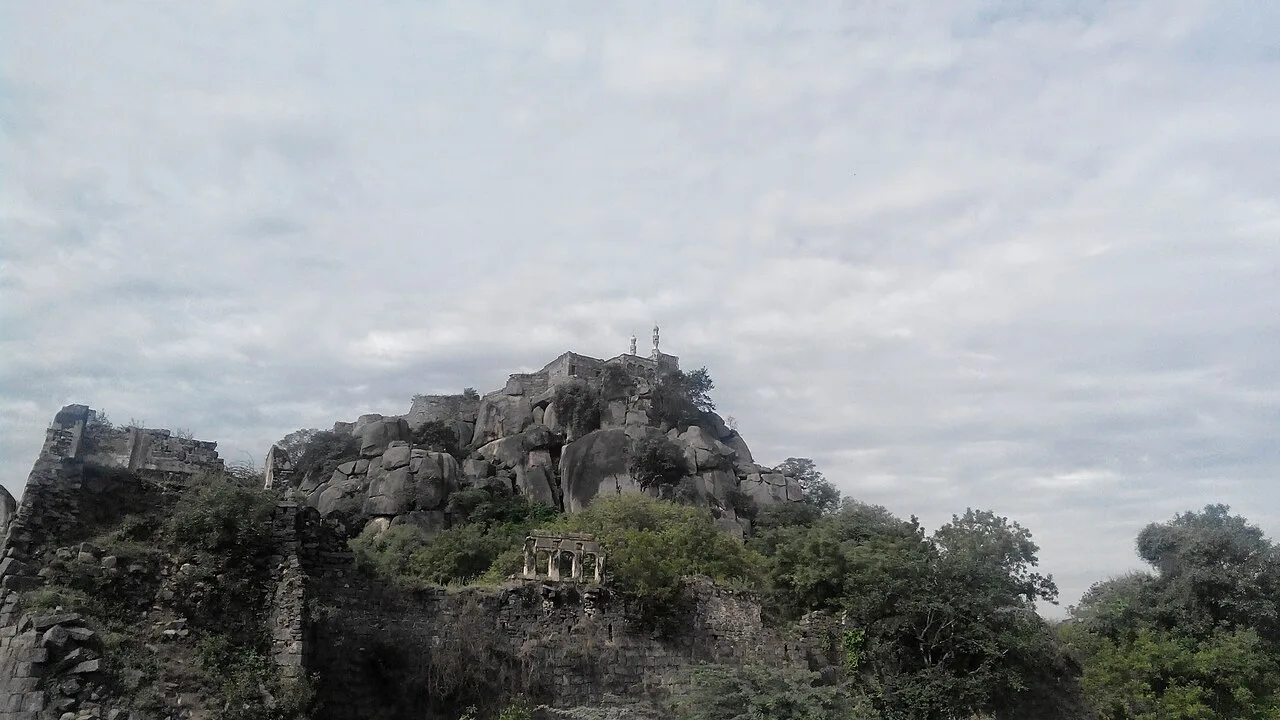
Elgandal Fort, near Karimnagar

City guide · Telangana

Karimnagar

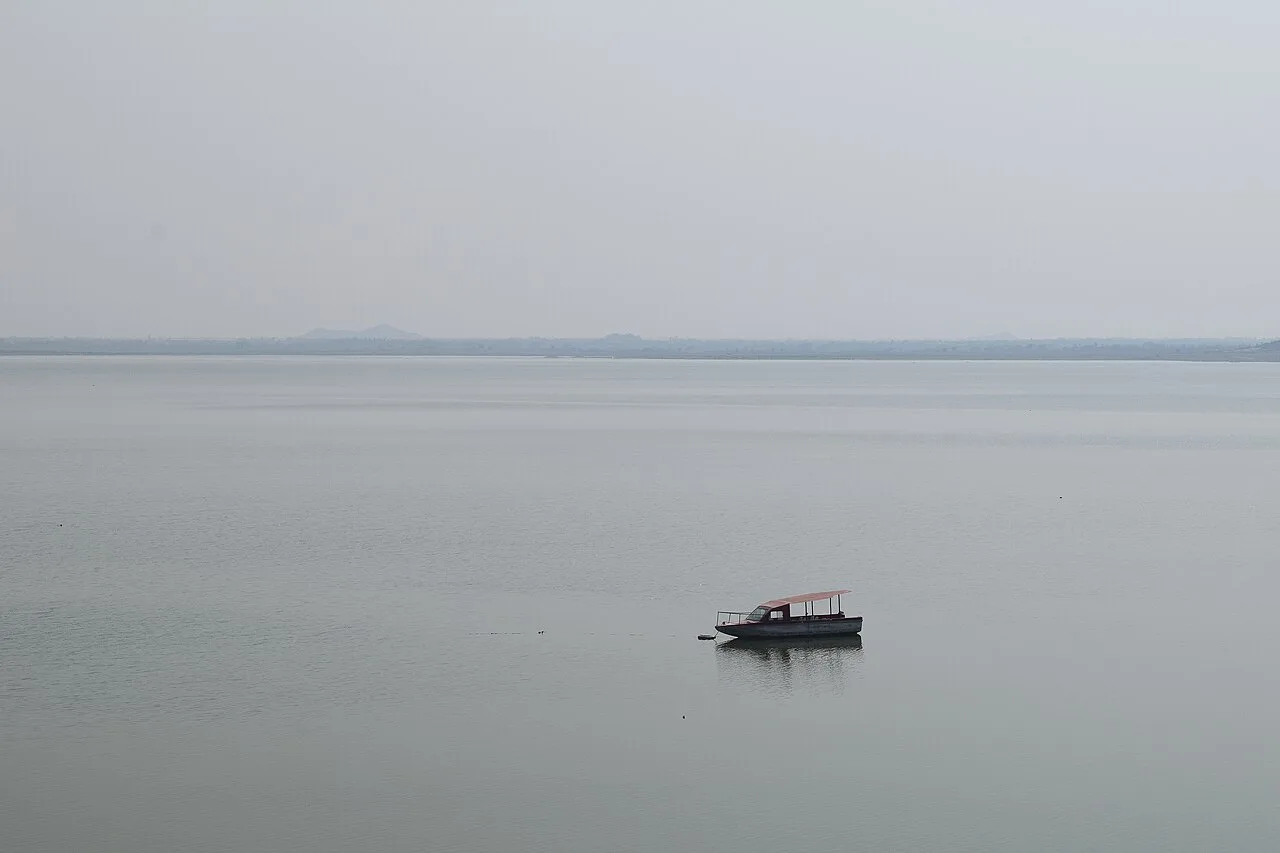
The city sits beside the Manair River, a tributary of the Godavari. Visitors can explore its central landmarks, including the Clock Tower and Karimnagar Kaman, or spend time around Lower Manair Dam.

Famous for

  • Karimnagar silver filigree
  • Granite industry
  • Lower Manair Dam
  • Karimnagar Clock Tower
  • Karimnagar Kaman
In the city
2
District
Karimnagar

Why Karimnagar matters

The city sits beside the Manair River, a tributary of the Godavari. Visitors can explore its central landmarks, including the Clock Tower and Karimnagar Kaman, or spend time around Lower Manair Dam. Elgandal Fort, a historic site beyond the city centre, is a popular regional excursion. Karimnagar is also associated with silver filigree, a delicate metalwork tradition, and offers a useful base for discovering the wider northern Telangana region. Its appeal lies less in a single landmark than in this mix of civic history, craft, commerce and access to nearby heritage sites.
Famous for: crafts, trade & products

Granite is another defining part of the economy, with quarrying and processing in the wider region. The nickname “City of Granites” reflects the industry’s prominence, though production sites are working facilities and should not be treated as visitor attractions without permission. Agriculture and related commerce support the city’s wholesale and retail trade. Karimnagar is also an education and healthcare hub for nearby districts, with institutions including Satavahana University. For visitors, the central market streets are the most practical place to look for local goods, jewellery and everyday Telangana products; there is no single signature textile market or food product that defines the city.

History

Karimnagar became a district in 1905. Although it was within a princely state rather than directly ruled as a British Indian district, colonial-era administration left a mark: District Collector Sir John Hunter oversaw construction of the city’s Clock Tower in the 1920s. The Karimnagar Kaman was built in 1937 to mark the Nizam’s Silver Jubilee. After Hyderabad State joined the Indian Union, the city became part of Andhra Pradesh in 1956 and then Telangana in 2014. Railway connection in the early twenty-first century strengthened its links with other regional centres.

Food, festivals & culture

Bathukamma, celebrated in the monsoon-to-autumn season, brings women together for flower arrangements, songs and dancing. Bonalu is observed during the monsoon, while Dasara and Sankranti are marked with family gatherings and local festivities; Eid is also an important celebration for the city’s Muslim community. Telugu is the main language, with Urdu and Hindi also heard. Telangana folk performance traditions feature at community events. Neighbourhood temples and mosques are part of daily life, and the wider region has well-known pilgrimage destinations for visitors making longer excursions.

Visiting the city

Start around the central Clock Tower and Karimnagar Kaman, then explore the commercial streets and continue towards Lower Manair Dam. Elgandal Fort, outside the central area, makes a worthwhile heritage outing; allow extra travel time and check local conditions before setting out. The city centre is practical for markets, food and everyday services, while the dam area offers a change of pace. Karimnagar also works as a base for exploring nearby towns and heritage sites across northern Telangana.

Attractions

Places to visit in Karimnagar

Sights within about 12 km of each other, even when they fall in different districts.

Map

Karimnagar on the map

  1. 1Elgandal Fort
  2. 2Lower Manair Dam

Telangana

Other cities to explore