
Ghumoopedia — Explore, Discover, Experience
Sign in
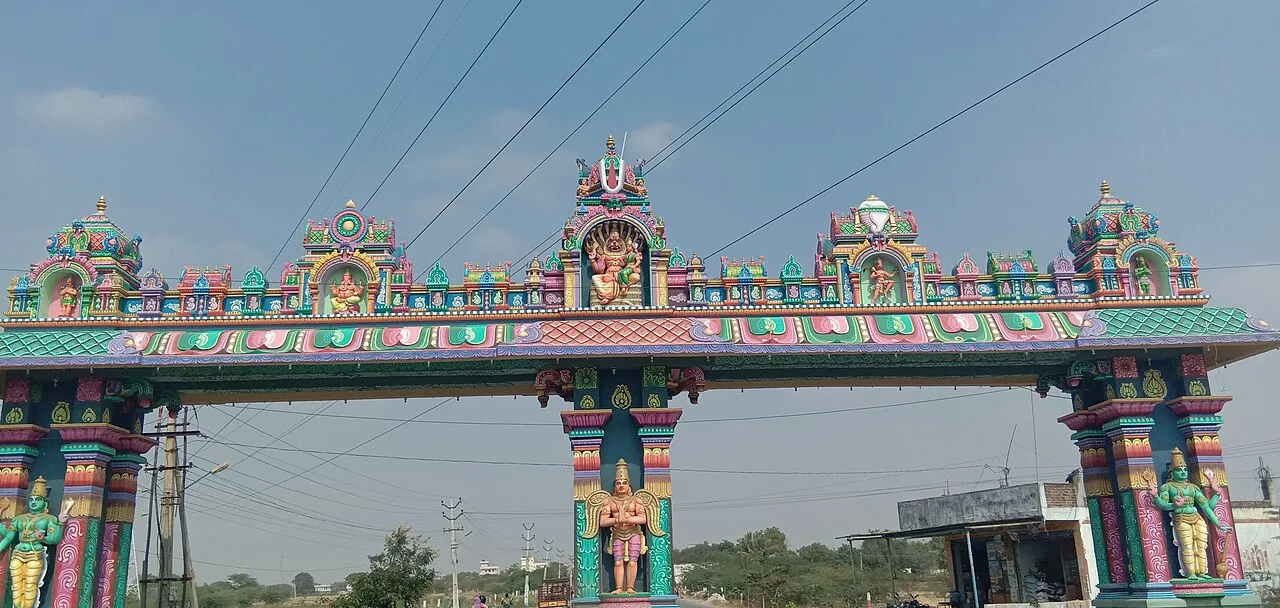
Cheriyal, near Siddipet

City guide · Telangana

Siddipet

Siddipet is a municipal city in northern Telangana and the administrative headquarters of Siddipet district. About 100 kilometres north of Hyderabad, it serves nearby towns and villages with government services, schools and colleges, healthcare, transport links and shops.

Famous for

  • Gollabhama handloom sarees
  • Siddipet district headquarters
  • Regional education centre
  • Local markets and trade
  • Telangana festivals
In the city
0
Nearby
2
District
Siddipet
Plan a trip

Why Siddipet matters

Siddipet is a municipal city in northern Telangana and the administrative headquarters of Siddipet district. About 100 kilometres north of Hyderabad, it serves nearby towns and villages with government services, schools and colleges, healthcare, transport links and shops. Its position between Hyderabad and Warangal also makes it a useful stop for people travelling through this part of the state.

The city is best known beyond the region for Siddipet Gollabhama sarees, a handloom tradition recognised for its distinctive woven figures. Visitors also use Siddipet as a base for exploring the surrounding district, including the pilgrimage centre of Komuravelli Mallanna Temple, which lies outside the city. In town, the central market and civic areas offer a view of everyday regional life rather than a large concentration of historic monuments. Siddipet’s importance today rests on this combination of administration, education, commerce and local identity: it is both a service centre for its district and a place where Telangana’s weaving and festival traditions remain visible.
Famous for: crafts, trade & products

Siddipet’s signature craft is the Gollabhama saree, a traditional handloom textile named for its small female-figure motifs woven into the fabric. The saree is associated with the town and has a Geographical Indication (GI) tag. Weaving is a specialised heritage rather than a claim that every textile sold locally is made by hand, so buyers looking for an authentic piece can ask retailers about its origin and weaving method.

Sarees and other clothing can be sought in Siddipet’s central market and local textile shops. The market also serves surrounding communities with everyday goods, groceries and household needs. Siddipet is not especially identified with a separate GI-tagged food or a single large manufacturing industry; its wider economy is shaped by retail, public services, education and trade connected to the surrounding district. District offices and educational institutions are among the city’s important institutions, while local shops and service businesses make it a practical commercial centre. For a broader craft-focused visit, ask locally about handloom sellers and weaving families rather than assuming that all central-market stock is locally produced.

History

Siddipet grew as a local settlement and trading centre in the wider Medak region, where routes and markets connected rural communities with larger Deccan towns. The area’s history belongs to the changing political landscape of Telangana, including the Kakatiya period, later Deccan sultanates and the Hyderabad State ruled by the Asaf Jahi dynasty. During British rule, Hyderabad remained a princely state under British paramountcy, rather than being governed as part of British India.

After Hyderabad State became part of the Indian Union in 1948, Siddipet developed as an administrative and commercial centre within the state’s changing district structure. It was part of Medak district before Telangana became a separate state in 2014. In 2016, Siddipet became the headquarters of the newly formed Siddipet district, strengthening its role as a centre for government services, education and regional trade. Its recent growth has been shaped chiefly by these civic functions and expanding links with Hyderabad and other Telangana cities.

Food, festivals & culture

Telugu is the principal language of daily life, and Urdu is also spoken. Food reflects the wider Telangana table: jonna rotte (sorghum flatbread), spicy curries and pachi pulusu, a tangy tamarind-based preparation, are familiar regional choices. Sarva pindi, a savoury pan-cooked rice-flour dish, and festive sweets and snacks such as ariselu and sakinalu are enjoyed in homes and at celebrations. These foods are shared across the region rather than unique to Siddipet.

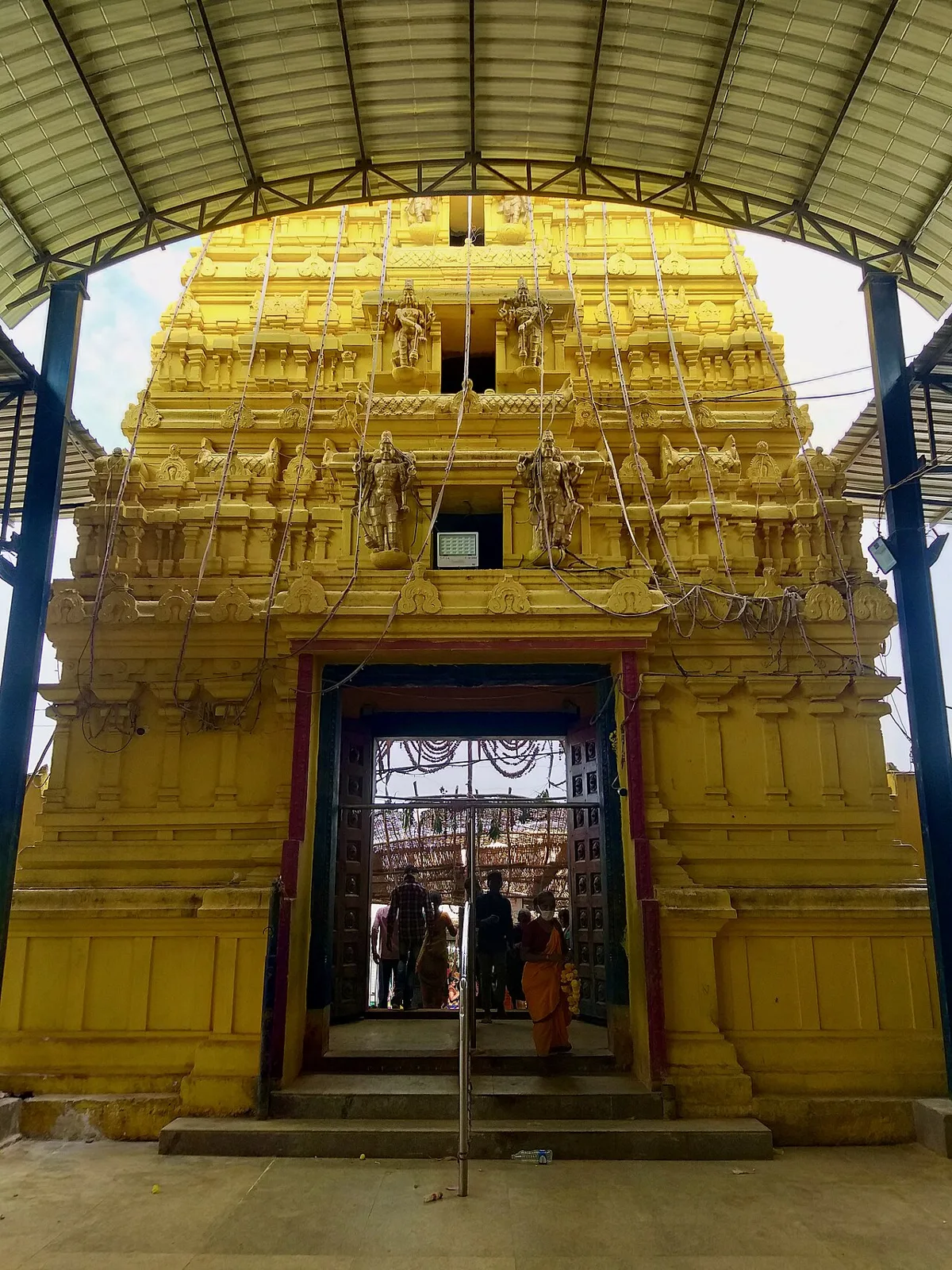
Bathukamma, celebrated in autumn, brings women together for flower arrangements, songs and community gatherings; Dasara falls in the same general season. Bonalu is observed during the monsoon period in Telangana, while Sankranti is a midwinter harvest festival marked by family visits and seasonal foods. Folk and devotional singing, including Bathukamma songs, are part of local celebrations. Temples and mosques serve the city’s communities. The well-known Komuravelli Mallanna Temple is a pilgrimage destination in Siddipet district, but it is outside the city itself.

Visiting the city

The cooler months from October to February are generally the most comfortable for a visit; summer can be very hot, and monsoon weather may affect road journeys. Rajiv Gandhi International Airport in Hyderabad is the nearest major airport. Siddipet has a railway station; Secunderabad Junction is a major rail gateway for wider connections. Check current services when planning, as routes and availability can change.

Buses connect Siddipet with Hyderabad, Warangal and towns across the district. Within the city, auto-rickshaws and local taxis are useful for short trips. Start around the central market to browse shops and experience the everyday commercial centre, then explore nearby civic and educational areas. Those interested in pilgrimage can arrange a separate trip to Komuravelli Mallanna Temple in the district; it is not within the city.

Short trips

Around Siddipet

Within about 40 km — easy half-day or day trips from the city.

Map

Siddipet on the map

  1. 1Cheriyal
  2. 2Komuravelli Mallanna Temple

Telangana

Other cities to explore