
Salar Jung Museum
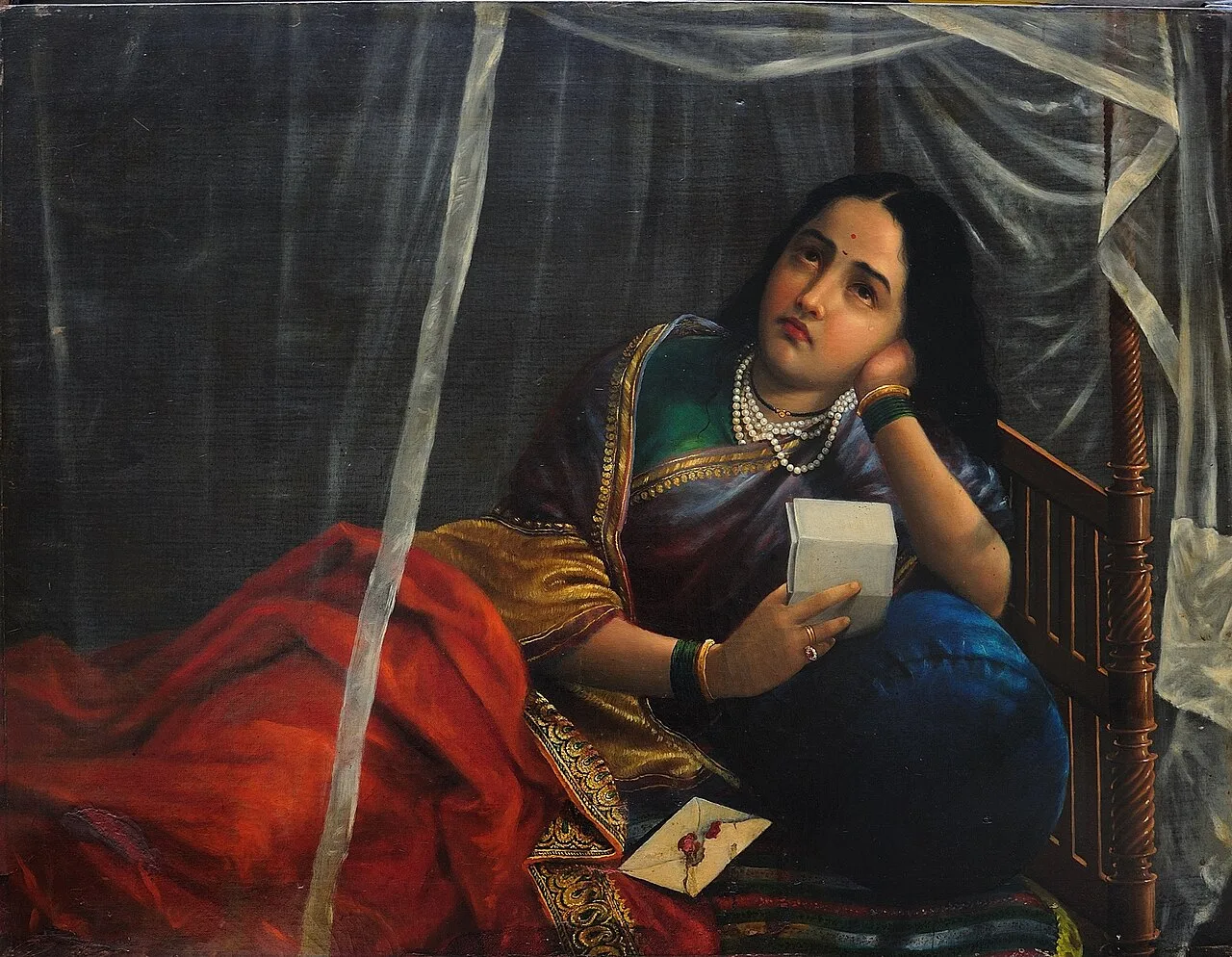
In Hyderabad, Salar Jung Museum draws visitors to view artworks and artefacts once held by the Salar Jung family, with objects representing cultures from across several continents.
Key facts · verified by Ghumoopedia editors
- Type of place
- Heritage monument
- Best time to visit
- October to February; July to September for waterfalls in Adilabad and Mulugu
- Nearest railway station
- Hyderabad Deccan (Nampally) · about 3 km (straight line)
- Verified
- 21 Nov 2026
Plan a trip from Salar Jung Museum — a day-by-day route through places nearby.
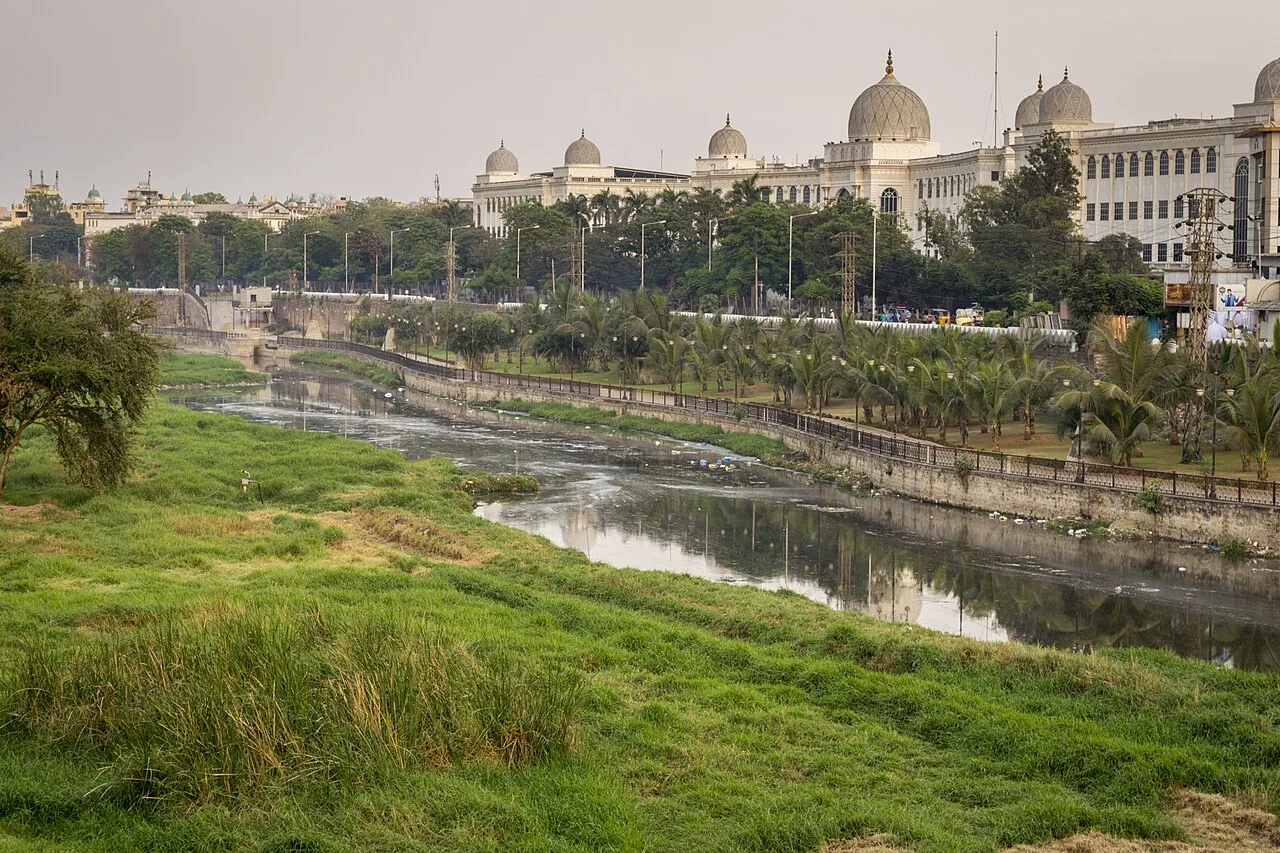
Salar Jung Museum is an art museum in Dar-ul-Shifa, within Hyderabad district, Telangana. It lies on the Musi River’s southern side and is counted among India’s National Museums. The collection began as the Salar Jung family’s private holdings. After Salar Jung III died, it was given to the nation. The museum was inaugurated on 16 December 1951. Its holdings include paintings, sculptures, textiles, carvings, manuscripts, ceramics, clocks, carpets, furniture and metal artefacts. They come from India, Nepal, Burma, China and Japan, as well as Persia, Egypt, Europe and North America. Telangana joins the Deccan's Islamic heritage — the Qutb Shahi and Asaf Jahi monuments of Hyderabad, Golconda and the Charminar — with the Kakatiya temples and forts of Warangal and the UNESCO-listed Ramappa Temple, the Godavari pilgrim towns of Bhadrachalam, Basar and Kaleshwaram, the Buddhist heritage of Nagarjunakonda, the ikat weaves of Pochampally and the tribal forests of Mulugu, Adilabad and the Nallamala hills. Summers from March to early June are very hot and dry, often above 40 °C; the southwest monsoon brings rain from June to September and fills the waterfalls of Adilabad and Mulugu. October to February is pleasant and dry, with cool mornings in December and January. The usual best time to visit is October to February; July to September for waterfalls in Adilabad and Mulugu. Timings, fees and access arrangements must be confirmed locally. For official information, see Telangana Tourism at https://tourism.telangana.gov.in.
Why it matters
Salar Jung Museum is a major art museum in Hyderabad and one of India’s notable national museums. Its collections bring together objects from India and several regions of Asia, the Middle East, Europe and North America, making it an important resource for studying art, craft and material culture across different periods. The museum began as the private collection of the Salar Jung family and was endowed to the nation after the death of Salar Jung III. It was inaugurated in 1951. The Government of India recognises it as an Institution of National Importance. Its location at Dar-ul-Shifa, on the southern bank of the Musi River, also places it within Hyderabad’s historic centre.
The museum grew from the private collection of the Salar Jung family, a prominent family in the former Hyderabad State. Mir Yousuf Ali Khan, known as Salar Jung III, became especially associated with the collection through his acquisitions of art and objects from India and abroad. Stories about the collection often focus on his role, though it is better understood as a family collection shaped over time. After Salar Jung III died in 1949, the collection was endowed to the nation. The museum was inaugurated on 16 December 1951, initially at Dewan Deodi, the family residence. It later moved to its present museum building at Dar-ul-Shifa, which opened in 1968. The Salar Jung Museum Act of 1961 gave the institution national importance. Today, the museum is managed as a public institution, with galleries presenting a wide range of collections. As with other large museums, objects require ongoing documentation, care and conservation; visitors should follow current gallery rules to help protect them.
Origin stories & folklore
There is no widely established foundation legend for Salar Jung Museum comparable to the origin stories associated with some temples or forts. Local accounts and popular retellings sometimes present the collection as the work of a single remarkable collector who gathered treasures from across the world. The documented history is more nuanced: the collection belonged to the Salar Jung family, with Salar Jung III particularly associated with its growth, and it was endowed to the nation after his death. Visitors may also hear stories about individual artworks, but these should be treated as anecdotes unless supported by the museum’s interpretation or catalogue.
Architecture & design
The museum occupies a purpose-built public gallery building at Dar-ul-Shifa rather than a preserved royal palace. Its design serves the practical needs of displaying and protecting a large, varied collection. Visitors move through galleries arranged in sections, with displays covering Indian, eastern and western collections and different kinds of material, including paintings, sculpture, textiles, manuscripts, clocks and decorative arts. The building’s gallery layout allows objects of different scale and origin to be shown in separate settings. The museum is best approached as a collection housed in an institutional building, not as a historic residence with original court rooms to explore. Exhibition arrangements can change as objects are conserved or galleries are updated, so follow current signs and staff guidance when planning a route.
Important objects & sculptures
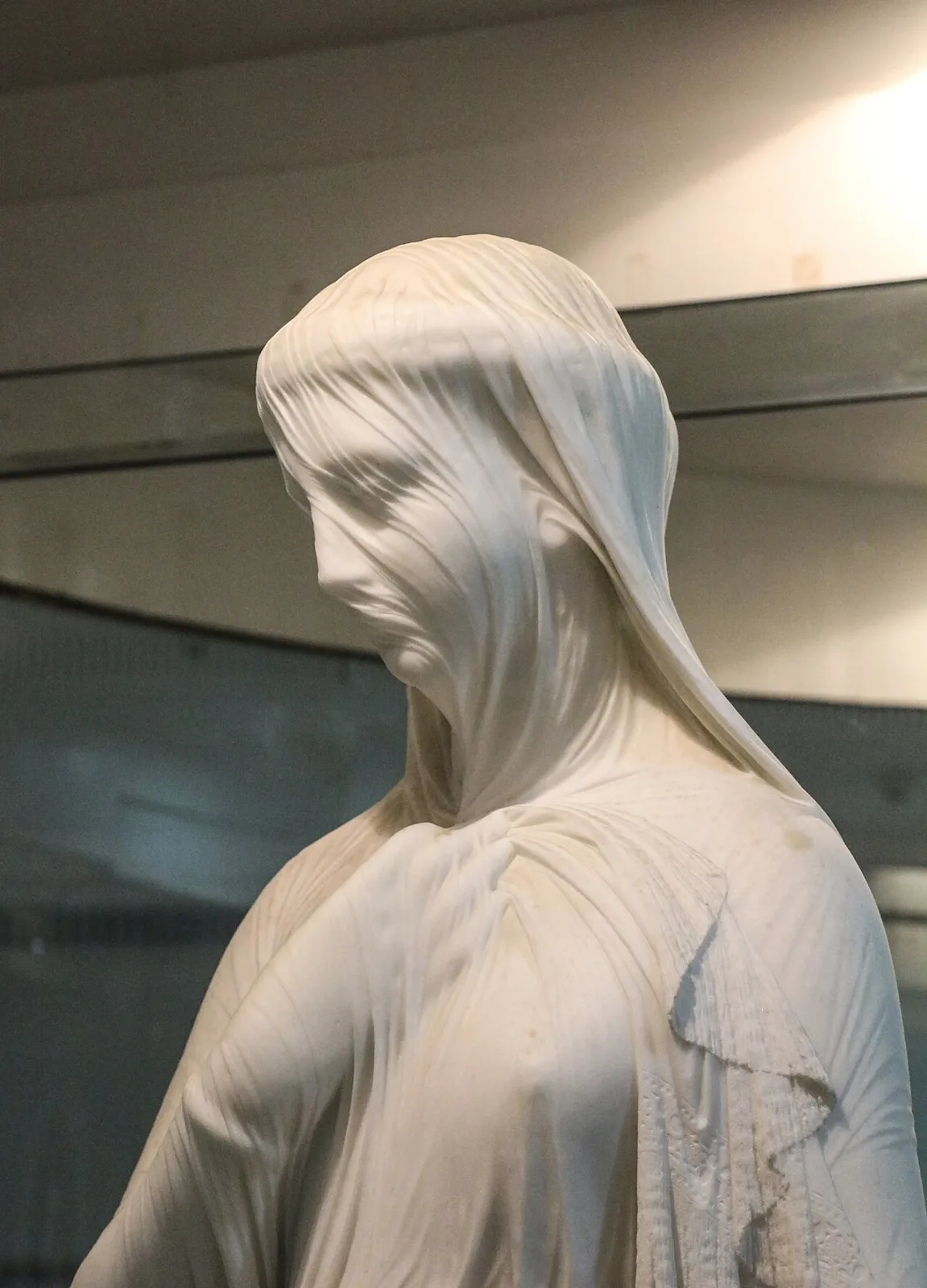
Look for the museum’s internationally known Veiled Rebecca, a marble sculpture by the Italian sculptor Giovanni Maria Benzoni, and the unusual double-sided sculpture showing Mephistopheles and Margaretta. The collection also includes Indian paintings and carvings, manuscripts, textiles, carpets, ceramics, metalwork, ivory and furniture. Visitors interested in objects from beyond India can look for works and decorative arts associated with Japan, China, Persia and Europe. The museum is also known for its collection of clocks; displays and operating condition can vary, so check labels and current gallery arrangements. Read the interpretation beside each object for its date, material and provenance.
Explore Salar Jung Museum slowly and read the interpretation boards, or hire an authorised guide to understand its history. Check opening days, ticket counters and camera rules in advance; many monuments and museums close on one weekday and on some public holidays. Early morning gives softer light, cooler air and smaller crowds. A comfortable itinerary is one main visit in the morning, a local meal at midday and a short nearby stop before an afternoon return. In the hot months, plan outdoor sightseeing for early morning and late afternoon, and spend midday in a museum or a long lunch. Use the district list on this site to find other places in Hyderabad, but check the route and its condition before combining stops. If a festival is on — such as Bathukamma and Dasara in autumn, Bonalu in July–August, the biennial Medaram Sammakka Saralamma Jatara, Sankranti or Ramzan in Hyderabad's Old City — roads and stays can be busy, and the experience can be unforgettable. Leave no litter: many sites are protected by the communities around them.
Suggested itineraries
Half day: Spend about 2–3 hours in the museum, taking time to read gallery labels; have a nearby meal; then visit Charminar or Laad Bazaar if energy and traffic allow. Full day: Explore the museum in the morning; take a relaxed lunch; visit Chowmahalla Palace and, if time permits, Charminar and the surrounding Old City streets in the afternoon. Gentler option: Focus on a few museum galleries, take seated breaks, and use a taxi between the museum and one nearby attraction rather than walking the Old City route.
The museum sits within Hyderabad, a city shaped by Telugu, Urdu and Dakhni-speaking communities and by the Deccan’s long history of cultural exchange. Its collections offer a way to encounter artistic traditions from India and beyond, while the surrounding neighbourhood reflects the everyday life of the city. Visitors may hear several languages in galleries and nearby streets. Customs vary by community and occasion; modest, comfortable clothing and considerate behaviour are suitable for a public cultural institution. The museum is a place for quiet viewing and learning rather than a performance venue, though Hyderabad’s music, food and craft traditions can be explored elsewhere in the city.
Festivals & events
The museum is not known as the site of a major annual festival, but its central Hyderabad location makes festival periods relevant to visitors. Ramzan brings a lively atmosphere to the Old City, especially around evening food markets, while Bonalu is celebrated in Hyderabad and other parts of Telangana during the monsoon season. Bathukamma and Dasara are observed in autumn, and Ganesh Chaturthi can bring processions and local road closures. Festival crowds may affect traffic, parking and access to nearby streets. Check locally before combining a museum visit with Old City sightseeing during major celebrations.
Local food in Telangana includes Hyderabadi dum biryani, haleem during Ramzan, mirchi ka salan, double ka meetha and qubani ka meetha, Irani chai with Osmania biscuits, and Telangana village dishes such as sarva pindi, jonna rotte with spicy pachadi, natu kodi (country chicken) curry and sakinalu during Sankranti. Ask what is fresh that day; many small eateries cook a limited daily menu. Hyderabad's Old City around Charminar is the place for biryani, haleem and late-night Irani cafés; in the districts, Telangana food is spicy and rustic, with millet rotis and tangy pachadis. Temple towns such as Yadadri, Basar and Bhadrachalam serve strictly vegetarian food. Remote sites may have no restaurant at all. Carry water and snacks, eat a proper breakfast before long drives, and ask your accommodation for a packed lunch if you are heading out early. Try a home-cooked or local thali meal when you can — it is often the best food on the route. Choose busy, clean places, drink sealed or filtered water, and carry your packaging back with you.
Shopping & local experiences
For local shopping, look for bangles and traditional accessories around Laad Bazaar, and explore Hyderabad’s markets for pearls, textiles and craft items. The museum shop, if open, may offer books or souvenirs related to its collections; check on arrival. Pochampally ikat and other Telangana crafts are available through specialist sellers around the city, though they are not specific to the museum neighbourhood. For a food experience, seek out Hyderabadi dishes, Irani chai or Osmania biscuits from established local cafés and eateries. Compare items and ask about materials and workmanship before buying.
October to February; July to September for waterfalls in Adilabad and Mulugu
The nearest principal railway station by straight-line distance is Hyderabad Deccan (Nampally), roughly 3 km away. The nearest operating airport by straight-line distance is Rajiv Gandhi International Airport, Hyderabad, roughly 16 km away. These figures are calculated from map coordinates — actual road distance is longer. Hyderabad (Rajiv Gandhi International Airport and the Secunderabad, Nampally and Kacheguda stations) is the main gateway; Kazipet and Warangal serve the Kakatiya region, Bhadrachalam Road (Kothagudem) serves the Godavari temples, and Nizamabad, Mancherial and Adilabad serve the north. Inside Hyderabad, the Metro and MMTS suburban trains avoid the worst traffic; app cabs and autos cover the last stretch. Allow extra time at peak hours, when cross-city journeys can take more than an hour. When comparing train, bus and flight, count the complete door-to-door time: a flight saves the most time only if the onward road transfer is short, while an overnight train can save a hotel night. For Telangana, Hyderabad is well linked by air and by overnight trains from most metros; for district sites, an early express train followed by a road transfer is often quicker than driving out of the city. Book your return before you leave, because seats fill quickly on weekends, festivals and holidays. Current train numbers, timings, return services and fares are not listed here; check IRCTC and NTES for trains and the airline's own schedule for flights. No permit is needed to visit Telangana. Monuments such as Golconda Fort, the Qutb Shahi Tombs and Ramappa Temple have entry tickets (buy them online where possible), and several Hyderabad museums and palaces — including the Salar Jung Museum and Chowmahalla Palace — close on Fridays. Jungle safaris in Amrabad and Kawal tiger reserves must be booked in advance through the Telangana Forest Department and do not run in the monsoon closure season.
Confirm onward and return timings on IRCTC / NTES, the state bus operator or your airline before travel. A dash means current timings or fares have not been verified.
Getting around
Autos and app-based taxis are practical for reaching the museum and for moving between it and other parts of Hyderabad. Local buses serve the broader central area, though routes and stops may be less convenient for a first-time visitor; check locally. Walking can work for nearby Old City sights, but pavements, crossings, traffic and heat may make some routes uncomfortable. Allow extra time during rush hours and festival periods. Parking availability can vary, so ask locally before driving. There is no need to plan a boat journey on the Musi for a museum visit.
Hours, tickets & permissions
Entry is subject to the museum’s current ticketing and visitor rules. Check whether advance booking is available, which galleries are open, and whether any weekly closure or public-holiday closure applies. Rules may differ for still photography, video recording, flash, large bags and food or drink. Some exhibits may be temporarily unavailable for conservation or display changes. Confirm current opening hours, ticket fees and entry requirements with the Salar Jung Museum or its official visitor information before setting out.
Facilities
The museum usually has visitor services such as ticketing, gallery staff and basic visitor amenities; availability can change, so check locally. Ask at the entrance about toilets, drinking water, cloakroom or bag arrangements, and any accessibility support. Food options and shops may be available in the surrounding area, but do not assume a café is open inside the museum. ATMs and a wider choice of meals can be found elsewhere in central Hyderabad. Authorised guides or guided information may be available; confirm arrangements with the museum before your visit.
Accessibility
A museum visit involves moving through indoor galleries and may require sustained standing or walking. The building has multiple gallery areas, and the route can feel tiring for older visitors or anyone with limited mobility. Conditions such as steps, thresholds, seating, lifts and accessible toilets should be confirmed with the museum before arrival; do not assume every gallery is step-free. Strollers may be awkward in crowded rooms. Take breaks, wear comfortable shoes and ask staff about the most manageable route. Hyderabad’s heat, busy roads and uneven or crowded pavements can also make the approach challenging.
No permit is needed to visit Telangana. Monuments such as Golconda Fort, the Qutb Shahi Tombs and Ramappa Temple have entry tickets (buy them online where possible), and several Hyderabad museums and palaces — including the Salar Jung Museum and Chowmahalla Palace — close on Fridays. Jungle safaris in Amrabad and Kawal tiger reserves must be booked in advance through the Telangana Forest Department and do not run in the monsoon closure season. Carry a photo ID at all times and save the emergency number 112 and your accommodation's contact offline. Summer heat is the main weather risk — carry water, wear a hat and avoid the midday sun; in the monsoon, allow extra time when roads flood. Watch your belongings in crowds and on public transport, and follow posted instructions.
Photography
Check the museum’s current rules before taking photographs: permissions may differ for still photography, video, flash and particular galleries or objects. Follow signs and staff instructions, and never touch display cases to steady a camera. Indoor gallery light is controlled for conservation, so a phone or camera may produce better results without flash. For exterior photographs, softer morning or late-afternoon light is generally more comfortable than midday heat. Drone use should not be assumed to be permitted; check applicable rules and avoid flying over crowds. Ask before photographing visitors or staff.
Choose a stay by the full journey to Salar Jung Museum, not just the district name. Hyderabad has stays in every range: Banjara Hills, Jubilee Hills and HITEC City suit business and comfort travellers, while Abids and the Old City are closer to the heritage sights. In summer, check air-conditioning; in the monsoon, check that the property is accessible if roads flood. Book in advance for weekends, festivals and the peak season (October to February; July to September for waterfalls in Adilabad and Mulugu). Confirm the exact location, meals included, check-in time and cancellation terms in writing. Avoid sending money to unverified contacts or touts at stations. Carry some cash, as card and digital payments can be unreliable in remote areas.
In Hyderabad’s historic centre, visitors can combine the museum with Charminar, Mecca Masjid, Chowmahalla Palace and Purani Haveli, subject to opening arrangements and travel time. Laad Bazaar is known for bangles and other Old City shopping. These sites are not all immediately beside one another, and traffic or festival closures can affect the route, so check conditions before planning several stops. Golconda Fort is another well-known Hyderabad attraction, but it is better treated as a separate trip rather than an assumed short walk from the museum.
For couples, Salar Jung Museum rewards a slow pace: arrive early for soft light and fewer crowds, share a local meal and keep the evening free. A sunset at Golconda Fort, dinner at a heritage palace in Hyderabad, a boat ride on Laknavaram lake or an evening at Hussain Sagar makes the trip memorable. Public displays of affection can be frowned upon in conservative communities and at religious sites, so be discreet. Keep a buffer in your itinerary, because weather and road conditions can delay plans.
Q: How much time should I allow for Salar Jung Museum? A: Allow at least a few hours to see selected galleries; a fuller visit takes longer, especially if you read the labels carefully. Q: What is the best season to visit? A: October to February is generally the most comfortable season for Hyderabad sightseeing. Summer is very hot, while monsoon weather can bring rain. Q: Do I need a ticket, and can I take photographs? A: Entry and photography are subject to current museum rules. Confirm ticketing, fees and camera permissions with the museum before visiting. Q: Is the museum suitable for children and elderly visitors? A: Yes, but the galleries involve walking and standing. Plan breaks, keep children close to displays, and check accessibility arrangements in advance. Q: Where can I stay nearby? A: Hyderabad has accommodation across several districts and price ranges. Choose a location based on your wider itinerary and check current transport connections to the museum.
Be the first to share photos, stories, advice or a helpful contact for Salar Jung Museum.
Loading…