
District · Telangana
Yadadri Bhuvanagiri
Yadadri Bhuvanagiri offers a compact introduction to several strands of Telangana life east of Hyderabad.
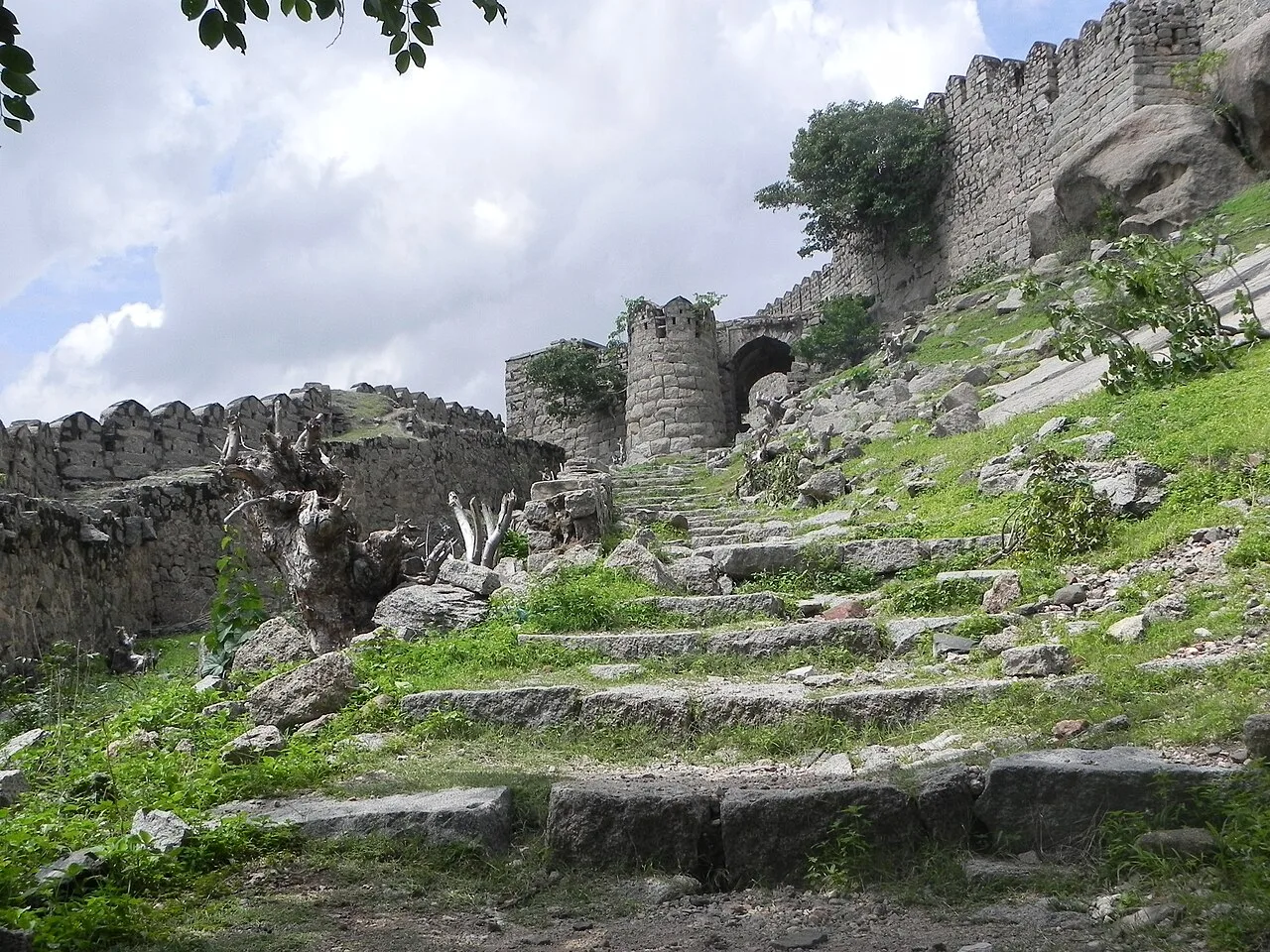
Yadadri Bhuvanagiri lies east of Hyderabad, where rocky hillocks, agricultural land and small towns shape a distinctly Telangana landscape. Bhongir, also called Bhuvanagiri, is dominated by its hilltop fort, a striking reminder of the region’s medieval military history. Nearby, Yadagirigutta’s Sri Lakshmi Narasimha Swamy Temple gives the district an important place in Telangana’s pilgrimage traditions. Bhoodan Pochampally adds another dimension through its weaving heritage and association with the Bhoodan land-gift movement. Together, these places bring fort architecture, religious life and living textile traditions into a relatively compact touring area. The district rewards unhurried visits that leave time for both its prominent landmarks and everyday town life.
Yadadri Bhuvanagiri offers a compact introduction to several strands of Telangana life east of Hyderabad. Bhongir Fort rises above the town of Bhongir, while Yadagirigutta’s Sri Lakshmi Narasimha Swamy Temple draws pilgrims from across the state and beyond. Bhoodan Pochampally is known for its ikat weaving and its connection to the Bhoodan land-gift movement. These destinations bring together a medieval fort, an active pilgrimage centre and a living craft tradition. The district suits travellers who want to combine heritage and religious visits with time in working towns and weaving communities, rather than focus on a single large city or wilderness area.
Bhongir Fort is associated with the Western Chalukya ruler Tribhuvanamalla Vikramaditya VI, who ruled in the 11th century; the name Bhuvanagiri is linked to this history. The area later came under successive regional powers, including the Kakatiyas and, in later centuries, the Bahmani and Qutb Shahi sultanates, before becoming part of the expanding Mughal and then Asaf Jahi realms. Under the Nizams, it formed part of Hyderabad State; the district’s towns and villages were shaped by this regional political history rather than by direct British provincial administration. In 1951, the village now known as Bhoodan Pochampally became an important starting point for Vinoba Bhave’s Bhoodan movement, after local land was donated for redistribution. Telangana became a state in 2014. Yadadri Bhuvanagiri district was formed in 2016 from areas that had been part of the former Nalgonda district. Yadagirigutta’s temple has a long history of worship, alongside major modern renovation and development.
5 destination guides · 4 on the map
Bhongir Fort
Bhongir Fort, also known as Bhuvanagiri Fort, is a stronghold in Telangana that visitors come to see for its elevated rocky setting within Bhongir.
Koyalagudem
Koyalagudem is a village in Telangana’s Yadadri Bhuvanagiri district. Visitors may be interested in its Ikat handloom industry, which makes cotton and silk textiles for domestic use and export.
Pochampally Ikat Village
Bhoodan Pochampally is a census town in Telangana known for its handloom Ikat sarees. Visitors are drawn by its textile production and the many looms used to make them.
Puttapaka
Puttapaka, in Telangana’s Yadadri Bhuvanagiri district, is known for its ikat saris. Visitors are drawn to the village’s tie-dye style and its intricate double-ikat silk work.
Yadagirigutta (Yadadri) Temple
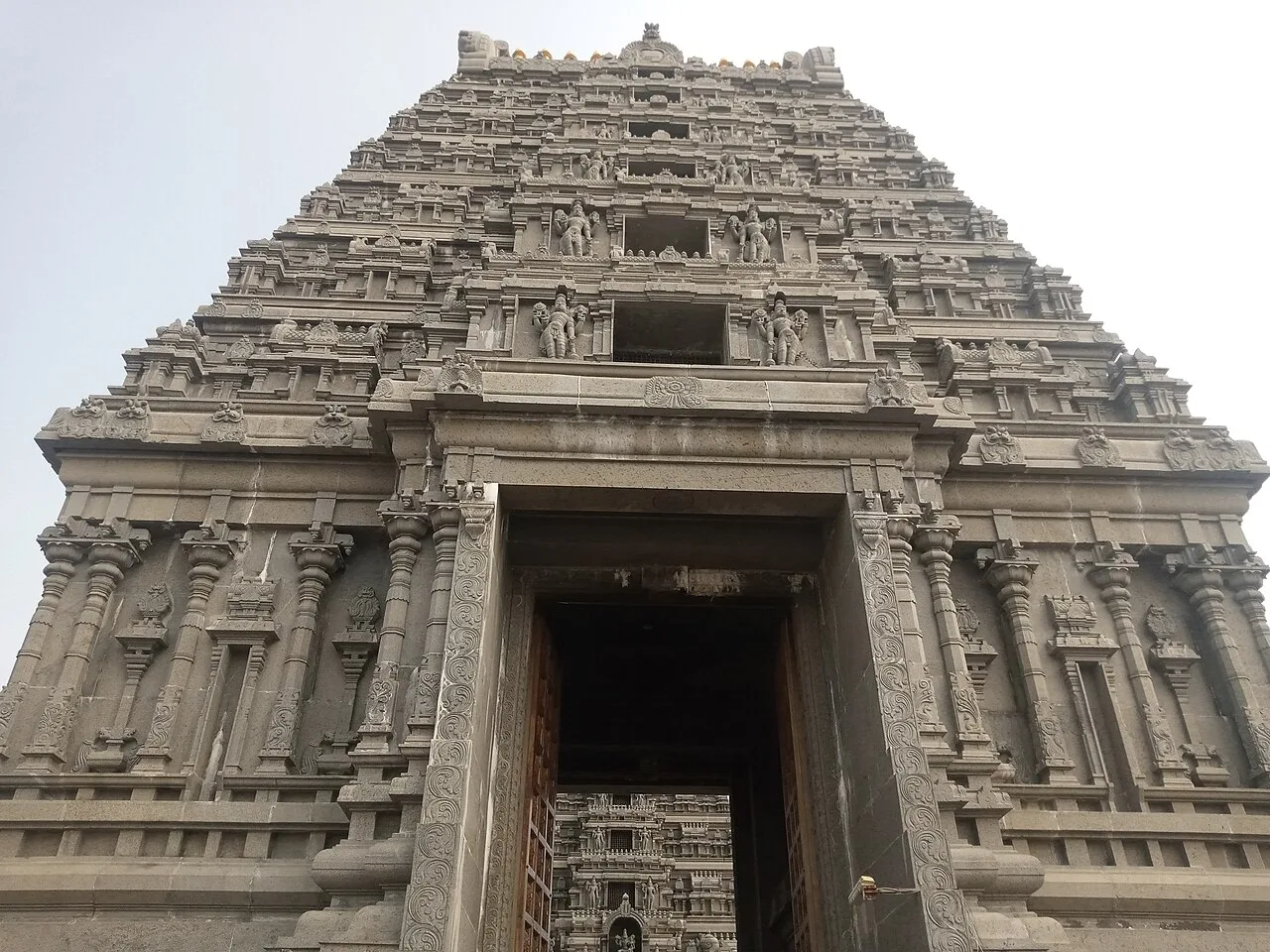
Yadadri Temple is a Hindu shrine near Yadagirigutta in Telangana’s Yadadri Bhuvanagiri district. Visitors come to worship Narasimha, an avatar of Vishnu.
Food here belongs to the wider Telangana tradition rather than a cuisine exclusive to the district. Look for sarva pindi, a savoury rice-flour pancake, and jonna rotte, or sorghum flatbread, served with spicy pachadi. Natu kodi curry features in the region’s non-vegetarian cooking, while sakinalu are associated with Sankranti celebrations. Hyderabad’s influence is visible in the wider regional popularity of dum biryani, Irani chai and Osmania biscuits; haleem is especially associated with Ramzan. Availability varies between towns and small eateries, so ask what has been freshly prepared rather than expecting every regional speciality on the menu.
Pochampally is the district’s best-known centre of textile craftsmanship, particularly for ikat weaving. In this technique, yarn is resist-dyed before weaving, creating patterned cloth often recognised by geometric forms and softly feathered edges. Pochampally’s weaving tradition includes silk and cotton textiles, with saris among its best-known products. A visit can offer opportunities to learn about the preparation and weaving process, subject to artisans’ availability. When shopping, ask about fibre content, whether a piece is handwoven, and where it was made. Seek permission before photographing weavers or entering working spaces.
Yadagirigutta’s temple festivals, including its annual Brahmotsavams and celebrations associated with Narasimha, bring large pilgrim crowds; their timing follows the Hindu calendar and varies. Narasimha Jayanti is generally observed in spring. Across the district and wider Telangana region, Bathukamma is celebrated in the autumn, Bonalu during the monsoon season, and Sankranti in winter. These occasions can make temple queues and road approaches busier, especially around Yadagirigutta, and accommodation may be harder to find during major observances. Check local festival announcements before travel.
The district lies in Telangana’s inland plateau, with granite hillocks, rocky outcrops, cultivated fields and settlements linked by road. Bhongir’s steep, isolated rock formation is a prominent feature, while smaller ridges and scrubland appear across the countryside. Seasonal streams, tanks and the Musi river system form part of the wider local landscape, alongside agricultural land. The terrain is generally accessible by road, but rocky slopes and exposed fort paths can make short walks demanding. Town-to-town travel is more practical than expecting continuous walking routes between the main sights.
Yadadri Bhuvanagiri has hot summers, a monsoon season with periods of rain, and comparatively cooler, drier winters. October to February is generally the most comfortable period for sightseeing and walking around Bhongir Fort. Summer visits are possible, but exposed roads, queues and the fort climb can feel tiring in the heat; plan outdoor activity for cooler parts of the day. Monsoon showers can make rocky steps slippery and may slow road journeys. Pack light, breathable clothing, sun protection and a refillable water bottle; during the rainy season, add a light rain layer and footwear with good grip.
Rajiv Gandhi International Airport in Hyderabad is the main air gateway. Bhongir railway station is useful for reaching Bhongir town and continuing towards Yadagirigutta; Hyderabad’s major stations provide additional rail options. The Hyderabad–Warangal highway is an important road approach to the district. Buses connect the main towns, while taxis and auto-rickshaws can help with onward journeys, depending on local availability. Pochampally is best planned as a separate road leg rather than assuming convenient direct transport between all three destinations. Allow extra time for pilgrimage crowds and last-mile connections. Check current services locally.
Road travel is the practical way to link Bhongir, Yadagirigutta and Bhoodan Pochampally. Local and regional buses serve the main towns, though onward services and connections may not line up conveniently for every itinerary. Autos can help with short trips within towns, while a taxi or hired car offers more flexibility, particularly for visiting Pochampally as a separate road leg. Shared vehicles may be available on some routes, but confirm locally rather than relying on them for a fixed schedule. Allow extra time near Yadagirigutta during busy pilgrimage periods and check current transport options before setting out.
2 days: Day 1, Bhongir Fort then Yadagirigutta (Yadadri) Temple; sleep in Yadagirigutta. Day 2, Pochampally Ikat Village; sleep in Bhongir or return to Hyderabad. 3 days: Day 1, Bhongir Fort; sleep in Bhongir. Day 2, Yadagirigutta (Yadadri) Temple; sleep in Yadagirigutta. Day 3, Pochampally Ikat Village; sleep in Bhoodan Pochampally or return to Hyderabad.
Bhongir is a practical base for the fort and for rail or road connections. Yadagirigutta suits visitors who want to spend more time at the temple or attend a festival; accommodation options here can be in higher demand on busy days. Pochampally can be visited as a road trip, though staying nearby may suit travellers interested in the weaving village. The main towns generally offer modest hotels and guesthouses; temple-area lodgings and dharamshalas may also be available. Homestays and government lodges are not guaranteed, so confirm current availability and facilities in advance.
Bhongir Fort has steep, uneven and exposed sections; wear grippy footwear, take care on the climb and avoid attempting it in extreme heat or when rocks are wet. At Yadagirigutta, expect queues and follow temple staff instructions, especially in crowded periods. Carry drinking water and use reliable supplies; take sun protection on open roads and walks. Road conditions and traffic vary, and local connectivity can be patchy outside town centres, so keep onward transport plans flexible. Be cautious around rocky scrub, particularly after rain. The listed town attractions are not generally associated with protected-area permits; confirm any access requirements through official sources if plans change.
- Medchal–Malkajgiriabout 38 km
- Hyderabadabout 43 km
- Siddipetabout 56 km
- Ranga Reddyabout 62 km
- Jangaonabout 85 km
- Nalgondaabout 93 km
- Medakabout 95 km
- Sangareddyabout 96 km
Straight-line distance between the centres of each district's destinations; road distance is longer.
All districts of Telangana
- Adilabad
- Bhadradri Kothagudem
- Hanamkonda
- Hyderabad
- Jagtial
- Jangaon
- Jayashankar Bhupalpally
- Jogulamba Gadwal
- Kamareddy
- Karimnagar
- Khammam
- Kumuram Bheem Asifabad
- Mahabubabad
- Mahabubnagar
- Mancherial
- Medak
- Medchal–Malkajgiri
- Mulugu
- Nagarkurnool
- Nalgonda
- Narayanpet
- Nirmal
- Nizamabad
- Rajanna Sircilla
- Ranga Reddy
- Sangareddy
- Siddipet
- Suryapet
- Wanaparthy
- Warangal
Q: How many days should I spend in Yadadri Bhuvanagiri? A: Two days can cover the three main destinations at a brisk pace. Three days allow more time for the temple, fort and weaving village. Q: When is the best time to visit? A: October to February is generally the most comfortable for sightseeing. Festival periods can be crowded, so check local schedules and accommodation availability. Q: What is the best base for visiting the district? A: Bhongir is useful for the fort and transport connections; Yadagirigutta is convenient for temple visits. Pochampally works well as a separate road excursion. Q: How do I get to the district? A: Hyderabad is the main air gateway, with road and rail connections towards Bhongir. Continue between the towns by bus, taxi or locally available autos, checking services in advance. Q: Is the district suitable for families or elderly travellers? A: The temple towns and weaving village can suit a range of visitors, but Bhongir Fort involves a steep, uneven climb. Anyone with mobility or health concerns can skip the climb and should plan for queues and heat.
This page draws on our 5 destination guides for Yadadri Bhuvanagiri and is updated as our team checks it.
Be the first to share photos, stories, advice or a helpful contact for Yadadri Bhuvanagiri.
Loading…