
District · Telangana
Adilabad
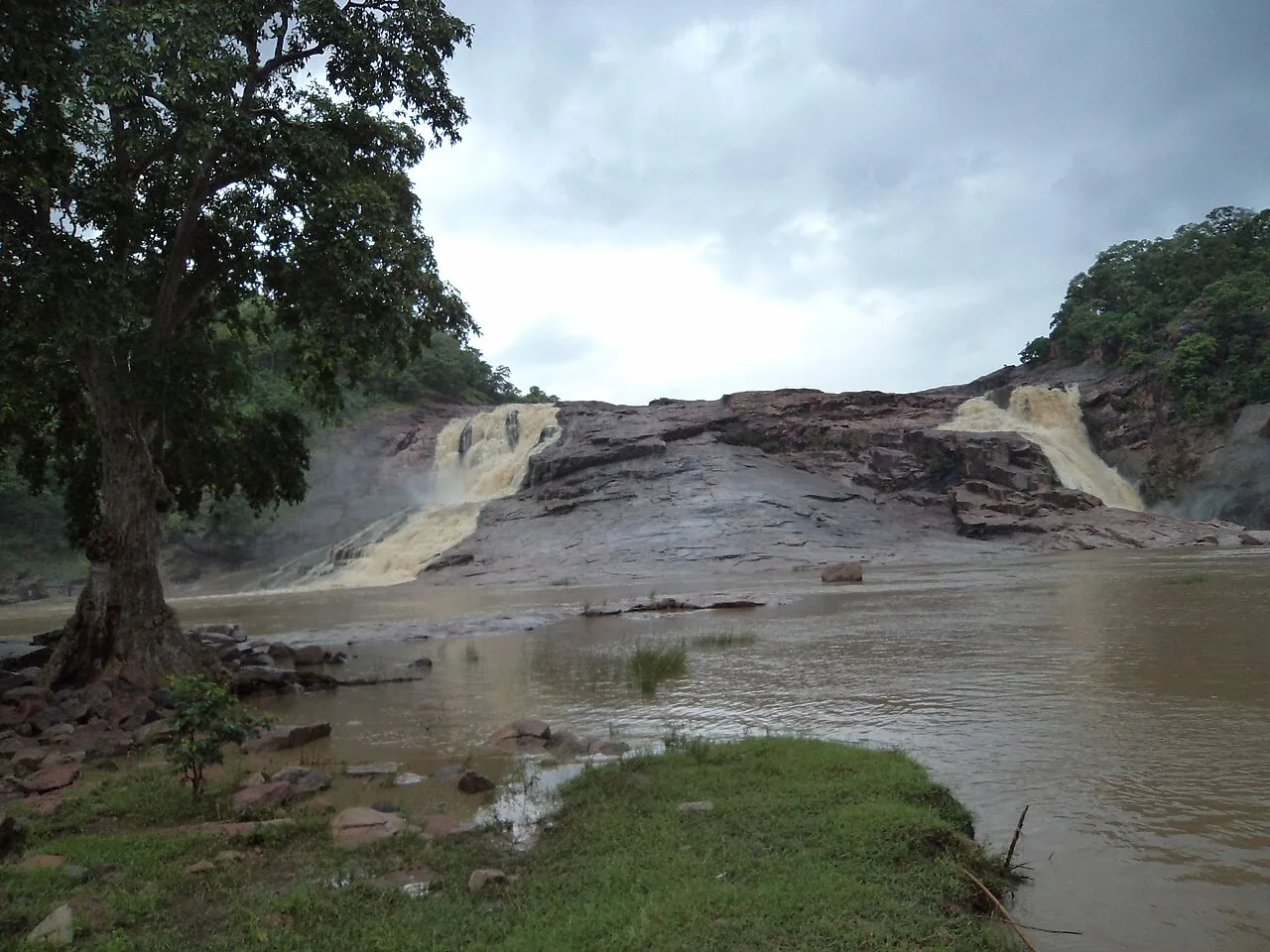
Adilabad offers a northern Telangana landscape of forested uplands, river valleys and waterfalls, with a strong presence of Adivasi communities and traditions.
Adilabad lies in northern Telangana, where the Deccan plateau meets wooded hills and river valleys. The district’s landscape includes farms, forested stretches and waterfalls, among them Kuntala on the Kadam River and Pochera. It is home to several Adivasi communities, including Gonds and Kolams, whose presence is an important part of the area’s cultural character. The region has a layered history, shaped by local kingdoms and, in more recent centuries, its place within the former Hyderabad State under the Nizams. Today, Adilabad combines rural and small-town life with a strong connection to its natural surroundings. Visitors often use Adilabad town as a base for exploring the district’s waterfalls and countryside.
Adilabad offers a northern Telangana landscape of forested uplands, river valleys and waterfalls, with a strong presence of Adivasi communities and traditions. It is best known among visitors for Kuntala Waterfall and Pochera Falls, two natural sites that can be explored on a short trip from Adilabad town. The district also provides a view of Telangana beyond its better-known urban centres: travel here is shaped by rural roads, wooded terrain and seasonal streams. It suits travellers seeking nature outings and a slower-paced regional journey, while visitors should allow for local conditions and check access before setting out.
Adilabad lies in a northern Telangana frontier region whose political boundaries and rulers changed over many centuries. The wider area came under successive Deccan powers, including the Satavahanas, Vakatakas, Chalukyas and Kakatiyas; these references describe the region broadly, not the present district boundaries. Gond communities have a long presence in the forests and uplands, and Gond chiefs held authority in parts of the surrounding region. Later rule passed through the Deccan Sultanates and the Mughal sphere before the area became part of the princely state of Hyderabad under the Asaf Jahi Nizams. During the colonial period, Hyderabad remained a princely state under British paramountcy rather than being directly governed as British India. The name Adilabad is commonly linked to Adil Shah, though the district’s boundaries and administrative status changed over time. After Hyderabad State joined the Indian Union, Adilabad was administered within the state of Andhra Pradesh. Telangana became a separate state in 2014, and district reorganisation in 2016 created the smaller present-day Adilabad district from the former, much larger district.
2 destination guides
Kuntala Waterfall
Kuntala is a 150-foot waterfall in Telangana’s Adilabad district, on the Kadam River in Neradigonda mandal. Visitors come to see its cascades and enjoy a day trip from Hyderabad.
Pochera Falls
Pochera Falls is a waterfall in Telangana’s Adilabad district. People visit to see the falls, which give this place its name and identity.
Food in Adilabad reflects the wider Telangana region, with rice, millets, lentils and seasonal vegetables common in everyday meals. Jonna rotte (sorghum flatbread) is often eaten with spicy pachadi, while sarva pindi is a savoury rice-flour pancake. Some eateries serve natu kodi (country chicken) curry; menus can be limited, so ask what has been freshly prepared. Telangana favourites such as mirchi ka salan and Hyderabadi dum biryani are also found in the broader region, though they are not specific to Adilabad. Sakinalu are a festive snack associated with Sankranti. Availability varies by place and season.
Adilabad is associated with Dokra, a traditional lost-wax metalworking craft practised by artisan communities in the district. Artisans cast brass or other metal into small figures and decorative objects, often drawing on local and tribal imagery. Adilabad Dokra has a Geographical Indication (GI) registration. Nirmal paintings and wooden toys are another well-known art tradition of the wider region, but Nirmal is now a separate neighbouring district; they should not be confused with crafts made specifically in Adilabad. Availability of locally made work varies, so ask sellers about its origin and the artisan or community that produced it.
Nagoba Jatara, a major Adivasi gathering associated with the Mesram community at Keslapur, is held during the winter season and draws visitors from across the region. Tribal celebrations and fairs may also take place in nearby communities at other times of the year. Dussehra, Diwali, Eid and other widely observed festivals are celebrated in towns and villages. The largest gatherings can make local roads and accommodation busier, particularly around festival venues; visitors planning a trip during a major fair should arrange their stay in advance and check local travel conditions.
Adilabad is an inland district of wooded uplands, rocky rises, cultivated valleys and streams, with forested terrain especially prominent in its rural areas. Rivers and their tributaries cut through the landscape; Kuntala Waterfall lies on the Kadam River. Pochera Falls is another well-known waterfall in the district. These natural features make visits dependent on road access and, at some sites, a walk over uneven ground. Monsoon flows can transform the falls and surrounding tracks, while dry-season water levels and the condition of approaches may differ.
The district has hot summers, a rainy monsoon season and generally milder, drier winters. Summer heat can make midday outdoor visits uncomfortable, while monsoon rains bring stronger waterfall flows but may also leave tracks slippery and roads affected. The cooler months, broadly from late autumn through winter, are usually the most comfortable time to explore. For waterfall visits, check local conditions after heavy rain and allow for changes in access. Pack light, breathable clothing, sun protection and drinking water; in the rainy season add a rain layer and footwear with a good grip, and carry a warmer layer for cooler evenings in winter.
Adilabad town is the district’s main transport hub. The nearest principal railway station for the waterfalls is Adilabad railway station; rail connections and onward options may vary. Dr. Babasaheb Ambedkar International Airport in Nagpur is the nearest operating airport identified for the area, while Hyderabad is a major gateway for travel across Telangana. National Highway 44 links the region with Hyderabad and Nagpur, and buses and private vehicles serve Adilabad town. Reaching Kuntala or Pochera involves onward road travel through rural areas, where a hired car or taxi can be useful; local buses and auto-rickshaws may help with shorter journeys. Check current services locally before travelling.
Adilabad town is the main practical road hub for reaching sites in the district. State and private buses connect towns and larger villages, but services may not take visitors directly to waterfall access points. Local buses, shared jeeps and autos can help with shorter journeys where available; for a flexible day trip, visitors may find a taxi or hired vehicle more convenient. Roads become slower in rural and forested areas, and conditions can change during the monsoon. Confirm the return journey and current road access locally before travelling, especially if visiting more than one waterfall in a day.
2 days: Kuntala Waterfall, Pochera Falls; sleep in Adilabad town on the night between visits. 3 days: Pochera Falls, Kuntala Waterfall; sleep in Adilabad town each night. 4 days: Kuntala Waterfall, Pochera Falls; sleep in Adilabad town each night, allowing a relaxed pace and flexibility for road conditions.
Adilabad town is the most practical base for visiting both waterfalls, with general hotels and other basic accommodation options. Smaller settlements closer to the sites may have limited places to stay, so do not assume that rooms or services will be available there. Homestays or government accommodation may be available in the wider region, but availability and booking arrangements vary and should be checked directly. Dharamshalas may serve local visitors in some towns, though facilities can be simple. For a short circuit, staying in Adilabad town reduces the need to change lodging.
Waterfall approaches can include uneven, slippery ground, particularly during and just after the monsoon; keep back from edges and follow local instructions. Rain can affect rural roads, so check conditions before travelling and avoid driving unfamiliar routes in poor visibility. Carry drinking water and basic medicines, and use caution around forested areas where wildlife may be present. Mobile connectivity can be limited outside towns, so share your route and do not rely on continuous coverage. Crowds may build during festivals and holidays. No general visitor permit requirement is confirmed for these listed sites; check with official local sources if access rules change.
- Nirmalabout 35 km
- Kumuram Bheem Asifabadabout 75 km
- Jagtialabout 81 km
- Rajanna Sircillaabout 105 km
- Nizamabadabout 108 km
- Mancherialabout 110 km
- Kamareddyabout 118 km
- Nanded · Maharashtraabout 120 km
Straight-line distance between the centres of each district's destinations; road distance is longer.
All districts of Telangana
- Bhadradri Kothagudem
- Hanamkonda
- Hyderabad
- Jagtial
- Jangaon
- Jayashankar Bhupalpally
- Jogulamba Gadwal
- Kamareddy
- Karimnagar
- Khammam
- Kumuram Bheem Asifabad
- Mahabubabad
- Mahabubnagar
- Mancherial
- Medak
- Medchal–Malkajgiri
- Mulugu
- Nagarkurnool
- Nalgonda
- Narayanpet
- Nirmal
- Nizamabad
- Rajanna Sircilla
- Ranga Reddy
- Sangareddy
- Siddipet
- Suryapet
- Wanaparthy
- Warangal
- Yadadri Bhuvanagiri
Q: How many days should I spend in Adilabad? A: Two days can cover both listed waterfalls at a steady pace; allow three days if you want more flexibility for road conditions. Q: When is the best time to visit? A: The cooler months are generally most comfortable. Monsoon visits can offer stronger waterfall flows, but access may be slippery or affected by rain. Q: What is the best base for visiting the waterfalls? A: Adilabad town is the most practical base for both Pochera Falls and Kuntala Waterfall. Q: How do I get to Adilabad and travel around? A: Reach the district by road or rail connections to Adilabad town, then use local buses, shared vehicles or a hired car for onward journeys. Check current connections before travelling. Q: Are the waterfalls suitable for families or elderly travellers? A: Families can visit with care, but uneven approaches and slippery conditions may make the sites difficult for some elderly travellers or anyone with limited mobility. Check access locally and avoid unsafe edges.
This page draws on our 2 destination guides for Adilabad and is updated as our team checks it.
Be the first to share photos, stories, advice or a helpful contact for Adilabad.
Loading…