
District · Telangana
Kumuram Bheem Asifabad
Kumuram Bheem Asifabad lies in northern Telangana, close to the Maharashtra border, and offers a view of the state’s forested tribal belt as well as its smaller district towns.
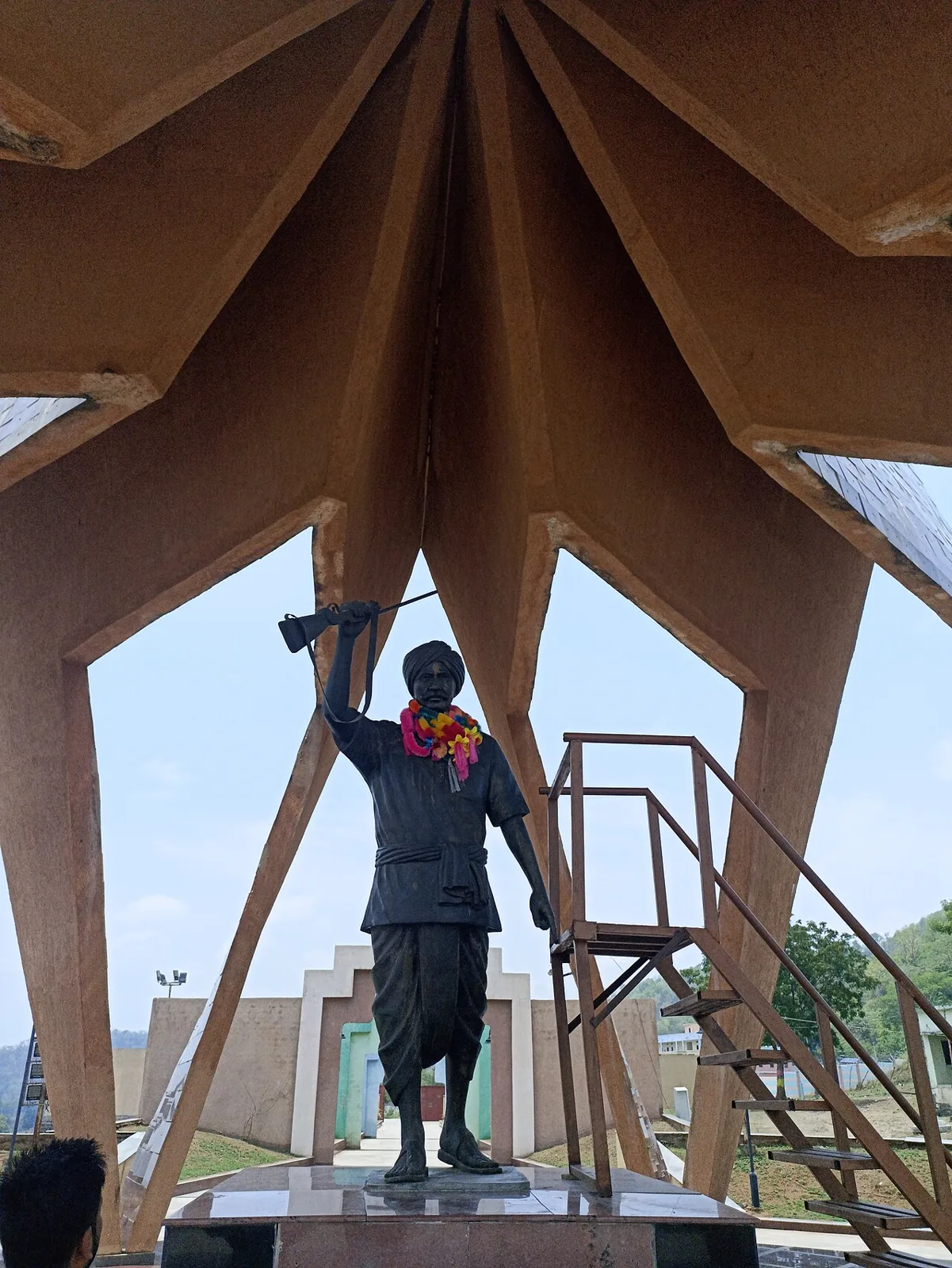
Kumuram Bheem Asifabad lies in northern Telangana, where wooded uplands, rocky hills and streams shape a largely rural landscape. Forests and villages are home to Gond, Kolam and other communities, whose histories and ways of life are an important part of the district’s character. The district was formed in 2016 from the former Adilabad district. Its best-known historical association is with Kumuram Bheem, the Gond leader remembered for resisting Nizam-era authority and for the call “Jal, Jangal, Zameen.” Jodeghat, where a tribal museum and memorial honour him, is a significant place of remembrance. The district offers a quieter contrast to Telangana’s larger cities, with travel often centred on villages, forested scenery and local history.
Kumuram Bheem Asifabad lies in northern Telangana, close to the Maharashtra border, and offers a view of the state’s forested tribal belt as well as its smaller district towns. It is best known for its Gond and other Adivasi communities and for its association with Kumuram Bheem, the tribal leader whose story is commemorated at Jodeghat. The Kumuram Bheem Tribal Museum is the district’s listed visitor attraction and a meaningful place to learn about local history and culture. Travellers looking beyond Telangana’s larger urban and temple destinations may find the district rewarding, though journeys between towns and rural areas can take planning.
The district is part of a wider northern Deccan borderland shaped over centuries by changing regional kingdoms and powers. Satavahana and later Kakatiya-era influence is associated with parts of the broader Telangana region; control in this forested frontier was not always uniform. Gond communities maintained their own social and political traditions, and Gond rulers held power in parts of the surrounding region. The area later came under the expanding influence of the Deccan sultanates and, in time, the Hyderabad State ruled by the Nizams. In the twentieth century, Kumuram Bheem became known for resisting Nizam authority and advocating rights for tribal communities. He was killed at Jodeghat in 1940, and the museum there commemorates his legacy. After Hyderabad State joined the Indian Union in 1948, the area became part of the reorganised state of Andhra Pradesh in 1956 and Telangana in 2014. Kumuram Bheem Asifabad district was formed in 2016 from the former Adilabad district as part of Telangana’s district reorganisation.
Food here reflects wider Telangana tastes, with jonna rotte (sorghum flatbread), spicy pachadi, sarva pindi and hearty curries among familiar regional dishes. Country chicken curry may be found at local eateries, though menus vary by place and day. In smaller towns and villages, kitchens often prepare a limited selection using what is available locally, so it is worth asking what is fresh. Hyderabadi dum biryani, haleem during Ramzan, Irani chai and sweets such as double ka meetha are associated with the wider Telangana region, especially Hyderabad, rather than being specific to this district.
The wider Adilabad region is known for Adilabad Dokra, a traditional lost-wax metal-casting craft associated with Ojha artisans. The craft is a regional connection rather than something visitors should expect to find for sale throughout Kumuram Bheem Asifabad. Gond and Kolam communities also have distinctive cultural and artistic traditions, but their forms vary and are not necessarily presented as commercial crafts. Local availability can be limited, particularly outside larger settlements; ask locally about artisan work and its provenance. Nearby regional craft traditions should not be confused with work made in the district itself.
Tribal communities in the district and wider Adilabad region celebrate seasonal gatherings and dances, including Dandari-Ghusadi performances associated with the period around Diwali. Bathukamma, Dasara, Sankranti and other Telangana festivals are also observed. The Nagoba Jatara at Keslapur is a major regional tribal pilgrimage in neighbouring Adilabad district, rather than a sight within this district; it can draw visitors from across the region. Festival periods may mean busier roads and greater demand for rooms in nearby towns, so arrange accommodation ahead when travelling during a large local gathering.
This inland district has a mix of forested uplands, rocky hills, cultivated land and small settlements. It forms part of the northern Telangana plateau, with streams and river systems in the wider region and the Pranahita along the eastern side of the district area. Forest and hill country surrounds places such as Jodeghat, making the journey there more rural than travel between the main towns. Roads are the practical way to reach most places, but travel can be slower on smaller routes, especially during the monsoon. There is no coastline.
The district has a seasonal inland climate. Summers, broadly from March into June, are hot, so plan outdoor travel for cooler parts of the day and carry water and sun protection. The monsoon usually brings rain from around June through September; roads in rural and forested areas may become slower or difficult, and conditions can change. October to February is generally the most comfortable period for visiting, with cooler days and nights, especially in the winter months. Pack light clothing for warm weather, a rain layer and footwear with good grip if travelling during or soon after the rains. In winter, bring an extra layer for evenings.
Mancherial is a useful principal railway station for reaching the district, while Dr. Babasaheb Ambedkar International Airport in Nagpur is the nearest operating airport by straight-line distance; road journeys are longer. Hyderabad is a major gateway, with onward travel by road through northern Telangana. National Highway 363 and other regional roads connect the area with Mancherial and surrounding towns. Buses serve larger settlements, but for Jodeghat and other outlying villages, visitors may need to arrange a taxi or local shared transport for the final leg. Check current services locally before travelling.
Road travel is the main way to move around the district. State buses and other public services connect principal towns, but services to smaller settlements may be less frequent or require a change. Asifabad and Kagaznagar are useful transport bases; Kagaznagar also has a railway station. Reaching Jodeghat generally involves a road journey from a larger town, and the final leg may require a local vehicle. Shared jeeps and autos may be available in some places, but availability can vary, so do not rely on finding one immediately. Arrange a taxi or local driver in advance for rural excursions. There are no routine visitor boat links.
2 days: Kumuram Bheem Tribal Museum, Jodeghat; sleep in Asifabad. 3 days: Kumuram Bheem Tribal Museum, Jodeghat; sleep in Asifabad on night one and Kagaznagar on night two. Allow for road travel and confirm local transport before setting out.
Asifabad is a practical base for visiting Jodeghat and the district’s central areas; Kagaznagar can suit travellers arriving by rail or continuing onward. Accommodation is generally modest, with hotels and lodges more likely in the larger towns than in rural areas. Homestays or government accommodation may be limited and should not be assumed available without checking directly. For a rural visit, staying in a town and arranging transport for the day is usually more dependable than expecting a room near the museum.
Rural roads can be narrow, uneven or affected by monsoon rain, so allow extra time and avoid driving unfamiliar routes after dark. Forested areas are wildlife habitat: keep to established roads, do not approach animals and follow local advice. Carry drinking water, food and any regular medicines, as services and shops may be sparse outside towns; use sealed or treated water. Mobile coverage can be intermittent on rural routes. Check weather and road conditions before setting out, and arrange a return ride in advance. No special visitor permit is known to be routinely required for the listed museum, but confirm current access or forest-area rules with official local authorities before travel.
- Mancherialabout 54 km
- Adilabadabout 75 km
- Nirmalabout 83 km
- Jagtialabout 85 km
- Jayashankar Bhupalpallyabout 100 km
- Chandrapur · Maharashtraabout 103 km
- Rajanna Sircillaabout 104 km
- Karimnagarabout 107 km
Straight-line distance between the centres of each district's destinations; road distance is longer.
All districts of Telangana
- Adilabad
- Bhadradri Kothagudem
- Hanamkonda
- Hyderabad
- Jagtial
- Jangaon
- Jayashankar Bhupalpally
- Jogulamba Gadwal
- Kamareddy
- Karimnagar
- Khammam
- Mahabubabad
- Mahabubnagar
- Mancherial
- Medak
- Medchal–Malkajgiri
- Mulugu
- Nagarkurnool
- Nalgonda
- Narayanpet
- Nirmal
- Nizamabad
- Rajanna Sircilla
- Ranga Reddy
- Sangareddy
- Siddipet
- Suryapet
- Wanaparthy
- Warangal
- Yadadri Bhuvanagiri
Q: How many days should I spend in Kumuram Bheem Asifabad? A: Two days can cover the listed museum with time for the road journey; allow a third day if you prefer a slower pace or need to connect between towns. Q: What is the best time to visit? A: October to February is generally the most comfortable season. The monsoon can make rural road travel slower. Q: Which town is the best base? A: Asifabad is convenient for Jodeghat; Kagaznagar can be useful for rail connections and onward travel. Q: How do I get to the district? A: Reach a main town by road or travel by rail to Kagaznagar, then continue by road. Check current services and arrange local transport to Jodeghat. Q: Is the district suitable for families or elderly travellers? A: It can be, with advance transport and accommodation planning. The rural journey to Jodeghat may be tiring, so consider road conditions, mobility needs and access to services.
This page draws on our 1 destination guides for Kumuram Bheem Asifabad and is updated as our team checks it.
Be the first to share photos, stories, advice or a helpful contact for Kumuram Bheem Asifabad.
Loading…