
District · Telangana
Mancherial
Mancherial sits in northern Telangana, in the Godavari basin, and offers a view of a region shaped by river landscapes, forested uplands and coal mining.
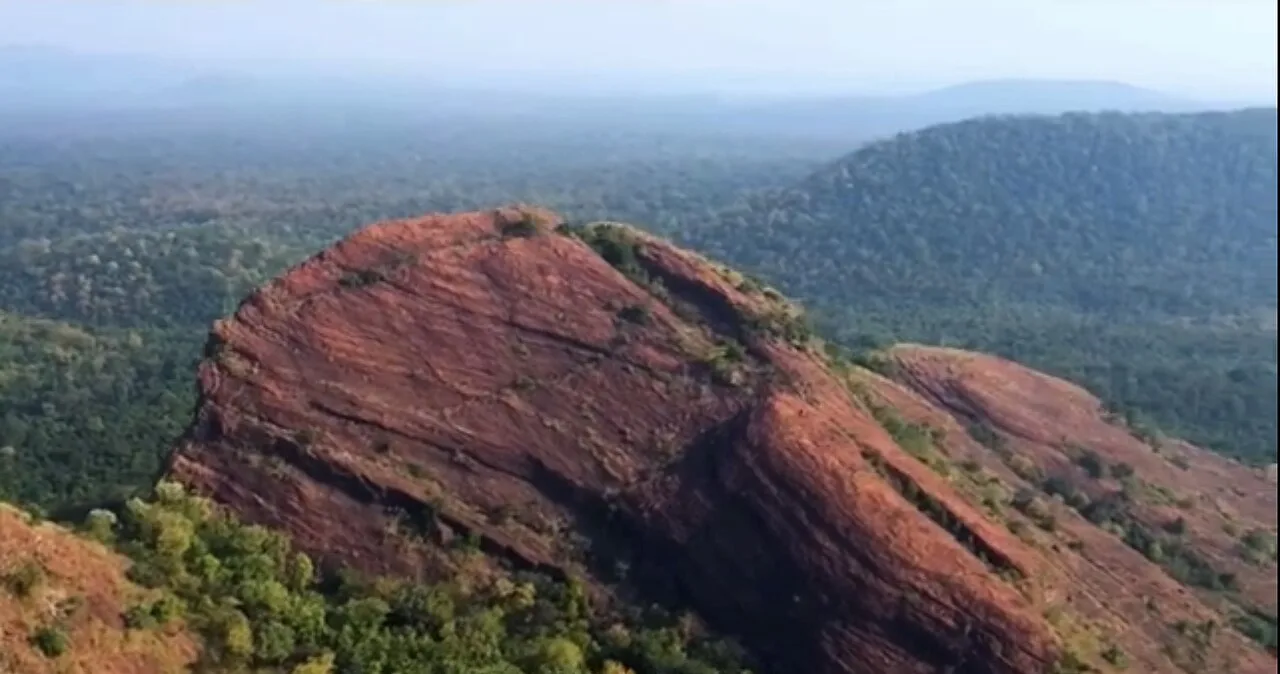
Mancherial lies in northern Telangana, where the Godavari basin meets wooded uplands and the coalfields of the Singareni region. The district’s scenery ranges from river country and forested stretches to busy mining and industrial settlements. Mancherial district was formed in 2016 from the former Adilabad district, and its character reflects both rural life and a long association with coal mining. The hill fort of Gandhari Khilla, near Bokkalagutta, is a reminder of the area’s older fortified sites. Nearby communities and landscapes also give the district a strong connection to the wider cultural and ecological diversity of northern Telangana.
Mancherial sits in northern Telangana, in the Godavari basin, and offers a view of a region shaped by river landscapes, forested uplands and coal mining. The district is known for its place in the Singareni coalfield and for its industrial towns, while its rural areas preserve older forts and local heritage. Mancherial suits travellers interested in regional history and landscapes, though published visitor information for the district remains limited.
Mancherial forms part of the wider northern Telangana region, whose history has been shaped by successive Deccan powers. The broader region experienced Satavahana influence and later came under or was affected by dynasties and states including the Kakatiyas, the Bahmani Sultanate, the Qutb Shahis and the Asaf Jahi rulers of Hyderabad. These regional histories should not be read as a precise account of control over every part of the present district. Gandhari Khilla Fort reflects older hill-fort traditions, but its exact date and political attribution should be treated cautiously unless confirmed by specialist sources. Under the Nizams, the area formed part of Hyderabad State, a princely state under British paramountcy. Coal mining later became a major influence on the region: the Singareni coalfield began commercial production in the late nineteenth century and helped shape settlements and employment. Mancherial district was created in 2016 when Telangana reorganised its districts, with territory previously within Adilabad district forming the new administrative unit.
Food in Mancherial reflects everyday Telangana cooking as well as the wider cuisine of the state. Rice, lentils, seasonal vegetables and spicy curries are common; jonna rotte, or sorghum flatbread, may be served with pachadi, while country-chicken curry is enjoyed in some local settings. Sarva pindi and sakinalu are familiar Telangana preparations, with sakinalu often made for Sankranti. Menus vary between eateries, and smaller places may cook only a limited selection each day, so it is worth asking what is fresh. Hyderabadi biryani and haleem belong to the wider regional food scene rather than being specific to this district.
Mancherial is not widely identified with a single signature craft. Craft traditions vary across northern Telangana, where tribal communities practise forms of bamboo and cane work and metalworking. Nearby Adilabad is particularly associated with Dokra, a traditional bell-metal casting practice; this is a regional reference, not a claim that the craft is unique to Mancherial. Nirmal painting and toys are associated with Nirmal town in the neighbouring district. Visitors interested in locally made work can ask about artisan products in markets, while keeping in mind that availability may vary.
Bathukamma, celebrated in the monsoon season, and Dasara in autumn are prominent Telangana festivals observed in the district. Sankranti, in midwinter, is also widely marked, while Bonalu is celebrated in parts of the state during the rainy season; local observance varies by community and town. Festival days bring gatherings, processions and busy markets, especially in town centres. Demand for rooms may rise around major local celebrations and holiday periods, though the district is not a major festival-tourism hub. Check local arrangements before travelling, as dates vary each year.
The district lies in the Godavari basin, with riverine stretches, gently rolling terrain and wooded uplands. Coal-bearing areas and settled industrial corridors sit alongside rural landscapes, so scenery and road conditions can change noticeably between towns and forest edges. Gandhari Khilla Fort is on a hill near Bokkalagutta, making the final approach more rugged than travel on the main roads. Monsoon rain can make tracks and slopes slippery, while dry-season heat affects exposed walks. River levels and access to forested areas may also vary with the season.
Mancherial has hot summers, a rainy monsoon season and comparatively mild, drier winters. Summer conditions can make midday outdoor visits uncomfortable, particularly on the exposed approach to Gandhari Khilla Fort. Monsoon showers bring greener scenery but can leave rural tracks muddy and hill paths slippery. October to February is generally the most comfortable period for sightseeing and walking outdoors. Carry light, breathable clothing for warm weather, a hat and sun protection, and sturdy footwear for uneven ground. During the monsoon, pack rain protection and check local road conditions before setting out.
Mancherial railway station is the nearest principal rail station for the district, and trains connect it with regional centres. Rajiv Gandhi International Airport in Hyderabad is a major air gateway; onward travel is by road or rail. State and regional roads link Mancherial with other district towns, and buses serve many routes. Within the district, local buses, auto-rickshaws and hired cars can help with shorter journeys, though services may be less frequent outside larger towns. For places such as Gandhari Khilla, confirm the final approach and transport options locally. Check current services locally before travelling.
Road travel is the practical way to reach the district's towns and the approach to Gandhari Khilla Fort. Local buses connect larger settlements, but services may not take visitors to the fort entrance or run at convenient intervals for a short visit. Autos can help with short trips in town; for Bokkalagutta and the hill approach, arranging a taxi or private vehicle is more flexible. The final stretch may involve walking over uneven terrain. Confirm road and access conditions locally, especially after rain, and do not assume a boat service is available for river crossings.
2 days: Gandhari Khilla Fort; sleep in Mancherial on night one. 3 days: Gandhari Khilla Fort; sleep in Mancherial on nights one and two.
Mancherial town is the most practical base for visiting Gandhari Khilla Fort, with access to everyday services and the district's main transport links. Basic accommodation is also found in other larger towns, but choices may be more limited and should be checked before arrival. Visitors can generally look for hotels, guesthouses and budget lodges; homestays and government accommodation are not consistently available across the district. For a rural visit, arrange your base in town and confirm your return transport in advance.
The hill approach to Gandhari Khilla Fort may be uneven, steep or slippery, especially after monsoon rain; wear secure footwear and avoid climbing in poor visibility. Carry water and sun protection, and avoid strenuous walks during the hottest part of the day. Forested areas can have wildlife, so keep a respectful distance and follow local advice. Rural road surfaces and mobile connectivity can be inconsistent. Check conditions with local authorities or residents before setting out; do not assume access is unrestricted, and confirm officially whether any temporary restrictions or permissions apply. Use treated or sealed drinking water.
- Kumuram Bheem Asifabadabout 54 km
- Jayashankar Bhupalpallyabout 54 km
- Karimnagarabout 69 km
- Jagtialabout 69 km
- Rajanna Sircillaabout 78 km
- Nirmalabout 99 km
- Muluguabout 104 km
- Hanamkondaabout 107 km
Straight-line distance between the centres of each district's destinations; road distance is longer.
All districts of Telangana
- Adilabad
- Bhadradri Kothagudem
- Hanamkonda
- Hyderabad
- Jagtial
- Jangaon
- Jayashankar Bhupalpally
- Jogulamba Gadwal
- Kamareddy
- Karimnagar
- Khammam
- Kumuram Bheem Asifabad
- Mahabubabad
- Mahabubnagar
- Medak
- Medchal–Malkajgiri
- Mulugu
- Nagarkurnool
- Nalgonda
- Narayanpet
- Nirmal
- Nizamabad
- Rajanna Sircilla
- Ranga Reddy
- Sangareddy
- Siddipet
- Suryapet
- Wanaparthy
- Warangal
- Yadadri Bhuvanagiri
Q: How many days should I spend in Mancherial? A: Two days can cover the documented fort visit and time in town. Allow a third day if you prefer a slower pace or need flexibility for road conditions. Q: When is the best time to visit? A: October to February is generally the most comfortable season for outdoor visits. The monsoon can make hill paths slippery, and summer afternoons can be very hot. Q: What is the best base for visiting Gandhari Khilla Fort? A: Mancherial town is the most practical base for accommodation and onward road travel. Check local transport options for the approach near Bokkalagutta. Q: How do I get to Mancherial? A: Reach the district by road or rail through its main town, then arrange onward road transport for the fort. Check current connections before travelling. Q: Is Mancherial suitable for families or elderly travellers? A: Town-based travel can suit many visitors, but the hill approach to Gandhari Khilla Fort is uneven and may be difficult for people with limited mobility. Families should supervise children closely.
This page draws on our 1 destination guides for Mancherial and is updated as our team checks it.
Be the first to share photos, stories, advice or a helpful contact for Mancherial.
Loading…