
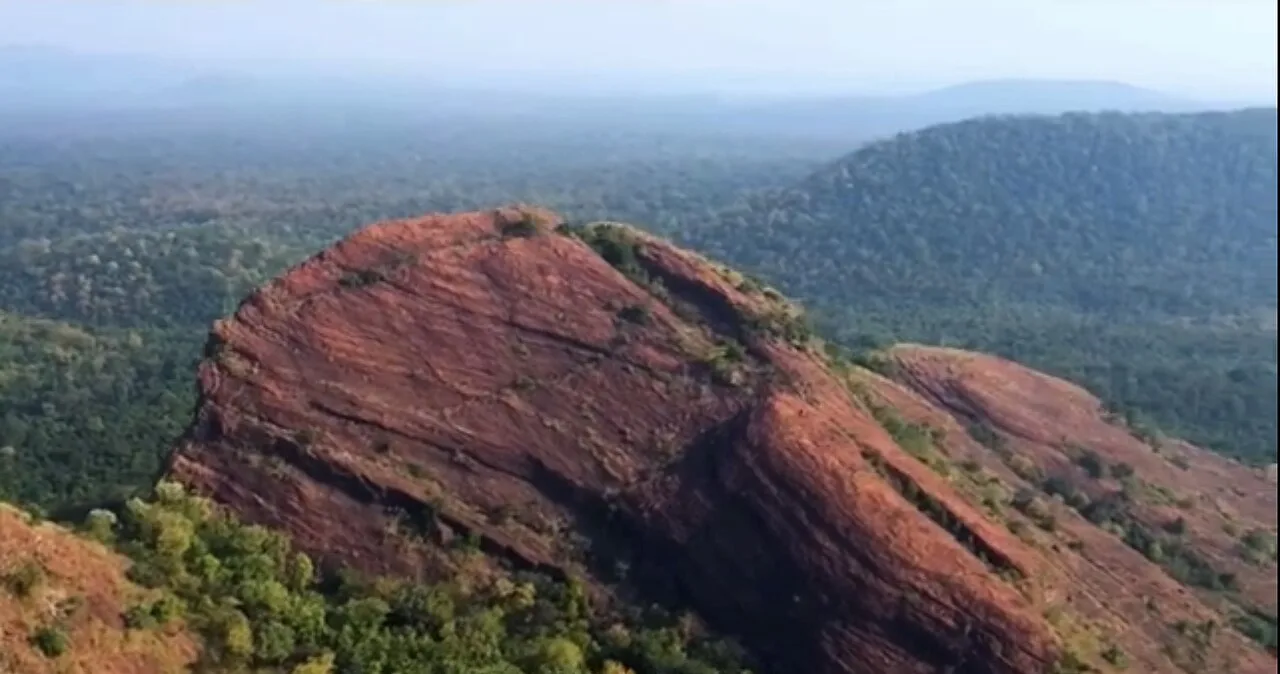
Gandhari Khilla Fort
In Mancherial district, Telangana, Gandhari Khilla occupies forested sandstone hills. Its temple and recurring Mahankali and Gandhari Maisamma festivals draw visitors to the site.
Key facts · verified by Ghumoopedia editors
- Type of place
- Heritage monument
- Best time to visit
- October to February; July to September for waterfalls in Adilabad and Mulugu
- Nearest railway station
- Mancherial · about 9 km (straight line)
- Verified
- 21 Nov 2026
Plan a trip from Gandhari Khilla Fort — a day-by-day route through places nearby.
Near Bokkalagutta village, in Mandamarri Mandal of Mancherial district, Gandhari Khilla stands among rocky hills. The fort is about 270 kilometres north-east of Hyderabad. Dense woodland surrounds it, with a variety of plants, including medicinal herbs. Excavation remains incomplete, and vegetation still conceals sections of the site. The Gandhari Maisamma temple is within the fort, and ceremonies there bring people to the area. Mahankali Jatara, also known as quarry jatara, is held each year and attracts more than 10,000 people. Gandhari Maisamma jatra takes place every two years. Tribal people from the Vindhya region, including Maharashtra and Chhattisgarh, join the gathering from the opposite bank. The forest has left parts of the fort covered, while work to uncover it is still unfinished. National Highway 363, along the Mancherial–Chandrapur–Nagpur route, passes nearby. Bokkalagutta village lies three kilometres from the fort. Telangana joins the Deccan's Islamic heritage — the Qutb Shahi and Asaf Jahi monuments of Hyderabad, Golconda and the Charminar — with the Kakatiya temples and forts of Warangal and the UNESCO-listed Ramappa Temple, the Godavari pilgrim towns of Bhadrachalam, Basar and Kaleshwaram, the Buddhist heritage of Nagarjunakonda, the ikat weaves of Pochampally and the tribal forests of Mulugu, Adilabad and the Nallamala hills. Summers from March to early June are very hot and dry, often above 40 °C; the southwest monsoon brings rain from June to September and fills the waterfalls of Adilabad and Mulugu. October to February is pleasant and dry, with cool mornings in December and January. The usual best time to visit is October to February; July to September for waterfalls in Adilabad and Mulugu. Timings, fees and access arrangements must be confirmed locally. For official information, see Telangana Tourism at https://tourism.telangana.gov.in.
Why it matters
Gandhari Khilla is a hill fort near Bokkalagutta in Mandamarri Mandal, Mancherial district, Telangana. Its importance is both historical and living: the wooded hill preserves a fort site, while Gandhari Maisamma temple remains a focus of worship and community gatherings. The annual Mahankali Jatara, also called Quarry Jatara, and the biennial Gandhari Maisamma Jatra draw visitors from the surrounding region, including tribal communities from across state borders, according to the guide source. The site contributes to the heritage of northern Telangana, where forts, forest landscapes and local religious traditions meet. The available information does not establish UNESCO or Archaeological Survey of India protected status; visitors should not assume either designation.
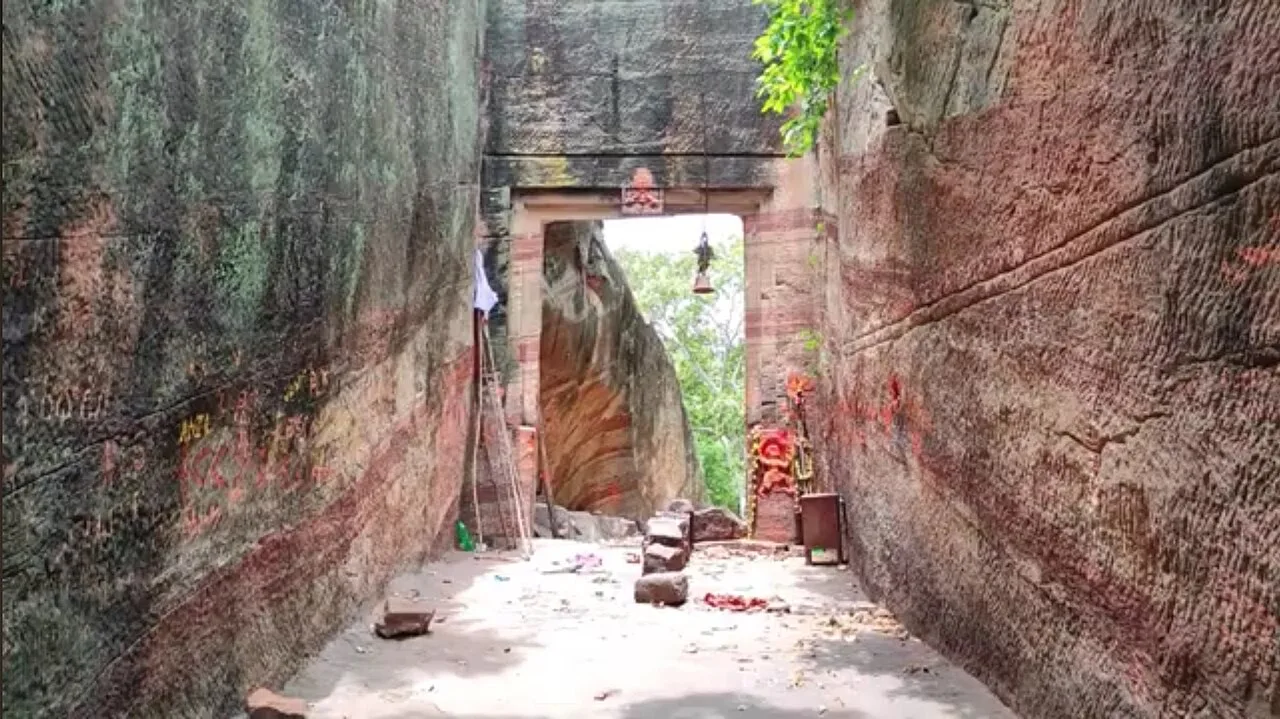
The available public account identifies Gandhari Khilla as a hill fort near Bokkalagutta, in present-day Mandamarri Mandal, Mancherial district. It does not securely identify the fort’s builders, give a well-documented construction date, or set out a sequence of rulers and battles. For that reason, assigning it to a particular dynasty or century would be speculative. The fort occupies rocky hills in a formerly thickly forested setting, and the site remains partly covered by vegetation. The account says it has not been fully excavated, so its layout and chronology are not completely understood from publicly available descriptions. Gandhari Maisamma temple is located at the fort and continues to draw worshippers. Annual and biennial jatras connect the hill with living community traditions, not only with its past as a fortified place. No specific restoration programme or completed archaeological excavation is confirmed in the available source. Visitors can help protect the remains by avoiding disturbance to stones, vegetation and any features that may not yet have been documented.
Origin stories & folklore
The name Gandhari is associated locally with the fort and its hill, but a reliably documented origin story explaining the name is not available in the cited public account. Gandhari Maisamma is worshipped at the hilltop temple, and local belief and devotional practice give the place significance beyond its surviving fort remains. The jatras held here are expressions of that continuing relationship between the community, the shrine and the landscape. Visitors may hear additional stories from worshippers or local guides; accounts can vary between communities and families. Treat such narratives as oral tradition rather than as verified dates or historical evidence, and ask before recording people sharing them.
Architecture & design
Gandhari Khilla is a hill fort set on rocky, sand-rock hills near Bokkalagutta. Its elevated position and forested surroundings form the most evident features of the site. The available guide does not provide a measured plan, identify a particular architectural style, or describe a complete inventory of walls, gateways, water systems or defensive structures. The fort is not fully excavated and portions remain under vegetation, so visible remains should be interpreted cautiously rather than assigned to a specific period without evidence. Gandhari Maisamma temple stands within the fort area and is an active place of worship. The terrain itself is part of the visitor experience: reaching and exploring the hill involves uneven ground and a climb, rather than a fully developed monument circuit. Do not move stones or clear plants to reveal features; archaeological traces may be fragile or undocumented. For detailed interpretation, seek a locally authorised guide if one is available.
Important objects & sculptures
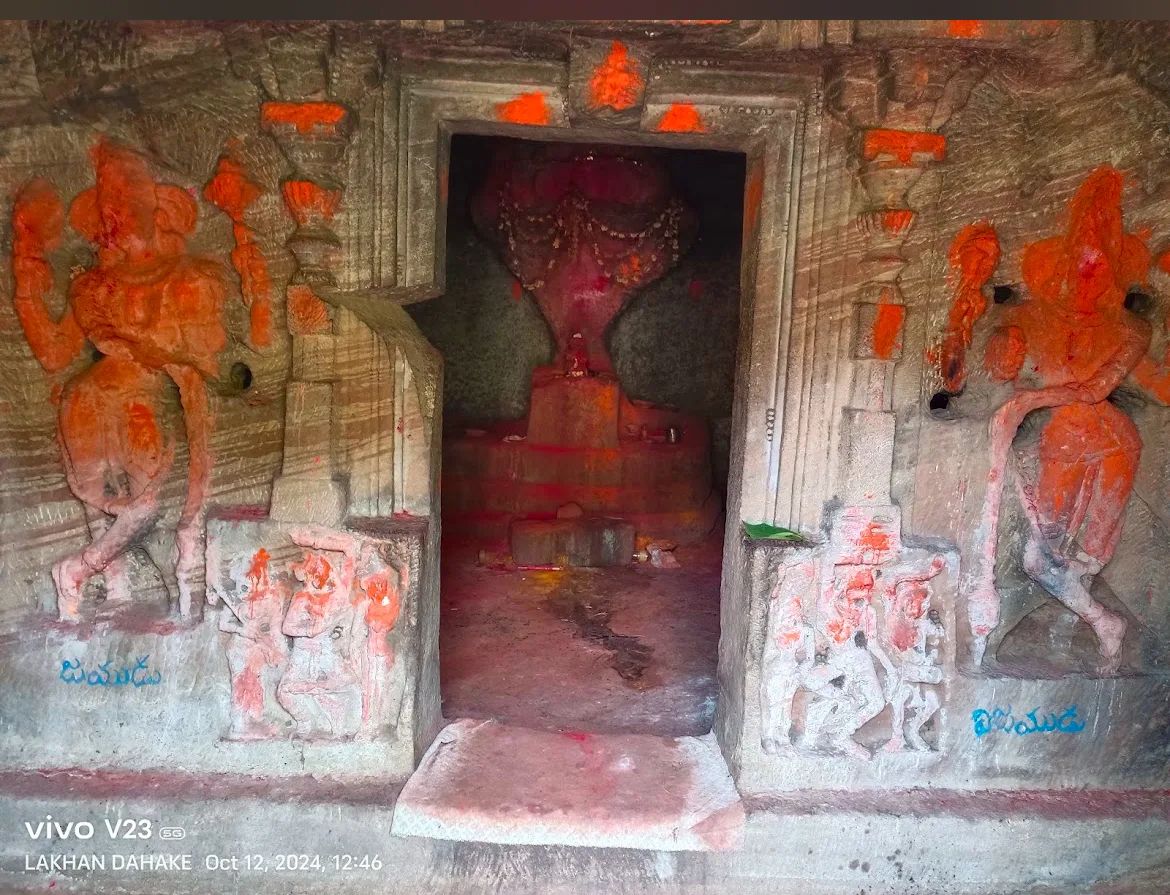
The available description does not confirm a collection of sculptures, inscriptions, carved panels or museum objects at Gandhari Khilla. The feature specifically identified is Gandhari Maisamma temple, where visitors may observe the shrine and its devotional setting from the areas open to them. Do not assume that an image, stone or fragment is an ancient artefact solely from its appearance; the fort remains partly unexcavated and its material history is not fully documented in the cited account. Inscriptions or carvings should not be touched, chalked, rubbed or climbed on. During worship or festivals, follow local instructions about access to the shrine and photography, and avoid handling offerings or ritual objects.
Explore Gandhari Khilla Fort slowly and read the interpretation boards, or hire an authorised guide to understand its history. Forts involve steep climbs on uneven stone steps; start early, carry water and descend well before dark — at Golconda, stay for the evening sound and light show. Early morning gives softer light, cooler air and smaller crowds. A comfortable itinerary is one main visit in the morning, a local meal at midday and a short nearby stop before an afternoon return. In the hot months, plan outdoor sightseeing for early morning and late afternoon, and spend midday in a museum or a long lunch. Use the district list on this site to find other places in Mancherial, but check the route and its condition before combining stops. If a festival is on — such as Bathukamma and Dasara in autumn, Bonalu in July–August, the biennial Medaram Sammakka Saralamma Jatara, Sankranti or Ramzan in Hyderabad's Old City — roads and stays can be busy, and the experience can be unforgettable. Leave no litter: many sites are protected by the communities around them.
Suggested itineraries
Half day: Travel to Bokkalagutta, allow time for the hill approach and a slow fort visit, see Gandhari Maisamma temple respectfully, then return to Mancherial; allow roughly three to four hours on site and for the approach. Full day: Start from Mancherial, visit the fort and temple in the cooler part of the day, take a meal in town, then explore Mancherial or Mandamarri at an easy pace; allow most of the day for travel and the visit. Gentler option: Remain at the village-side approach or another locally approved accessible viewpoint, and skip the hill climb if the path or steps feel unsafe.
The fort is also a living religious landscape. Worship at Gandhari Maisamma temple and the jatras held on the hill bring local communities together, with visitors arriving from beyond Mancherial district. Telugu is widely used in Telangana, but languages and customs among visiting communities may differ; ask respectfully rather than assuming. Visitors should dress considerately at the shrine, seek permission before photographing people, and follow the guidance of worshippers and organisers.
Festivals & events
Mahankali Jatara, also known as Quarry Jatara, is held annually and is reported to attract more than 10,000 people. The available information does not specify reliable calendar months, so check locally rather than planning around an assumed date. Festival days can make the approach and hill busier than usual, and access around the shrine may be shaped by rituals. Respect organisers’ directions and allow extra time for the gathering.
Local food in Telangana includes Hyderabadi dum biryani, haleem during Ramzan, mirchi ka salan, double ka meetha and qubani ka meetha, Irani chai with Osmania biscuits, and Telangana village dishes such as sarva pindi, jonna rotte with spicy pachadi, natu kodi (country chicken) curry and sakinalu during Sankranti. Ask what is fresh that day; many small eateries cook a limited daily menu. Hyderabad's Old City around Charminar is the place for biryani, haleem and late-night Irani cafés; in the districts, Telangana food is spicy and rustic, with millet rotis and tangy pachadis. Temple towns such as Yadadri, Basar and Bhadrachalam serve strictly vegetarian food. Remote sites may have no restaurant at all. Carry water and snacks, eat a proper breakfast before long drives, and ask your accommodation for a packed lunch if you are heading out early. Try a home-cooked or local thali meal when you can — it is often the best food on the route. Choose busy, clean places, drink sealed or filtered water, and carry your packaging back with you.
Shopping & local experiences
There is no confirmed dedicated souvenir shop or craft market at Gandhari Khilla. Visitors can look for everyday local goods and food in Mancherial or Mandamarri, and ask residents about seasonal market stalls during a jatara. Any festival offerings or locally made items should be bought respectfully and without disrupting worship. Telangana handlooms and crafts may be available through wider regional markets, but they are not documented as products of the fort itself. Avoid buying stones, archaeological fragments, plants or wildlife products collected from the hill.
October to February; July to September for waterfalls in Adilabad and Mulugu
The nearest principal railway station by straight-line distance is Mancherial, roughly 9 km away. The nearest operating airport by straight-line distance is Rajiv Gandhi International Airport, Hyderabad, roughly 217 km away. These figures are calculated from map coordinates — actual road distance is longer. Hyderabad (Rajiv Gandhi International Airport and the Secunderabad, Nampally and Kacheguda stations) is the main gateway; Kazipet and Warangal serve the Kakatiya region, Bhadrachalam Road (Kothagudem) serves the Godavari temples, and Nizamabad, Mancherial and Adilabad serve the north. For the final leg, TGSRTC buses (including air-conditioned Rajadhani and Garuda coaches), Hyderabad Metro and MMTS suburban trains in the city, and app cabs and autos across Hyderabad, Warangal and the district towns link district towns. A private taxi gives more flexibility for remote temples, forests and waterfalls. When comparing train, bus and flight, count the complete door-to-door time: a flight saves the most time only if the onward road transfer is short, while an overnight train can save a hotel night. For Telangana, Hyderabad is well linked by air and by overnight trains from most metros; for district sites, an early express train followed by a road transfer is often quicker than driving out of the city. Book your return before you leave, because seats fill quickly on weekends, festivals and holidays. Current train numbers, timings, return services and fares are not listed here; check IRCTC and NTES for trains and the airline's own schedule for flights. No permit is needed to visit Telangana. Monuments such as Golconda Fort, the Qutb Shahi Tombs and Ramappa Temple have entry tickets (buy them online where possible), and several Hyderabad museums and palaces — including the Salar Jung Museum and Chowmahalla Palace — close on Fridays. Jungle safaris in Amrabad and Kawal tiger reserves must be booked in advance through the Telangana Forest Department and do not run in the monsoon closure season.
Confirm onward and return timings on IRCTC / NTES, the state bus operator or your airline before travel. A dash means current timings or fares have not been verified.
Getting around
Bokkalagutta village is the nearest stated approach point, with the fort described as about three kilometres from the village; confirm the usable route locally, as map distances and road conditions may differ. Mancherial is the nearest principal railway station cited in the guide. From Mancherial or Mandamarri, visitors can enquire about local buses, autos or a hired taxi for the village approach; availability may be limited near the hill. The final approach may require walking and climbing. Ask the driver where to arrange a return pickup, and do not rely on finding transport at the fort. Park only where local signs or residents indicate it is appropriate.
Hours, tickets & permissions
No dependable current entry schedule, ticketing details or visitor rules are confirmed in the available information. Access may be affected by shrine activities, festival arrangements, weather, forest conditions or local management. Before setting out, confirm current opening arrangements, any entry or camera fees, and whether a permit or guide is required with the relevant local managing authority or tourism office. Ask about any dress or identification requirements rather than assuming rules. Do not enter closed or restricted areas, and plan to leave the hill before dark.
Facilities
The fort is a forested hill site, not a fully developed visitor complex. Mancherial is the more practical place to look for meals, shops, ATMs and other services before or after visiting. Guide availability is also uncertain, so arrange one through a reliable local contact if interpretation is important. During jatras, temporary stalls or services may appear, but visitors should not rely on them or leave litter behind.
Accessibility
The site involves a hill approach over uneven terrain, with a climb and potentially irregular stone steps. The precise route condition can vary, particularly after rain or when vegetation is dense. There is no confirmed information about ramps, handrails or accessible facilities, so the fort should not be assumed suitable for wheelchairs or strollers. Older visitors and anyone with balance, heart or mobility concerns should assess the route locally and consider stopping before the climb. Shade may be intermittent under forest cover, and the path can be tiring in hot weather. Wear secure footwear, take water and avoid descending in low light.
No permit is needed to visit Telangana. Monuments such as Golconda Fort, the Qutb Shahi Tombs and Ramappa Temple have entry tickets (buy them online where possible), and several Hyderabad museums and palaces — including the Salar Jung Museum and Chowmahalla Palace — close on Fridays. Jungle safaris in Amrabad and Kawal tiger reserves must be booked in advance through the Telangana Forest Department and do not run in the monsoon closure season. Carry a photo ID at all times and save the emergency number 112 and your accommodation's contact offline. Summer heat is the main weather risk — carry water, wear a hat and avoid the midday sun; in the monsoon, allow extra time when roads flood. On forts, keep away from unfenced edges and do not climb after dark.
Photography
Early morning generally offers cooler conditions and softer light for the rocky hill and forest setting. From safe, permitted viewpoints, visitors can photograph the landscape and visible fort remains without climbing walls or disturbing stones. Ask before photographing worshippers, shrine activity or festival rituals, and follow any instructions from temple caretakers or organisers. Drone use may be restricted by aviation rules, local management or religious sensitivities; do not fly one without confirming permission and current regulations. Avoid flash or intrusive photography during worship, and do not publish identifiable images of children without a guardian’s consent.
Choose a stay by the full journey to Gandhari Khilla Fort, not just the district name. Warangal, Karimnagar, Khammam and Nizamabad have mid-range hotels; temple towns such as Bhadrachalam, Yadadri and Basar have devasthanam guesthouses, and Telangana Tourism runs haritha hotels at several lakes and heritage sites. In summer, check air-conditioning; in the monsoon, check that the property is accessible if roads flood. Book in advance for weekends, festivals and the peak season (October to February; July to September for waterfalls in Adilabad and Mulugu). Confirm the exact location, meals included, check-in time and cancellation terms in writing. Avoid sending money to unverified contacts or touts at stations. Carry some cash, as card and digital payments can be unreliable in remote areas.
Bokkalagutta is the nearest stated village approach, while Mancherial and Mandamarri are useful nearby towns for services and local travel. Mancherial is also the railway gateway named in the guide. The available source does not establish a set of nearby visitor attractions with reliable access details, so avoid assuming that distant district or Telangana highlights make practical same-day additions. Ask locally about current road conditions and community sites before combining stops. A simple visit focused on the fort, its temple and the surrounding landscape is the most dependable plan.
For couples, Gandhari Khilla Fort rewards a slow pace: arrive early for soft light and fewer crowds, share a local meal and keep the evening free. A sunset at Golconda Fort, dinner at a heritage palace in Hyderabad, a boat ride on Laknavaram lake or an evening at Hussain Sagar makes the trip memorable. Public displays of affection can be frowned upon in conservative communities and at religious sites, so be discreet. Keep a buffer in your itinerary, because weather and road conditions can delay plans.
Q: How much time should I allow for Gandhari Khilla? A: Allow about half a day for the approach, climb, fort remains and temple; add time for travel from Mancherial. Q: When is the best season to visit? A: October to February is generally more comfortable in Telangana. Check the hill and route conditions locally, especially after rain. Q: Is entry ticketed, and what are the rules? A: Check with the local managing authority before travel and follow shrine instructions. Q: Is the fort suitable for children or elderly visitors? A: The uneven hill path and steps can be strenuous. Supervise children closely, and older visitors should assess the climb and consider a gentler visit. Q: Where should I stay nearby? A: Mancherial is the practical town to check for accommodation and services; confirm current availability before travelling.
Be the first to share photos, stories, advice or a helpful contact for Gandhari Khilla Fort.
Loading…