
District · Telangana
Medchal–Malkajgiri
Medchal–Malkajgiri offers a close-up view of Hyderabad’s northern and northeastern fringe, where expanding suburbs meet older villages, rocky Deccan ground and local water bodies.
Medchal–Malkajgiri lies along Hyderabad’s northern and northeastern urban fringe, where busy residential and industrial neighbourhoods give way to rocky Deccan terrain, villages and lakes. Its character reflects both metropolitan expansion and older patterns of settlement around water bodies and places of worship. Shamirpet Lake, also called Pelle Cheruvu, is an artificial lake that offers a quieter contrast to the built-up suburbs. At Keesara village, Keesaragutta Temple is dedicated to Shiva and Parvati and remains an important religious landmark. Formed during Telangana’s district reorganisation in 2016, the district brings together suburban life, pilgrimage and accessible outdoor excursions rather than a single historic town-centre experience.
Medchal–Malkajgiri offers a close-up view of Hyderabad’s northern and northeastern fringe, where expanding suburbs meet older villages, rocky Deccan ground and local water bodies. It is part of Telangana’s rapidly urbanising Hyderabad region, and is best known to visitors for Shamirpet Lake and Keesaragutta Temple. The lake provides a quieter outdoor excursion from the city, while the temple draws pilgrims to Keesara. Rather than a single historic centre or a remote wilderness, the district suits travellers looking for a short outing that combines religious heritage, lakeside scenery and the everyday life of metropolitan Telangana.
The district’s history is tied to the wider Hyderabad and Telangana region. Over the centuries, this region came under powers including the Satavahanas, Kakatiyas, Qutb Shahis, Mughals and Asaf Jahi Nizams; their histories are regional, and do not represent an unbroken political history specific to today’s district. Keesaragutta is an established place of worship, with local traditions connecting it to Shiva, though religious legends should be distinguished from documented political history. Under the Nizams, Hyderabad State developed as a major princely state. British influence was also present in the wider area, especially through the cantonment at Secunderabad. Hyderabad State joined the Indian Union in 1948, and the region later became part of Andhra Pradesh in 1956. Telangana became a separate state in 2014. Medchal–Malkajgiri was created in 2016 during the reorganisation of Telangana’s districts, from territory that had been part of Ranga Reddy district. Its present identity reflects both this administrative change and the rapid expansion of Hyderabad’s suburbs.
2 destination guides · 1 on the map
Keesaragutta Temple
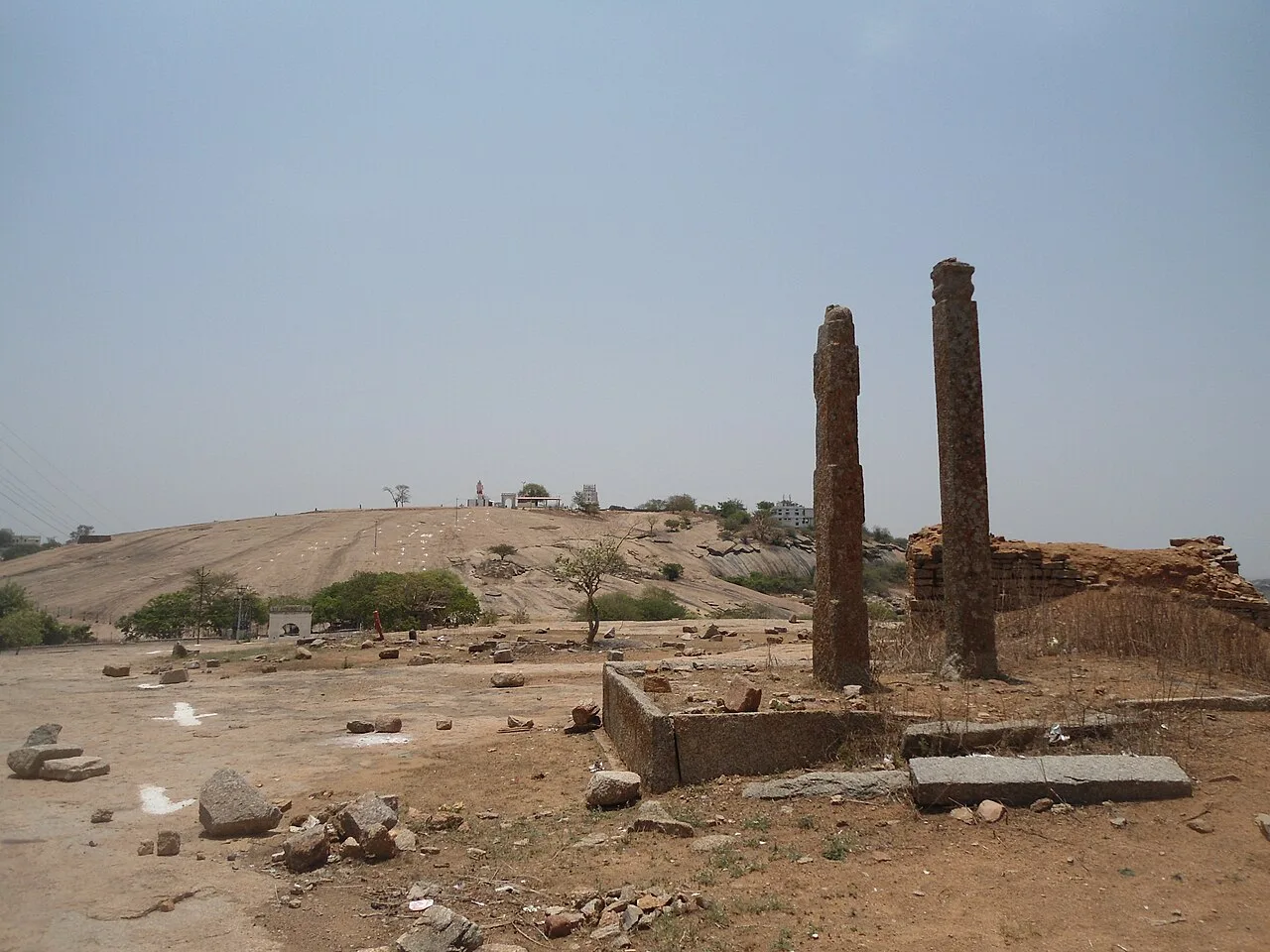
Set on a low hill at Keesara village, Keesaragutta is a Hindu shrine honouring Shiva and Parvati; worshippers gather here especially for Maha Shivaratri and during Kartika.
Shamirpet Lake
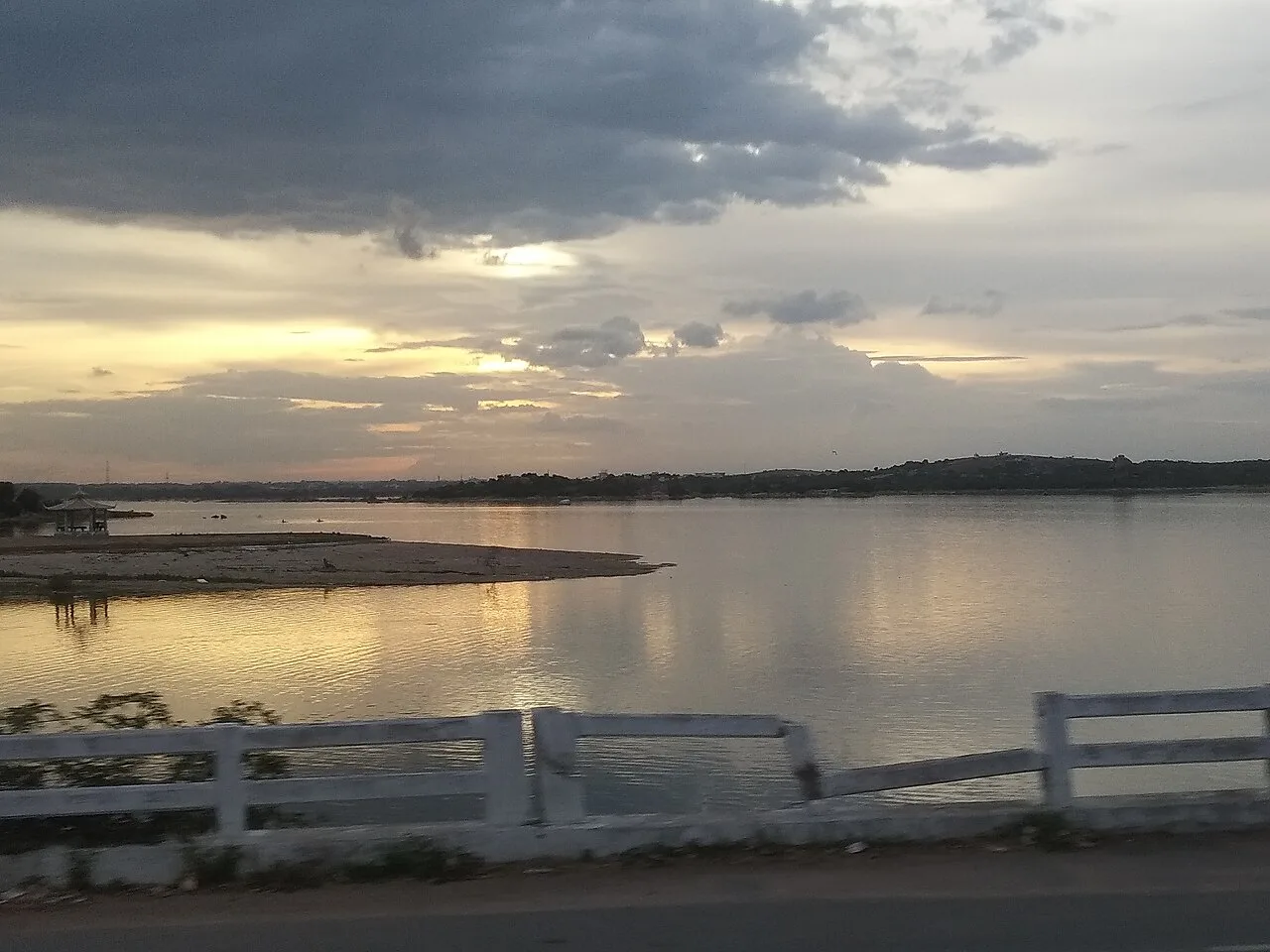
Shamirpet Lake, also called Pelle Cheruvu, is a man-made water body in Telangana, close to Hyderabad. Visitors come to see the lake and spend time beside it.
Food here draws on the wider Telangana and Hyderabad traditions rather than a distinct district-only cuisine. Hyderabadi dum biryani, mirchi ka salan and Irani chai with Osmania biscuits represent the metropolitan influence, while sarva pindi, jonna rotte with spicy pachadi and natu kodi curry reflect regional home-style cooking. Haleem is especially associated with Ramzan, and sakinalu with Sankranti celebrations. Double ka meetha and qubani ka meetha are familiar festive sweets in the wider Hyderabad region. Around smaller settlements and excursion stops, ask what has been freshly prepared; modest eateries may offer only a limited daily menu.
The district is best approached through Telangana’s wider craft heritage, rather than as a documented centre for one signature craft. Pochampally ikat, associated with the neighbouring Yadadri Bhuvanagiri district, is known for patterns created by resist-dyeing yarn before weaving. Cheriyal narrative painting and Nirmal painted objects are other established Telangana traditions, but their production centres lie elsewhere in the state. Shops and exhibitions in the wider Hyderabad area can provide opportunities to explore these crafts. Ask about the maker, place of production and materials rather than assuming everything sold locally was made in Medchal–Malkajgiri.
Maha Shivaratri is particularly important at Keesaragutta Temple, where worshippers gather for prayers and related festivities; expect larger crowds around the festival season and allow extra time for road travel. Bathukamma, usually celebrated in the autumn, and Bonalu, generally observed during the monsoon season, are prominent Telangana festivals. Ganesh Chaturthi is also widely marked across the Hyderabad region, with public celebrations and processions in some localities. These festivals can make nearby roads busier and accommodation harder to find in popular urban areas, so check local conditions and reserve a suitable stay ahead of travel.
The district lies on the rocky Deccan plateau, with built-up suburbs interspersed with villages, scrub, low rocky rises and water bodies. Shamirpet Lake, also known as Pelle Cheruvu, is a notable artificial lake and a contrast to the surrounding urban development. There is no coastal landscape, and travel is shaped more by roads, settlement patterns and local lakes than by major rivers. Suburban construction can interrupt otherwise open stretches, while rocky or uneven ground around outdoor sites calls for sturdy footwear. Distances between places may feel longer because the district is spread across a busy metropolitan fringe.
Medchal–Malkajgiri has hot summers, a monsoon season and a generally milder winter. March to May is typically the hottest period, so outdoor visits are more comfortable early or later in the day; carry sun protection and water. The monsoon, usually from June into the early autumn, brings showers and can make roadsides or paths near water muddy. October to February is generally the most comfortable season for temple visits and time outdoors, though evenings can feel cool. Pack light, breathable clothing for most of the year, a rain layer during the monsoon and a light extra layer for winter evenings. Check local forecasts before setting out.
Rajiv Gandhi International Airport, Hyderabad, is the main air gateway, and Secunderabad Junction is a useful major railway arrival point. The most convenient station depends on which part of this spread-out district you are visiting. Roads from Hyderabad and Secunderabad connect its suburbs, with the Hyderabad–Karimnagar road providing access towards Shamirpet and connecting roads serving Keesara. The Outer Ring Road helps with cross-city approaches. City and suburban buses serve many populated areas; taxis and auto-rickshaws can cover onward journeys. For lake or temple outings, arrange the return journey in advance and check current services locally.
Roads from Hyderabad and Secunderabad connect the district’s suburbs, while the Hyderabad–Karimnagar road and connecting routes serve the Shamirpet and Keesara areas. The Outer Ring Road can help with cross-city approaches, but traffic and access points affect journey times. City and suburban buses cover many populated corridors, though they may not take visitors directly to a lake or temple entrance. Shared autos and local auto-rickshaws are useful for shorter onward trips; taxis offer more flexibility for visiting both sights in one outing. Confirm return transport locally, especially for less densely served areas, and arrange a vehicle in advance if needed.
2 days: Visit Shamirpet Lake on day one and Keesaragutta Temple on day two; sleep near Shamirpet or in a northern Hyderabad suburb on night one, then in Hyderabad or Secunderabad on night two. 3 days: Visit Keesaragutta Temple, then Shamirpet Lake, keeping the third day flexible for a slower visit or local travel; sleep in a Hyderabad or Secunderabad suburb each night.
Hyderabad and Secunderabad offer the broadest choice of hotels and are practical bases for either sight, though traffic can add time to day trips. For a shorter visit, choose accommodation in a northern suburb or near the part of the district you plan to explore; options become less consistent farther from the city. Homestays may be available in some localities, while government lodges and dharamshalas should not be assumed to have rooms or visitor facilities. Check location, transport access and availability directly before booking.
Roads can be busy, and traffic conditions vary considerably across the suburbs; allow extra time and use care when crossing. Around Shamirpet Lake, keep to accessible paths, supervise children and avoid entering the water unless local authorities explicitly permit it. Rocky or uneven ground near outdoor sites can be difficult for visitors with limited mobility. Carry drinking water, use sun protection and take extra care during monsoon showers, when surfaces may be slippery. Crowds can build at Keesaragutta during religious occasions. Mobile coverage is generally available in populated areas but may be less reliable at quieter edges. No special permit is generally expected for these listed visits; check official local notices for current restrictions.
- Hyderabadabout 28 km
- Yadadri Bhuvanagiriabout 38 km
- Ranga Reddyabout 43 km
- Siddipetabout 53 km
- Medakabout 59 km
- Sangareddyabout 60 km
- Kamareddyabout 73 km
- Rajanna Sircillaabout 101 km
Straight-line distance between the centres of each district's destinations; road distance is longer.
All districts of Telangana
- Adilabad
- Bhadradri Kothagudem
- Hanamkonda
- Hyderabad
- Jagtial
- Jangaon
- Jayashankar Bhupalpally
- Jogulamba Gadwal
- Kamareddy
- Karimnagar
- Khammam
- Kumuram Bheem Asifabad
- Mahabubabad
- Mahabubnagar
- Mancherial
- Medak
- Mulugu
- Nagarkurnool
- Nalgonda
- Narayanpet
- Nirmal
- Nizamabad
- Rajanna Sircilla
- Ranga Reddy
- Sangareddy
- Siddipet
- Suryapet
- Wanaparthy
- Warangal
- Yadadri Bhuvanagiri
Q: How many days should I spend in Medchal–Malkajgiri? A: Two days can cover Shamirpet Lake and Keesaragutta Temple at an unhurried pace; add a day if you want more flexibility or are travelling across the metropolitan area. Q: What is the best time to visit? A: October to February is generally more comfortable for outdoor visits. Summer can be hot, while monsoon showers may affect paths and road travel. Q: Where is the best base? A: Hyderabad or Secunderabad has the widest accommodation choice. A northern suburb can be convenient for a shorter trip, depending on your route. Q: How do I get there? A: Rajiv Gandhi International Airport is the main air gateway, and Secunderabad is a useful major rail arrival point. Continue by road, bus, taxi or auto-rickshaw according to your destination. Q: Is the district suitable for families or elderly travellers? A: Yes, with planning. Choose transport that limits long walks, check access conditions in advance, and take care around uneven ground, lake edges and festival crowds.
This page draws on our 2 destination guides for Medchal–Malkajgiri and is updated as our team checks it.
Be the first to share photos, stories, advice or a helpful contact for Medchal–Malkajgiri.
Loading…