
District · Telangana
Warangal
Warangal is an important historic and cultural centre in eastern Telangana, with rail and road links to Hyderabad and other parts of the state.
Warangal district lies on the Deccan Plateau in eastern Telangana, where settled plains, rocky outcrops and seasonal water bodies shape a largely inland landscape. Its best-known natural setting includes Pakhal Lake and the surrounding wildlife sanctuary. The district is closely associated with the Kakatiya dynasty, whose medieval legacy can be seen in Warangal Fort and the region’s temples and stone architecture. Warangal city, together with nearby Hanamkonda, is the urban and cultural centre, while towns and villages retain a quieter rhythm shaped by agriculture and local markets. The result is a place where historic monuments, religious sites and everyday Telangana life sit within easy reach of one another.
Warangal is an important historic and cultural centre in eastern Telangana, with rail and road links to Hyderabad and other parts of the state. Travellers come for its Kakatiya heritage, especially Warangal Fort and the region’s stone architecture, as well as Bhadrakali Temple and the natural setting of Pakhal Lake. The district offers a mix of urban life in Warangal and Hanamkonda, quieter agricultural towns and forested surroundings near the lake. Its sights can be combined into a short heritage-and-nature trip, while local markets and everyday city life give visitors a sense of contemporary Telangana.
The region is most closely associated with the Kakatiya dynasty, which rose to prominence in the Deccan and made Warangal, then known as Orugallu, its capital. Between the 12th and 14th centuries, Kakatiya rulers developed the fortified city and supported temples, tanks and distinctive stonework. The dynasty’s rule ended after the Delhi Sultanate’s campaign against Warangal in the early 14th century. The area later came under successive Deccan powers, including the Bahmani and Qutb Shahi kingdoms, and was eventually part of the Hyderabad State under the Nizams. British influence in the region was largely indirect through the wider political arrangements surrounding Hyderabad State. Hyderabad State joined the Indian Union in 1948, and the area became part of Andhra Pradesh in 1956. Telangana became a separate state in 2014. District boundaries and administrative names have since changed through state reorganisations; today’s Warangal district is smaller than the historic district often referred to in older accounts.
3 destination guides
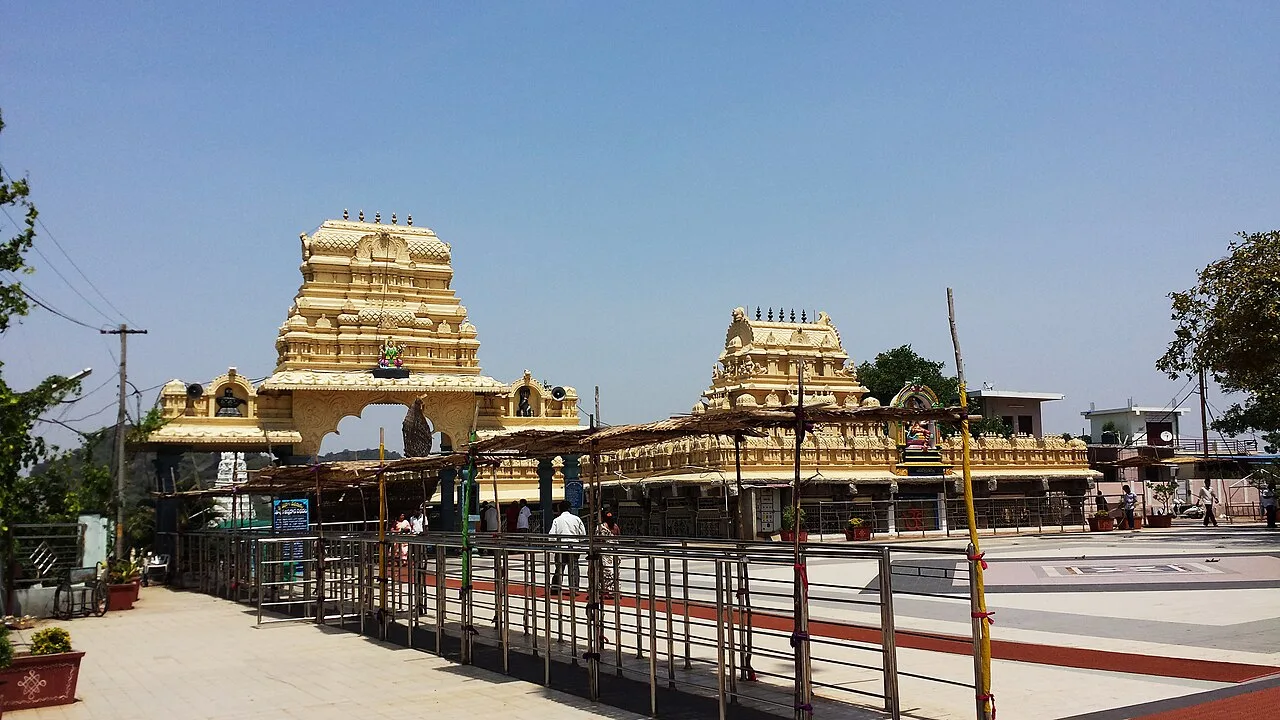
Bhadrakali Temple
Dedicated to Goddess Bhadrakali, this hilltop shrine is in Warangal, Telangana. People visit to worship the goddess at a temple counted among the oldest associated with her.
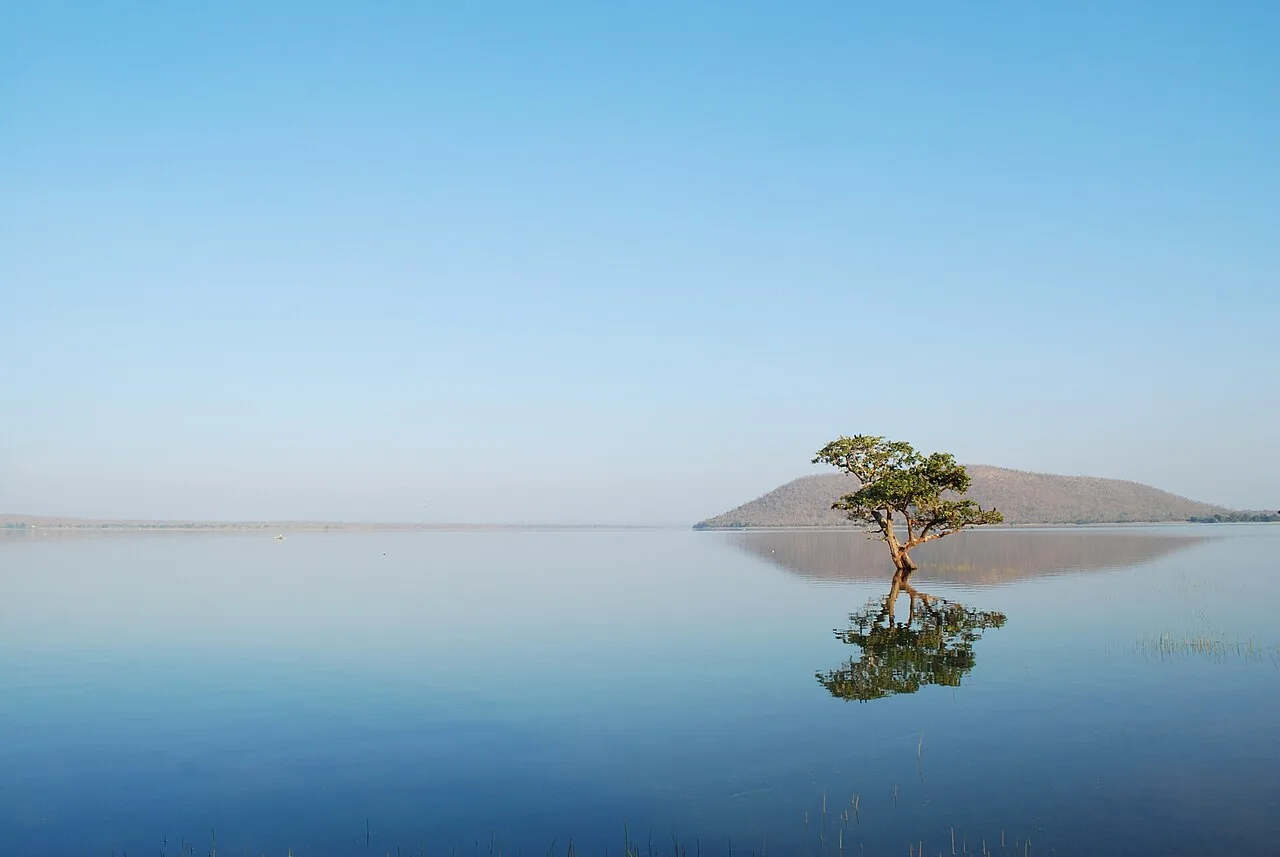
Pakhal Lake
Pakhal Lake is an artificial lake within Pakhal Wildlife Sanctuary, in Telangana’s Warangal district. Visitors come to see the lake in its sanctuary setting.
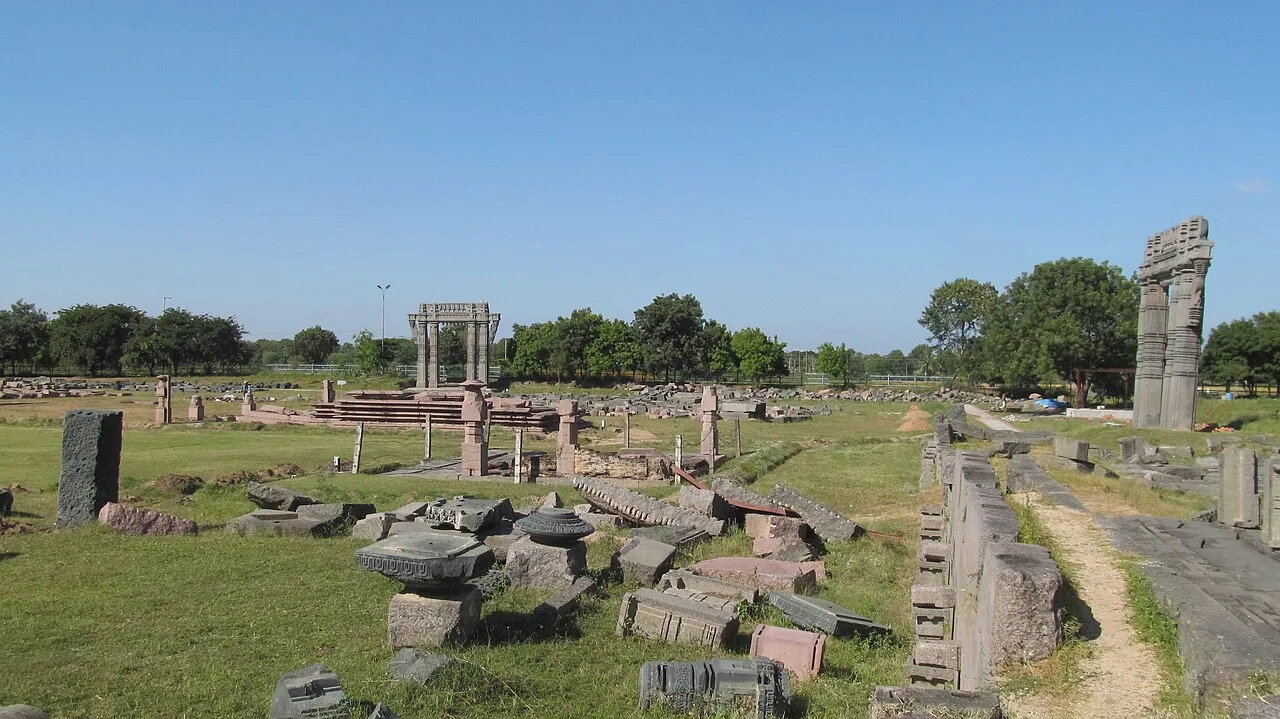
Warangal Fort
This historic stronghold in Telangana’s Warangal district served as a capital under two dynasties. Visitors come to see its four ornate gateways and the remains of a Shiva temple.
The district’s food reflects wider Telangana traditions. Look for jonna rotte (sorghum flatbread) with a spicy pachadi, sarva pindi, and hearty curries; natu kodi, or country chicken, is a regional favourite. Sakinalu, crisp rice-flour snacks, are especially associated with Sankranti. Small eateries may prepare a limited menu, so asking what is fresh that day can be useful. Hyderabadi dum biryani, haleem during Ramzan, mirchi ka salan and sweets such as double ka meetha are part of the broader Telangana food scene, though they are not specific to Warangal.
Warangal is associated with colourful cotton durries and floor coverings, made by weaving patterned designs on looms. These are part of Telangana’s wider handloom tradition and may be found through local shops and markets; availability and provenance can vary. The broader Kakatiya region is also known for metalwork and painted storytelling traditions, including Pembarthi brassware and Cheriyal scroll painting, though their best-known centres lie outside today’s Warangal district. When buying, ask makers or sellers where an item was produced, particularly if seeking locally made work.
Bathukamma, celebrated in the monsoon-to-autumn season, and Dasara are important occasions across Telangana, including Warangal. Bonalu and Maha Shivaratri are observed at temples, with local gatherings and increased activity around religious sites. The Sammakka-Saralamma Jatara at Medaram is a major regional pilgrimage in the wider former Warangal area, though Medaram is outside today’s Warangal district; its season can bring substantial traffic across the region. Festival periods may mean busier roads, crowded temples and greater demand for rooms in Warangal, so visitors should plan accommodation ahead.
Warangal lies on the inland Deccan Plateau, where open settled plains meet rocky outcrops, low hills and seasonal water bodies. Pakhal Lake and the surrounding wildlife sanctuary provide a forested contrast to the built-up areas of Warangal and Hanamkonda. Agriculture shapes much of the countryside, and smaller roads connect villages, fields and local market towns. Travel is generally by road; near the sanctuary, routes may be quieter and access can depend on local conditions. There is no coastline, and water levels and the appearance of the landscape change with the seasons.
Warangal has hot summers, a monsoon season and comparatively mild, drier winters. The hotter months can make outdoor sightseeing tiring, especially around exposed ruins and rocky areas. Monsoon rains bring greener scenery and replenish lakes, but can also affect rural roads and access to natural areas. The cooler months, broadly from late autumn through winter, are usually the most comfortable for combining monuments, temple visits and a trip to Pakhal Lake. Carry sun protection and water in warmer weather; during the monsoon, pack light rain gear and footwear with a good grip. A light layer can be useful on cooler winter evenings.
Warangal and Kazipet Junction are the district’s principal railway stations, with rail connections to Hyderabad and other regional centres. Rajiv Gandhi International Airport in Hyderabad is the main air gateway; onward travel is by road or rail. Warangal is connected to Hyderabad by major highways, including National Highway 163, and state and regional roads link it with nearby towns and attractions. Buses, auto-rickshaws and taxis serve the urban area; reaching places such as Pakhal Lake may require arranging onward road transport. Check current services locally before travelling.
Warangal and Hanamkonda are closely connected by urban roads, with buses, auto-rickshaws and taxis useful for reaching their main sights. Regional roads link the city with nearby towns and the route towards Pakhal Lake, but public transport may not take visitors directly to the lake or sanctuary entrance. For that outing, arrange onward road transport locally and confirm the return plan before setting off. Shared vehicles may serve some routes, though availability can vary. There is no need to rely on boat transport for the suggested circuits; check locally for current access arrangements at the sanctuary.
2 days: Bhadrakali Temple → Warangal Fort; sleep in Warangal after day 1. 3 days: Bhadrakali Temple → Warangal Fort → Pakhal Lake; sleep in Warangal after nights 1 and 2.
Warangal and neighbouring Hanamkonda are the most practical bases for the heritage sights and for arranging a road trip to Pakhal Lake. The urban area has a range of hotels and guesthouses, while simpler lodgings may be available in smaller towns. Homestays and government lodges can be limited, so confirm availability rather than assuming they are close to the lake. Dharamshalas may serve pilgrims near religious sites, but facilities and access rules vary. For a short visit, staying in the city avoids changing accommodation between sights.
Warangal Fort and other outdoor sites can involve uneven stone, steps and exposed ground; wear secure footwear and take care in wet conditions. Summer heat calls for shade, water and breaks. At Pakhal, follow sanctuary guidance, keep a safe distance from wildlife and do not feed animals. Carry drinking water, and use safe treated water where its source is uncertain. Rural roads may be narrow or affected by monsoon weather; check conditions and arrange return transport before visiting the lake. Mobile connectivity can be weaker outside urban areas. Confirm any sanctuary access rules or permit requirements with official sources before travel.
- Hanamkondaabout 7 km
- Jangaonabout 15 km
- Muluguabout 60 km
- Mahabubabadabout 63 km
- Siddipetabout 72 km
- Karimnagarabout 75 km
- Rajanna Sircillaabout 96 km
- Yadadri Bhuvanagiriabout 98 km
Straight-line distance between the centres of each district's destinations; road distance is longer.
All districts of Telangana
- Adilabad
- Bhadradri Kothagudem
- Hanamkonda
- Hyderabad
- Jagtial
- Jangaon
- Jayashankar Bhupalpally
- Jogulamba Gadwal
- Kamareddy
- Karimnagar
- Khammam
- Kumuram Bheem Asifabad
- Mahabubabad
- Mahabubnagar
- Mancherial
- Medak
- Medchal–Malkajgiri
- Mulugu
- Nagarkurnool
- Nalgonda
- Narayanpet
- Nirmal
- Nizamabad
- Rajanna Sircilla
- Ranga Reddy
- Sangareddy
- Siddipet
- Suryapet
- Wanaparthy
- Yadadri Bhuvanagiri
Q: How many days should I spend in Warangal district? A: Two days suit the main city sights; three days allow time for Pakhal Lake as well. Q: When is the best time to visit? A: The cooler months from late autumn through winter are generally most comfortable for sightseeing. Q: Where is the best base for visiting? A: Warangal or Hanamkonda is the most practical base for the listed sights and onward road travel. Q: How do I get to Warangal? A: Warangal and Kazipet are rail gateways; Hyderabad is the main air gateway, with onward travel by road or rail. Q: Is Warangal suitable for families or elderly travellers? A: Yes, though uneven fort surfaces, steps, summer heat and the road trip to Pakhal may require extra planning.
This page draws on our 3 destination guides for Warangal and is updated as our team checks it.
Be the first to share photos, stories, advice or a helpful contact for Warangal.
Loading…